
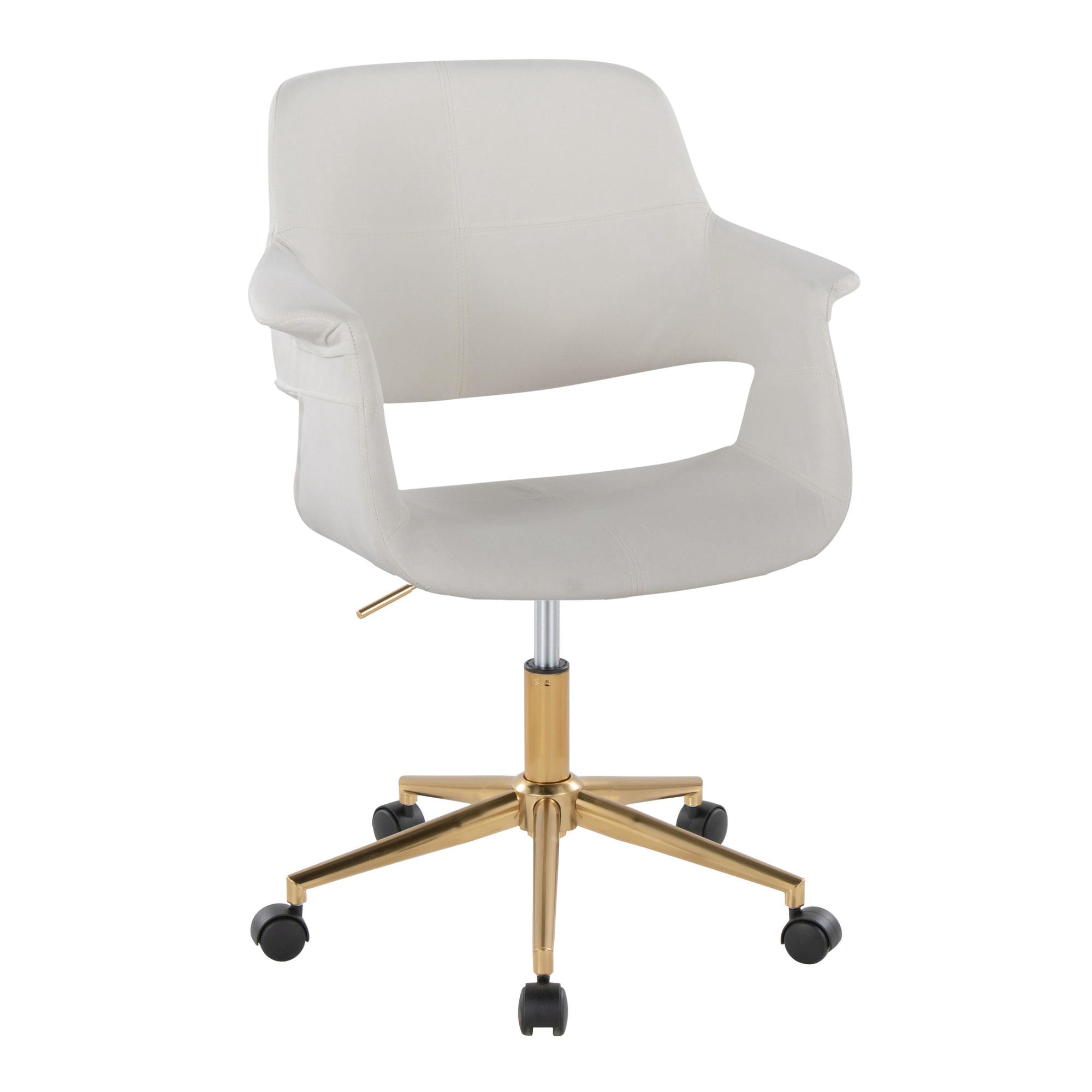
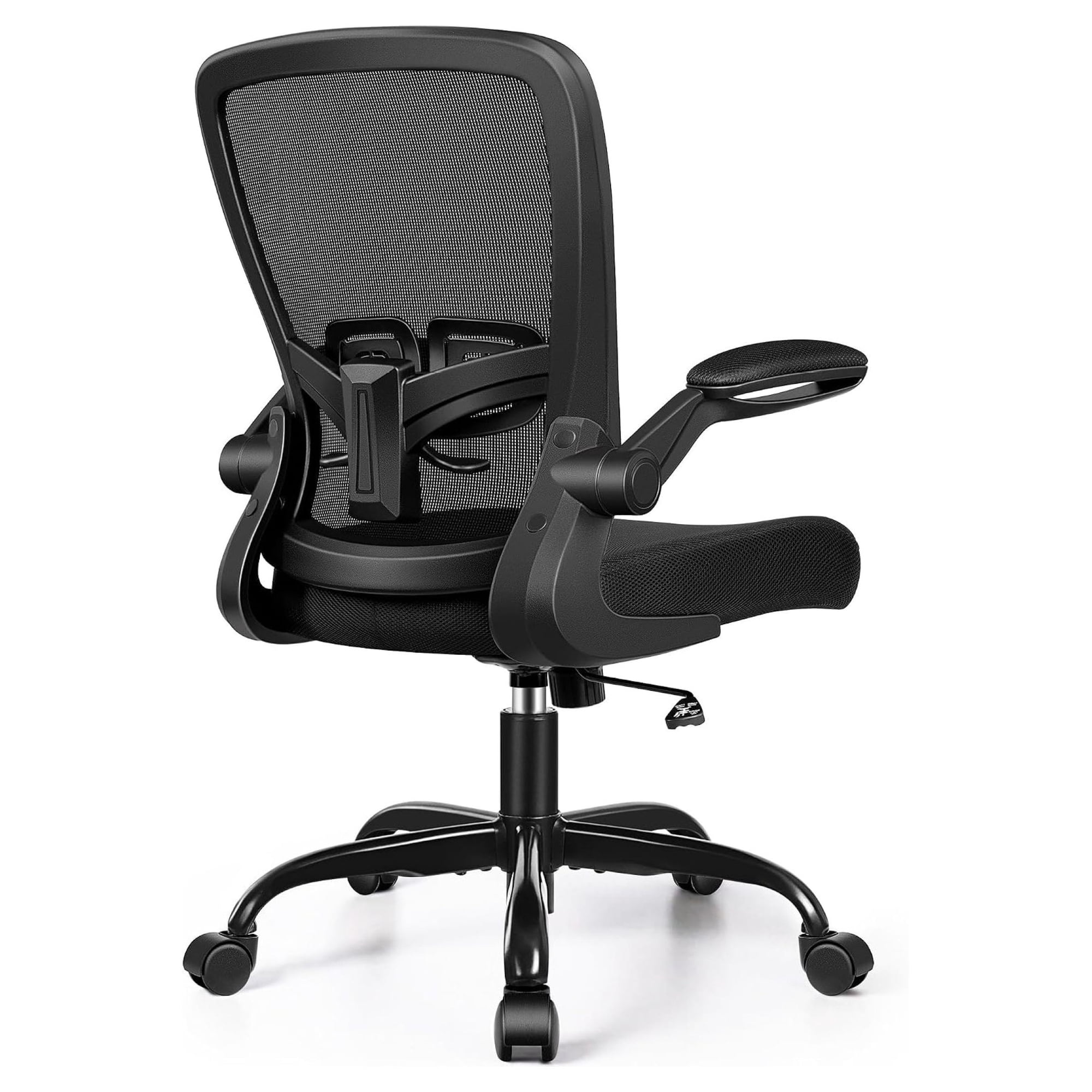
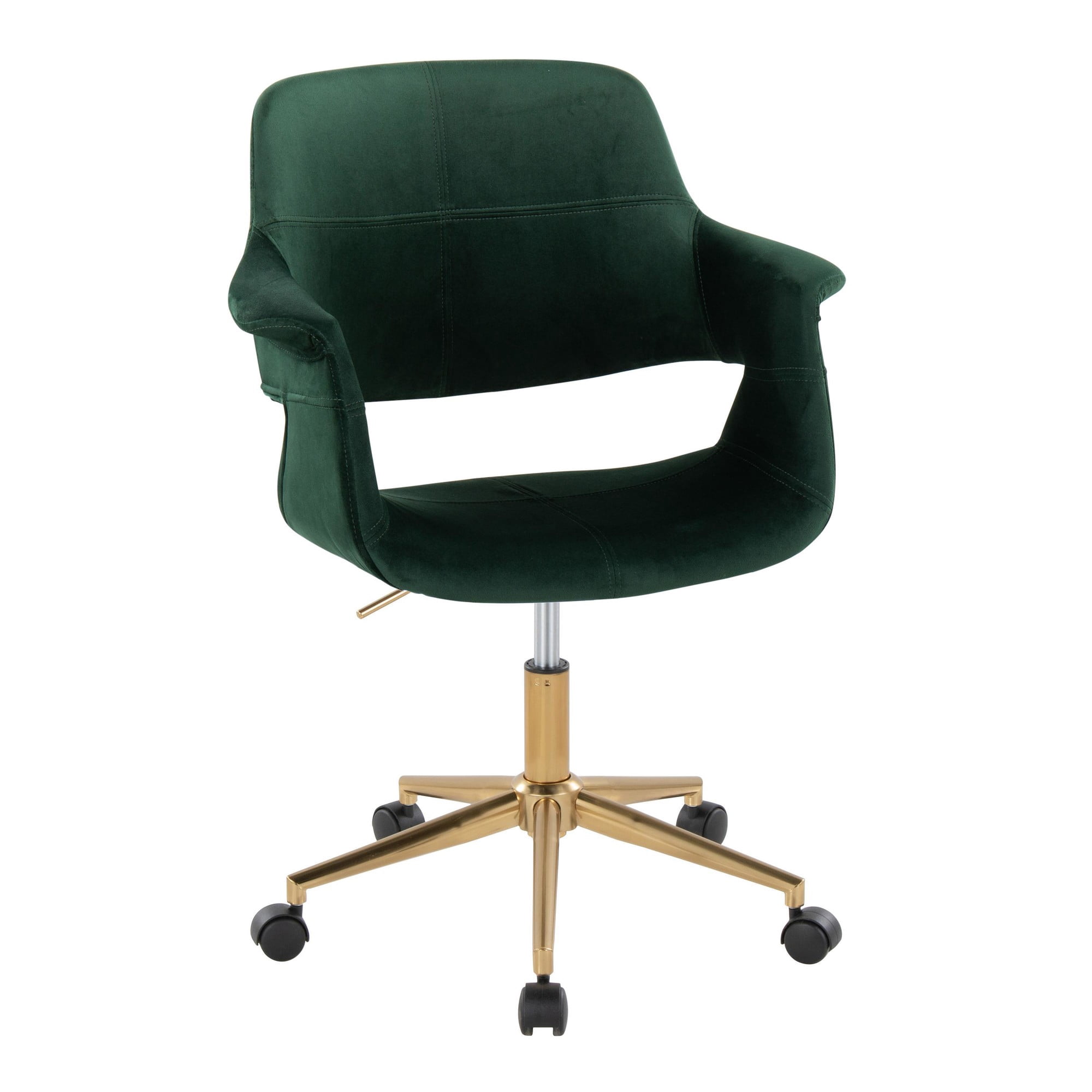
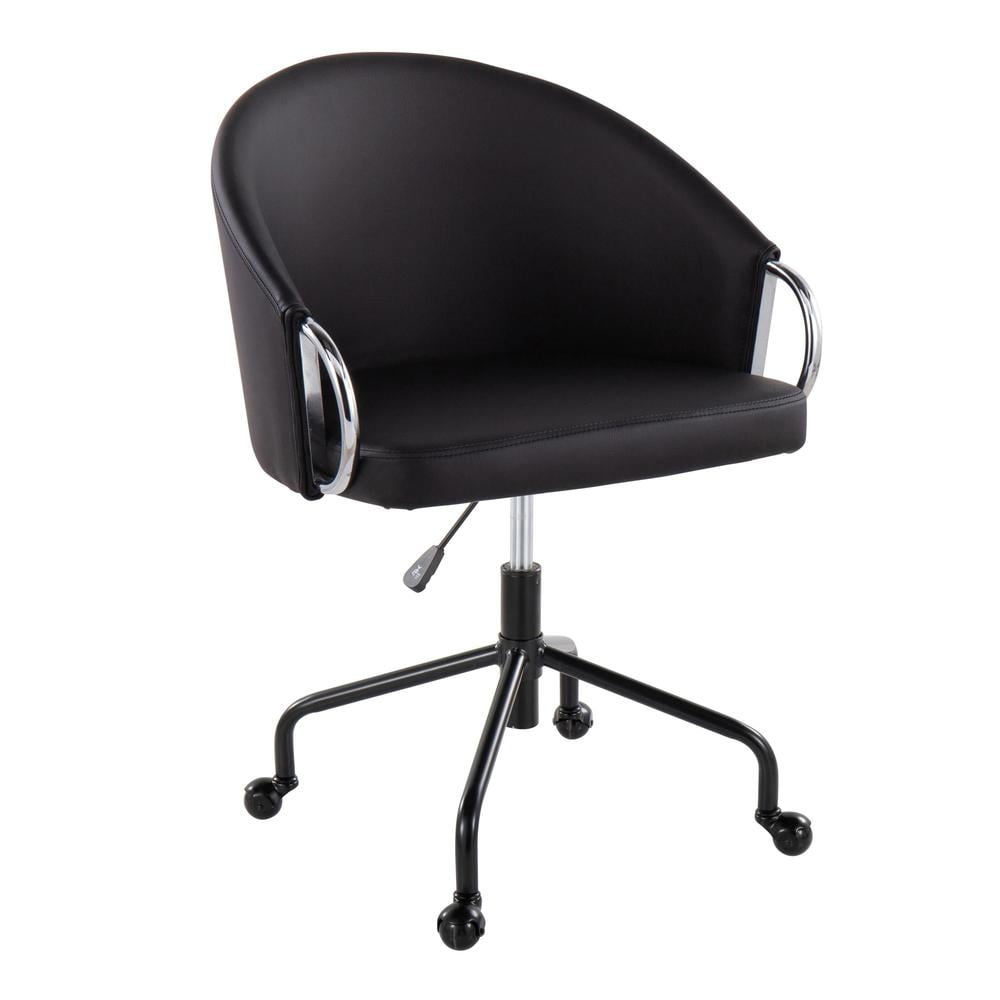
The Quest for the Perfectly Comfy Office Chair
Let’s be honest: if you’re spending eight or more hours at a desk, you deserve a chair that doesn’t just support you—it welcomes you. A comfy office chair is like a favorite armchair that somehow found its way into your workspace. But true comfort isn’t just about softness; it’s about a harmonious blend of plush cushioning, body-contouring support, and materials that feel good against the skin. In this guide, we’ll go beyond the mesh and hard plastic to explore the world of generously padded, cozy seating that keeps you productive without the ache.
The Comfort Paradox: A study from the University of Waterloo found that people who sit on well-cushioned, ergonomic seats report 35% less muscle fatigue by the end of the day. The right chair doesn't just feel good—it actively helps you work better.
The Anatomy of a Comfy Office Chair: More Than Just Pillow Soft
When we say "comfy," we're talking about a specific engineering. It's the difference between sinking into a marshmallow (which offers no support) and resting on a perfectly contoured, high-density foam cloud. Let's break down the layers that make a chair truly comfortable.
1. The Cushioning Trinity: Foam, Fiber, and Memory Foam
The seat and backrest are where comfort lives or dies.
- High-Density Foam: This is the workhorse of a good comfy chair. It's firm enough to support your weight without "bottoming out," yet soft enough to relieve pressure on your sit bones. Look for foam density ratings—higher is better and means the chair will stay comfy for years.
- Memory Foam (or Visco-elastic): Some premium comfy chairs use a top layer of memory foam. It reacts to your body heat, molding perfectly to your unique shape. It’s the ultimate in personalized comfort but can sometimes retain heat, so look for gel-infused or open-cell versions.
- Polyester Fiberfill: Often used in the backrest or as a top layer on armrests, this adds that initial "cloud-like" softness. It’s the fluffy, welcoming touch you feel the moment you sit down.
2. Upholstery: The Skin You Touch
The material covering the chair dramatically affects the feeling of comfort.
Plush Fabric & Velvet
- Warm and Soft: Immediately feels cozy, especially in cooler environments.
- Breathable: Good quality fabric allows air circulation, preventing that sticky feeling.
- Variety: Comes in countless colors and textures, from smooth twill to luxurious velvet.
Soft Leather & Faux Leather
- Smooth Feel: Offers a different kind of comfort—sleek and cool to the touch.
- Easy to Clean: Spills wipe away easily, maintaining the fresh look.
- Pillow-Top Effect: Often used on chairs with a "tufted" or "pillowed" design for a luxurious, overstuffed look.
Our recommendation? For the coziest feel, a high-quality fabric or velvet is hard to beat. It offers a tactile warmth that synthetic leathers often lack.
3. Contouring & Lumbar Support (The Silent Partner)
Here’s the secret: a truly comfy office chair supports you without you noticing it. The backrest should have a gentle S-shape curve that follows your spine. Even if it's heavily padded, there must be built-in lumbar support—a firmer area or an adjustable pad that fills the gap in your lower back. This prevents slouching, which is the number one enemy of comfort.
4. The "Cloud" Factor: Thick Seat Cushions & Plush Armrests
Visual cues matter. A comfy chair often has a generously thick seat cushion—think 4 to 6 inches of padding. This not only feels better but also looks inviting. Similarly, armrests are often the neglected part of comfort. Look for chairs with padded, wide, and possibly height-adjustable armrests. Your elbows and forearms will thank you during a long typing session.
Why "Comfy" Is a Productivity Superpower
Think of your office chair as a base of operations. If that base is uncomfortable, your brain constantly receives low-level distress signals. "My leg is going numb." "My back aches." "This seat is too hard." These micro-distractions chip away at your focus. A genuinely comfortable chair eliminates these signals, allowing you to enter a state of flow. It’s not a luxury; it's a tool for sustained concentration.
Types of Comfy Office Chairs for Different Needs
The world of comfy seating is diverse. Here’s how to pick your sub-category:
- The Executive Plush: These are the classic, high-back chairs often upholstered in soft leather or thick fabric with pillowy headrests. They scream comfort and authority, ideal for managers or home offices.
- The Modern Cloud Chair: A newer trend featuring chairs with a sleek, minimalist design but incredibly thick, removable cushions (like the ones from brands like Sundays or Comfortel). They look stylish and feel like a dream.
- The Big & Tall Comfy Chair: Specifically engineered with extra-wide seats and higher weight capacities, these chairs use ultra-resilient foam to provide the same plush feel without compromising on support for larger body types.
- The Cozy Task Chair: A smaller, more compact chair that still prioritizes softness. Great for small spaces or those who want a less imposing but still very comfortable seat.
Comfort Feature Comparison
| Feature | What to Look For | Why It Matters for Comfort |
|---|---|---|
| Seat Cushion | High-density foam + memory foam topper; thickness > 4 inches | Prevents "bottoming out" and distributes weight evenly. |
| Backrest Padding | Generous foam padding with built-in lumbar contour | Provides all-over back support without hard pressure points. |
| Armrests | Padded, soft-touch material (e.g., polyurethane or fabric-covered foam) | Reduces shoulder and neck tension by supporting arms. |
| Upholstery | Breathable fabric, velvet, or supple top-grain leather | Creates a pleasant tactile experience and regulates temperature. |
Frequently Asked Questions About Comfy Office Chairs
Conclusion: Invest in the Comfort You Deserve
Finding the perfect comfy office chair is a personal journey, but the destination is always the same: a workspace where you can be productive without counting the minutes until you can stand up. Remember to prioritize quality cushioning, a supportive backrest, and materials that you love to touch. Don’t settle for a chair that’s merely functional. You spend a third of your day at your desk; make it a place of genuine comfort. Whether you choose a plush executive model or a modern cloud chair, your body will thank you.