
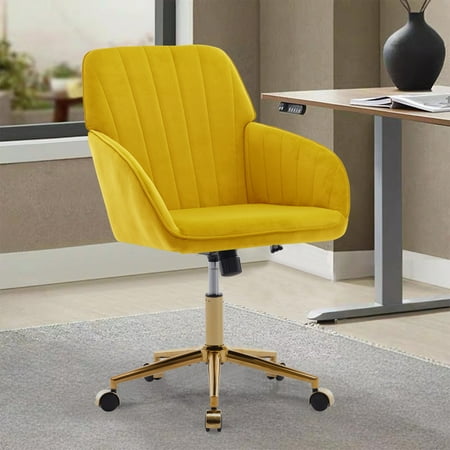
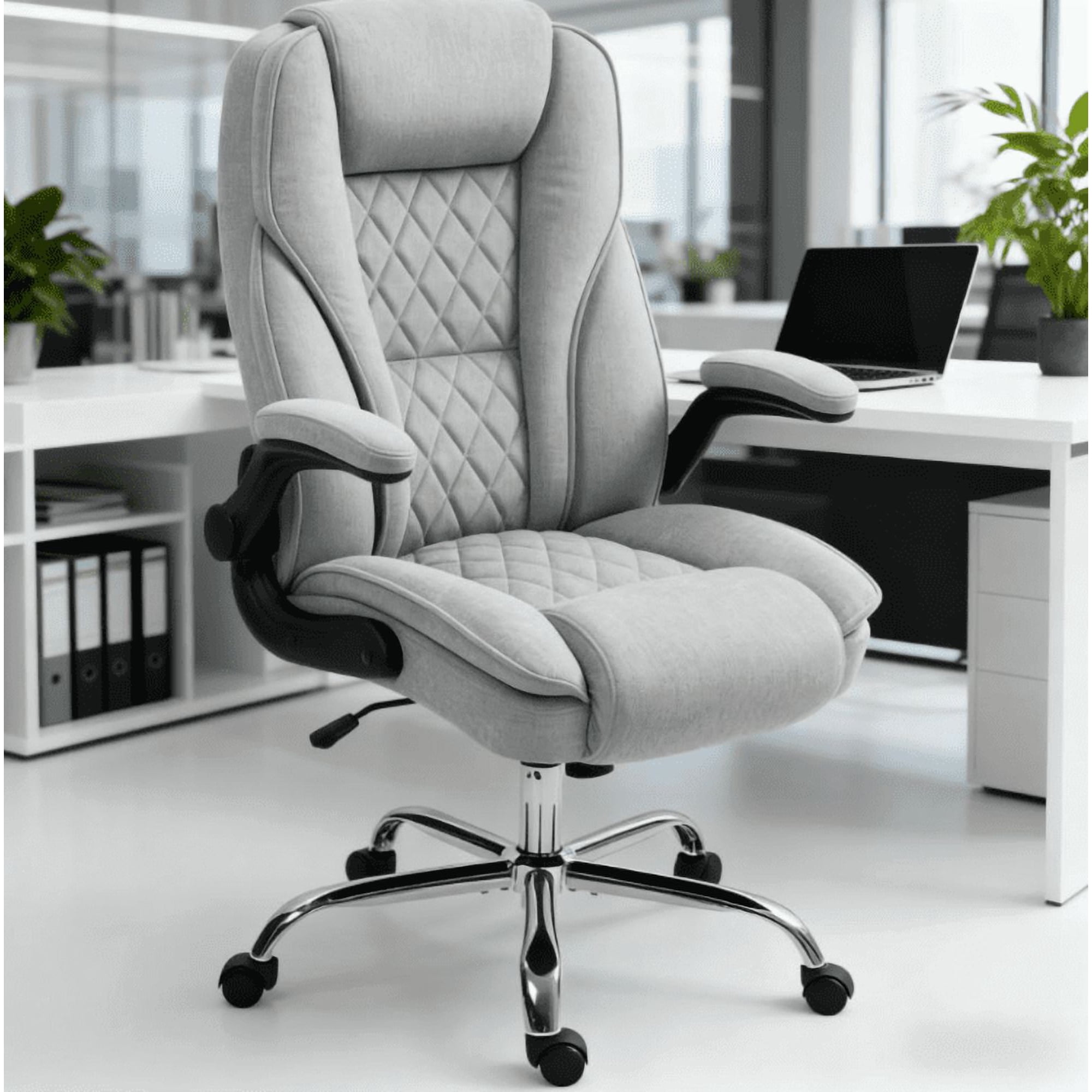
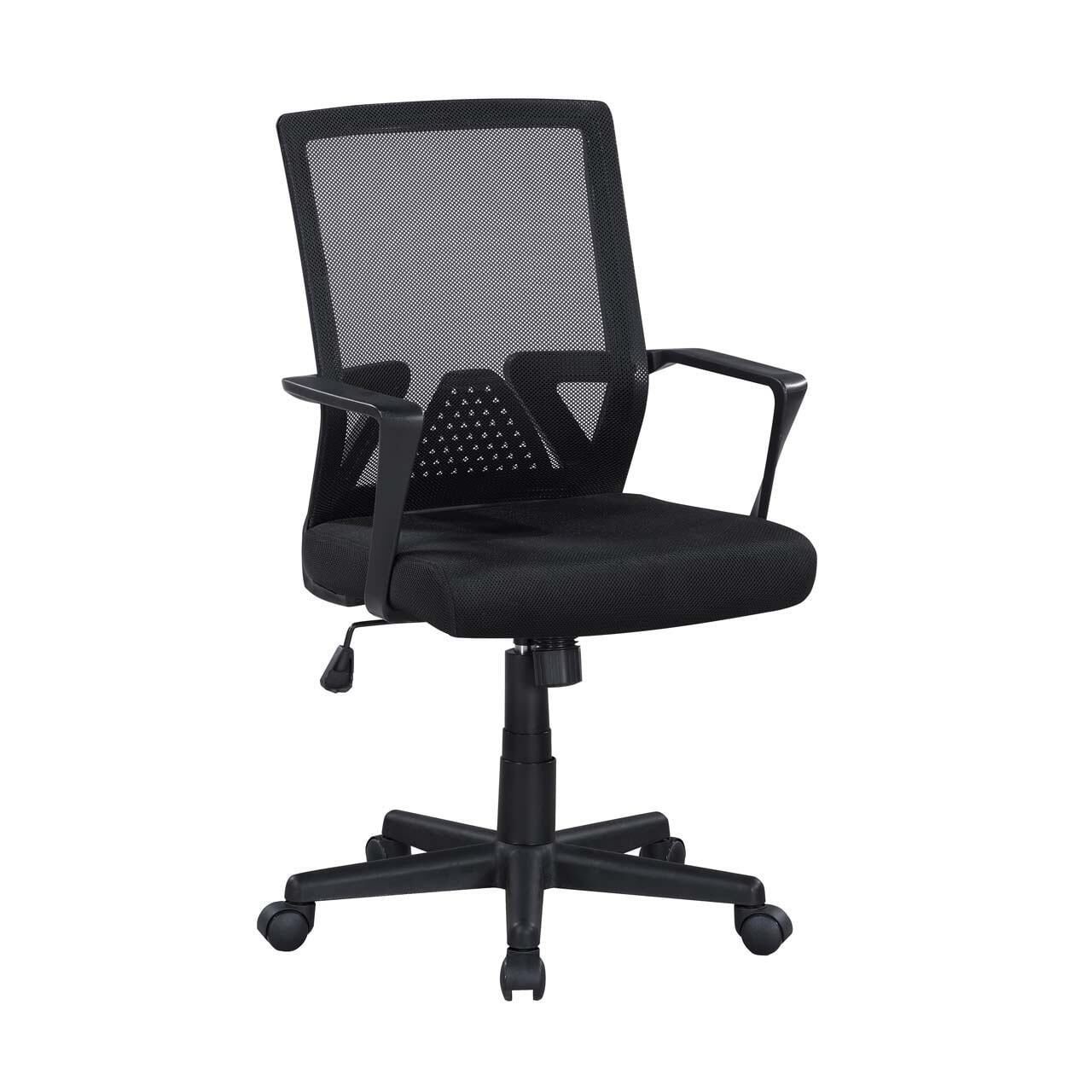
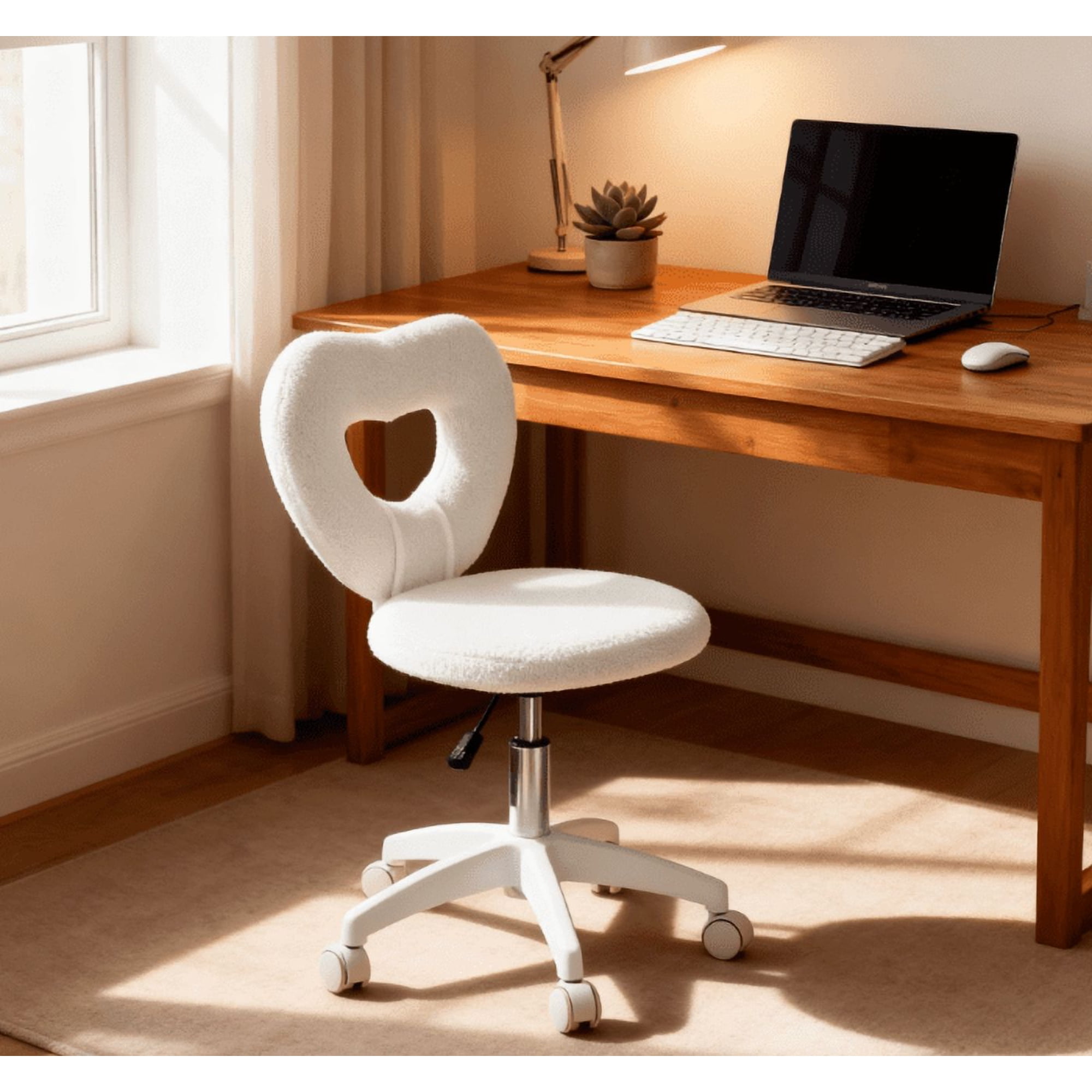
The Art of Pairing: Why Office Tables and Chairs Must Work Together
Think of your office furniture as a partnership rather than separate pieces. Just like a well-rehearsed duet, your office table and chair need to perform in perfect harmony. When these two essential elements complement each other, they create a workspace that's greater than the sum of its parts. According to workspace productivity studies, employees with properly coordinated furniture report 32% higher job satisfaction and 28% fewer musculoskeletal complaints.
Ergonomic Insight: The relationship between your desk height and chair position determines your posture for 8+ hours daily. The Cornell University Ergonomics Web Lab found that proper desk-chair pairing can reduce upper body fatigue by up to 41% compared to mismatched furniture combinations.
Understanding the Office Table and Chair Relationship
When we talk about office tables chairs, we're referring to an ecosystem of workspace furniture that must function as an integrated unit. Here are the critical interaction points between these two essential pieces:
- Height synchronization: The chair's seat height range must align with the desk's fixed or adjustable height
- Depth compatibility: Chair depth and backrest angle must work with desk depth to maintain proper viewing distance
- Armrest clearance: Chair armrests should slide under the desk surface for proper positioning during typing
- Aesthetic continuity: Visual harmony between desk finish and chair material creates a professional, intentional look
- Movement allowance: The chair's range of motion should complement the desk's footprint without obstruction
The Evolution of Office Furniture Sets
Modern office tables chairs have evolved far beyond the basic desk-and-chair combos of the past. Today's coordinated furniture reflects a deep understanding of how people work. The shift toward remote and hybrid work models has accelerated demand for furniture that transitions seamlessly between professional video calls and focused individual work. Manufacturers now design collections where every piece is engineered to work together, from cable management systems in desks to ergonomic controls in chairs that position users at optimal screen height.
Compact Home Office Sets
Ideal for spaces under 80 sq ft, these combinations maximize functionality in minimal footprint. Typically feature corner desks or writing tables paired with slim-profile ergonomic chairs.
Desk Size: 40-55 inches width
Chair Type: Task chairs or small ergonomic seats
Executive Suite Combinations
Statement pieces that convey authority while providing all-day comfort. Large L-shaped or rectangular desks paired with high-back executive chairs featuring premium upholstery.
Desk Size: 66-72 inches width
Chair Type: High-back executive with headrest
Standing Desk Configurations
Height-adjustable desks paired with supportive standing mats and ergonomic stools or perching chairs. These sets support movement throughout the workday.
Desk Size: 48-60 inches adjustable
Chair Type: Active seating or standing stools
Collaborative Workstation Clusters
Modular desk systems paired with versatile task chairs, designed for team environments where focus work and collaboration alternate throughout the day.
Desk Size: Modular configurations
Chair Type: Multi-shift rated task chairs
Key Measurements for Perfect Office Table and Chair Pairing
Before purchasing any office tables chairs, take these essential measurements to ensure compatibility:
| Measurement | Why It Matters | Ideal Range |
|---|---|---|
| Desk Height | Determines elbow angle and shoulder tension during work | 28-30 inches (standard), adjustable 22-48 inches (standing) |
| Desk Depth | Affects viewing distance to monitor and legroom clearance | 24-30 inches minimum for monitors, 30-36 inches for multi-screen setups |
| Chair Seat Height Range | Must allow feet flat on floor with thighs parallel to ground | 16-21 inches (standard), 18-24 inches (extra tall) |
| Under-Desk Clearance | Space for knees, thighs, and chair armrests | 24-27 inches width, 24-26 inches depth, 26-28 inches height |
| Monitor Height Range | Top of screen at or slightly below eye level | 20-30 inches from floor to screen center (with desk and chair combined) |
Material Considerations for Office Tables and Chairs
The materials you choose for your office tables chairs affect durability, maintenance, aesthetics, and even acoustics in your workspace. Here's how different materials perform together:
| Desk Material | Best Chair Pairing | Durability | Maintenance | Style Compatibility |
|---|---|---|---|---|
| Solid Hardwood | Leather or high-quality fabric | Excellent (15-20 years) | Medium (polishing, avoid moisture) | Traditional, executive, craftsman |
| Engineered Wood with Veneer | Mesh or bonded leather | Good (8-12 years) | Low (dust regularly) | Modern, transitional, budget-friendly |
| Glass Top | Leather or sleek mesh | Good (10+ years with care) | High (fingerprints, smudges) | Contemporary, minimalist |
| Metal Frame with Wood Top | Industrial style with mesh or fabric | Excellent (15+ years) | Low (check hardware periodically) | Industrial, modern, loft-style |
| Laminate | Fabric or mesh task chairs | Good (5-10 years) | Very Low (wipe clean) | Versatile, budget-friendly, colorful |
Ergonomic Compatibility: Beyond Basic Measurements
True ergonomic harmony between your office table and chair goes beyond simple height matching. Consider these advanced compatibility factors:
Visual Ergonomics: The Overlooked Factor
Your eye level when properly seated should hit the top third of your monitor. This requires coordinating chair height, desk height, and monitor placement. For every inch your chair rises, your monitor may need adjustment. Built-in monitor arms on desks or adjustable monitor stands become essential for perfect positioning.
Reach Zones and Workflow
The "comfort zone" for office work extends approximately 16-18 inches from your seated position. Your desk surface should place frequently used items (keyboard, mouse, notepad) within this zone without requiring stretching. Chair swivel radius and armrest positioning must allow natural movement across this workspace without strain.
Dynamic Sitting and Movement
Modern ergonomics encourages movement throughout the day. Your chair should allow subtle position changes, and your desk should accommodate these shifts. Consider whether your chair's recline mechanism pushes you too far from your desk, or if the desk edge creates pressure points when you lean forward. The best office tables chairs combinations support micro-movements without disrupting workflow.
Space Planning: Fitting Office Tables and Chairs in Your Room
Before selecting specific furniture, understand how much space you actually need. The office tables chairs you choose must fit not just the floor plan, but also allow comfortable movement and workflow.
Minimum Clearance Requirements
- Behind chair: 36-42 inches for comfortable movement and chair recline
- Sides of desk: 24-30 inches for access and additional furniture
- In front of desk: At least 15 inches of legroom under desk
- Total workspace: 7x7 feet recommended for a functional workstation
- Door clearance: Ensure furniture delivery can navigate doorways and hallways
Special Considerations for Different Work Styles
Not all office tables chairs combinations work for every type of work. Consider these work-style specific recommendations:
- Computer-intensive work (programmers, designers, writers): Prioritize deep desks (30-36 inches) for proper monitor distance, paired with chairs offering extensive lumbar support and armrest adjustability.
- Paper-heavy work (accountants, lawyers, managers): Wide desks (60+ inches) for document spreading, paired with chairs offering good lower back support and easy-roll casters for reaching different desk areas.
- Meeting-intensive roles (sales, consultants, executives): Professional appearance matters equally with comfort. Leather or premium fabric chairs paired with wood or high-end laminate desks create the right impression.
- Creative professionals (artists, architects, content creators): Consider specialized surfaces (drafting tables, adjustable angle desks) paired with chairs that allow varied positions including perching or perching.
Budget Planning for Office Tables and Chairs
Quality office tables chairs represent an investment in your daily comfort and productivity. Here's realistic budgeting by category:
Budget Friendly
Laminate desks with basic task chairs. Good for guest rooms or occasional use. Expected lifespan: 2-4 years.
Mid-Range Value
Better materials, improved ergonomics. Suitable for daily home office use. Expected lifespan: 5-8 years.
Premium Quality
Solid wood or high-end engineered desks with ergonomic chairs. Ideal for full-time professionals. Expected lifespan: 10-15 years.
Executive Luxury
Designer pieces, premium materials, advanced features. Statement furniture for leadership roles. Expected lifespan: 15-20+ years.
Step-by-Step Guide to Selecting Your Office Tables and Chairs
Follow this systematic approach to choose the perfect office tables chairs combination:
- Measure your space meticulously: Create a floor plan with door swings, windows, and electrical outlets marked. Account for heating vents and baseboards that affect furniture placement.
- Identify your primary work activities: List what you do most (typing, reading, meetings, calls) and prioritize features that support these tasks.
- Determine your ergonomic requirements: Consider any physical needs, existing conditions, and desired posture throughout the day.
- Set a realistic budget: Remember that quality furniture outlasts multiple cheap replacements. Consider cost-per-year rather than upfront price.
- Research material combinations: Match desk materials to chair types based on durability, maintenance, and aesthetics that suit your space.
- Test compatibility: If possible, sit in chairs at the desk height you're considering. Bring measurements of your body (seat to elbow height, seated eye height) to compare.
- Check warranty and return policies: Quality furniture should come with warranties reflecting expected lifespan. Understand return policies before purchasing.
- Consider future needs: Will your work setup change in the next 3-5 years? Adjustable furniture offers flexibility for evolving needs.
Maintaining Your Office Tables and Chairs Investment
Once you've selected quality office tables chairs, proper maintenance extends their life and preserves their appearance:
- Daily/Weekly: Dust surfaces, vacuum chair fabric/mesh, check for loose screws or casters
- Monthly: Deep clean desk surfaces appropriate to material, condition leather chairs, tighten all hardware
- Quarterly: Lubricate chair mechanisms if needed, check gas cylinder function, clean casters of hair and debris
- Annually: Professional cleaning for upholstery, check desk stability, consider touch-up for wood surfaces
Common Mistakes When Buying Office Tables and Chairs
Learn from others' experiences and avoid these frequent errors:
- Ignoring measurements: Furniture that looks perfect in the showroom may overwhelm your space. Always measure twice, purchase once.
- Prioritizing looks over ergonomics: A stunning desk that causes neck strain isn't worth it. Function must come first.
- Forgetting about cable management: Modern offices require power and data. Desks without cable management create clutter and frustration.
- Buying chair and desk separately without compatibility check: Even great individual pieces may not work together ergonomically.
- Underestimating assembly complexity: Some furniture requires professional assembly. Factor this into your budget and timeline.
- Choosing style over comfort: A chair that looks executive but doesn't support your body leads to discomfort and lost productivity.