
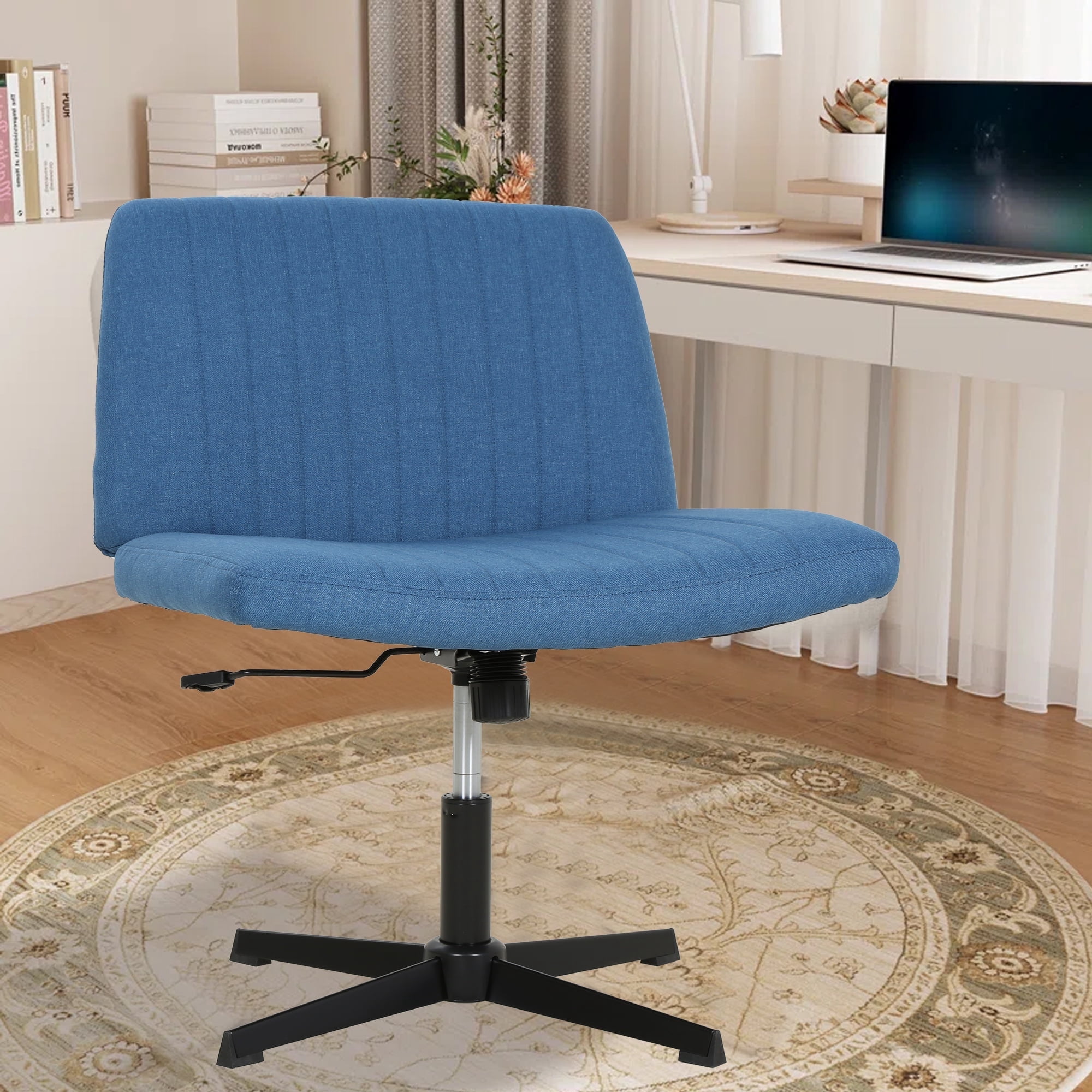
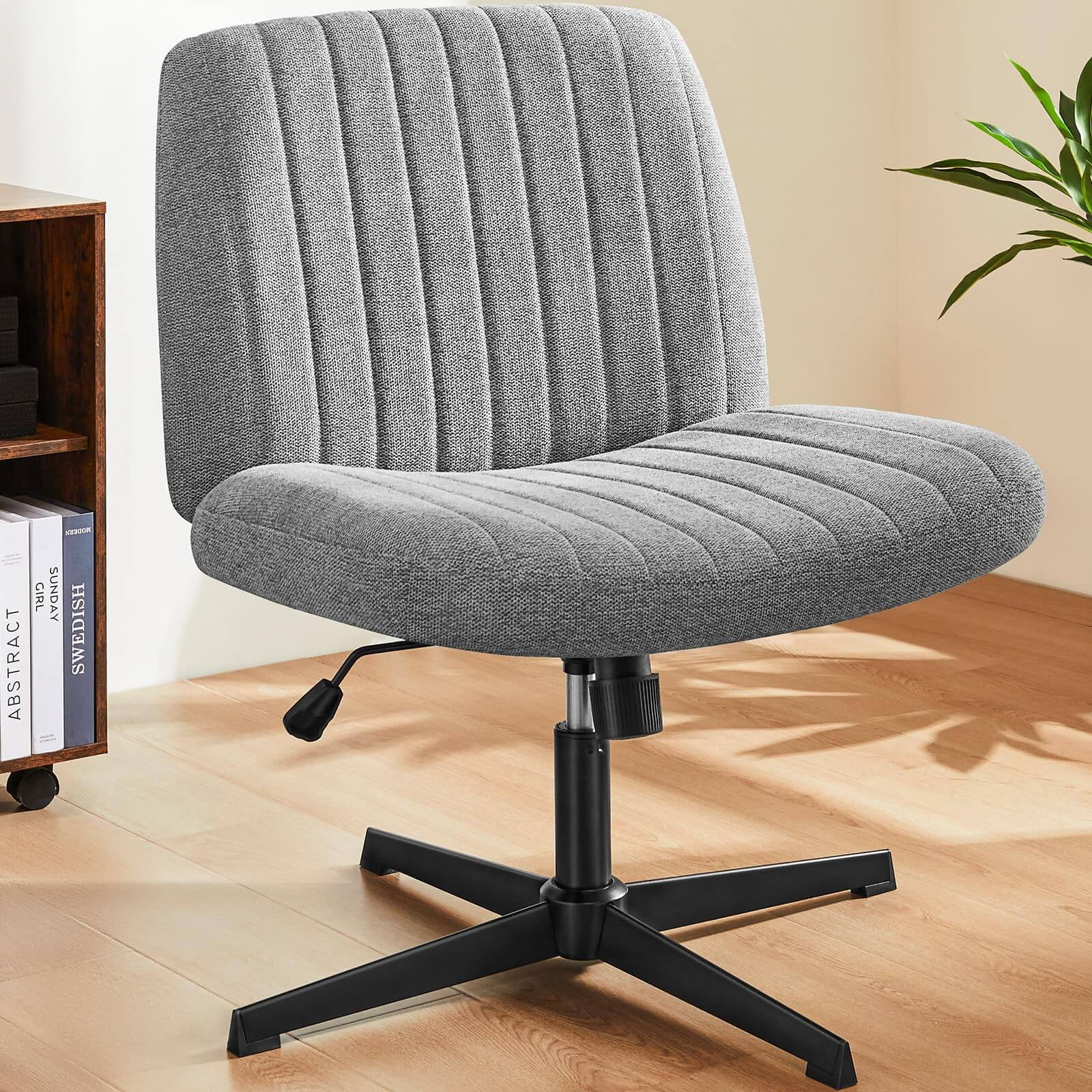
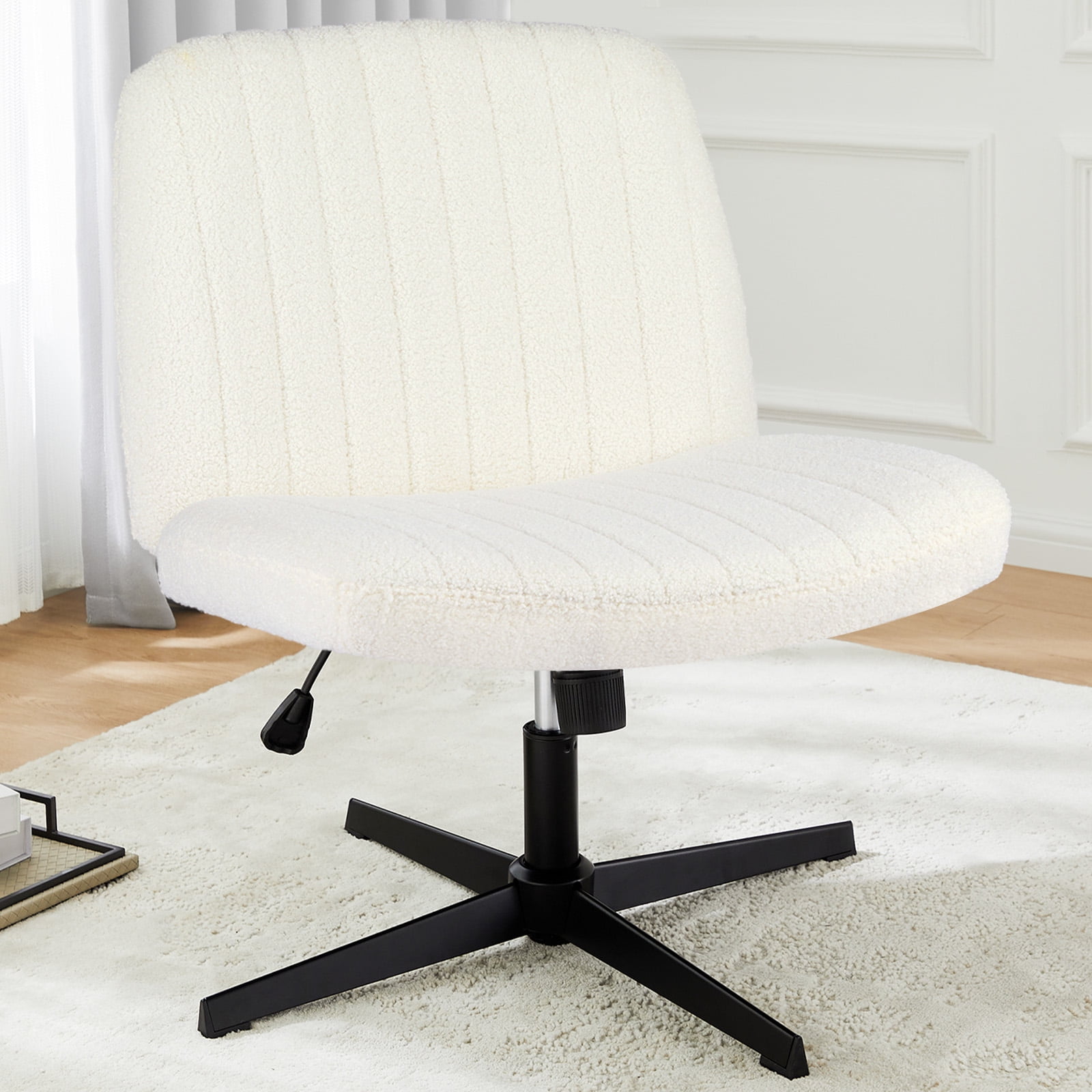
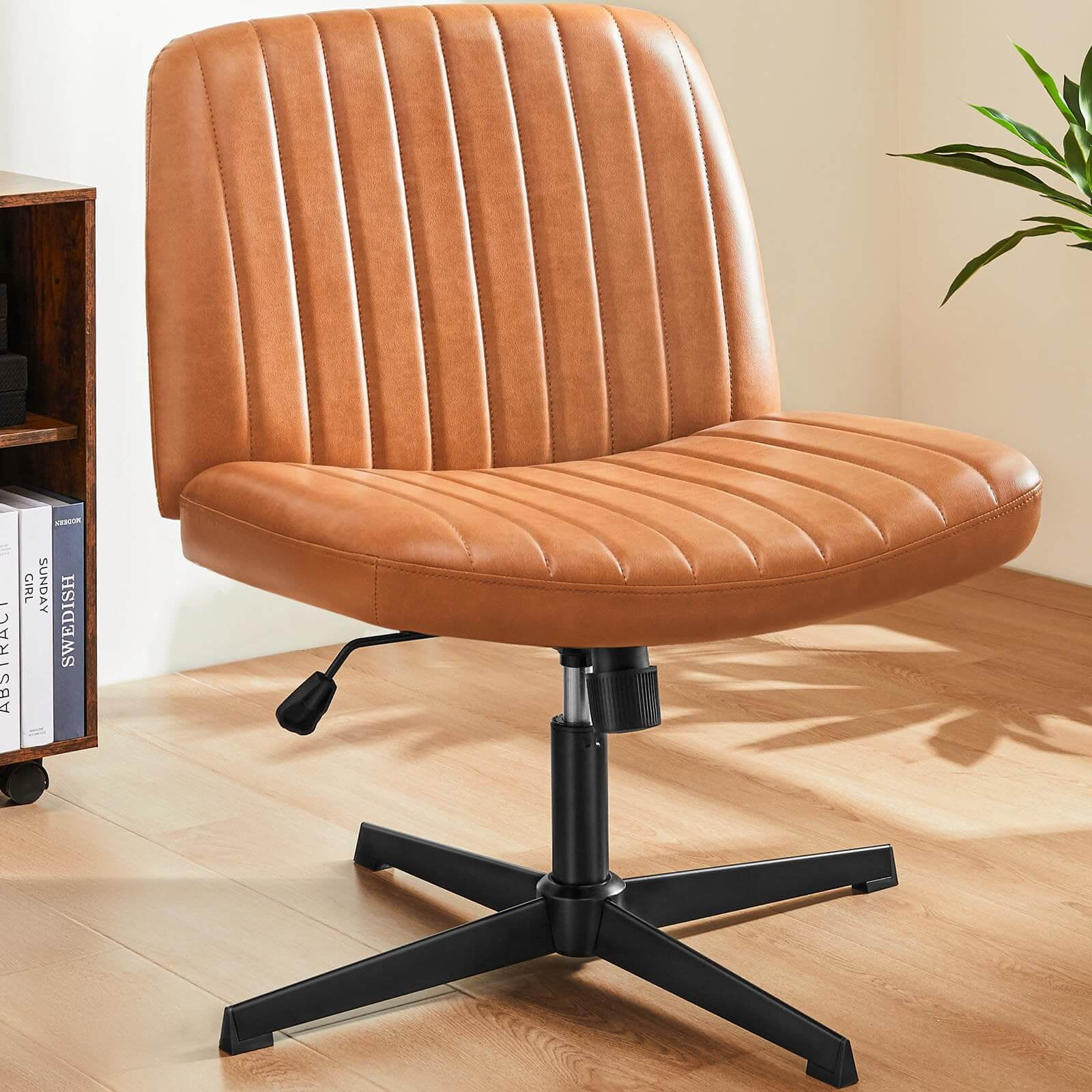
The Complete Guide to Comfortable Office Chairs Without Wheels
Imagine an office chair that stays precisely where you position it—no rolling away when you lean back, no scratched hardwood floors, and no constant micro-adjustments throughout your workday. That's the promise of a comfortable office chair without wheels. These specialized seating solutions combine ergonomic excellence with the stability and floor protection that many professionals need.
📊 The Stationary Advantage
According to recent workplace surveys, 43% of home office workers prefer stationary chairs to protect their flooring, while 37% report improved focus due to reduced chair movement. The stationary chair market has grown 28% annually since 2020.
Why Choose a Chair Without Wheels?
Selecting a stationary office chair isn't about sacrificing mobility—it's about making a strategic choice for your specific workspace needs. Here's why thousands of professionals are making the switch:
- Hardwood Floor Protection: Eliminate scratches, dents, and scuff marks that wheeled chairs inevitably cause over time
- Precise Positioning: Your chair stays exactly where you place it, maintaining optimal ergonomic alignment with your desk
- Enhanced Stability: Perfect for individuals with balance concerns or those who prefer a solid, non-moving base
- Carpet-Friendly Design: No more wrestling with casters that sink into plush carpets or refuse to roll smoothly
- Quieter Operation: Eliminate the rolling noise that can be distracting during video calls or in quiet office environments
- Professional Aesthetics: Many stationary chairs feature elegant, furniture-grade designs that complement traditional office decor
🪑 Floor Protection Facts
Hardwood floor refinishing costs average $3-8 per square foot. A single office chair with standard casters can create noticeable scratches within 3-6 months of use. Stationary chairs with felt glides or rubber feet eliminate this risk entirely, potentially saving thousands in floor maintenance.
Types of Stationary Office Chairs
Not all chairs without wheels are created equal. Understanding the different base designs helps you choose the right option for your specific needs:
Fixed Four-Leg Base
Traditional design inspired by dining chairs but optimized for office use. These offer maximum stability and classic aesthetics but typically don't swivel. Best for:
- Traditional office settings
- Guest and reception areas
- Short-duration seating
Swivel Pedestal Base
The most popular design—a five-point base with glides instead of casters. You get full 360-degree swivel capability without the rolling motion. Best for:
- Primary workstations
- Multi-monitor setups
- Tasks requiring rotation
Sled Base
A continuous metal frame that forms both the legs and back support. Sleek, modern, and incredibly durable. Best for:
- Contemporary offices
- Conference rooms
- High-traffic areas
Adjustable Glide Base
Five-point base with height-adjustable glides that can be leveled on uneven floors. Best for:
- Older homes with sloped floors
- Outdoor/patio offices
- Maximum comfort seekers
Critical Comfort Features for Stationary Chairs
Since you won't be rolling around, the comfort features of your stationary chair become even more critical. Here's what separates mediocre seating from truly comfortable office chairs without wheels:
| Comfort Feature | Why It Matters | What to Look For |
|---|---|---|
| Seat Cushion Density | Without movement, you'll be in the same position longer—cushion quality prevents pressure points | High-density foam (2.5-3.5 lb density), memory foam toppers, or gel-infused layers |
| Lumbar Support | Static seating requires exceptional back support to maintain posture | Adjustable lumbar systems, built-in curves, or removable support pillows |
| Seat Depth & Width | Proper thigh support prevents circulation issues during extended sitting | Waterfall front edge, 19-22" seat width, 17-20" seat depth options |
| Backrest Height | Determines how much upper body support you receive | Mid-back (lumbar only) or high-back (shoulder support) depending on preference |
| Armrest Design | Fixed arms require careful positioning; adjustable arms offer flexibility | Padded, adjustable-width arms or flip-up arms for desk clearance |
| Breathability | Without movement-induced airflow, breathable materials prevent heat buildup | Mesh backs, perforated leather, or moisture-wicking fabric upholstery |
Who Benefits Most from Stationary Office Chairs?
While anyone can enjoy the stability of a wheel-less chair, certain professionals and situations make stationary chairs the superior choice:
Protect expensive hardwood or laminate flooring while maintaining a professional workspace that stays neatly positioned
Architects, graphic designers, and artists who need precise, stable positioning relative to their work surface
Long-duration focus work where chair movement becomes an unnecessary distraction
Individuals who benefit from a stable base when sitting down or standing up from their chair
Gamers who prefer stationary positioning for precise control and reduced movement during intense gaming sessions
Traditional executive spaces where furniture-grade chairs with elegant fixed bases complement the decor
Floor Protection: A Detailed Comparison
One of the primary reasons professionals seek comfortable office chairs without wheels is floor protection. Here's how different base types interact with various flooring materials:
| Floor Type | Standard Casters | Rubber Casters | Felt Glides | Rubber Feet/Fixed Base |
|---|---|---|---|---|
| Hardwood | ⚠️ High scratch risk | ⚠️ Moderate scratch risk | ✅ Excellent protection | ✅✅ Best protection |
| Laminate | ⚠️ Moderate scratch risk | ✅ Good protection | ✅✅ Excellent protection | ✅✅ Best protection |
| Tile | ⚠️ Grout damage risk | ✅ Good protection | ✅ Excellent protection | ✅✅ Best protection |
| Carpet | ⚠️ Sinking/fiber damage | ⚠️ Moderate protection | ✅✅ Best protection | ✅ Excellent protection |
Converting Your Existing Chair: A Step-by-Step Guide
Already own a comfortable chair but want to remove the wheels? Converting a wheeled office chair to a stationary one is surprisingly simple. Follow this guide:
- Identify your caster stem type: Most office chairs use either 7/8" (standard) or 11/32" (metric) stems. Measure your current casters to ensure compatibility.
- Purchase replacement glides: Look for "caster replacement glides" or "stationary chair feet" in the correct stem size. Options include felt (for hardwood), rubber (for grip), or nylon (for durability).
- Remove existing casters: Grip the caster firmly and pull straight out. Some may require a twisting motion or gentle prying with a flat-head screwdriver.
- Install new glides: Push the replacement glides firmly into the caster sockets until they click or seat completely.
- Test stability: Ensure all five glides make full contact with the floor. Some glides feature height adjustment screws for leveling on uneven surfaces.
Pro Tip: Before purchasing replacement glides, check if your chair base accepts "locking casters." These casters have a mechanism that prevents rolling when engaged but can be unlocked if you ever need mobility. It's the best of both worlds.
Material Considerations for Stationary Chairs
The upholstery material of your stationary chair affects comfort, durability, and maintenance. Here's how popular materials perform in stationary applications:
Leather & Faux Leather
- Durability: Excellent (10+ years with care)
- Breathability: Poor - can get sticky in warm conditions
- Maintenance: Easy wipe-clean surface
- Best For: Executive offices, climate-controlled spaces
Premium Fabric
- Durability: Good (5-8 years)
- Breathability: Excellent - prevents heat buildup
- Maintenance: Vacuum regularly, spot clean
- Best For: All-day comfort, home offices
Mesh
- Durability: Good (7-10 years)
- Breathability: Superior - maximum airflow
- Maintenance: Low - dust with brush attachment
- Best For: Warm climates, active workers
Velvet & Plush
- Durability: Fair (3-5 years)
- Breathability: Moderate
- Maintenance: High - shows wear and stains
- Best For: Decorative/home offices, low-traffic use