
Introduction: The Heart of Your Home Office
Creating a productive home office isn't just about having a computer and a desk; it's about creating a harmonious ecosystem where you can thrive. At the very center of this ecosystem is your seating and workstation—the chair desk home office combination. Think of it like a high-performance vehicle: the chair is your seat, providing support and control, while the desk is the dashboard, placing all your instruments within easy reach. If either element is off, the entire ride becomes uncomfortable and inefficient.
Whether you're equipping a sprawling home study or a cozy corner in your living room, the synergy between your chair and desk dictates your posture, your energy levels, and ultimately, your productivity. A mismatched setup can lead to slouching, eye strain, and fatigue, while a well-coordinated one can keep you focused and pain-free for hours. In this guide, we'll explore everything you need to know to build the perfect chair desk home office arrangement, ensuring your workspace works for you, not against you.
Did you know? According to a study by the National Institutes of Health, individuals with an optimized ergonomic workstation report a 46% reduction in neck and shoulder pain and a 42% increase in productivity. The right chair and desk are not just furniture; they're an investment in your health and career.
Building Your Ergonomic Command Center: A Holistic Approach
Instead of looking at your chair and desk as separate purchases, view them as an integrated system. Here’s a deep dive into the key considerations for achieving the perfect balance.
1. The Geometry of Comfort: Matching Chair and Desk Dimensions
The most critical factor in your chair desk home office setup is the relationship between their heights. A standard desk is around 29 inches tall, but this is a one-size-fits-all solution that rarely fits all. Your chair must bridge the gap. When seated, your feet should be flat on the floor, knees at a 90-degree angle. Your elbows should also form a 90-degree angle when your hands are on the keyboard. This "neutral posture" minimizes strain.
- Chair Height Range: Look for a chair with a pneumatic adjustment range that allows your seat pan to sit 16 to 21 inches from the floor. This accommodates most desk heights and user statures.
- Desk Depth: A desk that's too shallow forces you to sit too close to your monitor; too deep, and you'll lean forward, losing back support. Aim for a depth of 24 to 30 inches to maintain a comfortable arm's reach and proper viewing distance.
- The Under-Desk Clearance: Ensure your chair's armrests can slide comfortably under the desk surface. Fixed armrests that are too high can prevent you from getting close enough to your desk, forcing you to lean forward.
2. Ergonomic Features That Make a Difference in a Home Office
For a home environment, where you might sit for extended periods without the distractions of a busy office, specific ergonomic features become even more crucial. It's about creating a personalized sanctuary of support.
Seat Depth Adjustment
Allows you to set the seat pan length so there's a 2-3 finger gap between the back of your knee and the seat. This prevents circulation issues.
4D Armrests
Armrests that adjust height, width, depth, and pivot angle ensure your arms are supported while typing, taking the load off your shoulders and neck.
Lumbar Support (Depth & Height)
Static back support isn't enough. Look for a lumbar system that you can move up and down and in and out to perfectly fit the curve of your spine.
Synchronous Tilt Mechanism
This allows the backrest and seat to tilt at a coordinated ratio, keeping you supported and your feet on the floor even when you recline, promoting dynamic sitting.
3. Space-Saving Strategies for Small Home Offices
Not everyone has the luxury of a dedicated, spacious home office. Your chair desk home office solution must be smart and compact. Here’s how to maximize a small footprint.
- Choose a chair with a smaller "footprint." Look for models with a compact base and a backrest that isn't overly wide. Chairs with a mesh back can feel less visually bulky.
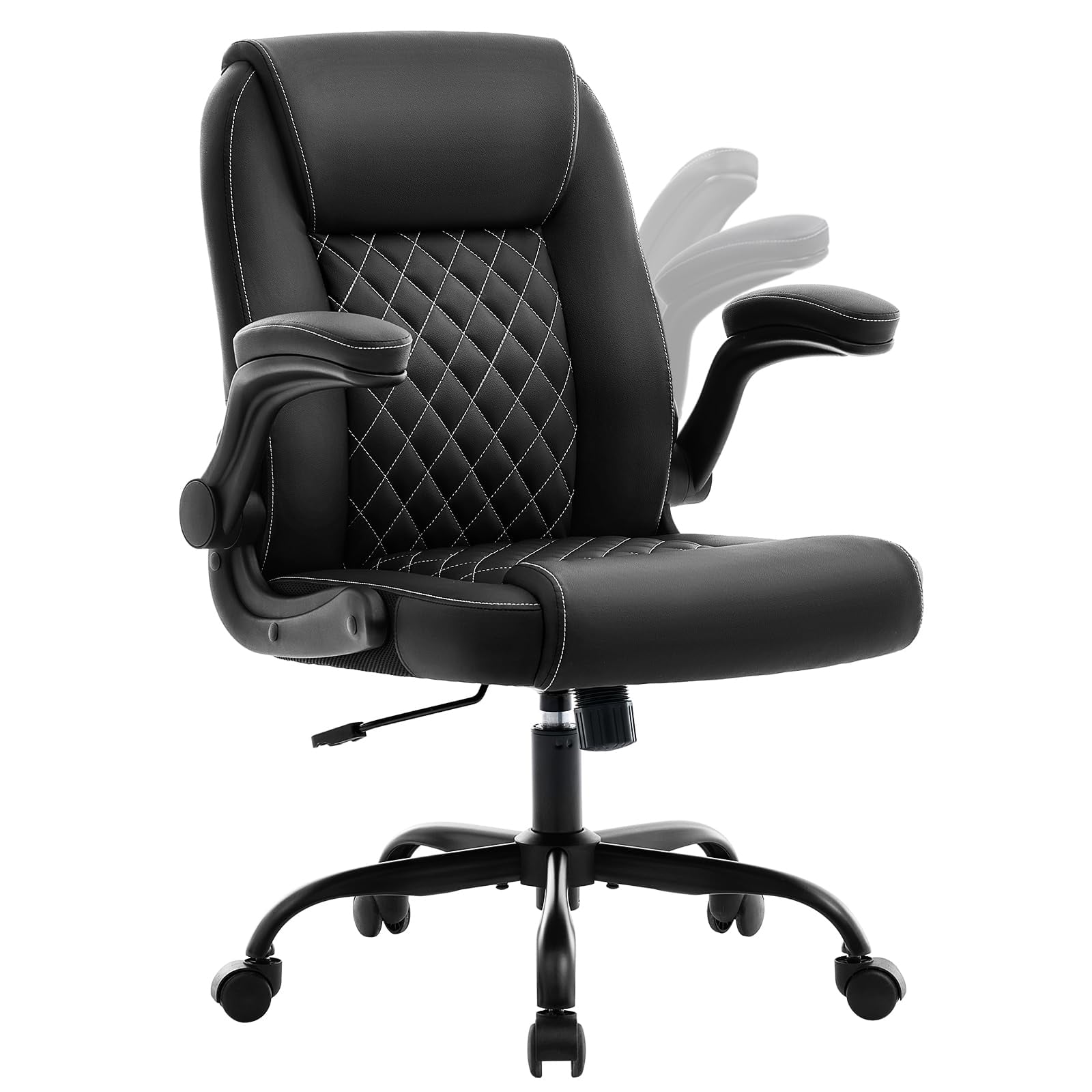
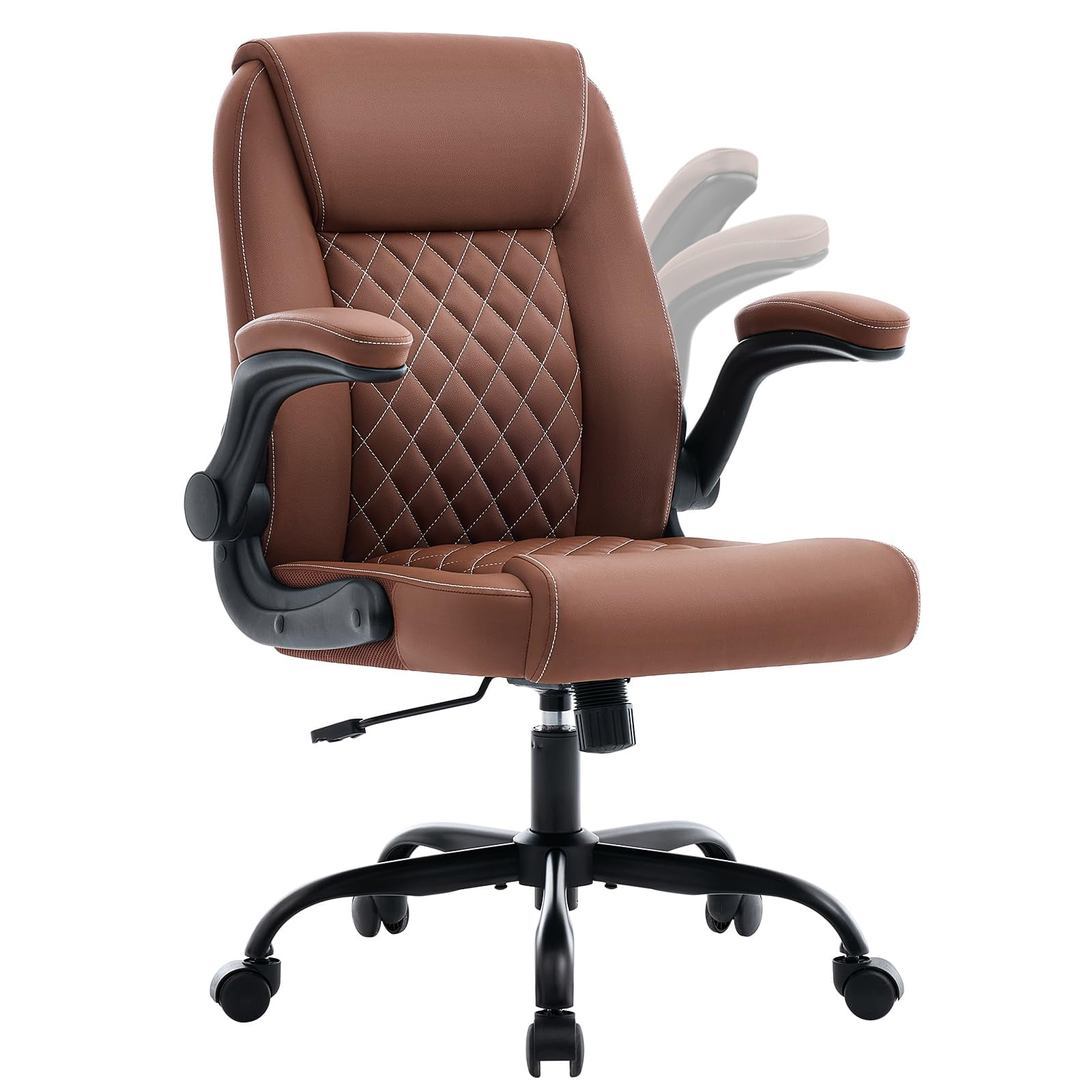
- Opt for flip-up or removable armrests. This allows you to tuck the chair completely under the desk when not in use, freeing up valuable floor space.
- Consider a corner desk. A corner desk can utilize dead space and often provides a larger work surface without taking up a whole wall. Pair it with a chair that has a good swivel range to easily access different areas of the desk.
- Use a floating desk. Wall-mounted desks eliminate the legs of a traditional desk, giving you more legroom and making the space feel larger and more open.
4. Material Matters: Aesthetics and Practicality for the Home
Unlike a corporate office, your home office likely blends with your living space. The material of your chair plays a dual role: functional comfort and interior design.
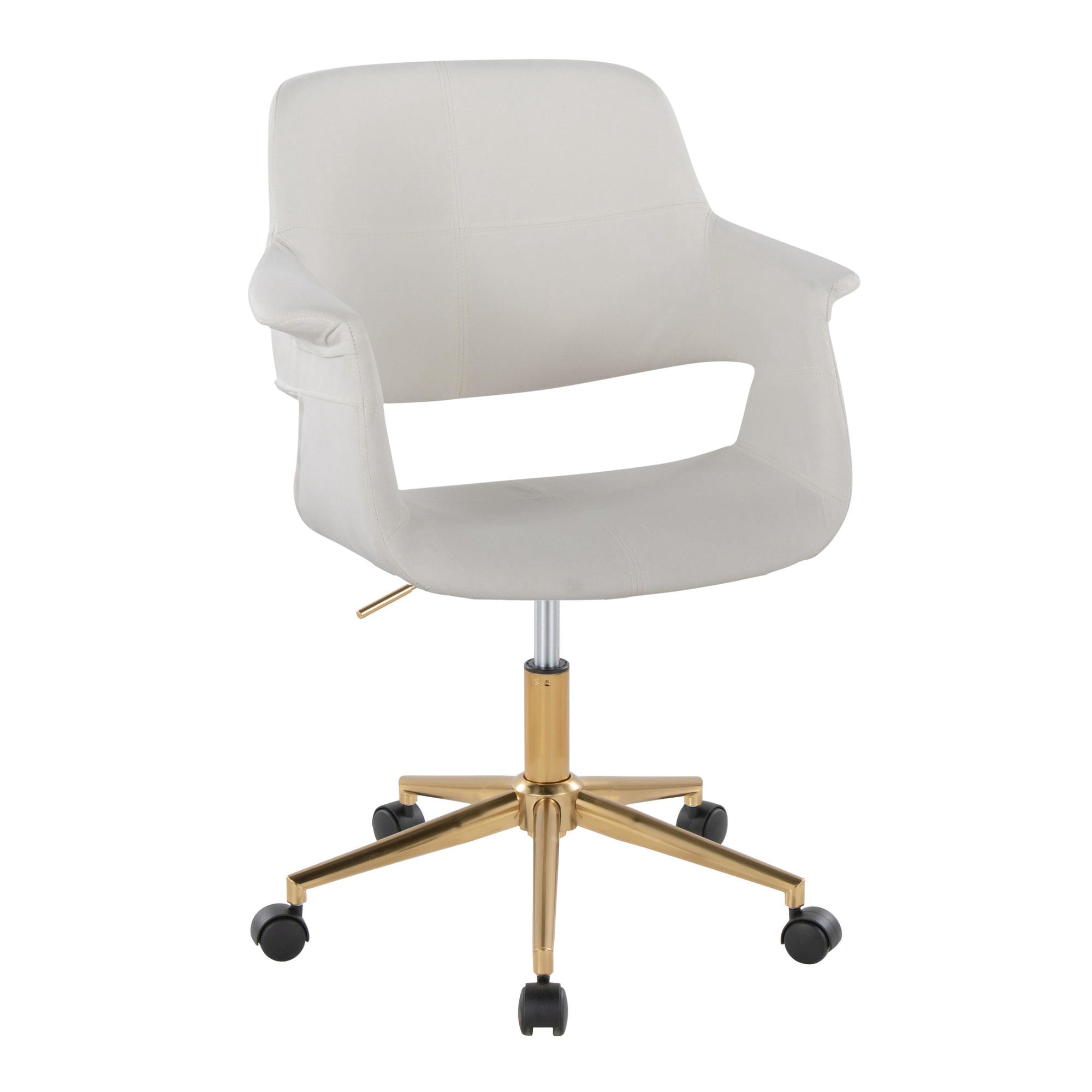
- Fabric Chairs: Ideal for home offices. They offer a vast array of colors and textures (like bouclé, linen, or velvet) to match your decor. They are warm and quiet but require more care to keep clean from dust and potential spills.
- Mesh Chairs: Perfect for those who tend to get warm while working. They are breathable, modern, and offer great support. They blend well in contemporary or minimalist home designs.
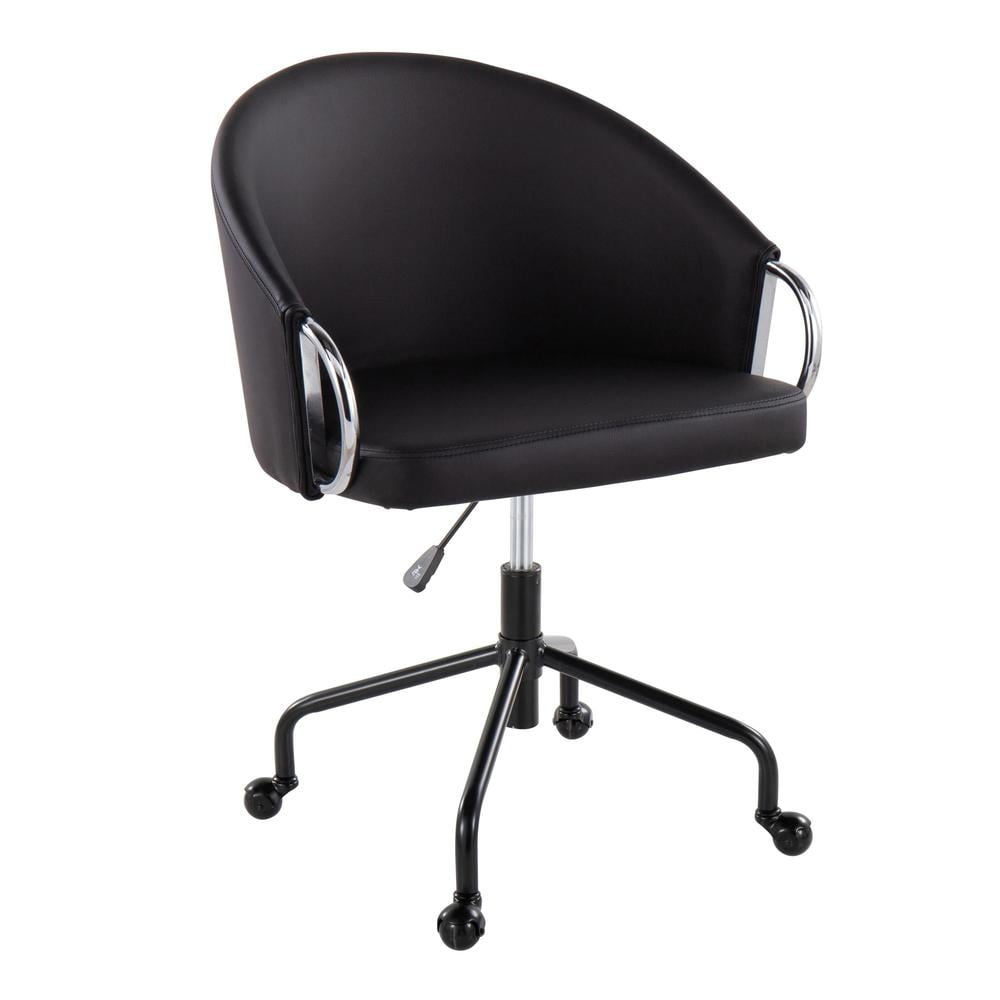
- Leather Chairs: A classic choice that adds a touch of luxury and sophistication. Easy to wipe clean, making them pet-friendly, but can be less breathable. Faux leather is a more affordable and vegan-friendly option.
5. The Hidden Cost of a Bad Setup: A Data-Driven Perspective
It's easy to underestimate the impact of a poor chair desk home office combination. It's not just about momentary discomfort; it has long-term consequences. A study by the American Posture Institute found that incorrect sitting postures, exacerbated by poorly matched furniture, are a leading contributor to repetitive strain injuries. Furthermore, the physical discomfort leads to "micro-breaks"—frequent, brief pauses where you shift, stretch, or stand to relieve pain. These micro-breaks, while natural, can fragment your focus. Research suggests it can take an average of 23 minutes to refocus on a task after an interruption, and physical discomfort acts as a constant, low-grade interruption, quietly eroding your deep work capabilities.