
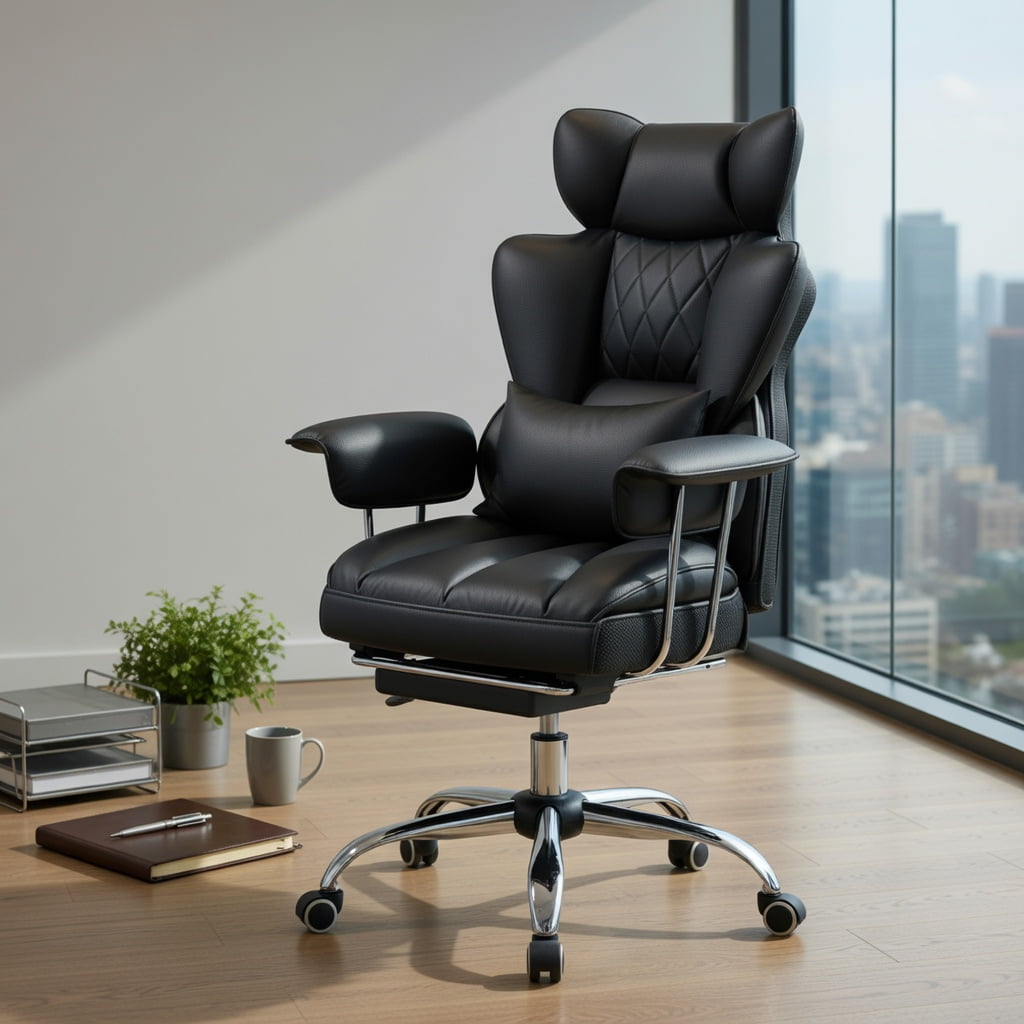
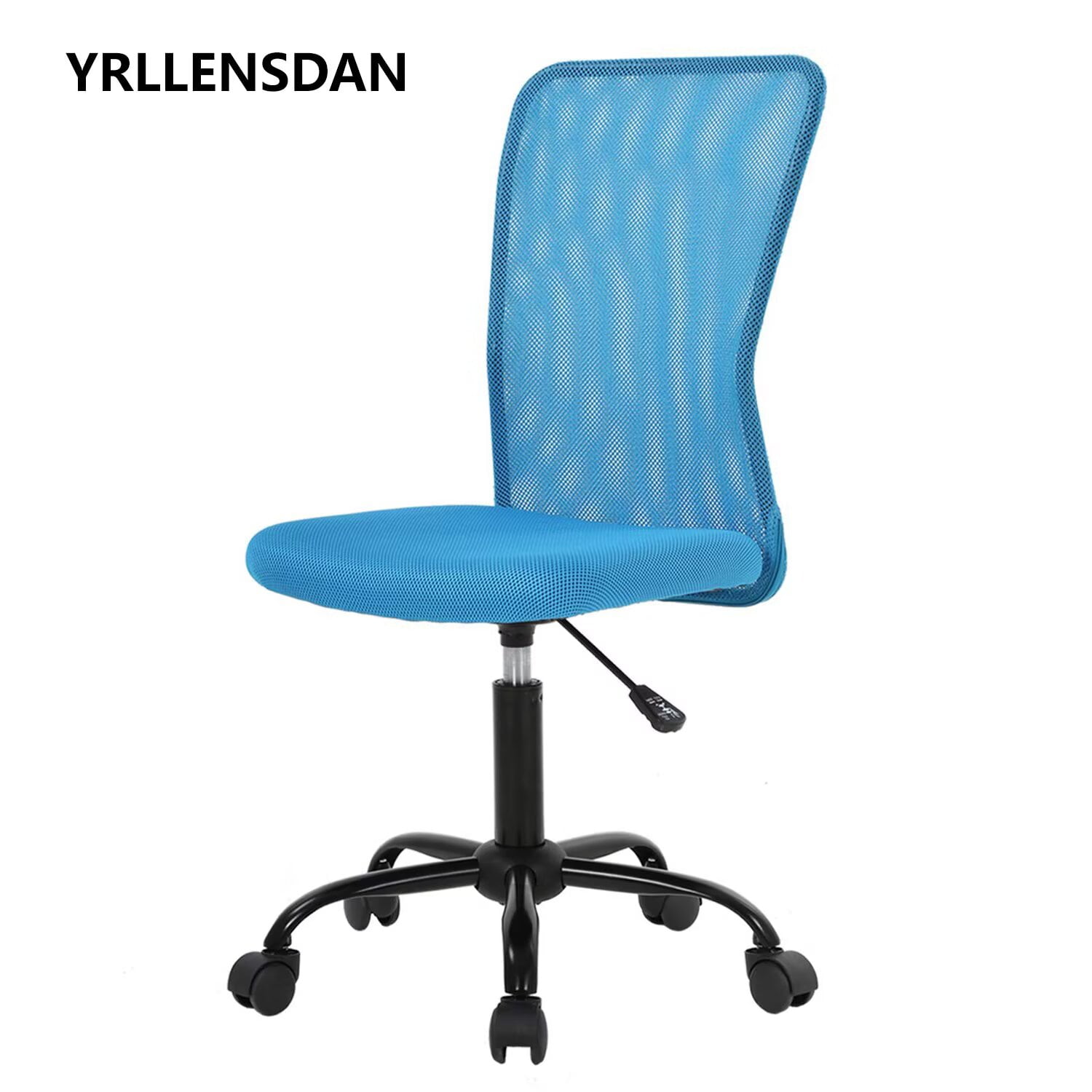
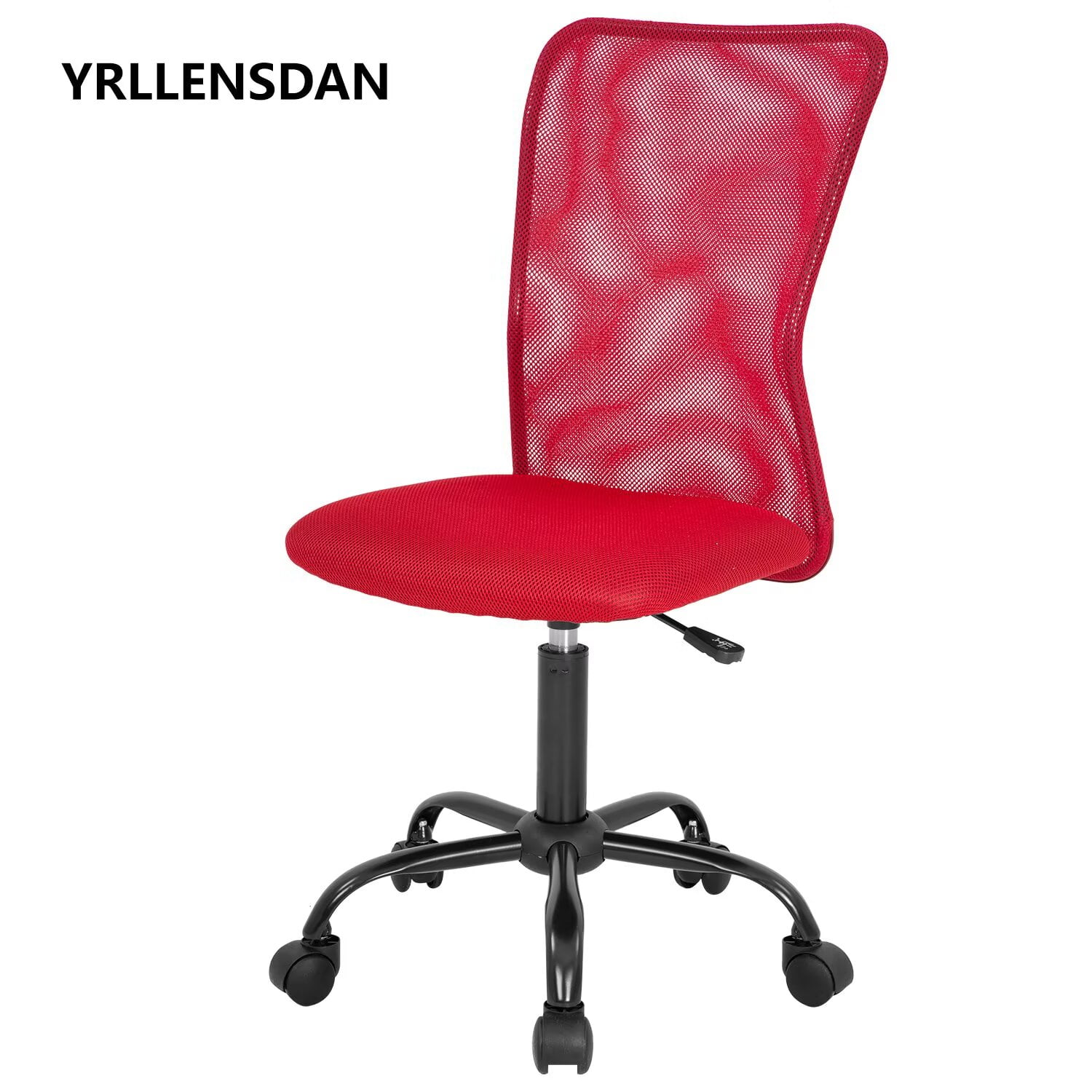
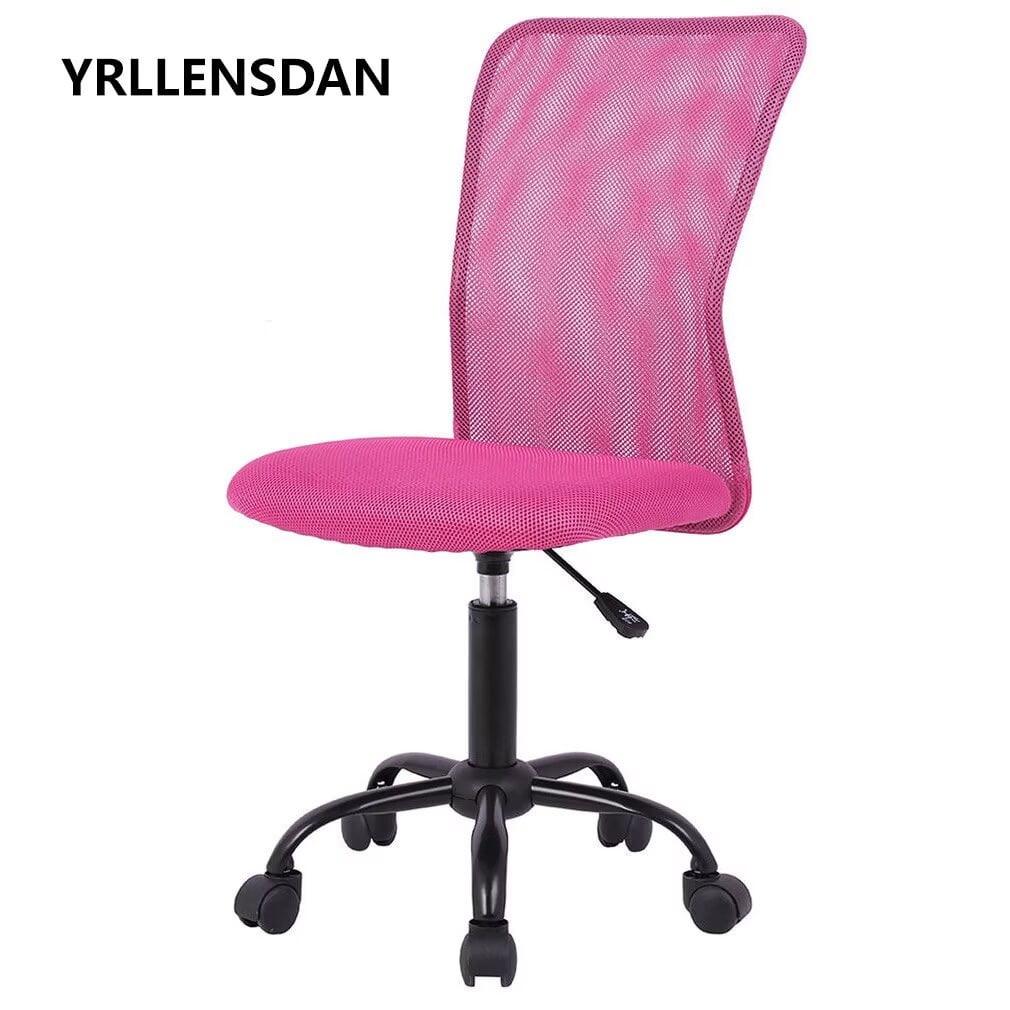
Why “Small” Doesn’t Mean “Less” – The Rise of Compact Ergonomic Chairs
Urban living, remote work, and the minimalist movement have made small desk and office chairs one of the fastest-growing categories in office furniture. A decade ago, if you had a tight corner for a desk, your chair options were limited to flimsy folding chairs or uncomfortable stools. Today, engineering and design have converged to create compact seating that supports your body as well as any full‑size executive chair. Whether you're working from a studio apartment, a shared workspace, or simply have a narrow desk, the right small chair can transform your productivity and physical comfort.
Did you know? According to the International Interior Design Association, 43% of home offices now occupy spaces originally intended for other purposes (like bedrooms or hallways). In these micro‑offices, every inch counts – and a chair that fits under the desk when not in use can reclaim up to 8 square feet of floor space.
The Challenge: Fit, Function, and Feel
Choosing a small desk and office chair is like solving a puzzle: you need a chair that slides under your desk, doesn’t bang against walls, supports your back for 6+ hours, and still looks professional. It’s a tall order, but manufacturers have responded with innovations like:
- Narrow backrests (under 18 inches wide) that fit between desk legs.
- Flip‑up armrests that convert the chair into an armless profile for storage.
- Shorter seat depths (16‑19 inches) to accommodate petite frames or to allow better leg clearance.
- Gas lifts with lower minimum height so the chair can tuck under a 28‑inch high desk.
Anatomy of a Perfect Small Desk Chair
Let’s dissect the essential components. Unlike the executive chairs discussed elsewhere, compact chairs prioritize proportional engineering. Every part must be scaled without sacrificing strength.
1. Seat Dimensions: The Goldilocks Zone
A seat that’s too wide won’t fit; too narrow and you’ll feel cramped. The sweet spot for most small chairs is:
- Seat width: 18.5 – 20 inches (standard office chairs are 21‑22 inches).
- Seat depth: 16 – 18 inches (look for depth adjustment if you’re taller than 5’8”).
- Backrest height: 18 – 21 inches (low‑back or mid‑back styles keep visual weight low).
A good analogy: choosing a small desk chair is like buying a tailored suit – it should fit your body’s measurements, not just the room’s dimensions.
2. Armrest Strategies: Fixed, Flip‑up, or None?
Armrests can be the biggest obstacle when pushing a chair under a desk. Here’s how to decide:
- Flip‑up arms: Best of both worlds. You get arm support while working, then flip them up to slide the chair away. Ideal for shared surfaces or shallow desks.
- Fixed but narrow arms: If the distance between your desk legs is at least 22 inches, fixed arms with a slim profile (less than 2 inches wide) can work.
- Armless: Maximum flexibility. Great for corner desks or when you need to swivel side‑to‑side frequently. Some people miss arm support during long typing sessions – consider adding a separate gel arm pad on the desk.
According to a 2023 survey by the Home Office Institute, 68% of users in spaces under 80 square feet prefer flip‑up or armless designs.
3. Base and Casters: Stability in a Small Footprint
A compact chair often has a smaller five‑star base (usually 23‑24 inches diameter vs. 26‑28 inches on standard chairs). This is fine for stability as long as the chair is rated for your weight. Look for:
- Nylon or reinforced plastic bases – they’re lighter and less likely to dent walls.
- Dual‑wheel casters for smooth rolling on carpet or hardwood. Some compact chairs offer locking casters to prevent rolling if you’re on a slight slope.
- Soft rubber casters for hardwood floors – they protect the floor and reduce noise.
4. Adjustability: Non‑Negotiable Features
Even a small chair must adapt to your body. The minimum adjustments to look for:
| Adjustment | Why It Matters for Small Spaces |
|---|---|
| Seat height | Must go low enough (16‑17 inches) so your feet rest flat and the armrests (if any) slide under the desk. |
| Tilt tension / lock | Allows you to recline slightly without bumping into furniture behind you. A locking mechanism keeps you upright. |
| Back angle | Some compact chairs offer a synchro‑tilt feature – the seat and back move together, saving space behind you. |
Health and Posture: Why Compact Chairs Can Be Ergonomic
There’s a myth that small chairs are inherently less supportive. In reality, many compact models now include built-in lumbar support, contoured foam, and even breathable mesh backs. The key is to match the chair to your body type.
Space‑Saving Strategies: Beyond the Chair
Pairing your small desk and office chair with smart accessories amplifies the benefit:
- Under‑desk keyboard trays – allow you to lower the chair and maintain ergonomic wrist position.
- Wall‑mountable monitor arms – free up desk surface and let you push the chair closer.
- Chair mats – slimline mats (2mm thick) protect floors and make rolling easier without raising chair height.
Data Snapshot: Small Chair Market Trends
According to industry data from the Business + Institutional Furniture Manufacturers Association (BIFMA), shipments of “small‑scale task chairs” grew 22% year‑over‑year in 2024, triple the rate of standard office chairs. The average price point for a quality compact ergonomic chair now hovers around $280‑$450, with features once reserved for $800+ chairs.
Frequently Asked Questions About Small Desk and Office Chairs
Conclusion: Small Chair, Big Impact
Selecting the right small desk and office chair is an investment in your daily comfort and the functionality of your workspace. By focusing on proper dimensions, necessary adjustments, and build quality, you can create a setup that feels spacious even in the coziest corner. Remember to test the chair’s minimum height, check the warranty (at least 5 years on mechanism), and read user reviews from others with similar space constraints. With the options available today, a compact footprint no longer means compromising on support or style.