
Why “Portable” Doesn’t Mean “Compromised”
Imagine your office chair could follow you from desk to couch, from home to co-working space, or fold away when you need room for yoga. That’s the promise of a portable office chair. In the past, “portable” often meant flimsy and uncomfortable — but today’s designs blend smart engineering with ergonomic principles. According to a 2023 workspace flexibility report, 67% of hybrid workers value furniture that can adapt to different spaces. A portable chair is no longer a compromise; it’s an upgrade in freedom.
This guide dives deep into what makes a great portable office chair: from foldable frames and lightweight materials to rolling casters that protect your floors. Whether you’re a digital nomad, a home worker with limited square footage, or someone who simply hates being tied to one spot, you’ll find actionable advice here.
Anatomy of a Portable Office Chair: What to Look For
Unlike stationary executive thrones, portable chairs are designed with mobility as a core feature. Let’s break down the essential components using a “three‑layer” approach: structure, mobility, and ergonomics.
1. Frame & Materials: The Backbone of Portability
The best portable chairs use aircraft‑grade aluminum or reinforced polymer frames to keep weight under 15 lbs while supporting up to 300 lbs. Think of it like a high‑end travel luggage — strong yet light. Steel is durable but heavier; if you need a chair that you’ll carry daily, opt for aluminum.
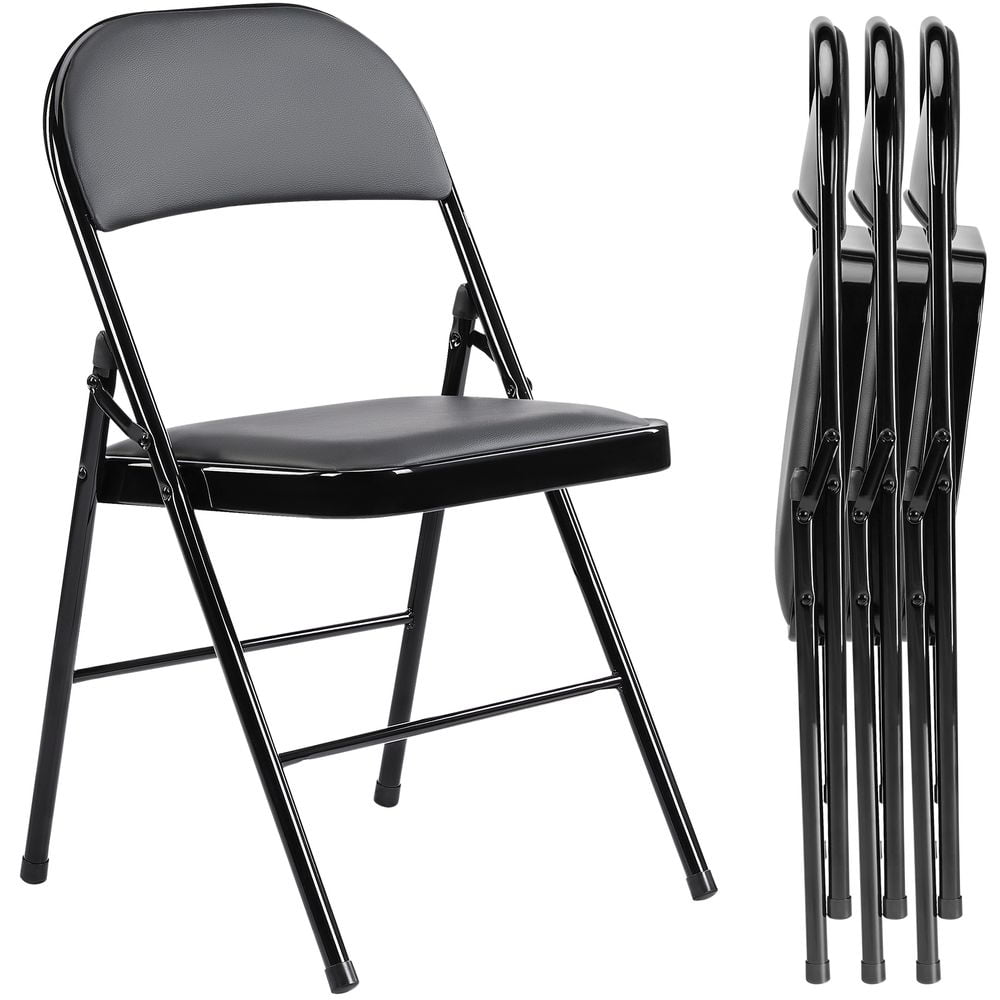
- Folding mechanism: Look for a secure locking system (tested to 10,000+ folds) and compact folded dimensions (e.g., 5" thick).
- Upholstery: Breathable mesh for airflow (great for long meetings) or easy‑clean polyester for home use. Avoid thick leather in portable chairs — it adds weight and reduces flexibility.
- Weight range: Ultra‑light models (under 10 lbs) are ideal for commuting; mid‑weight (10‑18 lbs) offer more padding and features.
2. Mobility: Rolling, Gliding, Carrying
Mobility isn’t just about wheels — it’s about how the chair moves with you. Here’s a quick comparison of wheel types commonly found on portable office chairs:
| Wheel Type | Best For | Floor Protection |
|---|---|---|
| Dual‑wheel casters (soft rubber) | Carpet & hard floors | Excellent — no scratches |
| Single‑wheel hard plastic | Low‑pile carpet only | Can mark hardwood |
| Locking casters | Stability on slopes or RVs | Varies (check material) |
Many portable chairs now include 360° swivel and brake options. If you plan to use the chair on different surfaces (rug, tile, wood), choose universal soft rubber casters. Some models even come with removable wheels for true “carry‑on” versatility.
3. Ergonomic Adaptations for Shorter Sitting Sessions
Portable chairs often serve for 2‑4 hour stretches — ideal for focused work or meetings. Key ergonomic features to seek:
- Contoured seat cushion: High‑density foam (at least 2" thick) prevents pressure points.
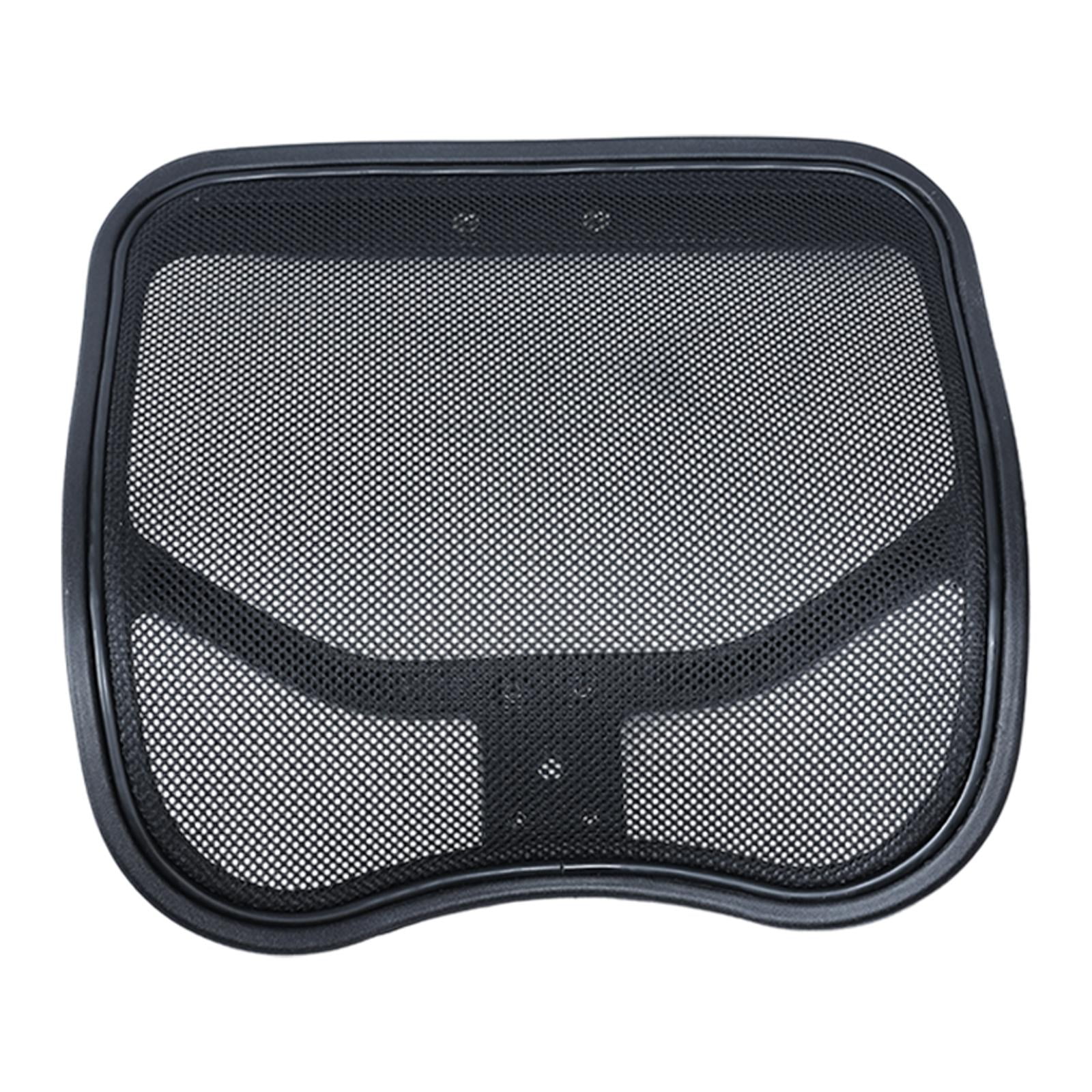
- Backrest shape: A slight S‑curve supports the lumbar region; mesh backs add breathability.
- Height adjustability: Pneumatic lift with a range of at least 4" to fit standard desks (28‑30").
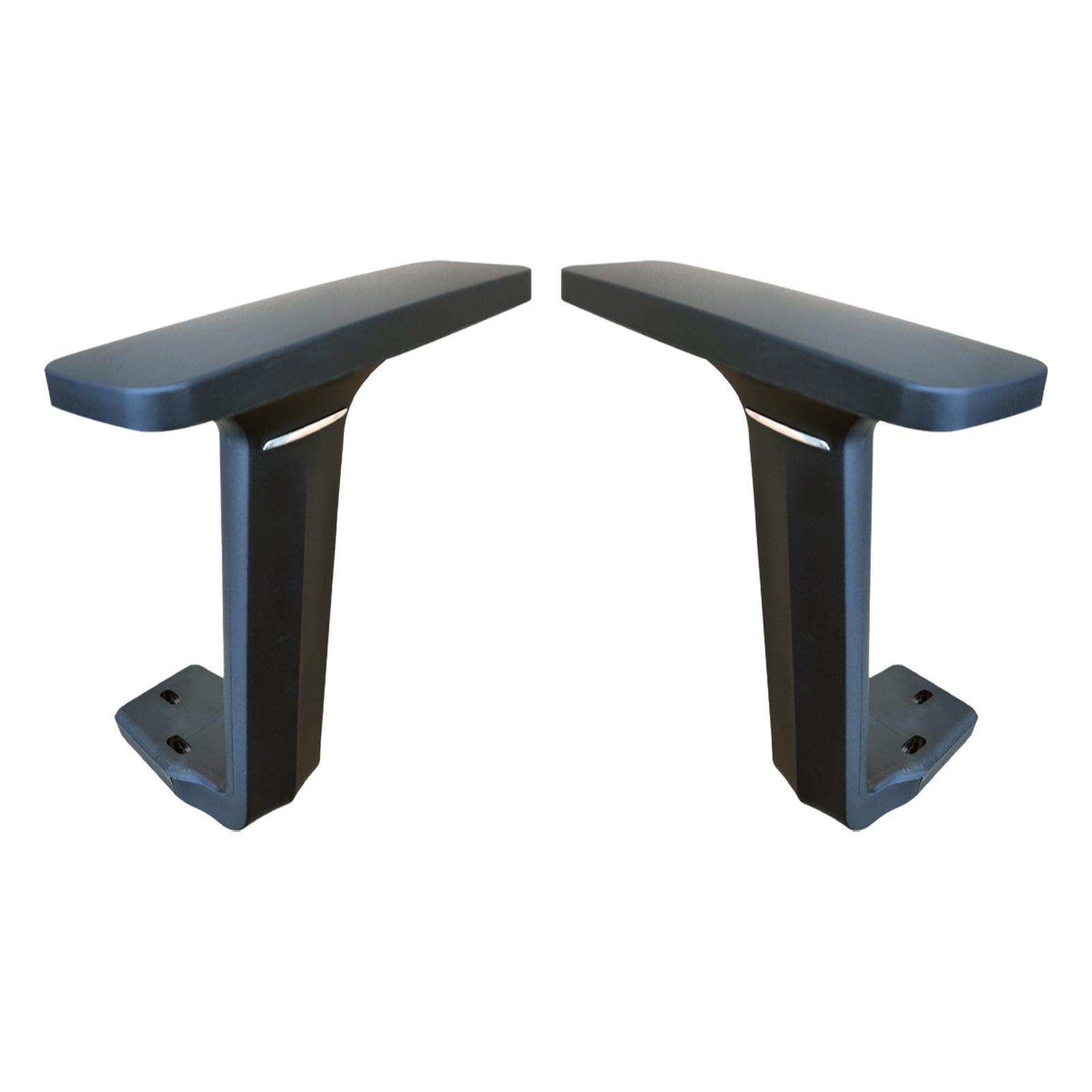
- Armrests: Foldable or fixed? Foldable armrests make the chair more compact, but fixed ones offer consistent support.
Data point: A study by the Furniture Ergonomics Society found that users of well‑designed portable chairs reported 32% less lower back fatigue compared to generic stacking chairs, thanks to improved lumbar contours and seat padding.
Popular Portable Chair Categories
Fold flat to ~5", easy to store, many with carry handles.
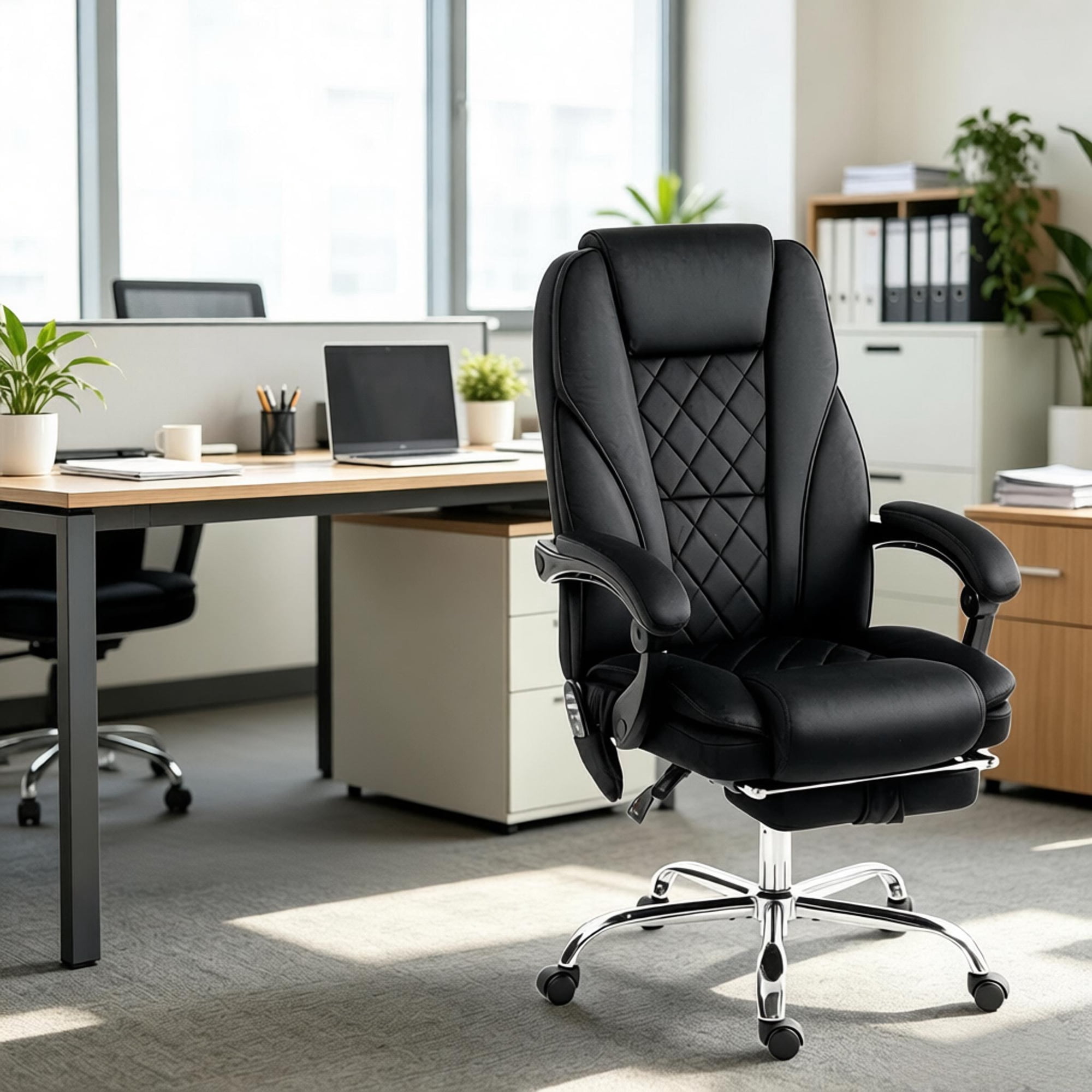
Small footprint, 5‑point base, ideal for tight home offices.
Lightweight, stackable, often with padded seats.
Under 10 lbs, backpack‑friendly, minimalist design.
How to Choose Your Ideal Portable Office Chair
Step 1: Define Your “Portability” Needs
Will you carry it daily to a co‑working space? Or just move it from bedroom to living room? Daily carriers need sub‑12 lbs and a shoulder strap. Occasional movers can prioritize comfort over ultra‑light weight.
Step 2: Measure Your Storage & Desk Space
Fold your ideal chair dimensions: folded depth (how far from wall), seat height range, and width. For small apartments, a chair that fits under a desk or in a closet is gold.
Step 3: Match Ergonomic Features to Your Work Style
If you do video calls, a chair with a mesh back looks professional and keeps you cool. If you tend to lean forward, look for adjustable tilt tension — even portable chairs now offer this.
Step 4: Read Real‑User Feedback on Stability
Check reviews for “wobble,” “caster smoothness,” and “ease of folding.” A chair might look great online but feel tippy on your specific floor type.
Quick Feature Comparison: Popular Portable Styles
| Style | Typical Weight | Ergonomic Highlights | Ideal User |
|---|---|---|---|
| Foldable Mesh Back | 12‑16 lbs | Lumbar support, breathable, padded seat | Home office / hybrid |
| Compact Rolling (5‑star base) | 18‑22 lbs | Adjustable height, tilt, armrests | Daily desk worker |
| Ultra‑light Travel Chair | 6‑9 lbs | Basic lumbar curve, carry bag | Digital nomad / student |
| Folding Wooden/Guest Chair | 10‑14 lbs | Minimal padding, stackable | Meeting rooms, dining‑office combo |
Material Matters: Fabric, Mesh, or Faux Leather?
For portable chairs, material choice directly affects weight and durability.
- Mesh: Lightweight, breathable, professional. Best for warmer climates or long hours. Typically adds 1‑2 lbs less than padded fabric.
- Polyester fabric: Soft, available in colors, easy to clean. Slightly heavier but offers a cozy feel.
- Faux leather / PU: Looks sleek, wipes clean, but can be warmer and less breathable. Often used in folding guest chairs.
Pro tip: If you choose mesh, ensure the mesh tension is firm — overly loose mesh sags and loses lumbar support.
Frequently Asked Questions About Portable Office Chairs
Final Take: Freedom to Work, Anywhere
A portable office chair isn’t just a piece of furniture — it’s an enabler of flexible work. Whether you’re optimizing a tiny apartment, setting up a guest workspace, or building a kit for remote locations, the right portable chair keeps you comfortable without anchoring you down. Remember to balance weight, ergonomics, and wheel type. And always test the fold/unfold mechanism: it should feel smooth, not like a wrestling match. With the options available today, you can truly take your comfort with you.