
Why Your Workspace Needs the Right Office Rug for a Rolling Chair
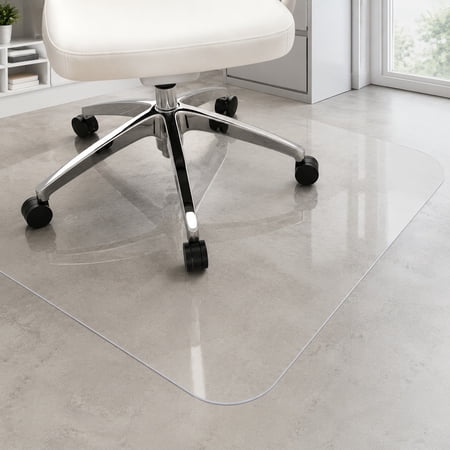
Imagine this: you're in the zone, focused on a critical report, and every time you shift in your chair, the wheels either stick, slide awkwardly, or grind against the floor. This micro-friction isn't just annoying; it's a drain on your focus and a potential threat to your flooring. A thoughtfully chosen office rug for rolling chair setups is the unsung hero of a productive and professional home office.
Ergonomic Insight: A stable chair base is crucial for maintaining good posture. If your chair wobbles or resists movement due to a poor floor surface, your core muscles are constantly micro-adjusting, leading to fatigue. A 2023 study on workplace dynamics found that a stable and comfortable chair base can reduce physical discomfort by up to 30% over an 8-hour workday.
Beyond Aesthetics: The Functional Role of an Office Rug
While a rug certainly adds a layer of style and warmth to your office, its role is far more practical when you have a rolling chair. Here’s what a quality rug brings to the table:
- Floor Protection: It acts as a shield. Hardwood floors are susceptible to scratches from dirt trapped in casters, while carpet fibers can mat down and wear out prematurely. A rug takes the brunt of the daily wear and tear.
- Enhanced Mobility: A smooth, low-profile rug provides a consistent surface for chair casters to glide over, making it effortless to move from your keyboard to a meeting or file cabinet.
- Noise Reduction: Rugs absorb sound. They dampen the rumble of rolling wheels and the general echo in a room, creating a quieter, more focused environment—especially important for video calls.
- Defining Your Space: In an open-plan room or a multi-purpose home office, a rug visually anchors your work zone, creating a clear boundary between your professional and personal life.
Key Features of a High-Performance Office Rug for Rolling Chairs
Selecting a rug for an office is different from choosing one for a living room. The interaction with your chair's casters is the primary factor. Keep an eye out for these critical specifications:
| Feature | Why It Matters for Rolling Chairs | What to Look For |
|---|---|---|
| Pile Height | High pile (shag) creates too much friction, making it difficult to roll and potentially tangling in caster wheels. | Low pile (under 1/2 inch) or flatweave. Berber, sisal-look, and commercial-grade carpets are excellent choices. |
| Weave/Density | A tight, dense weave prevents the chair wheels from sinking in and provides a stable, hard-wearing surface. | Flatweave (dhurrie, kilim), tightly looped berber, or low-profile tufted rugs with high stitch density. |
| Material Durability | The material must withstand constant abrasion from wheels without fraying, pilling, or flattening. | Polypropylene, nylon, or wool blends. These are naturally resilient and easy to clean. |
| Backing & Grip | Safety and stability are paramount. A rug that slides under your chair is a hazard and frustrating to use. | Natural latex backing or a separate, high-quality rug pad designed for hard floors or carpet. |
| Stain Resistance | Offices are prone to spills—coffee, water, ink. A stain-resistant rug will look professional for years. | Materials like polypropylene are solution-dyed and inherently stain-resistant. Look for rugs with a stain-resistant treatment. |
The Hidden Health and Productivity Benefits
Investing in the correct office rug goes beyond protecting your floors. It contributes to a healthier and more efficient workday in ways you might not expect:
Reduced Physical Strain
Smooth rolling means less effort to move, reducing strain on your legs and lower back.
Improved Indoor Air Quality
Rugs trap dust and allergens, keeping them out of your breathing zone until they are vacuumed.
Enhanced Acoustic Comfort
By dampening sound, a rug can make your voice sound clearer on calls and reduce distractions.
Thermal Insulation
Rugs add a layer of warmth to cold floors, making your office comfortable year-round.