

The Timeless Appeal of a Real Leather Office Chair With Wheels
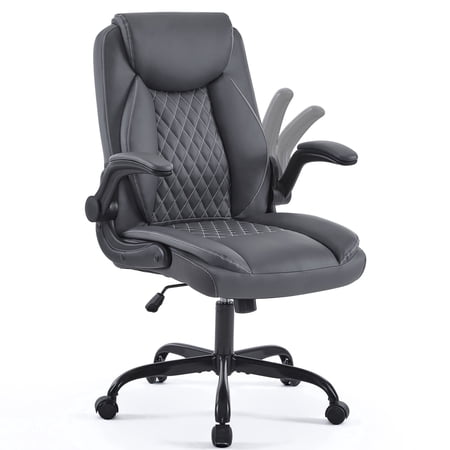
Imagine sinking into a chair after a long day, the surface cool and supple beneath you—this is the daily experience offered by a real leather office chair with wheels. It is more than just a place to sit; it is a statement of professionalism, a commitment to quality, and an investment in your daily well-being. Unlike its synthetic counterparts, genuine leather breathes, conforms to your body over time, and exudes a classic elegance that mesh or fabric simply cannot replicate. In the world of office seating, a real leather chair on durable casters represents the perfect marriage of form and function.
But with so many options claiming to be "leather," how do you distinguish the genuine article from bonded or faux leather? More importantly, how do you choose a chair that not only looks prestigious but also supports your body through hours of work? This guide is designed to walk you through everything you need to know, ensuring your next office chair is a purchase you'll appreciate for years to come. We'll explore the nuances of leather grades, the importance of a robust wheelbase, and the ergonomic features that transform a beautiful chair into a healthy one.
Decoding 'Real Leather': A Guide to Grades and Quality
The term "real leather" is an umbrella. To make an informed choice, you need to understand the different grades, as they drastically affect durability, feel, and price.
Full-Grain vs. Top-Grain: The Pinnacle of Quality
When investing in a real leather office chair with wheels, you'll likely encounter these two terms. Think of leather like a high-quality wood. Full-grain is akin to solid wood—it retains the natural surface with all its unique markings, making each chair one-of-a-kind. It is the strongest and most durable form of leather, developing a beautiful patina over years of use. Top-grain leather is the second-highest grade; the surface is sanded and finished to remove imperfections, resulting in a more uniform and stain-resistant surface, though it sacrifices some of the natural strength and breathability of full-grain.
Bonded Leather: A Word of Caution
You might see chairs labeled as "leather" at surprisingly low prices. These are often made of bonded leather—a material created from leather scraps and fibers bonded together with polyurethane or latex. While it contains some real leather, it lacks the durability and breathability of genuine top-grain or full-grain leather. It is prone to peeling and cracking within a few years. For a true investment, prioritize chairs specifying top-grain or full-grain leather on the seating surfaces.
Key Insight: A genuine top-grain leather office chair can last 10-15 years or more with proper care, while a bonded leather chair might show significant wear in just 2-3 years. Always check the product specifications for the exact leather type.
Beyond the Hide: The Importance of a Robust Wheelbase
A real leather office chair with wheels is only as good as its ability to move smoothly and safely. The wheels (casters) and the five-point base are critical for mobility, stability, and protecting your floors.
Matching Casters to Your Floor Type
- Hardwood, Tile, or Laminate: Using standard hard plastic casters on these surfaces is like dragging sandpaper across them. You need soft rubber or polyurethane casters (often called "rollerblade" style). They provide a smooth, quiet glide and prevent unsightly scratches and dents.
- Carpet: Standard hard nylon casters are designed for carpet. They roll easily over the fibers without sinking in. For plush or thick carpets, look for casters with a larger surface area to prevent the chair from feeling "stuck."
- Mixed Floors: If your workspace transitions from a rug to a hard floor, opt for high-quality dual-wheel casters made of soft polyurethane. They offer the best of both worlds: smooth rolling on carpet and floor protection on hard surfaces.
Stability: The Five-Point Base
Almost all modern office chairs use a five-point base, and for a good reason—it's the most stable design, virtually eliminating the risk of tipping over. For a real leather chair, which often carries a premium feel and weight, the base material matters:
- Nylon/Plastic Bases: Common in mid-range chairs. They are lightweight and durable but may not offer the same visual or tactile luxury as metal.
- Polished Aluminum or Chrome Bases: These are the hallmark of a high-end executive chair. They provide exceptional stability, a heavy-duty feel, and a stunning visual contrast to the rich leather, enhancing the chair's overall prestige.
Ergonomics: Marrying Luxury with Long-Term Health
A beautiful chair that causes back pain is a poor investment. A premium real leather office chair with wheels should seamlessly integrate ergonomic features without compromising its aesthetic.
Critical Ergonomic Adjustments
• Adjustable Lumbar Support: This is non-negotiable. Your lower back has a natural inward curve, and prolonged sitting can flatten it, leading to pain. Look for chairs with a lumbar mechanism that you can adjust for both height and depth. It acts as a cushion, maintaining that healthy curve.
• Seat Depth Adjustment: Also known as a "sliding seat," this feature allows you to adjust the length of the seat pan. The goal is to have about 2-3 fingers of space between the back of your knee and the edge of the seat. This prevents pressure on your thighs and promotes healthy circulation.
• Tilt Tension and Lock: You should be able to adjust how much force is needed to recline. A good chair also allows you to lock the recline in multiple positions, so you can sit upright for focused work or lean back for thinking and relaxing.
• 4D Armrests: The best chairs offer armrests that adjust up/down, forward/back, left/right (width), and even pivot. This allows you to support your arms in any position, reducing shoulder and neck strain.
Comparing Leather to Other Premium Materials
How does real leather stack up against other high-end options like mesh and premium fabric?
| Feature | Real Leather (Top-Grain) | Premium Mesh | High-End Fabric |
|---|---|---|---|
| Durability | Excellent (10-15+ years) | Good (5-8 years, may sag) | Good (5-7 years, may fade) |
| Breathability | Good (natural material) | Excellent | Moderate (can trap heat) |
| Maintenance | Moderate (needs conditioning) | Easy (wipe clean) | Harder (can stain) |
| Professional Aesthetic | Classic, luxurious, authoritative | Modern, technical, casual | Warm, comfortable, varied |
| Price Range (Premium) | $800 - $2,500+ | $600 - $1,500 | $500 - $1,200 |
The Verdict: Choose real leather for its unmatched classic beauty and long-term durability. Choose mesh for maximum breathability in warm climates. Choose fabric for a softer, more casual feel and a wider range of colors.
Frequently Asked Questions About Real Leather Office Chairs With Wheels
Conclusion: Making Your Final Choice
Selecting a real leather office chair with wheels is a decision to prioritize quality, comfort, and style. It's an investment in a piece of furniture that will not only serve you for over a decade but also enhance the character of your workspace. As you make your choice, remember these key points:
- Prioritize top-grain or full-grain leather for the best durability and feel.
- Match the caster type to your flooring to protect your home or office.
- Never compromise on ergonomic adjustments, especially lumbar support.
- Consider the base material—a metal base adds stability and a premium touch.
- View the purchase as a long-term investment in your productivity and physical health.
By taking the time to understand what makes a quality real leather chair, you are ensuring that your next office companion will be a source of pride, comfort, and support for all the workdays to come.