
The Unsung Hero of Productivity: Your Office Roll Chair
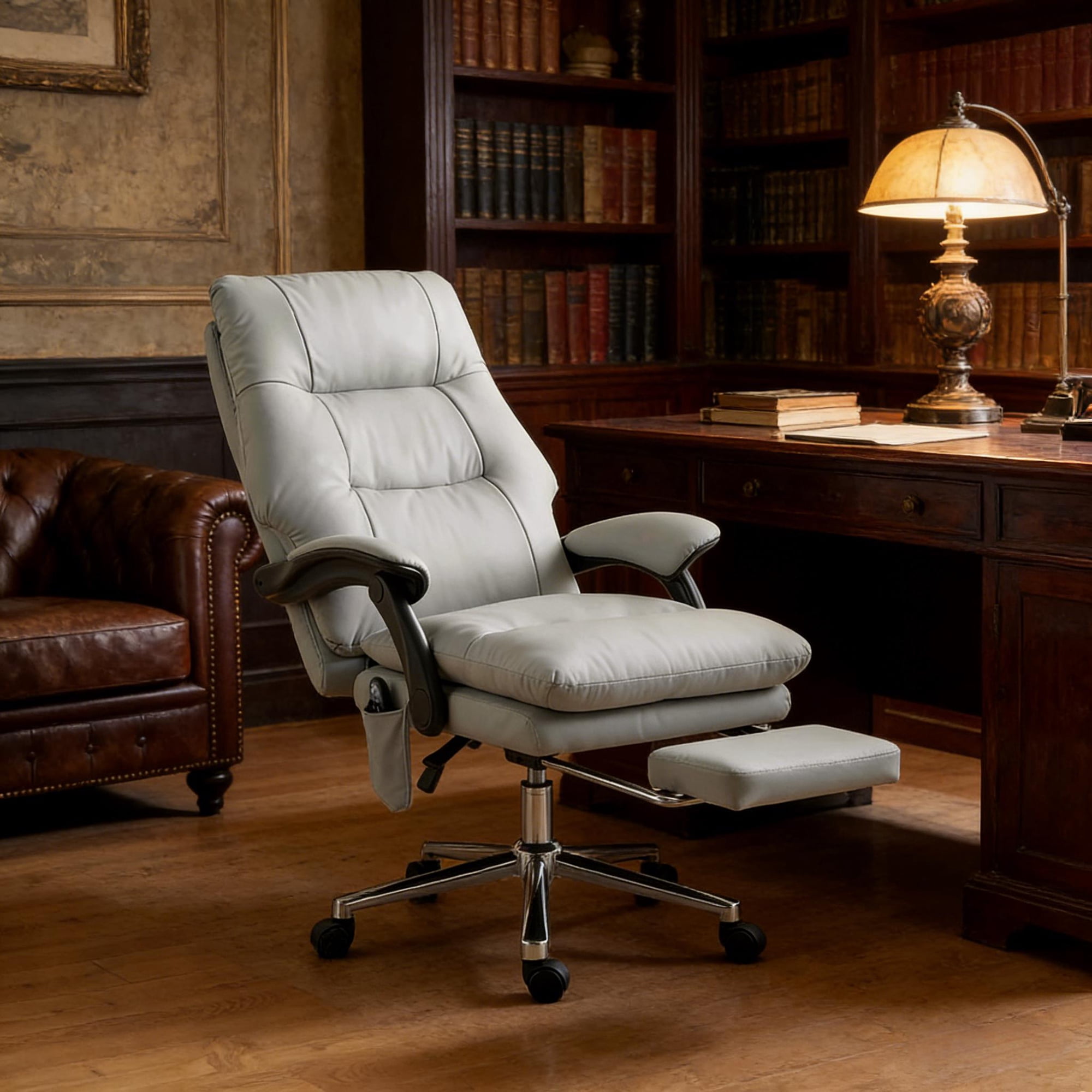
Imagine trying to work in a kitchen where you have to get up to reach every utensil. Inefficient, right? That's what a static office chair does to your workflow. An office roll chair is the foundation of a dynamic and efficient workspace. It's not just about moving from one side of the desk to the other; it's about seamless interaction with your entire office environment—grabbing a file, reaching a colleague, or shifting from keyboard to drawing board without breaking your concentration. A quality rolling chair transforms a stationary workstation into a command center, enhancing productivity and reducing physical strain.
Beyond the Wheel: Understanding Office Roll Chair Mobility
Choosing the right office roll chair involves more than just picking a style. The "roll" itself is a complex feature influenced by floor type, caster material, and user weight. A mismatch can lead to scratched floors, frustrating immobility, or premature wear. Let's break down the key components that make a rolling chair truly effective.
1. Caster Types: The Wheel Makes the Difference
The wheels, or casters, are the most critical part of an office roll chair. They are not one-size-fits-all. Selecting the correct type ensures protection for your flooring and a smooth glide.
- Hard Floor Casters (Soft Rubber/Polyurethane): These have a soft, non-marking tread that grips and rolls smoothly on hardwood, tile, laminate, and marble without scratching. They are often marked as "floor-safe."
- Carpet Casters (Hard Plastic): Designed for carpeted surfaces. The harder material prevents the wheels from sinking into the fibers, making rolling easier. Using soft casters on thick carpet can feel like dragging the chair.
- Dual-Wheel Casters: The most common type, offering a good balance of stability and smoothness for general use on low-pile carpet or hard floors (if made of soft material).
- Locking Casters: Essential for specific tasks. These casters have a brake mechanism to keep the chair perfectly still—ideal for vehicle simulators, drafting, or for individuals who need extra stability when sitting down or standing up.
2. Floor Type and Protection: A Practical Guide
Your floor dictates your caster choice. Here’s a quick guide to matching them perfectly:
| Floor Type | Recommended Caster Type | Why It Works |
|---|---|---|
| Hardwood / Laminate | Soft Rubber or Polyurethane | Prevents scratches and dents; provides smooth, quiet rolling. |
| Tile / Stone | Soft Rubber or Polyurethane | Non-marking and grippy enough to prevent slipping on smooth surfaces. |
| Thick Plush Carpet | Hard Plastic (Larger Size) | Larger wheels prevent sinking; hard material reduces rolling resistance. |
| Low-Pile / Office Carpet | Standard Dual-Wheel (Hard or Soft) | Either type can work; a chair mat is often recommended for longevity. |
Pro Tip: If you have mixed flooring (e.g., carpet in the office but hardwood at home), invest in a set of universal replacement casters. You can easily swap them out, or buy a chair mat for the hard floor section.
3. The Base: Stability on the Move
The base of an office roll chair is typically made of nylon, plastic, or metal. A five-point base is the industry standard for stability, preventing the chair from tipping over when you lean or roll. For heavy-duty use, a metal base offers superior durability. The quality of the base directly affects how smoothly the casters function and how stable the chair feels during movement.
4. Ergonomics in Motion: Why Rolling Matters for Health
An office roll chair encourages micro-movements throughout the day. Instead of stretching awkwardly to reach something, you simply roll closer. This reduces twisting motions that can strain your back. Furthermore, the ability to push back from your desk and roll away promotes better circulation and makes standing up and sitting down easier, reducing the risk of repetitive strain injuries. A chair that moves with you, rather than against you, is a cornerstone of an active sitting posture.
Frequently Asked Questions About Office Roll Chairs
Conclusion: Choose Your Roll, Master Your Workspace
Selecting the right office roll chair is a decision that impacts your daily comfort, the longevity of your flooring, and your overall work efficiency. Don't view the wheels as an afterthought; see them as a key feature that defines your interaction with your office. By understanding the relationship between casters and flooring, and by prioritizing a stable base and ergonomic design, you can find a rolling chair that feels like a natural extension of your workflow. Whether you're gliding across hardwood or smoothly navigating thick carpet, the perfect office roll chair is out there, ready to keep you moving in comfort and control.