
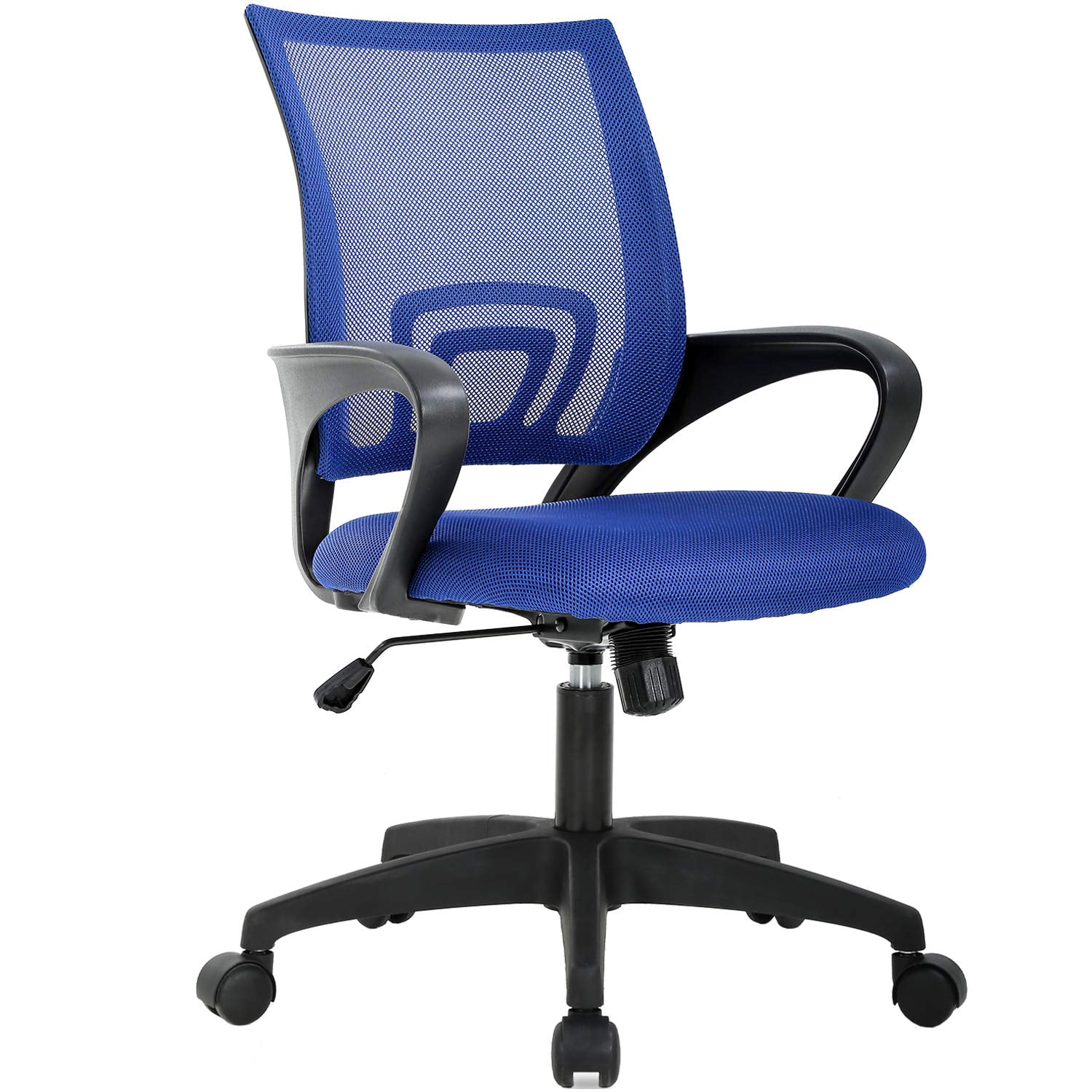
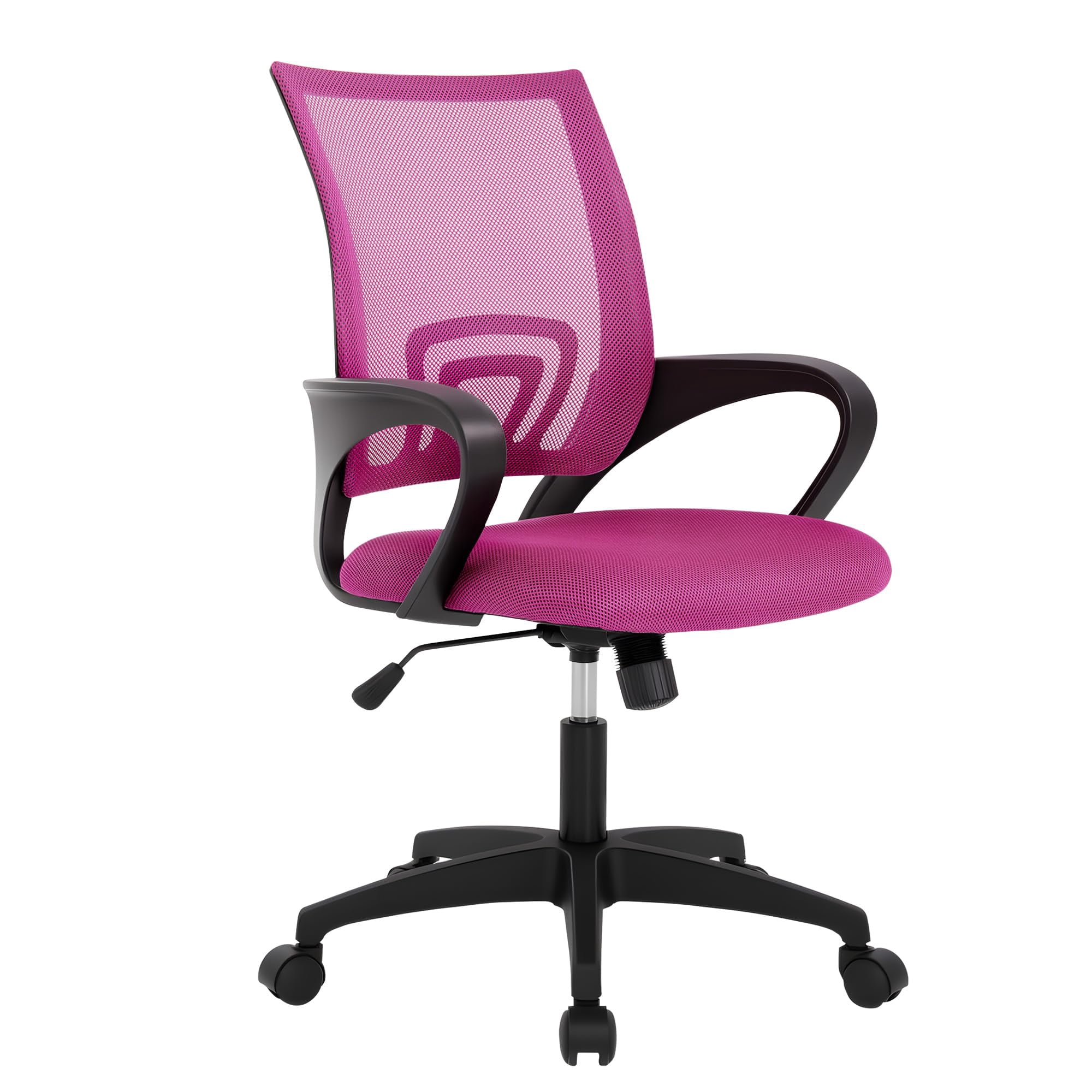
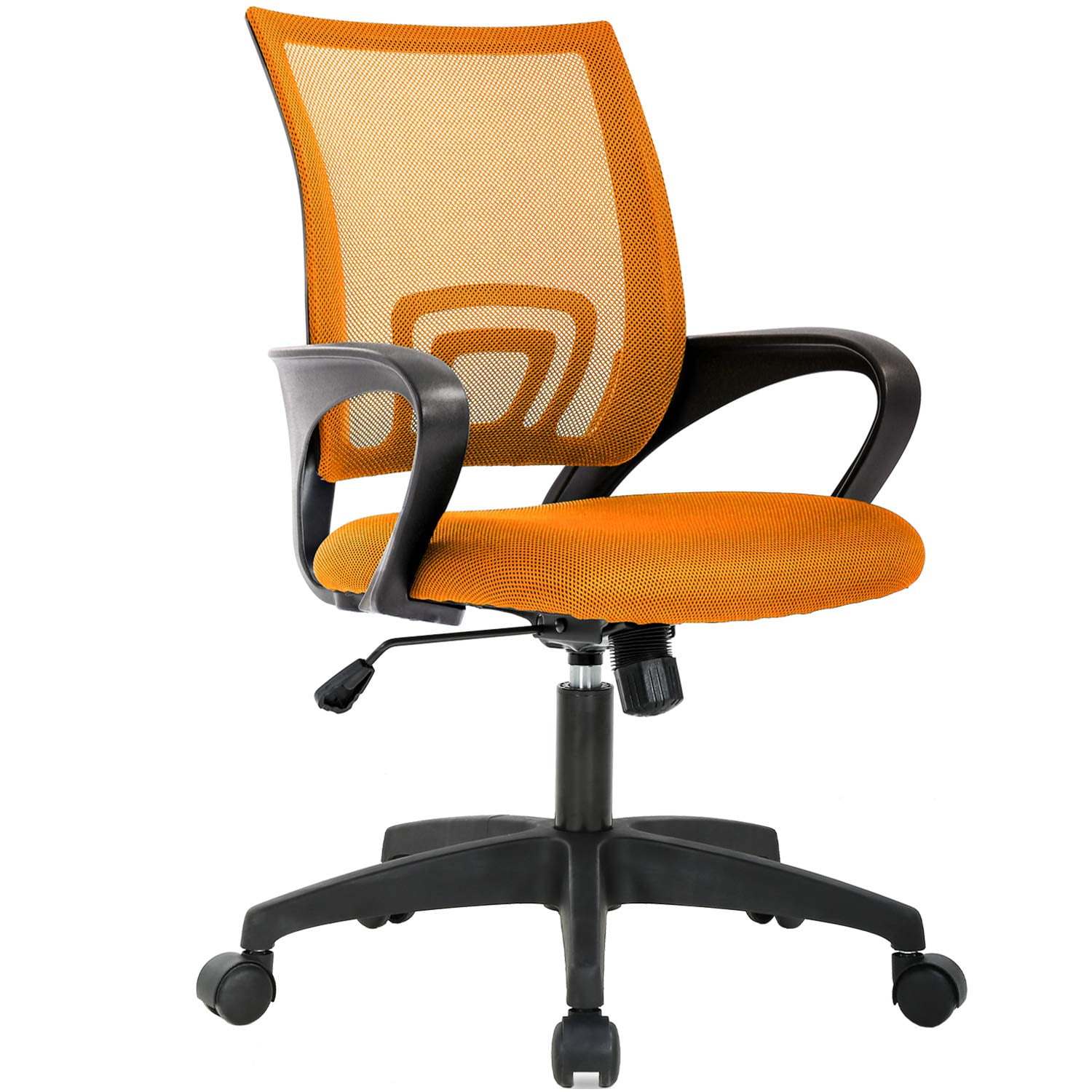
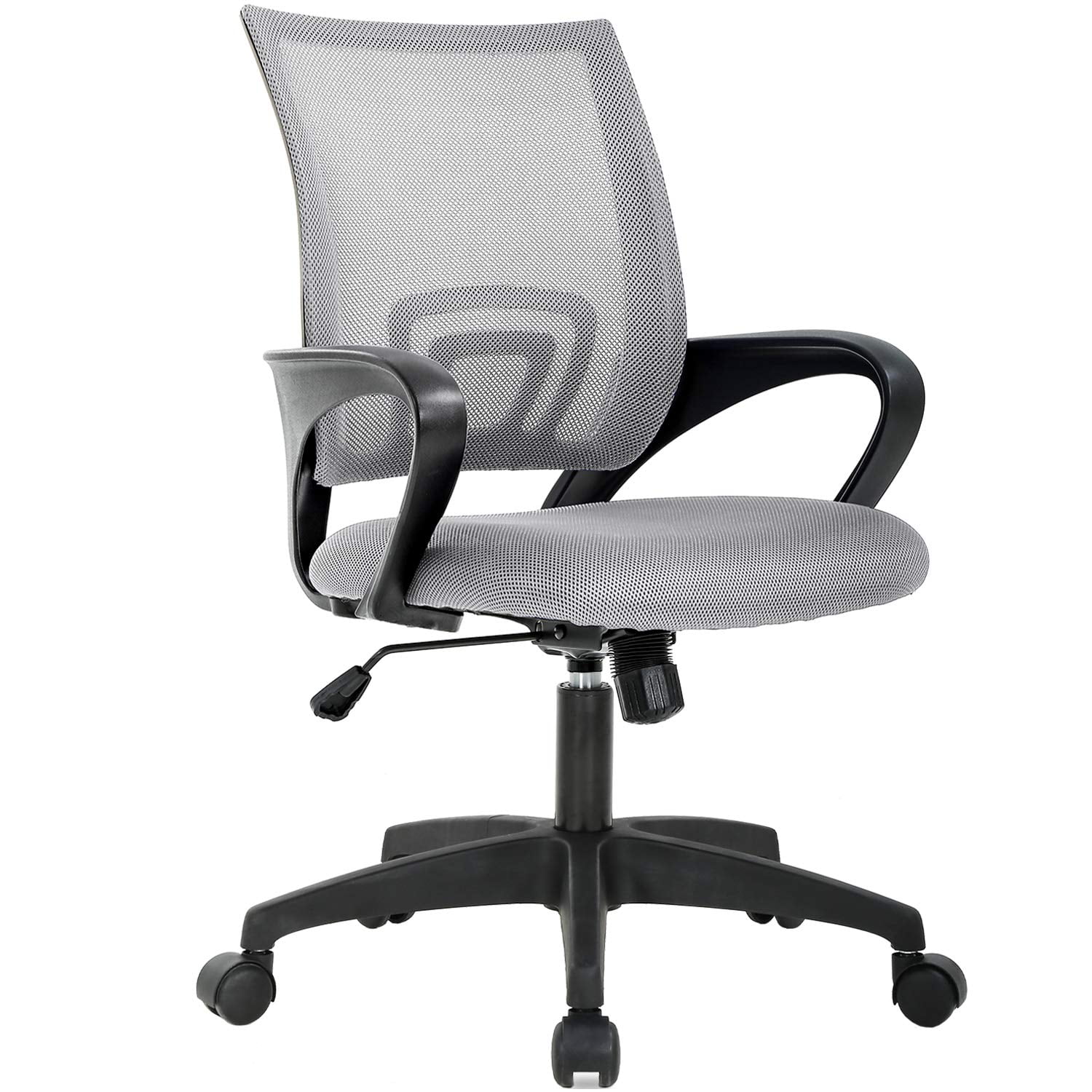
Why Your Chair is the Foundation of a Healthy Workday
Think of your office chair like the foundation of a house. If it's shaky or poorly built, everything built on top—your focus, your energy, and even your physical health—is at risk. For the millions now working from home, the standard dining room or a cheap, one-size-fits-all chair just won't cut it. You need a purpose-built tool: an ergonomic swivel office chair.
Unlike static chairs, an ergonomic swivel chair is a dynamic workstation. The "swivel" isn't just for fun; it's a critical ergonomic feature that allows your body to rotate without twisting your spine, preventing cumulative strain. But with so many options, how do you choose the right one? This guide will walk you through everything, from the science of lumbar support to the practicalities of armrest adjustments, ensuring your next chair is a true partner in your daily productivity.
Deconstructing the Ergonomic Swivel Office Chair: A Feature Deep-Dive
To avoid a "thin" article, we need to go beyond simple lists. Let's explore the 'why' and 'how' behind each feature, turning you into an informed buyer.
1. The Art of Adjustment: It's a System, Not a Single Lever
An ergonomic chair is defined by its adjustability. It’s a system designed to fit you, not the other way around. Here’s what a truly adjustable system looks like:
- Seat Height (Pneumatic Lift): This is non-negotiable. Your feet must rest flat on the floor, with thighs parallel to the ground and knees at a 90-degree angle. This ensures proper blood circulation and reduces pressure on your thighs. Look for a cylinder that matches your height—taller individuals need a higher maximum seat height.
- Seat Depth (Slider): Often overlooked, this is vital. The seat pan should be deep enough to support most of your thighs, but you should be able to fit 2-3 fingers between the back of your knee and the seat edge. This prevents cutting off circulation behind the knees (a common cause of discomfort). A sliding seat pan lets you customize this perfectly.
- Backrest Height Adjustment: While many chairs have a fixed back, premium ergonomic chairs allow you to move the backrest up or down. This ensures the built-in lumbar support hits exactly the right spot on your spine, regardless of your torso length.
- 4D Armrests: Think of armrests as the "handlebars" for your chair. "4D" means they adjust in four directions: up/down, forward/back, left/right (width), and often pivot in or out. Proper armrests allow your shoulders to relax and your elbows to stay at a 90-degree angle while typing.
Analogy: Adjusting your chair is like tuning a guitar. Each knob (height, depth, tilt) brings the instrument closer to perfect pitch (your perfect posture). Skip one, and the whole system is out of tune.
2. Lumbar Support: Your Spine's Best Friend
The lower back (lumbar spine) has a natural inward curve. Sitting for long hours, especially in a slouched position, flattens this curve, straining the discs and muscles. This is the primary cause of lower back pain in office workers.
A good ergonomic swivel office chair combats this with adjustable lumbar support. There are two main types:
- Depth Adjustment: A pad that pushes forward into your back. You can control how much pressure it exerts.
- Height Adjustment: The entire lumbar mechanism can move up or down to match the curve of your spine.
According to research from the *Cornell University Ergonomics Web*, maintaining the spine's natural 'S' curve is critical for reducing spinal disc pressure. An adjustable lumbar system is the most effective tool to achieve this in a dynamic work environment.
3. The Mechanics of Motion: Synchronized Recline and Tilt Tension
Static sitting is unhealthy. Your body craves motion. This is where the chair's mechanics come into play.
- Synchronized Recline: In cheaper chairs, when you lean back, only the backrest moves, often lifting your feet off the floor. In a synchronized mechanism, the backrest and seat move together at a specific ratio (often 2:1 or 3:1). As you lean back, the front of the seat tilts up slightly, keeping your feet planted and preventing that "feet-dangling" feeling. This maintains proper posture even while reclining.
- Adjustable Tilt Tension: This is a knob (usually under the seat) that controls how much force is needed to recline. Heavier individuals will need a higher tension, while lighter users need a lower tension. Without this adjustment, the recline might feel too stiff or too flimsy.
- Tilt Lock: Allows you to lock the chair in an upright or slightly reclined position if you prefer a fixed posture for tasks like intense typing or drawing.
Think of the recline mechanism like the suspension in a car. A good suspension (synchronized recline with adjustable tension) absorbs bumps and keeps you stable, while a bad one makes every movement jarring and uncomfortable.
4. Material World: Breathability, Comfort, and Durability
The material covering your chair affects far more than just looks. It impacts your comfort over an 8-hour day.
- Premium Mesh: For an ergonomic swivel office chair, high-quality mesh is often the gold standard. It’s breathable, allowing air to circulate and preventing that sweaty-back feeling. Modern mesh is also incredibly durable and provides excellent, consistent tension to support your back. It's a top choice for warmer climates or anyone who runs hot.
- Performance Fabric: These are becoming increasingly popular. They offer a softer, more 'upholstered' feel than mesh but are engineered to be breathable and stain-resistant. They provide a balance between the coolness of mesh and the plushness of traditional fabric.
- Leather and Faux Leather: While luxurious and easy to wipe clean, leather is not breathable. It can get hot and sticky in warm weather and cold in air-conditioned offices. It’s a style choice that may sacrifice some ergonomic comfort regarding temperature regulation.
5. The Foundation: Base and Casters
Often ignored, the base and wheels are crucial for stability and mobility.
- Base: Look for a five-point base, almost always made of nylon or polished aluminum. Aluminum is stronger and more premium, but a high-quality nylon base is perfectly adequate for most users, rated up to 300 lbs.
- Casters (Wheels): The wrong casters can ruin a floor or make movement difficult. Most ergonomic chairs come with standard casters suitable for carpets. However, for hardwood floors, you need soft rubber casters that won't scratch the surface. Some manufacturers offer interchangeable casters or sell floor-specific sets.
Frequently Asked Questions About Ergonomic Swivel Chairs
Your Path to a Healthier Workday
Selecting the right ergonomic swivel office chair is not an expense; it's an investment in your most valuable asset—your health. By understanding the key features—from synchronized recline and adjustable lumbar support to seat depth and breathable materials—you are now equipped to make a choice that will pay dividends in comfort, focus, and physical well-being for years to come.
Start by identifying your must-have features based on your body type and work habits, then use the product grid above to explore top-rated chairs that fit your criteria. Your back (and your productivity) will thank you.