
Your Complete Guide to Lumbar Support Ergonomic Office Chairs
Imagine your spine as a stack of building blocks. When you sit in a chair that doesn't support the natural curve of your lower back, those blocks start to tilt and press against each other. Over an eight-hour workday, that pressure adds up—leading to stiffness, fatigue, and chronic pain. A lumbar support ergonomic office chair acts like a carefully placed hand that keeps those blocks perfectly aligned, allowing you to work comfortably and focused. This guide dives deep into everything you need to know to choose the best chair for your back.
The Science of Lumbar Support: Why It's Non-Negotiable
The human lumbar spine (lower back) has a natural inward curve called lordosis. Most standard chairs are flat, causing us to slump and flatten this curve. This "slouching" posture increases pressure on intervertebral discs by up to 40% compared to sitting with proper support. An ergonomic chair with built-in lumbar support fills the gap between your back and the chair, preserving the spine's S-shape.
Static vs. Adjustable Lumbar: A Critical Difference
Not all lumbar supports are created equal. Here’s the breakdown:
- Static lumbar (built-in bulge): Common in budget chairs. It's better than nothing, but because spine shapes vary, it might press in the wrong spot for you.
- Height-adjustable lumbar: Allows you to move the support up or down to fit the curve of your spine. Essential for tall or short individuals.
- Depth-adjustable lumbar (4D): The gold standard. You can adjust how much the support protrudes forward. A deeper setting provides more aggressive support; a shallower setting offers a more relaxed feel. This is what you want for a truly personalized fit.
Expert Insight: A study in the journal 'Applied Ergonomics' found that workers using chairs with adjustable lumbar support reported a 53% reduction in low-back discomfort by the end of the workday compared to those using fixed-back chairs.
5 Key Features That Define a True Ergonomic Lumbar Chair
A chair might claim to have lumbar support, but to be genuinely ergonomic and effective, it must integrate several mechanisms. Think of these features as a symphony, with lumbar support as the lead violinist—it needs the rest of the orchestra to perform well.
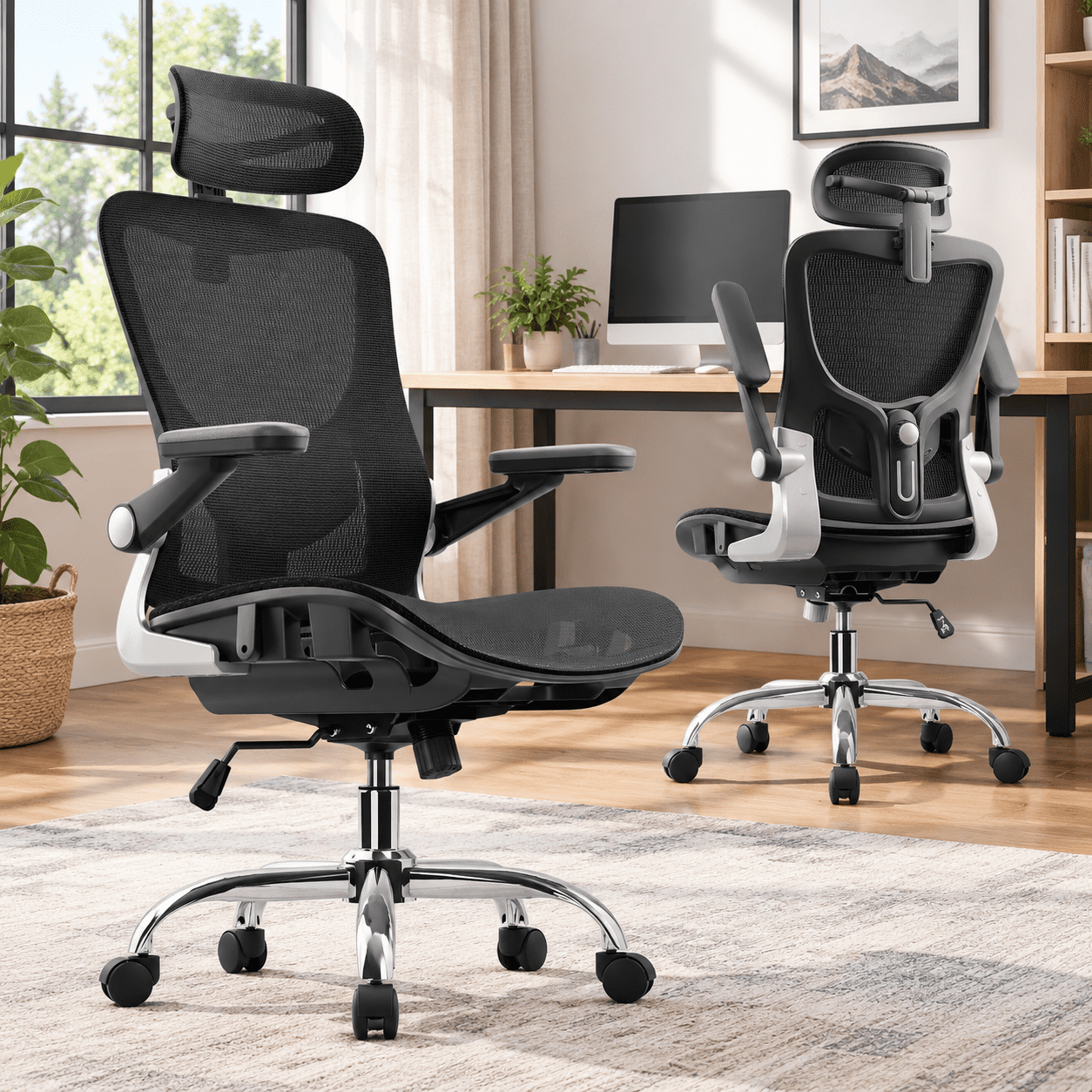
- Synchronized Recline Mechanism: As you lean back, the seat and backrest move together at a ratio (often 2:1 or 3:1). This keeps you upright and your eyes at screen level, while the lumbar support stays firmly against your back. It prevents "shirt pulling" and maintains support throughout the recline.
- Seat Depth Adjustment (Slider): You should have 2-4 fingers of space between the back of your knee and the seat edge. A sliding seat pan ensures your thighs are fully supported, which naturally helps your pelvis maintain a neutral position—allowing the lumbar support to work effectively.
- Tension Control Knob: This adjusts how much force is needed to recline. A properly adjusted tension lets you move fluidly without feeling like you're fighting the chair or falling backward too easily, keeping you dynamically supported.
- 4D Armrests: Adjustable armrests (height, width, depth, and pivot) allow you to keep your elbows at a 90-degree angle and shoulders relaxed. This prevents upper body tension, which often radiates down to the lower back.
- Breathable Mesh Back: A mesh back with a built-in lumbar curve offers two advantages: it prevents sweaty backs and provides a flexible yet supportive surface that contours to your spine's movements. Many premium lumbar chairs use a mesh/frame design with a separate adjustable lumbar pad.
Material & Lumbar Support: How It Affects Comfort
The material of the backrest plays a huge role in how lumbar support feels.
Mesh Back
- Lumbar feel: Firm, springy, breathable.
- Best for: People who run hot, those needing firm support, and dynamic sitters.
- Note: The lumbar support is often a separate adjustable pad attached to the frame.
Leather / PU Back
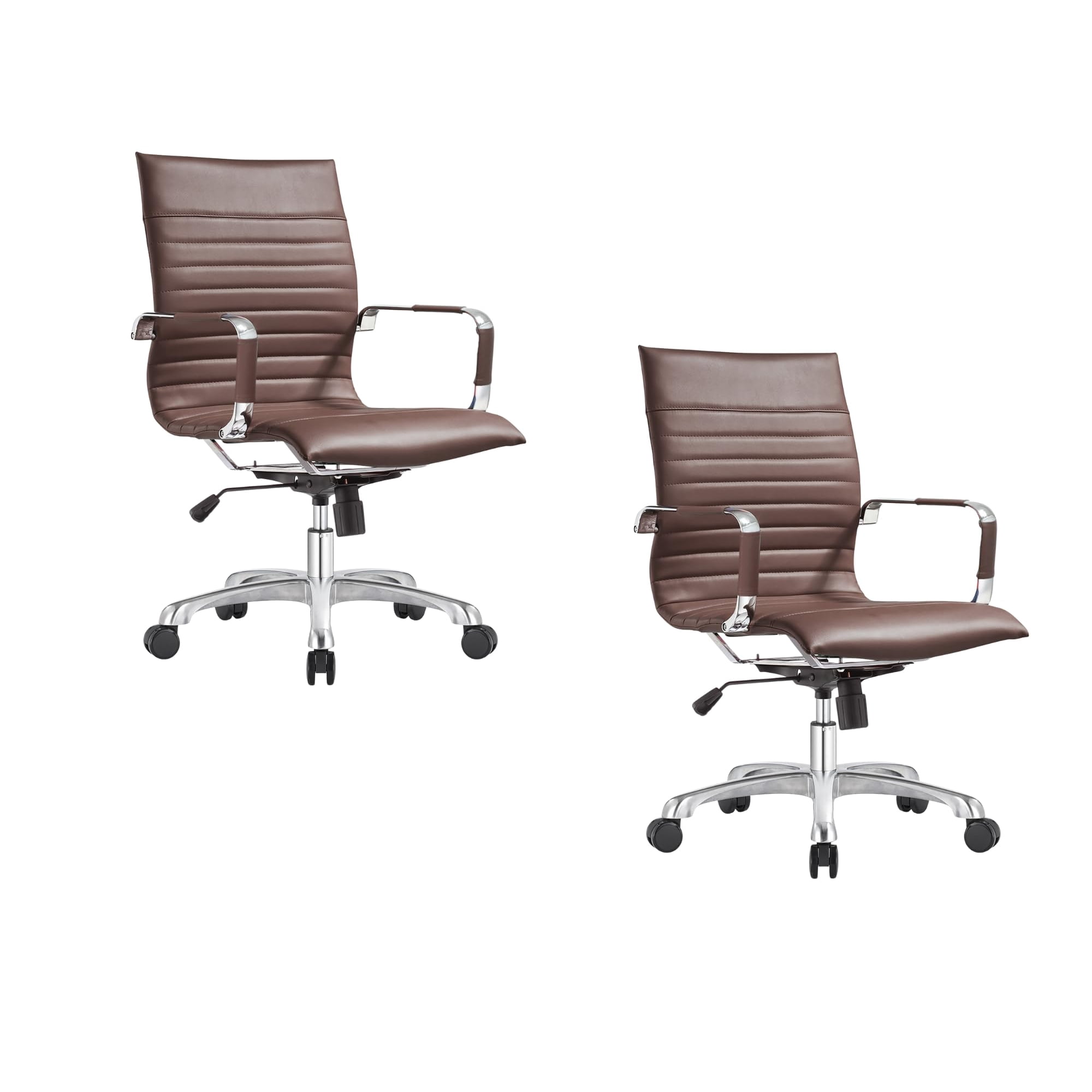
- Lumbar feel: Plush, cushioned, often with memory foam.
- Best for: Executive settings, those who prefer a softer "hug" and cooler office environments.
- Note: Lumbar support is built into the thick foam padding, sometimes with an air bladder for adjustment.
Fabric Back
- Lumbar feel: Balanced, medium firmness.
- Best for: General use, moderate climates, those wanting a middle ground between mesh and leather.
- Note: Often combines foam padding over a contoured plastic frame.
Who Needs a Lumbar Support Ergonomic Chair the Most?
While virtually everyone benefits, these chairs are critical for:
- Remote workers & programmers: Sitting 8+ hours a day dramatically increases spinal load. A good chair is PPE for your back.
- People with a history of back pain: If you've had sciatica, herniated discs, or muscle strain, proper support is essential for recovery and prevention.
- Individuals with sedentary lifestyles: Weak core muscles place more strain on the spine. Lumbar support compensates for this.
- Tall or long-torso individuals: Standard chairs often miss their lumbar curve. Height-adjustable support is a must.
Step-by-Step: How to Test Lumbar Support in a Chair
Before you buy (or as soon as your new chair arrives), perform this 2-minute test:
- Sit naturally. Don't force yourself into perfect posture. Let the chair support you.
- Slide your hand behind your lower back. Can you easily fit your flat hand between your back and the chair? If yes, the lumbar support is too shallow. If it's a tight squeeze, that's good. If you can't get your hand in, it's too deep and will push you forward.
- Adjust and repeat. If the chair has depth adjustment, dial it in until your hand fits snugly.
- Lean back slightly. Does the lumbar support stay in contact with your back, or does a gap appear? A good chair maintains contact throughout the recline range.
Pro Tip: Your ears, shoulders, and hips should be in a straight line when sitting. The lumbar support should fill the curve just above your waistline.
Frequently Asked Questions About Lumbar Support Chairs
Conclusion: Invest in Your Back, Invest in Your Day
Choosing the right lumbar support ergonomic office chair is one of the most important decisions you'll make for your home office. It's not just about furniture; it's about how you feel at 5 PM compared to how you felt at 9 AM. By prioritizing chairs with adjustable, responsive lumbar systems and supporting ergonomic features, you're building a foundation for a healthier, more productive work life. Use this guide to cut through the marketing and find a chair that truly supports you—literally.