
Why a Great Office Chair is a Game-Changer for Women
Have you ever sat down at your desk, ready to conquer the world, only to find yourself fidgeting, shifting, and standing up every 20 minutes because your chair just doesn't feel right? You're not alone. For years, the default office chair was designed around a male physique—broader shoulders, longer legs, and a different spinal curve. But a woman's body is beautifully different. Finding comfortable office chairs for women isn't just about luxury; it's about creating a workspace where you can be productive, pain-free, and focused. Think of your chair as the foundation of your workday. Just as a house needs a solid base, your body needs a seat that supports its unique architecture. A chair that fits you can reduce fatigue, improve concentration, and even prevent long-term issues like back pain or circulation problems. This guide is dedicated to helping you find that perfect match.
The 7 Pillars of Comfort: What Women Should Look For
To cut through the marketing noise, we've broken down the anatomy of a truly comfortable chair into seven key areas. Use this as your checklist when shopping.
1. Seat Depth: The "Thigh's the Limit" Factor
This is arguably the most overlooked feature for women. Standard seat depths (usually around 19-20 inches) are often too long for women with shorter legs. When the seat edge presses into the back of your knees (the popliteal fold), it can cut off circulation and cause discomfort. The ideal scenario is to have a 1-3 inch gap between the back of your knee and the seat edge. Look for chairs with adjustable seat depth (also called seat slider). If that's out of budget, seek out models specifically labeled as having a shallower seat, typically 17-18 inches deep. This simple adjustment can transform your sitting experience.
2. Lumbar Support: The Curve Whisperer
Women generally have a more pronounced lumbar lordosis (inward curve) than men. A one-size-fits-all backrest often misses this curve, leaving a gap that encourages slouching. The best comfortable office chairs for women offer adjustable lumbar support—both in height and, ideally, in depth (how much it pushes forward). This allows you to fill that gap in your lower back, maintaining the spine's natural S-shape. A pro tip: when you sit, the support should fit snugly into the curve of your back, not poke you in the wrong spot.
3. Seat Height Range: Feet on the Floor, Please
If your feet dangle, your thighs are unsupported, leading to pressure on your thighs and poor posture. For many women under 5'4", standard chair heights don't go low enough. The magic number is a seat height that goes down to 16 inches or lower from the floor to the top of the seat. When you sit, your feet should rest flat, with your knees at a 90-degree angle. If you find a chair you love but it's a tad too high, consider a footrest—it's a simple fix for a common problem.
4. Backrest Width & Shape: A Comfortable Embrace
Standard backrests can feel too wide or too boxy, forcing your shoulders forward or not providing adequate side-to-side support. Women often benefit from a backrest that is slightly narrower or has a more tapered design, allowing the arms to move freely while still cradling the torso. Look for chairs with a "wings" design that offers support without being constricting. This is especially important for tasks that require reaching for a mouse or phone.
5. Cushioning Density & Material: The "Sitting on a Cloud" Feeling
Comfort is deeply personal, but the science of cushioning is universal. You want high-density foam that provides support without being rock-hard, and enough give to contour to your shape. Memory foam can be great for pressure relief, but ensure it's not too soft, or you'll sink and lose support. Material matters too:
- Breathable Mesh: Ideal for those who tend to get warm. It prevents sweat and keeps you cool through long work sessions.
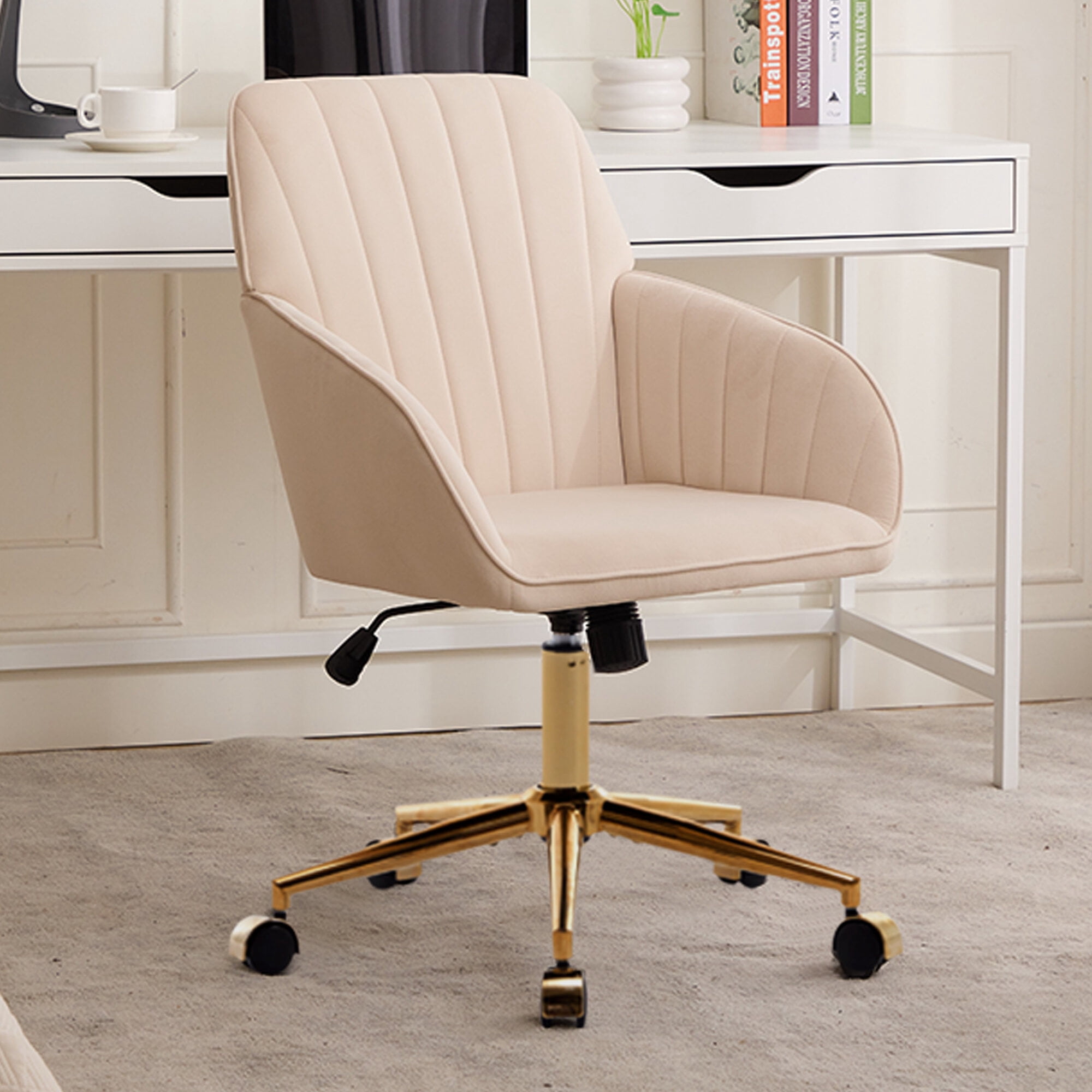
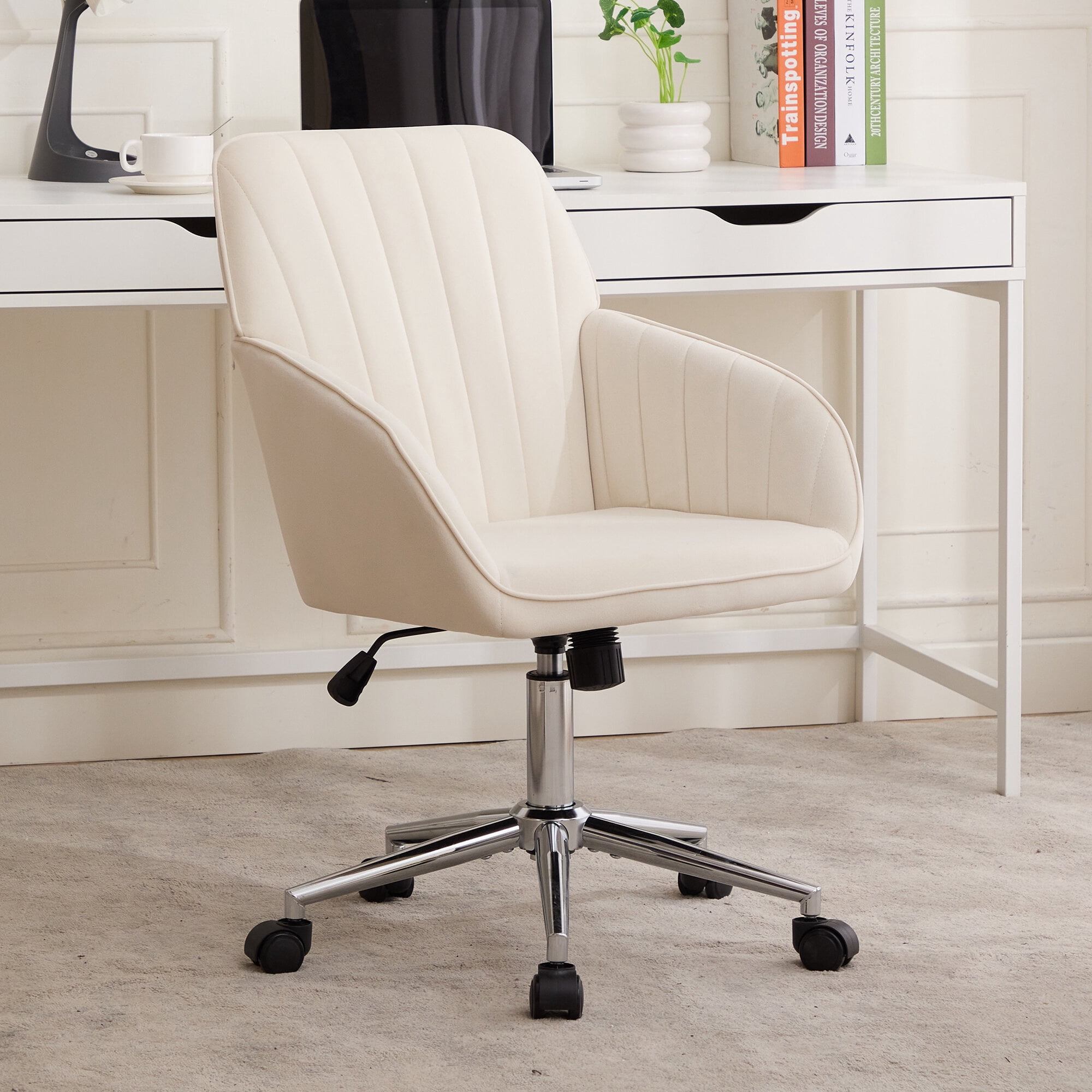
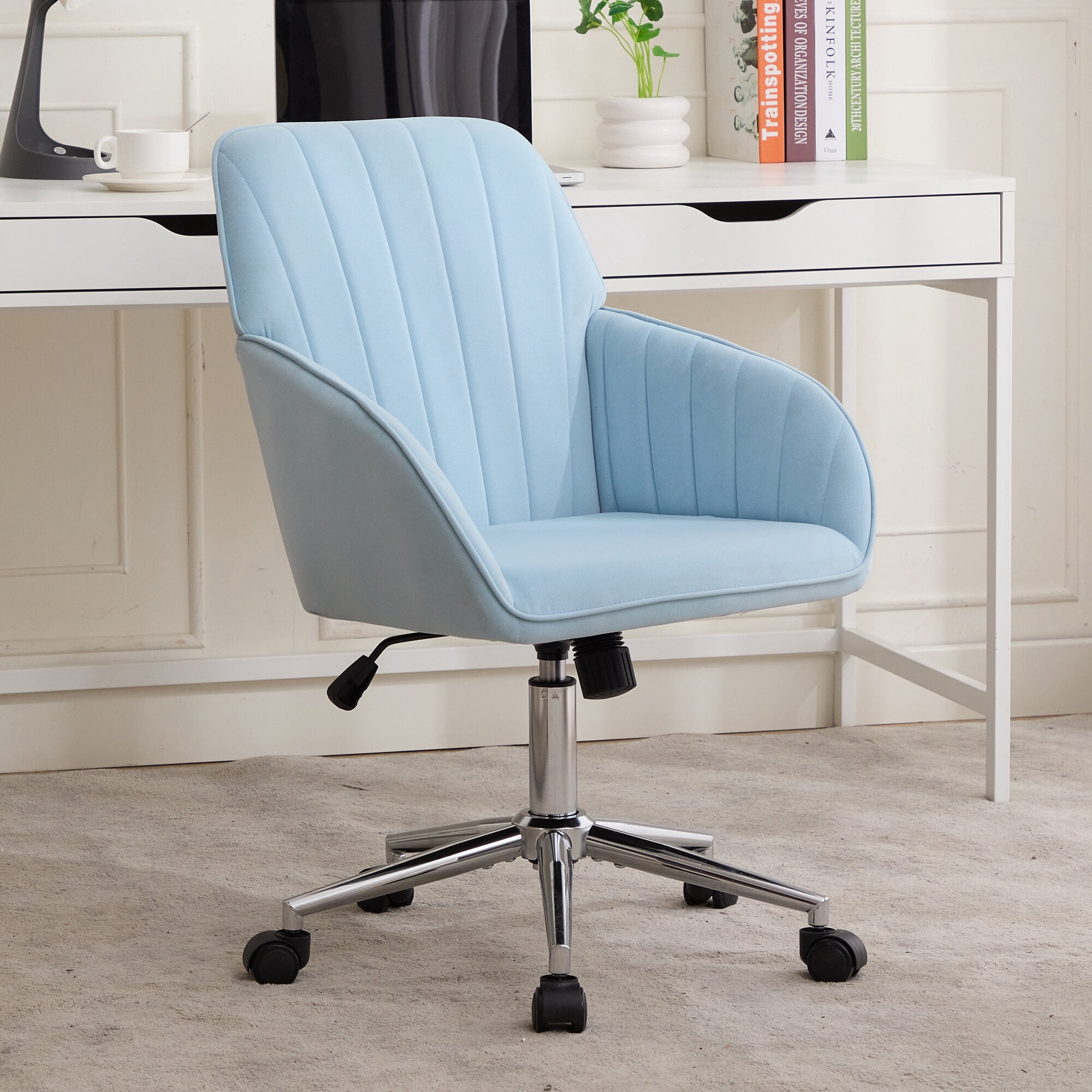
- Soft Fabric (Velvet, Boucle, Linen): Offers a cozy, warm, and often more "home-like" aesthetic. Great for home offices where you want comfort and style.
- Leather/Faux Leather: Easy to clean and looks professional, but can be sticky in summer and cold in winter.
6. Armrest Adjustability: Supporting Shoulders and Neck
Fixed armrests are often too wide or too high, causing you to hunch your shoulders. Adjustable armrests (4D or at least height-adjustable) are a game-changer. You want them to sit just below your desk surface, allowing your elbows to rest at a comfortable 90-degree angle with relaxed shoulders. For women with narrower frames, armrests that can be moved closer together are a huge plus.
7. Aesthetics & Personal Style: The "You" Factor
Let's be honest—your chair should make you feel good. Whether it's a sleek minimalist look, a pop of pastel color, or a plush velvet texture, your chair is part of your environment. The modern market for comfortable office chairs for women has exploded with options that don't look like boring, black, corporate blobs. From blush pink to calming sage green, you can find a chair that sparks joy every time you walk into your office.
Did You Know? A study published in the journal Applied Ergonomics found that when office chairs were adjusted to fit individual anthropometry (body measurements), participants reported a 31% decrease in overall discomfort. For women, the correct seat depth and backrest height were the most critical adjustments.
A Step-by-Step Guide to Finding Your Perfect Chair
Let's turn that knowledge into action. Follow these steps to narrow down your options.
- Take Your Measurements: Grab a measuring tape. Note your height, but also your "seat depth" (from the back of your buttock to the back of your knee). This is your ideal seat pan length.
- Assess Your Workspace: Measure your desk height. A standard desk is 29-30 inches tall. Ensure your chair can adjust high enough so your arms are level with the desk.
- List Your Non-Negotiables: Based on the 7 pillars, pick your top 3 must-have features. (e.g., adjustable lumbar, seat slider, and breathable mesh).
- Read Reviews Strategically: Search for reviews from people with similar body types. Look for phrases like "I'm 5'3 and this chair fits perfectly."
- Consider the Return Policy: Even the best chair on paper might not feel right. Buy from a retailer with a solid return policy so you can test it in your own home.
Myth-Busting: Comfort vs. Style vs. Price
Many women believe they have to sacrifice style for support or pay a fortune for both. This isn't true. While premium chairs can cost over $1,000, there are excellent options in the $300-$700 range that include all the key ergonomic features. Similarly, you can find chic, fabric-covered chairs with excellent lumbar support. Don't assume a pretty chair can't be good for your back. The key is to verify the features, not just the look.
Reduced Neck & Shoulder Tension
Proper armrest height and seat depth prevent hunching and reaching.
Better Circulation
Correct seat depth ensures no pressure behind the knees.
Enhanced Focus
Physical comfort allows you to dive deep into work without distraction.
Long-Term Spinal Health
Adjustable lumbar support maintains natural posture all day.
Quick Reference: What to Look For in a Chair
| Feature | Why It Matters for Women | What to Look For |
|---|---|---|
| Seat Depth | Prevents pressure behind knees; critical for shorter legs. | Adjustable slider or fixed depth of 17-18 inches. |
| Lumbar Support | Matches the natural curve of the female spine. | Height-adjustable, ideally with depth adjustment. |
| Seat Height Range | Ensures feet are flat on the floor for stability. | Lowest position at 16 inches or lower from floor. |
| Backrest Width | Shoulders can move freely; torso is supported. | Narrower, contoured back (around 18-20 inches wide). |
Pro Tip: Don't be afraid to "test drive" a chair in a store if possible. Sit in it for at least 10-15 minutes, mimicking your work tasks. Notice any pressure points? Does it feel like it was made for you?
Frequently Asked Questions About Women's Office Chairs
Conclusion: Invest in Your Comfort, Invest in Yourself
Finding the perfect comfortable office chair for women is a journey of understanding your own body and not settling for a one-size-fits-all solution. You deserve a chair that works as hard as you do—one that supports your spine, fits your frame, and makes you feel good in your space. Whether you prioritize a plush velvet seat, a breathable mesh back, or the most advanced lumbar system on the market, remember that the best chair is the one that disappears beneath you, allowing you to focus entirely on your work. Use this guide as your map, and happy sitting!