
Your Ultimate Guide to Choosing the Perfect Office Depot Chair Mat for Carpet
Imagine investing in a plush, comfortable carpet for your home office, only to watch it develop worn-down paths and unsightly divots from your office chair within months. It's a frustrating and costly problem. This is where an office depot chair mat for carpet becomes an unsung hero of the productive workspace. It's not just a piece of plastic; it's a protective shield and a performance enhancer for your daily workflow.
Whether you're a remote worker, a gamer, or a business executive, the surface under your chair matters just as much as the chair itself. A quality chair mat transforms a high-friction carpet into a smooth, ice-like surface, allowing you to glide from your desk to a filing cabinet without a second thought. But with so many options—from clear polycarbonate to vinyl with cleats—choosing the right one can feel overwhelming. This guide will walk you through everything you need to know, ensuring you select the perfect mat for your specific carpet and working style.
Did you know? According to flooring experts, the constant micro-movements of an office chair can cause carpet fibers to fray and the backing to weaken. A chair mat can extend the life of your carpet by up to 70%, making it one of the smartest investments for your home office.
Why Your Carpet Demands a Specialized Chair Mat
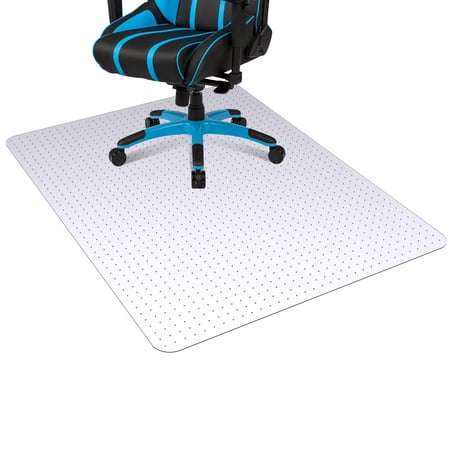
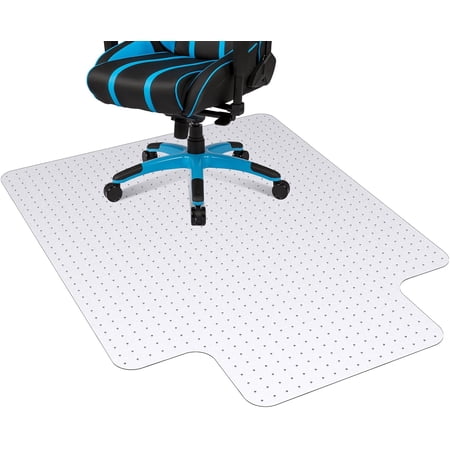
Using a standard hard-floor mat on carpet is like putting regular tires on a car built for snow—it simply won't work. Carpet requires a mat with a specific type of grip. The underside of a quality office depot chair mat for carpet is equipped with dozens of hard plastic cleats or studs. These spikes penetrate the carpet fibers and grip the backing, anchoring the mat firmly in place. This prevents the frustrating "swimming" effect where the mat slides around as you move, which can be a tripping hazard and defeats the purpose of having a smooth rolling surface.
Decoding Carpet Types: Low-Pile vs. High-Pile
Not all carpets are created equal, and neither are chair mats. Choosing the wrong one is a common mistake. Here’s a breakdown:
- Low-Pile Carpet (e.g., Berber, commercial-grade): This dense, short carpet requires a mat with a high density of shorter, sharper cleats. The goal is to grip tightly without being so aggressive that they damage the fibers. A standard mat often works well here.
- High-Pile/Plush Carpet (e.g., Saxony, frieze): This is the most challenging surface. You need a mat with longer, more widely spaced studs to reach through the thick, soft fibers to the carpet backing. Using a low-pile mat on plush carpet is ineffective; the mat will "float" on top of the fibers and is highly prone to cracking under the flexing stress.
Material Science: PVC, Polycarbonate, and Glass
The material of the mat dictates its durability, clarity, and longevity. Let's break down the pros and cons of each, specifically for carpet use.
✅ Polycarbonate (The Premium Choice)
- Durability: Virtually unbreakable. It resists cracking and warping, even under heavy chairs and on thick carpet.
- Clarity: Remains crystal clear for years without yellowing, preserving the look of your carpet.
- Rolling Resistance: Provides an exceptionally smooth, low-friction surface.
- Lifespan: Can last a decade or more, making it a better long-term investment.
❌ Polycarbonate (Considerations)
- Cost: It is the most expensive option.
- Weight: Heavier than PVC, which can make shipping and initial placement a bit more cumbersome.
- Initial Curl: Ships rolled tightly and may need time and weight to lay completely flat.
✅ PVC / Vinyl (The Value Option)
- Affordability: The most budget-friendly choice.
- Flexibility: Lightweight and easy to maneuver into place.
- Variety: Available in a wide range of sizes, including lip and non-lip styles.
❌ PVC / Vinyl (The Drawbacks)
- Durability: Prone to cracking, especially at the stress points where the chair rolls back and forth. This is more common in colder rooms or on high-pile carpet.
- Clarity: Can yellow or become hazy over time.
- Odor: Often has a strong "plastic" smell when new, which can take weeks to dissipate.
✅ Tempered Glass (The Modern Statement)
- Aesthetics: Offers a sleek, modern, high-end look.
- Durability: Extremely hard and scratch-resistant.
- Easy to Clean: A simple wipe keeps it spotless.
❌ Tempered Glass (Important Cautions)
- Caster Compatibility: You must use soft, rubber casters on your chair. Hard plastic wheels can scratch the glass and create a very noisy rolling experience.
- Weight & Fragility: Extremely heavy and, while tempered, can shatter if dropped or struck with a hard object.
- Cost: As expensive as, or more than, polycarbonate.
Key Features to Look For in an Office Depot Chair Mat for Carpet
When you're ready to buy, keep an eye out for these specific features to ensure you're getting a high-quality product:
- The Cleat/Grip Pattern: As mentioned, for carpet, a studded or cleated back is non-negotiable. The studs should feel sturdy and well-anchored to the mat.
- Thickness Matters: A thicker mat (typically 2mm to 3mm for PVC, and around 2mm for polycarbonate) will be more durable and resistant to cracking. Thinner mats are more flexible but less robust.
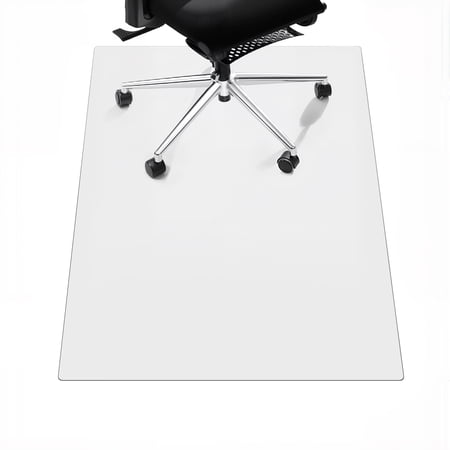
- The "Lip" or Straight Edge: If your desk is against a wall, you'll want a mat with a "lip"—a curved extension that goes under your desk to protect the area where your feet rest. If your desk is in the middle of the room, a straight-edge mat is sufficient.
- Eco-Certifications: Look for mats that are GREENGUARD Gold certified. This means they have been tested for thousands of chemical emissions and are safe for use in offices and homes, including schools and childcare facilities. It's a sign of a healthier indoor environment.
- Size and Shape: Measure your workspace carefully. You need a mat that is large enough to allow your chair to roll freely without falling off the edge. Standard sizes include 36"x48", 46"x60", and larger rectangle or lip styles.
Frequently Asked Questions About Carpet Chair Mats
Conclusion: Making the Right Choice for Your Workspace
Selecting the correct office depot chair mat for carpet is a decision that pays dividends in comfort, productivity, and the longevity of your flooring. It's the difference between a workspace that feels frustratingly sluggish and one that operates with effortless efficiency.
For most home offices with standard low-pile to medium-pile carpet, a high-quality PVC mat with a good stud pattern offers a perfect balance of price and performance. However, if you have plush, high-pile carpet, a heavy user, or simply want a "buy-it-for-life" solution, investing in a polycarbonate mat is a wise choice. Its resistance to cracking and superior clarity make it the premium option. Remember to always check the underside for the correct cleat pattern and measure your space before purchasing. By considering your specific carpet type, budget, and needs, you'll find the perfect mat to keep your office running smoothly for years to come.