
Your Complete Guide to Office Chair Plastic Mats for Carpet
You’ve invested in a plush carpet or a high-quality office chair, but did you know that using them together without protection is like rubbing sandpaper on your floor? Every time you push back from your desk, the wheels grind carpet fibers, creating unsightly matting and making it harder to move. An office chair plastic mat for carpet is the simple, cost-effective bridge between comfort and longevity.
Whether you have a home office with deep-pile shag or a corporate space with low-loop Berber, choosing the right mat can feel overwhelming. Should you buy a clear mat or a textured one? What about thickness? In this guide, we’ll break down everything from material science to eco-friendly options, ensuring you make a choice that keeps your carpet pristine and your rolling effortless for years.
Anatomy of a Great Carpet Chair Mat: Beyond Just Plastic
Not all plastic mats are created equal. The interaction between the mat, carpet, and chair casters is a small engineering puzzle. Let’s dissect the key components that separate a flimsy mat from a long-term floor defender.
• Material Composition: PVC vs. Polycarbonate vs. Recycled PET
PVC (Polyvinyl Chloride) is the most common and affordable. It’s flexible and durable but can be prone to cracking in very cold rooms or under extreme weight. Polycarbonate is the premium choice—it’s virtually unbreakable, crystal clear, and resists yellowing. Think of it as the “bulletproof glass” of chair mats. Recently, recycled PET mats (made from plastic bottles) have gained traction. They are eco-conscious, often BPA-free, and surprisingly tough, though they might have a slightly textured surface.
• The Grip System: Cleats, Spikes, and Backing
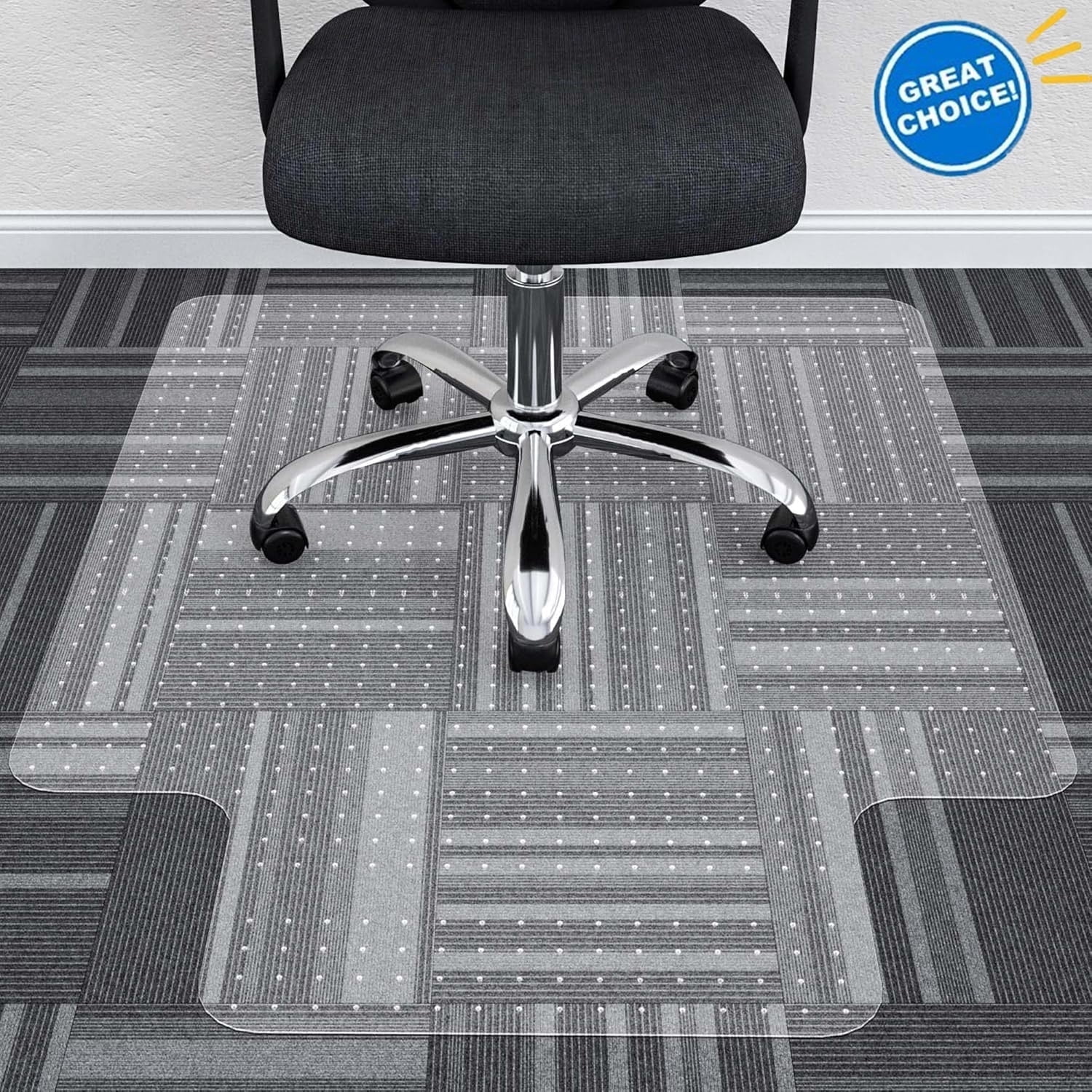
A mat for carpet must have a gripper side. This usually comes in the form of hundreds of tiny, sharp cleats or spikes that dig into the carpet fibers, preventing the mat from sliding around like a hockey puck. The pattern and aggressiveness of these cleats determine hold. For high-pile carpets, longer, sharper cleats are necessary to reach the base and anchor securely.
• Thickness and Flexibility: The Anti-Crack Factor
Imagine a thin sheet of ice—it cracks under pressure. The same applies to chair mats. A mat that is too thin for your carpet type will flex excessively and eventually crack, especially under the constant point load of chair wheels. A good rule of thumb: low-pile carpet → 2-3mm thickness; medium to high-pile → 3-5mm. Flexibility is also crucial: a rigid mat might not conform to carpet underlay, while a hyper-flexible mat might warp. The sweet spot is a mat that bends slightly but springs back.
Selecting the Perfect Mat: A Step-by-Step Approach
Finding your ideal office chair plastic mat for carpet is like choosing the right tires for a car—you need to match the terrain (carpet type) and driving style (how you use your chair). Follow this systematic guide:
- Identify your carpet pile depth:
- Low pile (< ¼ inch): Berber, commercial loop. Standard gripper mats work well.
- Medium pile (¼ – ½ inch): Typical residential plush. Look for “medium pile” rated mats with moderate cleats.
- High pile (> ½ inch): Shag, thick Saxony. You need a “high-pile” mat with deep, aggressive cleats and extra thickness to avoid bottoming out.
- Measure your workspace footprint: Sit in your chair and extend your arms to the limits of your reach. Add at least 6-8 inches behind the chair for leaning back. Common sizes: 36”x48” (rectangle) or 46”x60” (lip shape for desks).
- Match the mat shape to your desk:
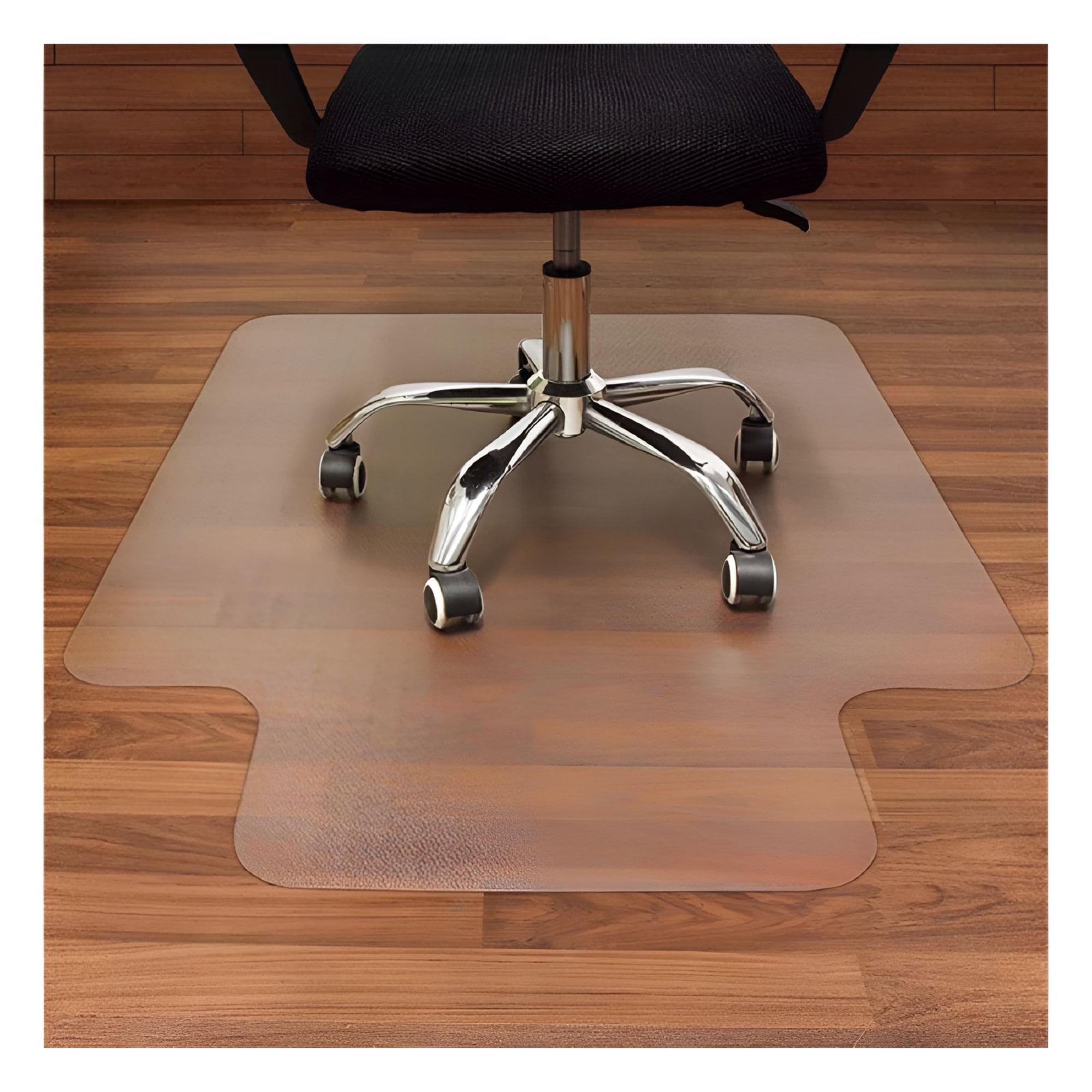
- Lip or studded mats: Have a protruding edge that goes under the desk, protecting the area where your feet rest.
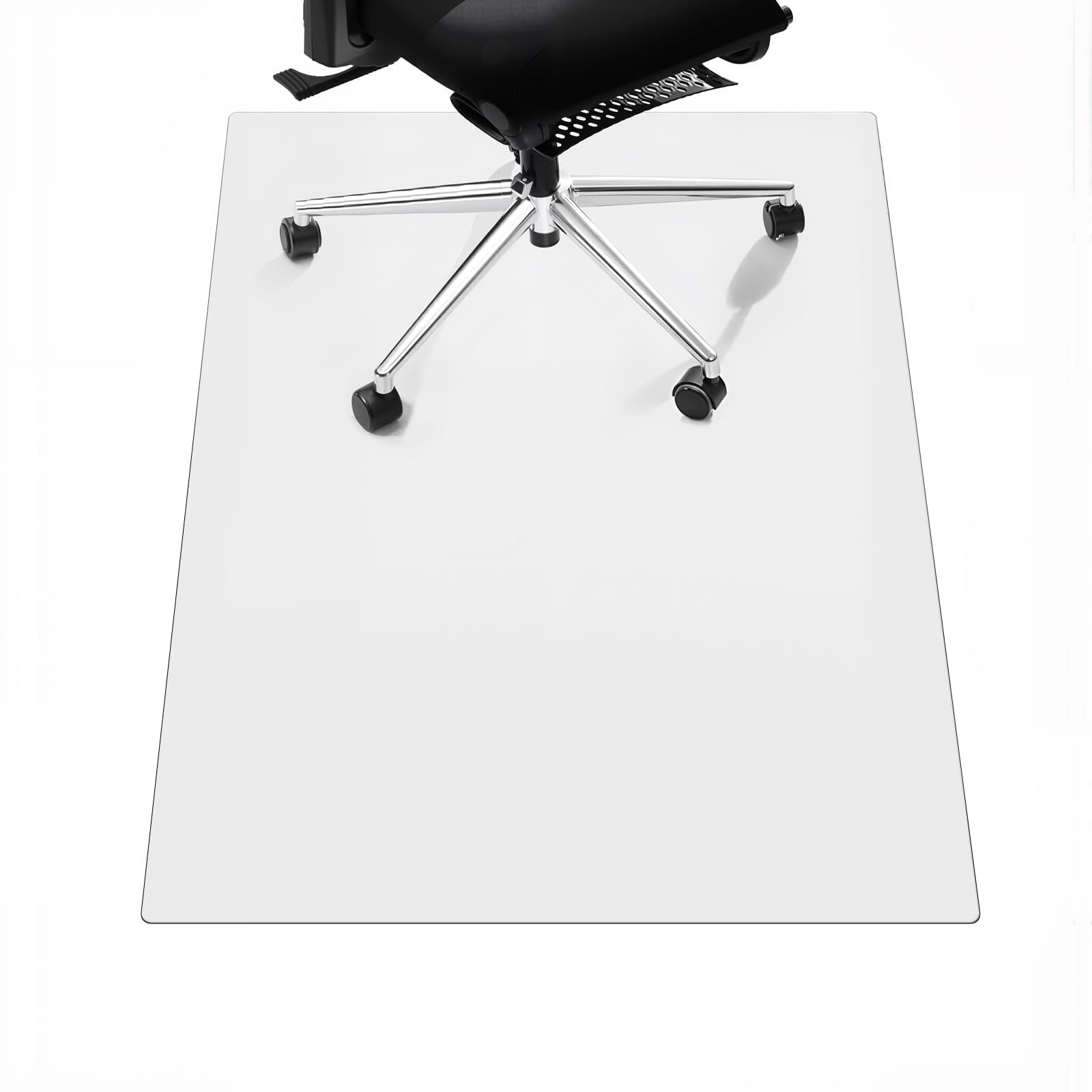
- Rectangle mats: Simple, for open spaces or if your desk has a central pedestal.
- Check weight capacity and durability: If you’re a bigger individual or tend to slam back into your chair, choose a mat explicitly labeled “heavy-duty” or with a high weight rating (often 300+ lbs). Polycarbonate is best here.
- Decide on transparency: Clear mats show off your carpet color, while textured or opaque mats hide dirt and scratches better. If you want the carpet to be visible, opt for optical-grade polycarbonate.
Comparison: Types of Carpet Chair Mats at a Glance
| Mat Type | Best Carpet Match | Durability | Eco-Footprint | Typical Price Range |
|---|---|---|---|---|
| Standard PVC (Clear) | Low to medium pile | Good (5-7 years) | Moderate (PVC not easily recycled) | $40 – $80 |
| Polycarbonate (Virtually Unbreakable) | All piles, especially high | Excellent (10+ years) | Low (long life offsets waste) | $90 – $150 |
| Recycled PET (Eco) | Low to medium pile | Very Good (5-8 years) | Excellent (made from bottles) | $50 – $100 |
| Heavy-Duty (with reinforced cleats) | High pile, commercial use | Excellent | Varies | $100 – $180 |
Common Mistakes When Buying a Chair Mat for Carpet
- Using a hard floor mat on carpet: It will slip and slide, potentially causing accidents. The smooth backing has no grip.
- Ignoring the “off-gassing” smell: Some PVC mats have a strong chemical odor. If sensitive, look for “low-VOC” or leave the mat to air out in a garage for a few days.
- Buying too small: A mat that only covers the immediate chair base will leave your feet on bare carpet, creating an uneven feeling and reducing protection where you need it most.
- Forgetting about caster compatibility: While rare, some rubber or soft casters can grip too much on certain mat textures, causing jerky movement. If you have upgraded casters, check reviews.
✅ Carpet Longevity
Prevents fiber crush and wear patterns.
⚡ Effortless Mobility
Glide instead of drag.
🛡️ Floor Warranty Protection
Many carpet warranties require mats.
🧼 Easier Cleaning
Wipe the mat, vacuum underneath.
Frequently Asked Questions About Carpet Chair Mats
Final Verdict: Invest in the Right Shield
Your office carpet is a significant part of your workspace ambiance. An office chair plastic mat for carpet is not just an accessory—it’s a necessity. By understanding your carpet type, measuring your space, and choosing between PVC, polycarbonate, or eco-friendly materials, you’ll extend the life of both your flooring and your chair.
Think of the mat as the silent guardian that lets you focus on work, not on why your chair suddenly won’t roll. Whether you need a heavy-duty mat for a executive suite or a recycled option for a green home office, the market has a perfect fit. Use this guide, check the product listings above, and roll smoothly into a protected future.