
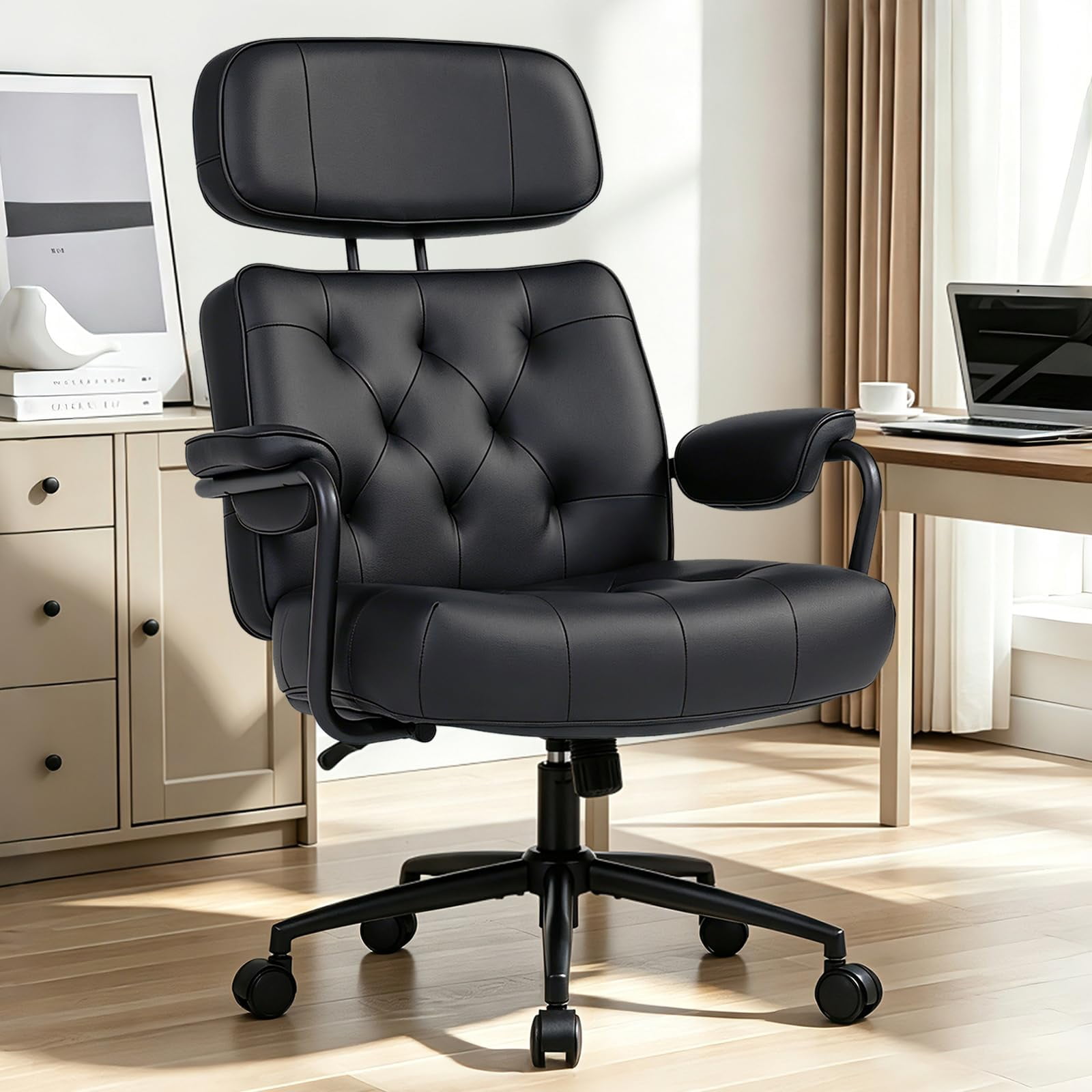
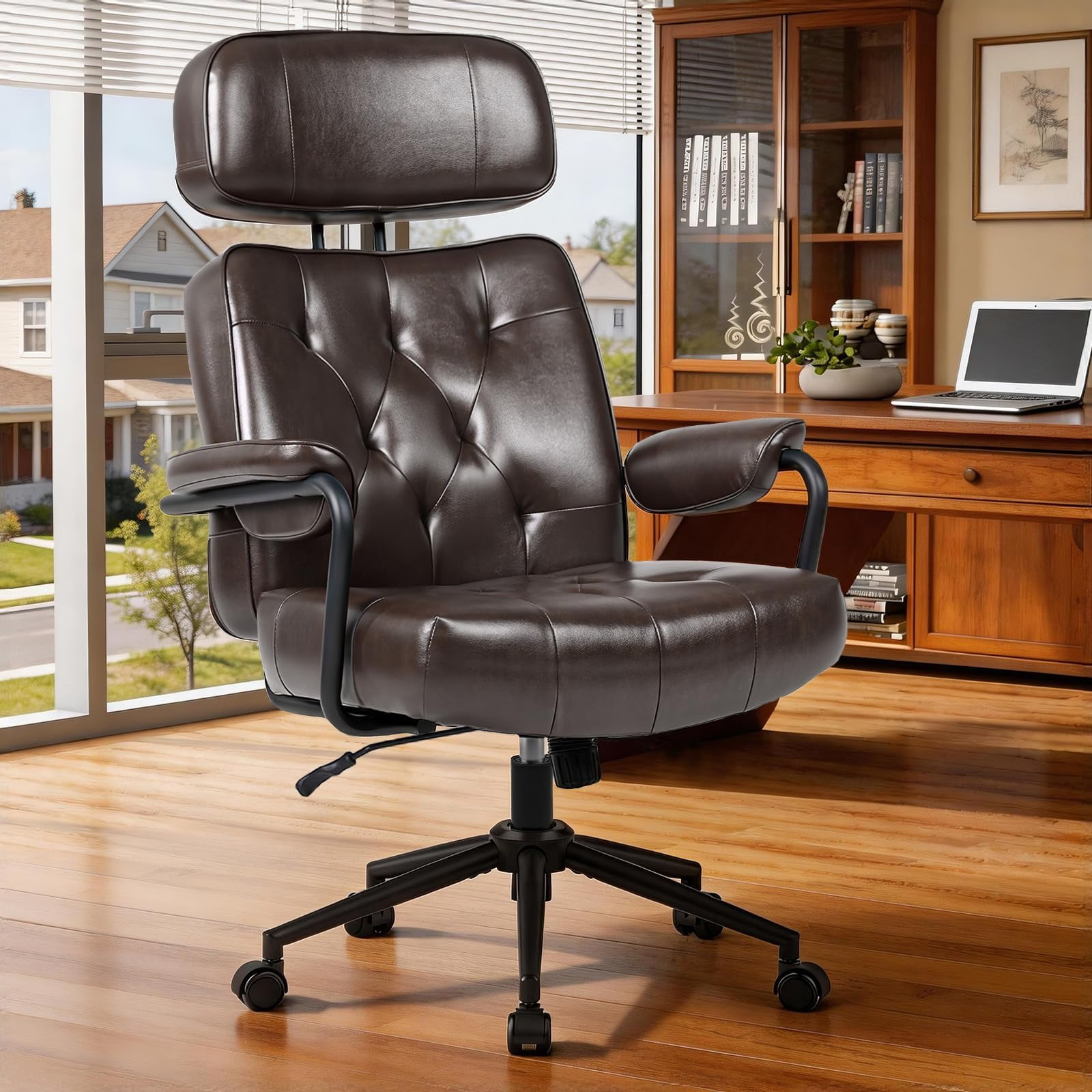
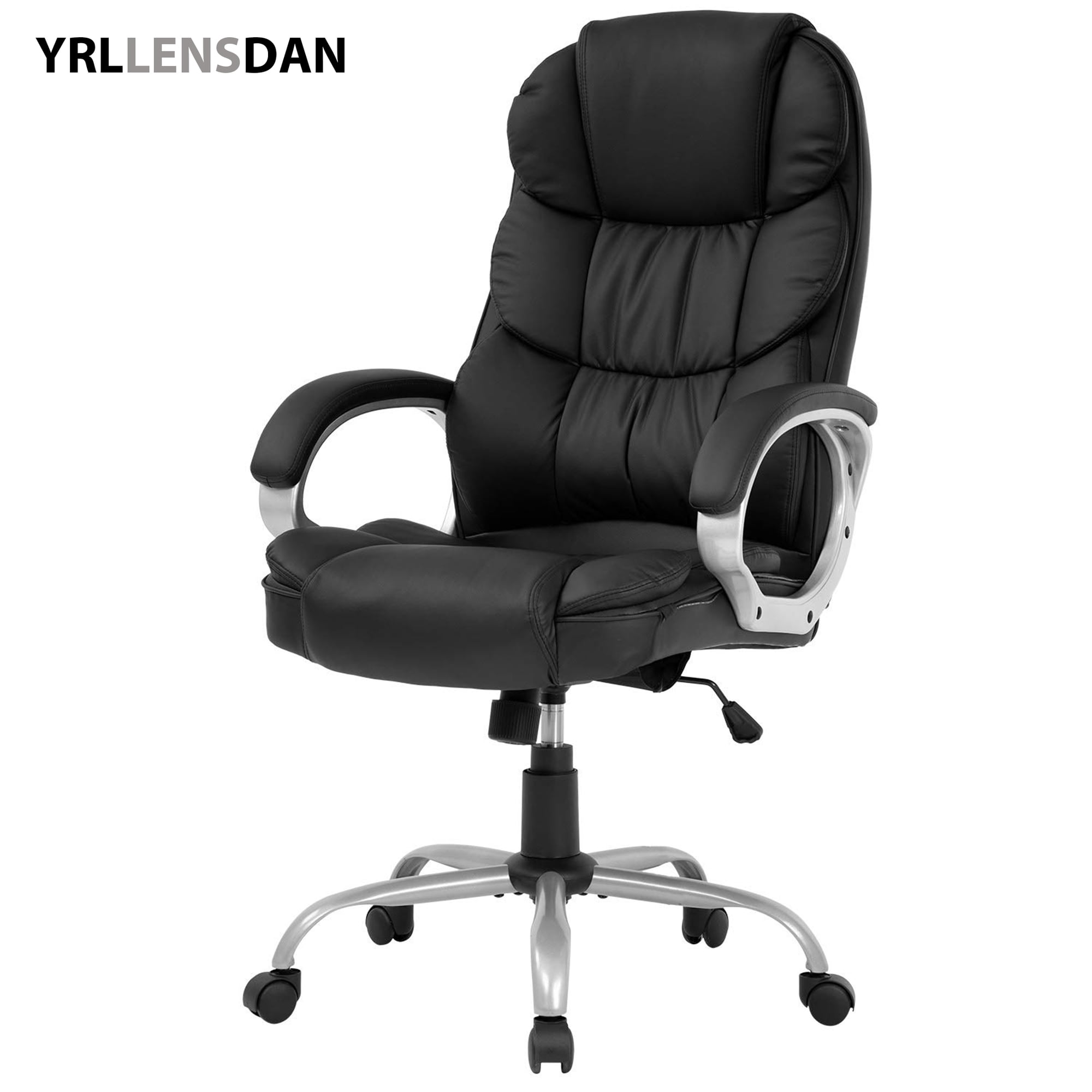
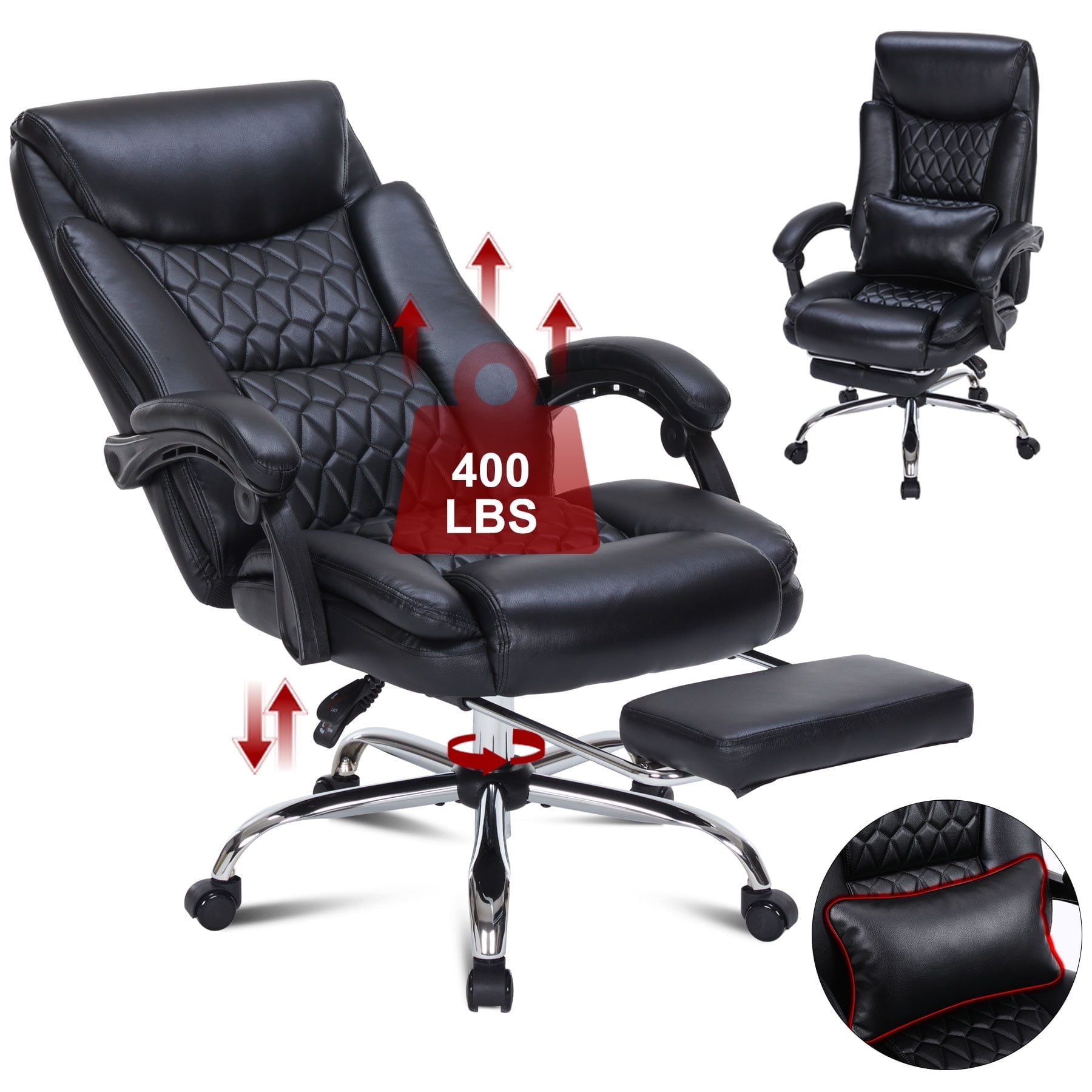
The Quest for the Perfect Big Comfy Office Chair
Imagine settling into your chair at the start of the workday. Instead of a firm, unforgiving surface, you're greeted by a deep, plush cushion that feels like a supportive cloud. The seat is wide enough to move freely, and the backrest wraps around you in cozy comfort. This isn't a luxury reserved for a corner office; it's the reality of owning a big comfy office chair. For anyone spending hours at a desk—whether you're a remote worker, a gamer, or a busy executive—the chair is your home base. Choosing one that prioritizes comfort without sacrificing support is one of the best investments you can make in your daily well-being and productivity.
However, finding that perfect balance between "comfy" and "supportive" can be tricky. A chair that's too soft can lead to slouching and back pain, while one that's too firm can feel like sitting on a park bench. This guide is designed to navigate you through the plush landscape of oversized, cozy office seating. We'll break down the anatomy of a truly comfortable chair, explore the best materials for all-day sitting, and provide a step-by-step framework to find your perfect match.
The Anatomy of a Big Comfy Office Chair: More Than Just a Soft Seat
A truly great big comfy office chair is an engineering marvel. It's not just about piling on the padding; it's about a thoughtful combination of structure, materials, and ergonomics. Let's dissect the key components that separate a glorified cushion from a long-term seating solution.
1. The Foundation: High-Resiliency Foam and Layered Support
Think of a high-quality chair cushion like a luxury mattress. It uses a layered approach. The base layer is typically made of high-density polyurethane foam. This firm foundation provides the necessary support to keep your pelvis aligned and prevent you from bottoming out. On top of that, manufacturers often add a layer of memory foam or a soft topcoat. This layer conforms to your unique body shape, relieving pressure points on your hips and thighs.
- The "Goldilocks" Principle: You want a cushion that's neither rock-hard nor a bottomless pit. When you sit, you should sink in just an inch or two before feeling solid support.
- Durability Check: Look for chairs that specify "high-density" or "HR" foam. This ensures the cushion won't go flat after a few months of use.
2. The Frame: Generous Proportions for True Comfort
What makes a chair feel "big"? It's more than just a high weight capacity. It's about the actual dimensions of the seat and backrest. A standard office chair seat might be 19 inches wide. A big comfy office chair typically starts at 22 inches and can go up to 30 inches or more. This extra width is a game-changer for several reasons:
- Freedom of Movement: Allows you to shift positions, cross your legs, or sit in a more relaxed posture without feeling constrained.
- Pressure Distribution: A wider seat spreads your weight over a larger area, reducing pressure on the outer thighs and hips.
- Deep Seating: Look for a seat depth of at least 20-21 inches. This provides ample support for taller individuals and allows you to sit fully back in the chair.
3. The Upholstery: The Touch Factor
The material covering your chair plays a huge role in the perception of comfort and its practical use. Here's a quick comparison of popular options for a cozy feel:
Fabric (Polyester, Linen, Velvet)
- ✓ Pros: Soft to the touch, breathable (less sweaty), huge variety of colors/textures, often quieter.
- ✗ Cons: Can stain more easily, may trap odors, can pill over time with low-quality fabric.
Leather (Bonded, PU, or Top-Grain)
- ✓ Pros: Easy to wipe clean, develops a unique patina, feels luxurious and smooth.
- ✗ Cons: Can be cold in winter and sticky in summer (unless perforated), can crack without conditioning, often less forgivingly soft than fabric.
For the ultimate in "big comfy," many users prefer high-quality fabric or a plush velvet. It provides that cozy, inviting texture that makes you want to sit down and stay awhile.
4. The Ergonomic Core: Support You Can't See
Here's the most critical point: comfort is not the absence of support; it's the perfect integration of it. A big comfy chair must still have ergonomic bones. This includes:
- Built-in Lumbar Support: The backrest should have a pronounced curve or an adjustable pad that fits into the small of your back. This prevents slouching.
- Waterfall Seat Edge: The front of the seat should curve gently downward. This relieves pressure behind your knees and promotes healthy blood circulation to your legs.
- Robust Mechanism: Look for a chair with a tilt mechanism that allows you to recline and lock it at various angles. A bit of recline throughout the day changes the pressure on your spine and reduces fatigue.
Data Point: A study in the journal "Applied Ergonomics" found that workers using chairs with high-quality foam and adjustable lumbar support reported a 38% reduction in overall discomfort by the end of the workweek compared to those in standard task chairs.
5. The "Sink-In" Factor vs. The "Stand-Up" Test
There's a simple test you can do when evaluating a chair. First, the "sink-in" test: Sit down and feel how the cushion conforms to you. Does it feel welcoming? Do you feel any hard spots? Second, the "stand-up" test: After sitting for a minute, stand up. Does the chair make it easy to get up, or do you have to struggle to push yourself out of a deep pocket? A well-designed big comfy chair will be easy to rise from because the foam density is high enough to provide a stable platform.
Frequently Asked Questions About Big Comfy Office Chairs
Conclusion: Finding Your Perfect Seat
Choosing a big comfy office chair is a personal journey. There is no single "best" chair, only the best chair for *you*. By understanding the anatomy—from the high-density foam foundation to the welcoming upholstery and hidden ergonomic supports—you are now equipped to make an informed decision.
Remember, the goal is a harmonious blend of plushness and posture. A chair that feels like a gentle hug but keeps your spine aligned and your body energized. Whether you prioritize a wide, velvet seat or a breathable mesh back with extra-thick cushioning, let your comfort be your guide. Your workspace should be a place where you feel at ease and ready to tackle any challenge. Invest in a chair that supports both you and your ambitions.