
Introduction: The Timeless Appeal of a White Wood Office Chair
Imagine walking into your home office. The morning light filters in, highlighting the clean lines of your desk and the gentle curve of your chair. That chair, with its crisp white finish and warm wooden structure, isn't just a place to sit—it's a statement. A white wood office chair is the chameleon of the furniture world. It can be the centerpiece of a chic, modern setup or a subtle, elegant addition to a cozy, traditional room. Unlike all-leather or all-mesh chairs that scream "office," a white wooden chair often whispers "home," blending seamlessly into your living space while providing the functionality you need for work.
But its appeal isn't just skin-deep. The choice of a wooden base speaks to a desire for sustainability and durability. Wood, particularly hardwoods like oak, beech, or rubberwood, offers a strength and stability that some metal-and-plastic hybrids can't match. When combined with a thoughtful ergonomic design, a white wood office chair becomes a long-term investment in both your aesthetic pleasure and your physical well-being. In this guide, we'll explore the different styles, the ergonomic considerations specific to wood-framed chairs, and how to choose the perfect one for your unique workspace.
1. Styles of White Wood Office Chairs: Finding Your Perfect Match
The term "white wood office chair" encompasses a delightful variety of designs. Understanding these styles is the first step in finding a chair that you'll love for years. Think of the chair's style as the "personality" it brings to your room.
• Farmhouse & Cottage Charm
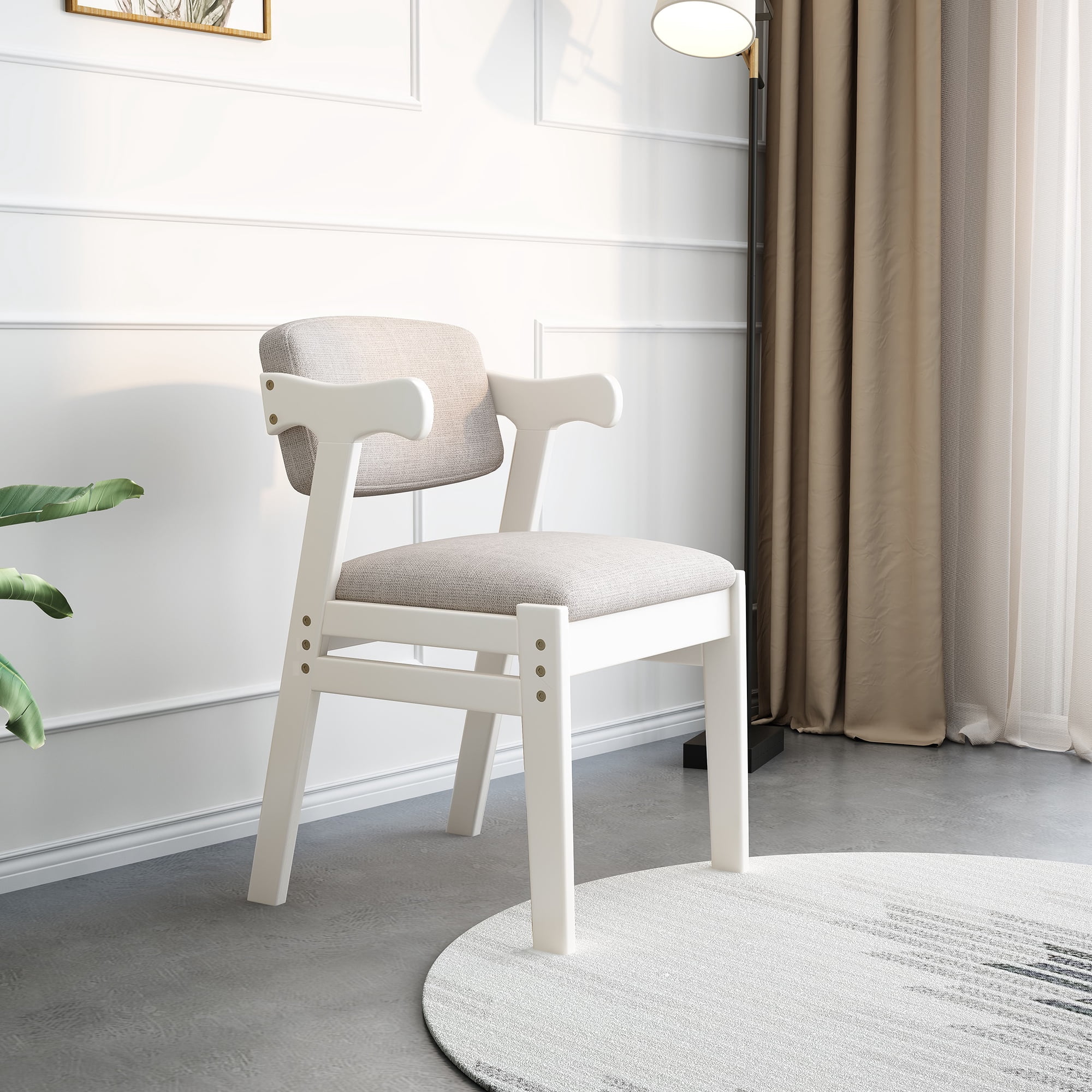
These chairs often feature a slightly distressed white finish, giving them a time-worn, cozy feel. Look for details like slatted backs, spindle backs, or a slight "saddle" shape to the wooden seat (often with a cushion for comfort). They pair beautifully with reclaimed wood desks and rustic decor. The goal here is to create a warm, inviting atmosphere that feels more like a creative studio than a corporate office.
• Mid-Century Modern Elegance
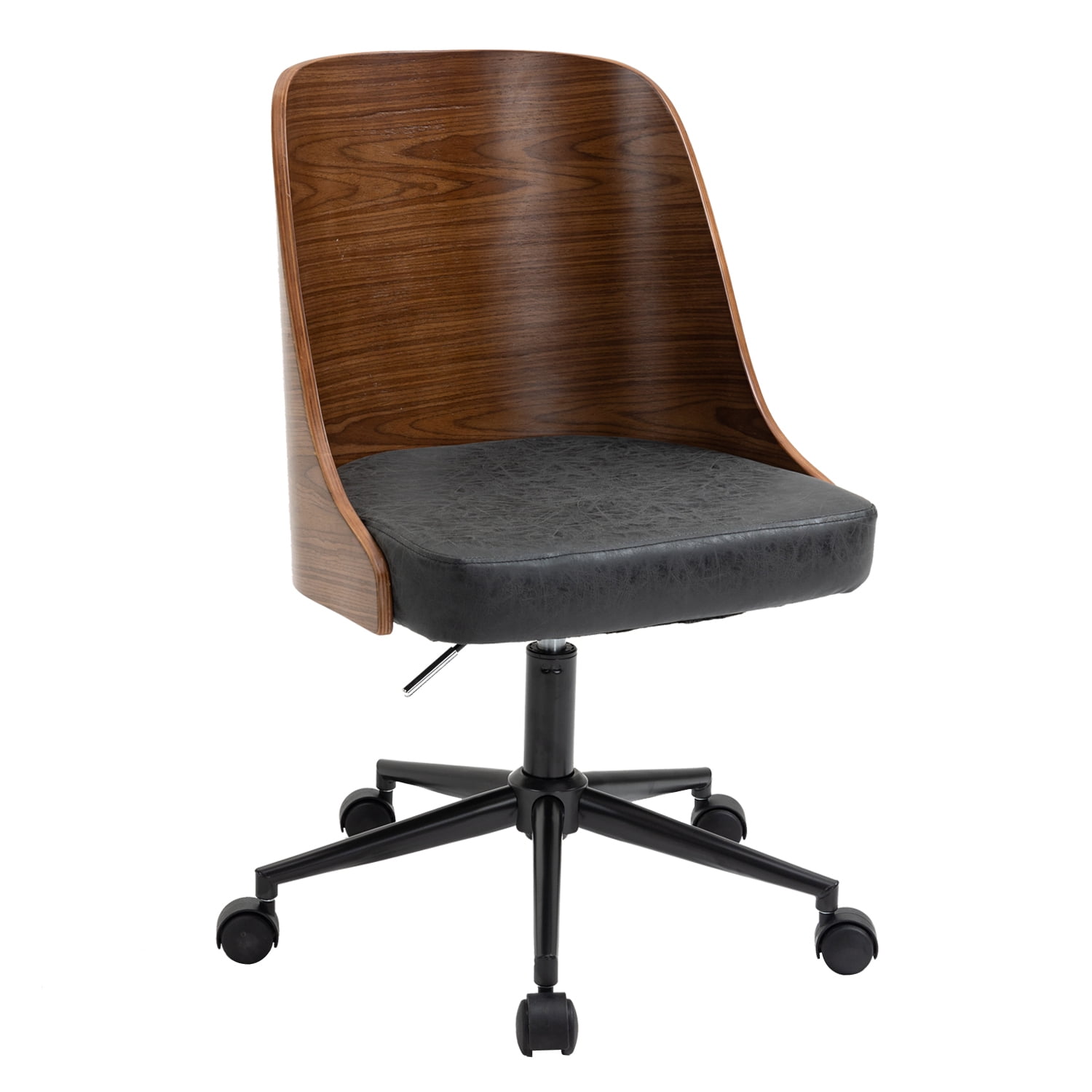
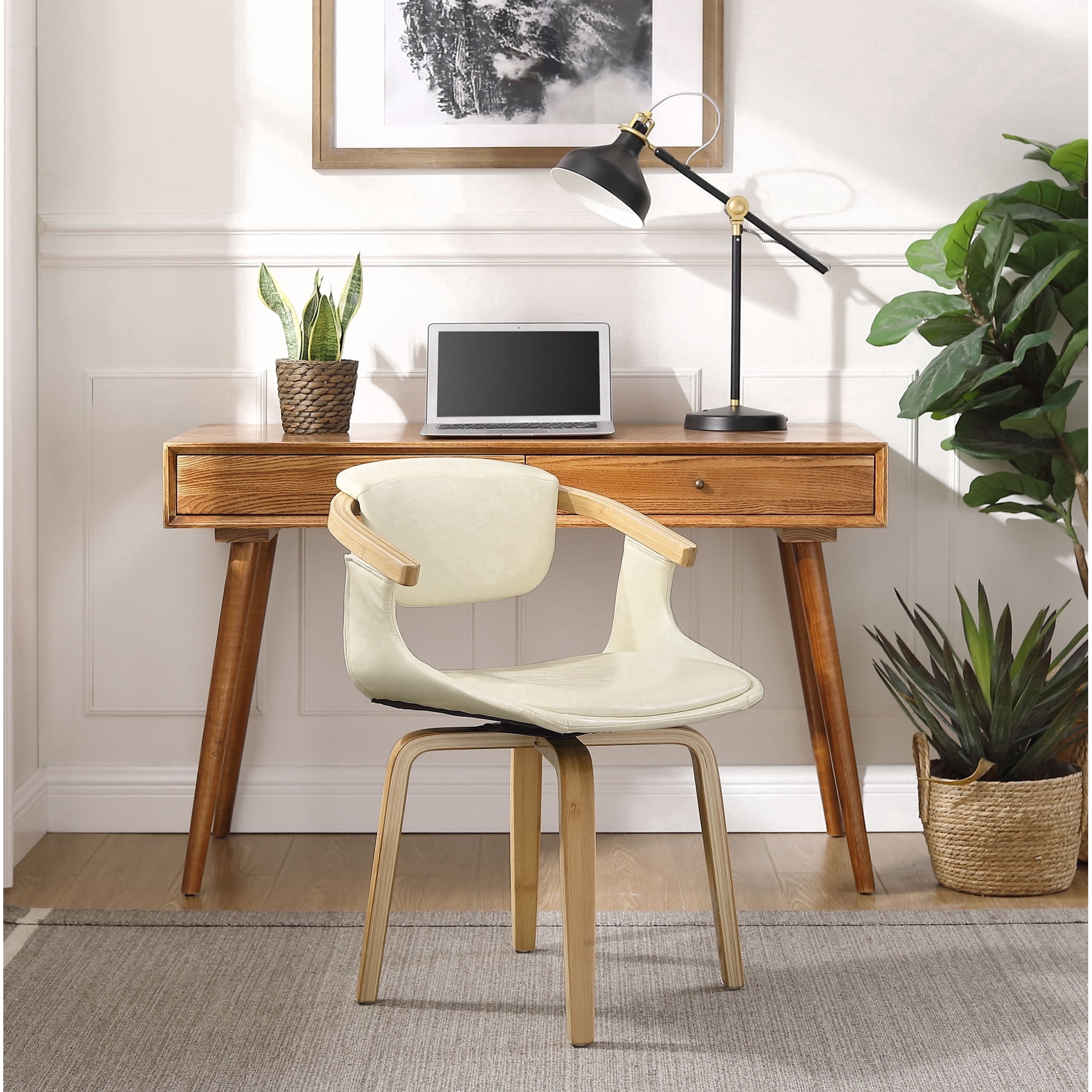
Characterized by clean lines, tapered wooden legs (often in a natural wood tone contrasting with the white seat), and organic shapes. A mid-century modern white wood office chair might have a molded plywood backrest that curves to support you, or a simple, sculptural form. These chairs are all about understated sophistication and work wonderfully in minimalist or Scandinavian-inspired interiors.
• Contemporary & Minimalist
These designs take a more streamlined approach. The wood might be painted in a sleek, high-gloss white, with geometric shapes and hidden mechanisms. You might find a chair with a solid white wood frame and a simple, upholstered seat pad. The focus is on form following function, with no unnecessary ornamentation. They are perfect for modern lofts or tech-forward home offices.
• Traditional & Executive
Yes, even traditional executive chairs can feature white wood! Imagine a classic high-back chair, but instead of being entirely leather-clad, it has a sturdy white oak frame with plush, upholstered cushions in the seat and back. This style combines the authority of an executive chair with the lightness and uniqueness of a wooden frame, making it a stunning focal point.
Design Insight: According to interior design trends for 2024, mixing materials like wood and upholstery in home office furniture increases by 35% as people seek to create workspaces that feel integrated with the rest of their home, rather than separate, sterile zones.
2. Key Features to Look for in a White Wood Office Chair
Beyond style, a chair must perform. Here’s a breakdown of the critical features to evaluate, ensuring your beautiful chair is also a supportive one.
| Feature | Why It Matters for a Wood Chair | What to Look For |
|---|---|---|
| Wood Type & Construction | Determines the chair's overall durability and weight capacity. Solid wood joints are superior to particle board. | Solid hardwoods like oak, maple, or beech. Mortise-and-tenon or dowel joints indicate quality craftsmanship. |
| Finish Quality | A good finish on a white-painted chair prevents yellowing, chipping, and makes cleaning easier. | Multi-step, lacquered or UV-cured finishes. Check reviews for mentions of the finish holding up over time. |
| Ergonomics & Support | Wood frames can be designed with ergonomic curves. The seat and back contours should support natural posture. | Contoured seat, lumbar support via backrest shape, adjustable height mechanism (gas lift). |
| Comfort & Upholstery | Most wood chairs will have a cushioned seat. The quality of foam and fabric is key for all-day comfort. | High-density foam (at least 2-3 inches thick). Fabric should be durable and perhaps stain-resistant. |
| Base & Mobility | The base (often wood or metal) and casters affect stability and how easily the chair moves. | A sturdy 5-star base (wood or metal) for stability. Smooth-rolling casters suitable for your floor type. |
3. Ergonomic Benefits: Comfort Meets Craftsmanship
Some might think a chair with a wooden frame can't be as ergonomic as a high-tech mesh chair, but that's a misconception. When designed well, a white wood office chair offers unique ergonomic advantages.
- Natural Conformity: Wood, especially molded plywood, can be shaped to follow the body's natural curves, providing excellent lumbar and back support without the need for bulky padding.
- Stability and "Grounding": A solid wood frame often provides a feeling of sturdiness and stability that lighter chairs lack. This can subconsciously make you feel more secure and focused.
- Passive Ergonomics: The design of the chair encourages good posture. For example, a slightly forward-sloping seat (a "waterfall" edge) can help keep your feet flat on the floor and your spine aligned.
- Reduced Fatigue: Quality foam in the seat, combined with the slight "give" of a well-engineered wooden frame, can reduce pressure points and the fatigue that comes from sitting on a rock-hard surface for hours.
Statistic: A study in the "Journal of Ergonomics" noted that chairs with ergonomically contoured wooden seats can reduce sitting-induced pressure on the sciatic nerve by up to 20% compared to flat, unpadded wooden surfaces.
4. A Step-by-Step Guide to Choosing Your White Wood Office Chair
Making a final decision can feel overwhelming. Follow this simple guide to narrow down your choices.
- Step 1: Measure Your Space. Before you fall in love with a design, measure your desk height, the space under your desk, and the room's footprint. A chair with armrests must slide comfortably under your desk.
- Step 2: Define Your Style. Look at your existing decor. Is it modern, farmhouse, or eclectic? Choose a chair style (from the list above) that complements, not clashes with, your room's vibe.
- Step 3: Prioritize Your "Must-Haves". Do you need intense lumbar support? Then focus on chairs with a pronounced curve in the backrest. Is soft seating your priority? Then look for chairs with thicker, high-density foam cushions.
- Step 4: Check the Specifications. Pay close attention to the wood type, weight capacity, and the type of casters (e.g., felt pads for hardwood floors, rubber for carpets). This ensures the chair is practical for your daily life.
- Step 5: Read User Reviews (Wisely). Look for reviews that mention the chair's comfort after several months, the durability of the white finish, and the ease of assembly. This gives you real-world insight beyond the product description.
5. Caring for Your White Wood Office Chair
Maintaining the pristine look of a white chair is a common concern. With the right care, it's entirely manageable.
Daily & Weekly Care
- Dust regularly with a soft, dry microfiber cloth to prevent buildup.
- For the upholstery, vacuum using an upholstery attachment to remove crumbs and dust.
- Wipe up spills immediately with a clean, dry cloth. Blot, don't rub.
Deep Cleaning & Protection
- For painted wood, use a damp cloth with a drop of mild dish soap. Dry immediately.
- For fabric stains, follow the manufacturer's guide. A fabric protector spray can be a good preventive measure.
- Avoid placing the chair in direct, harsh sunlight to prevent the white finish from yellowing over many years.
Frequently Asked Questions About White Wood Office Chairs
Conclusion: Invest in Beauty and Comfort
Choosing a white wood office chair is about more than just finding a place to sit. It's about curating a workspace that inspires you, reflects your personality, and supports your health. These chairs prove that you don't have to sacrifice aesthetics for ergonomics. With their sturdy construction, timeless appeal, and surprising versatility, a white wood office chair can be the piece that ties your home office together, making it a place where you're happy to work. Take your time, consider the styles and features we've discussed, and choose a chair that you'll be proud to sit in for years to come.