


Why “Comfy” Matters More Than Ever in Your Home Office
Imagine settling into your chair at 9 AM, and when you finally glance at the clock, it’s already lunchtime — but your back doesn’t ache, and you haven’t shifted uncomfortably for hours. That’s the magic of a truly comfy home office chair. It’s not just about softness; it’s about a seat that welcomes you, supports you, and almost disappears beneath you, letting your mind focus entirely on your work.
With remote work now a permanent fixture for millions, your home office chair has become the most-used piece of furniture in your house. According to a 2023 survey by OnePoll, the average work-from-home professional spends 9.2 hours sitting at their desk. Yet, many still make do with a wooden kitchen chair or a cheap hand-me-down. Investing in a chair that feels like a warm hug while keeping your spine aligned isn't a luxury — it's a productivity and wellness essential.
Anatomy of a Perfectly Comfy Home Office Chair
What separates a merely "okay" chair from one you'll look forward to sitting in? Let's break down the layers of comfort.
1. The Seat: Your Foundation of Comfort
The seat is where you spend 99% of your time. A comfy home office chair typically features high-density foam that’s thick enough to prevent you from feeling the hard base below. Some premium models use memory foam that contours to your unique shape. Look for a "waterfall edge" — a gently sloping front that prevents pressure behind your knees, keeping your legs comfortable even during marathon work sessions.
- Seat depth: Ideally 17–20 inches so you can sit with your back against the lumbar support while leaving 2–3 inches between the seat edge and your knees.
- Plushness scale: Some prefer a firm-plus-soft balance, others want a sink-in cloud. If possible, test the “give” of the foam.
- Breathable topper: Fabric or mesh seats prevent that sticky feeling in warmer months.
2. Backrest: Support That Cradles You
A comfy backrest doesn't mean a limp, saggy surface. It means a frame that gently follows your spine’s natural S-curve, often with an extra layer of padding over the lumbar area. Many modern comfortable chairs use a combination: a flexible mesh back for airflow, with a padded lumbar pillow that you can adjust. It’s like having a small cushion tucked exactly where you need it.
3. Armrests: The Often-Forgotten Comfort Zone
Hard plastic armrests are the enemy of "comfy." Look for chairs with padded, wide armrests. Even better if they are adjustable in height and width (often called 2D or 4D armrests) so you can rest your arms naturally while typing, reducing shoulder strain. Some armrests are even coated in a soft-touch material that feels warm, not cold.
Did you know? A study from Cornell University found that using armrests properly can reduce the load on your spine by up to 20%. When your arms are supported, your shoulders relax, and your entire upper body feels more at ease.
Material Matters: Fabric, Mesh, or Faux Leather?
The material of your chair dramatically affects the "comfy" factor. Here’s how to choose based on your vibe and climate:
🌬️ Breathable Mesh
Best for: Warm climates or if you tend to run hot. Modern mesh is flexible and supportive. Look for mesh with a woven pattern that has some give — it’s surprisingly cozy.
🛋️ Plush Fabric / Velvet
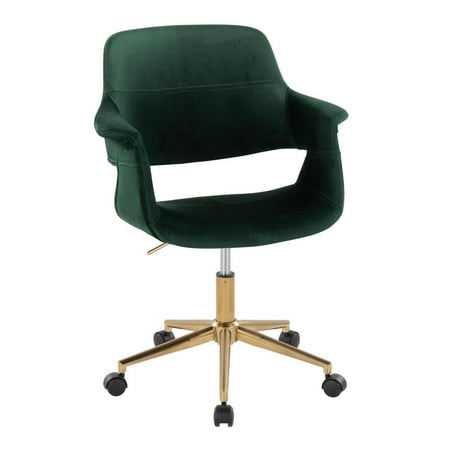
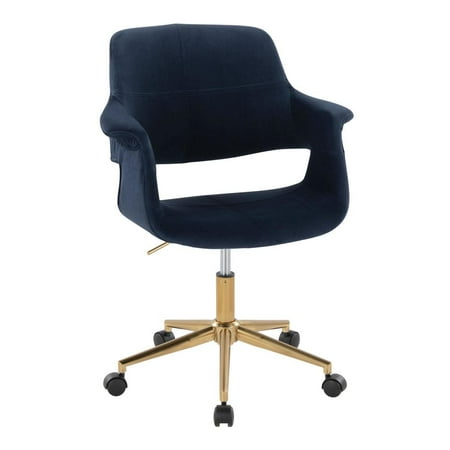
Best for: That "living room" feel in your office. Fabric (like linen, polyester blend, or even velvet) feels warm and soft to the touch. It often has a bit more cushioning on the surface.
✨ Faux Leather / PU
Best for: Easy clean-up and a sleek look. If you choose this, ensure the cushion underneath is extra plush, as leather can feel less forgiving than fabric. Great for a quick wipe after spills.
Ergonomics Meets Comfort: The Sweet Spot
Many people worry that "ergonomic" chairs look like cold, plastic contraptions from a sci-fi movie. But today, designers are merging medical-grade support with home-friendly coziness. A comfy home office chair should still offer:
- Adjustable lumbar support: Because your spine’s curve is unique.
- Tilt mechanism: A gentle recline (with adjustable tension) lets you lean back and think, or just give your back a change of angle.
- Height adjustment: So your feet rest flat on the floor, a non-negotiable for comfort.
Think of it this way: ergonomics provides the structure, and the plush materials provide the soul. You deserve both.
How to “Test” a Chair for Comfiness (Even When Shopping Online)
- Read between the lines of reviews: Look for phrases like “sitting 8 hours no pain,” “cushion didn’t flatten,” or “feels like a cloud.”
- Check the foam density: Manufacturers often list if it’s high-density foam or memory foam. Higher density = longer-lasting comfort.
- Look at the seat width: If you like to curl up or sit cross-legged, aim for a seat width of 22 inches or more.
- Examine the assembly instructions (if available): Sometimes you can see the thickness of the seat cushion in diagrams.
Setting Up Your Comfy Chair for Maximum Bliss
Even the most luxurious chair won't feel right if it's not adjusted to your body. Follow this quick 2-minute setup:
- Seat height: Adjust so your knees are at a 90-degree angle, feet flat.
- Lumbar support: The curve should fit into the small of your back, not too high or low.
- Armrests: Raise them so your elbows rest at a 90-degree angle while typing, allowing your shoulders to stay relaxed.
- Recline tension: Set it so you can lean back without feeling like you're fighting the chair, but it still supports you when upright.
A truly comfy chair works with your body, not against it. Take those 120 seconds to dial it in — your back will thank you at 5 PM.
Frequently Asked Questions About Comfy Home Office Chairs
Your Perfect Seat Awaits
Finding the right comfy home office chair is a personal journey — one that pays dividends in daily energy, focus, and physical ease. You no longer have to choose between a chair that looks professional and one that feels like a favorite reading nook. Modern designs blend both worlds seamlessly.
Remember, the most expensive chair isn't always the comfiest for you. Prioritize thick, resilient cushioning, breathable yet soft materials, and adjustments that let you tailor the fit. Your home office should be a place you enjoy being, and it all starts with the chair that holds you through every task, every call, and every creative spark.
Browse the curated selection above, read the reviews with your new "comfy" checklist in mind, and get ready to transform your work-from-home experience. Your back — and your mood — will thank you.