
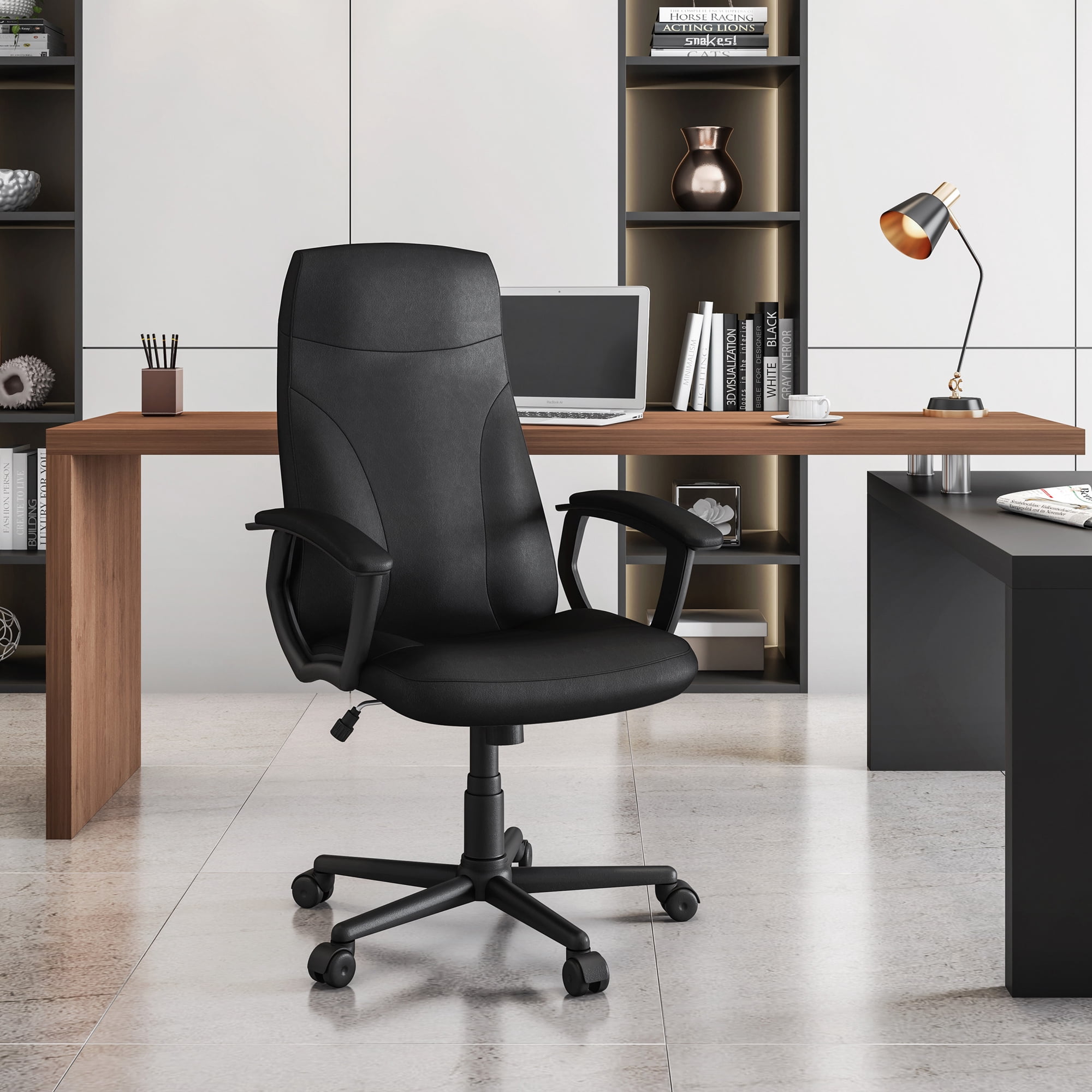
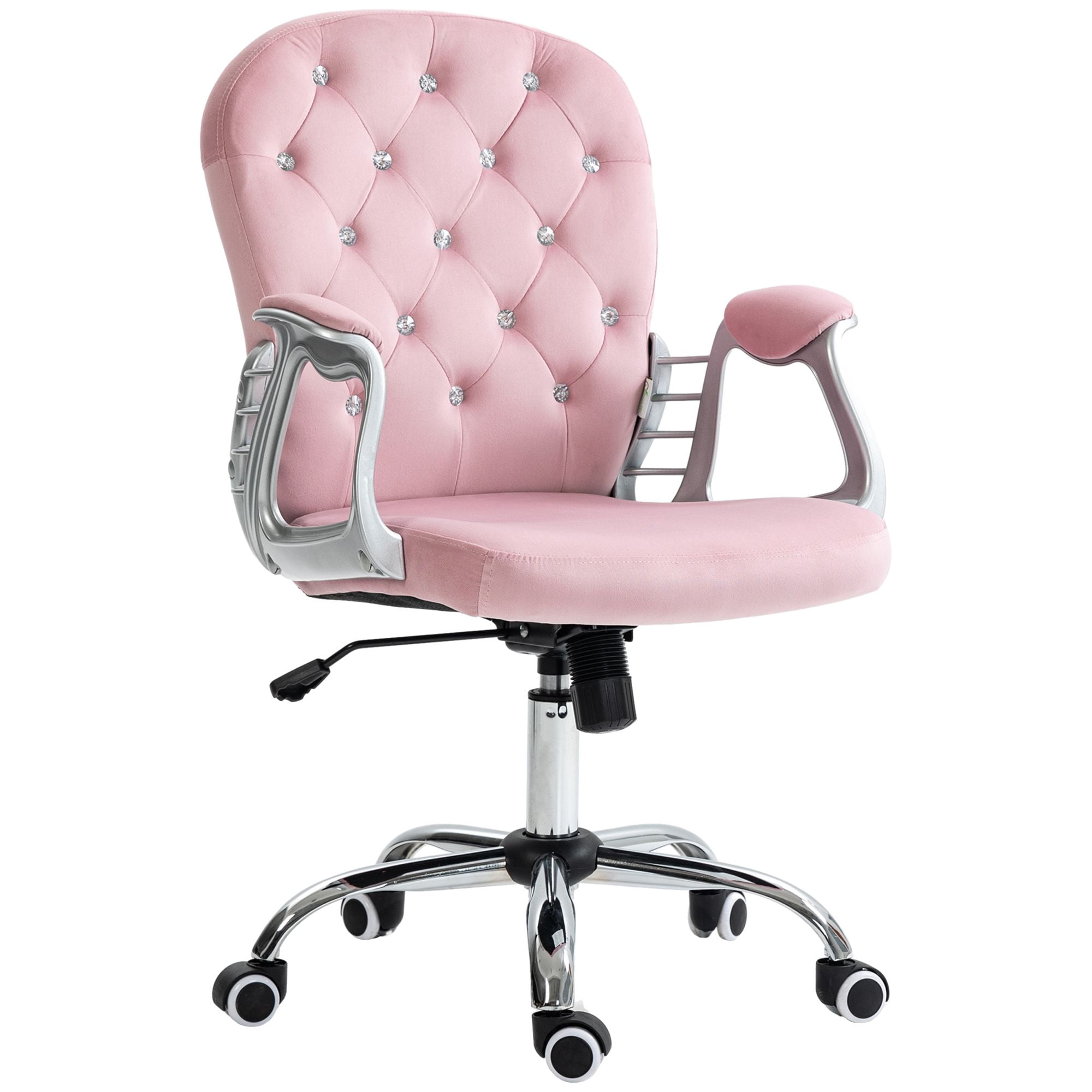
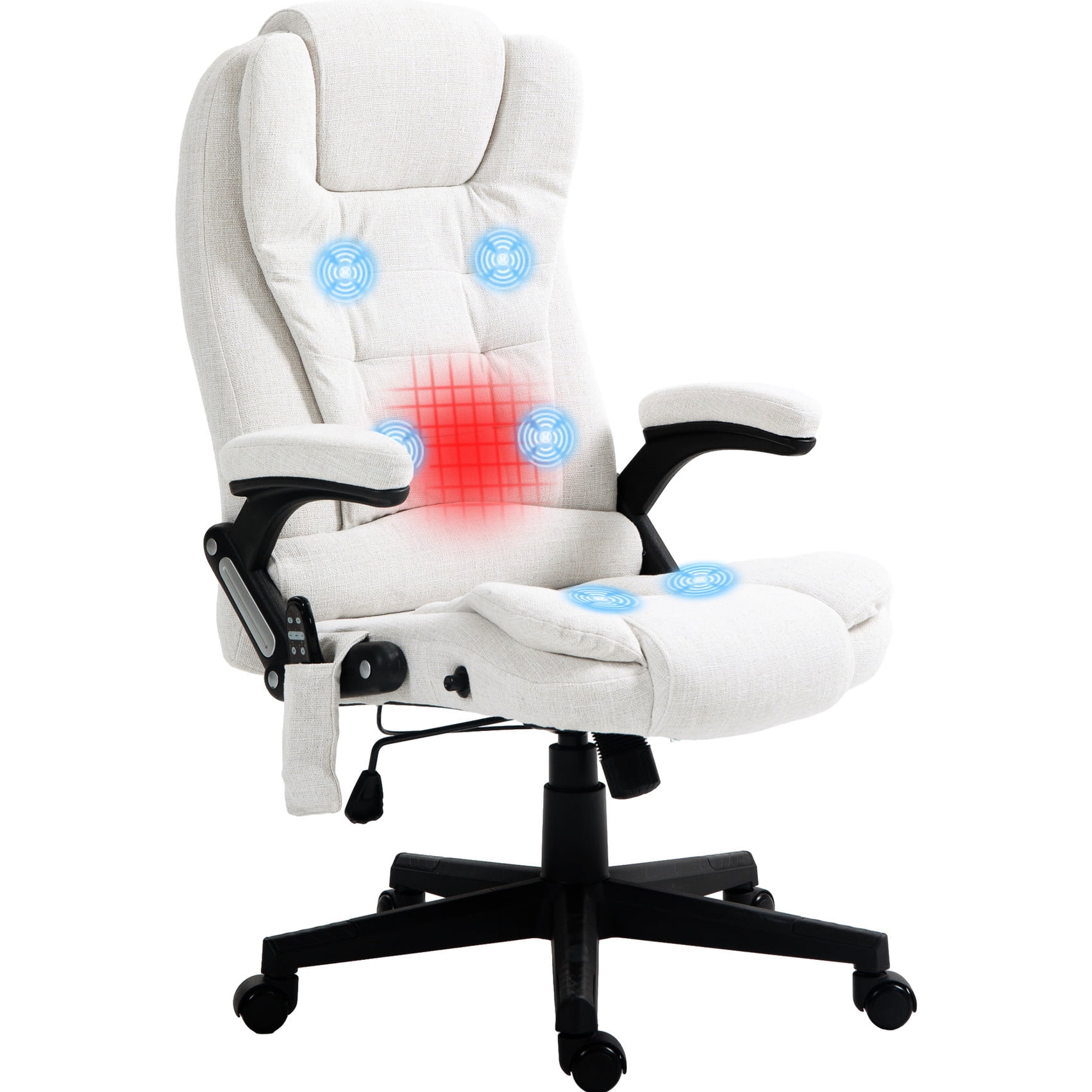
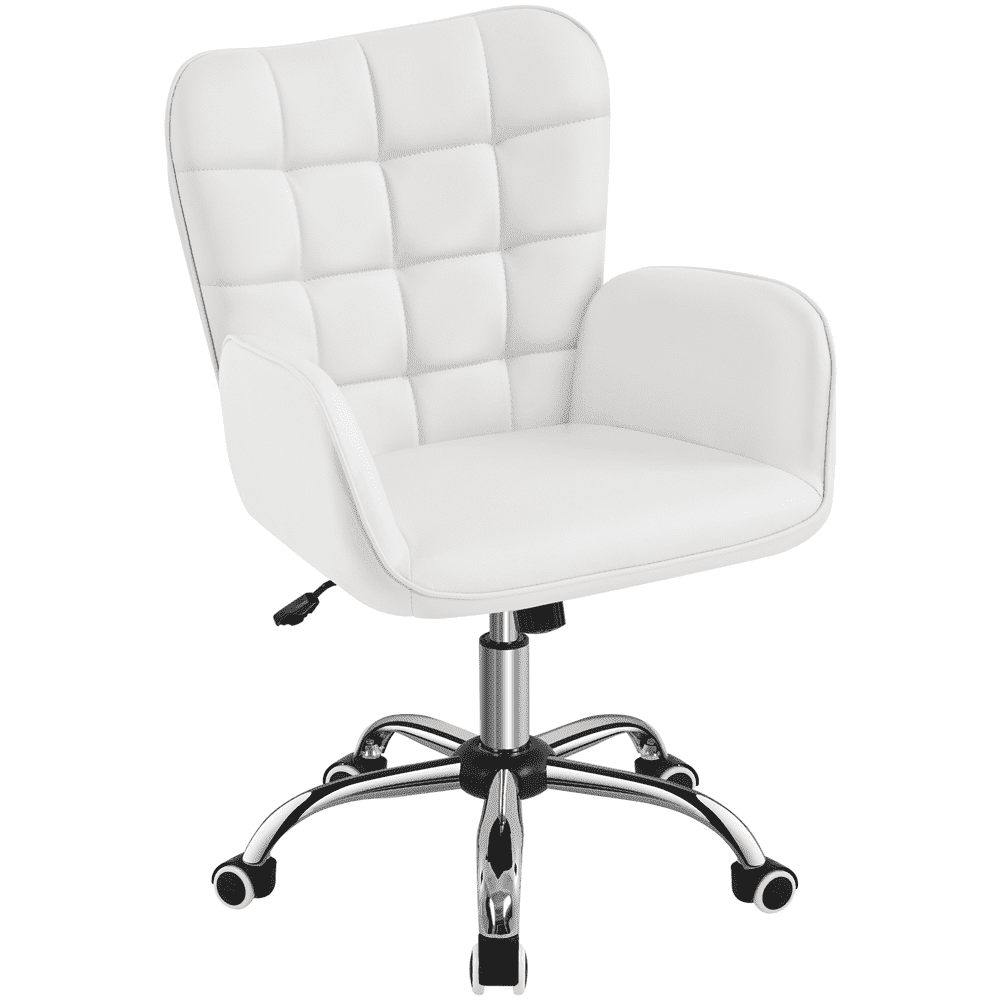
Why Padded Armrests Matter More Than You Think
Imagine resting your arms on a concrete ledge for eight hours. That's essentially what using an office chair with hard plastic or poorly padded armrests feels like. Your arms, elbows, and shoulders bear the brunt of this daily pressure, leading to discomfort, numbness, and even long-term issues like cubital tunnel syndrome. A high-quality office chair with padded armrests acts like a shock absorber for your upper body.
According to a study by the Human Factors and Ergonomics Society, proper arm support can reduce muscle activity in the shoulders and neck by up to 20%. This isn't just about "plushness"; it's about ergonomic intelligence. Padded armrests provide a stable, comfortable platform that allows your shoulders to relax, your elbows to rest at a safe 90-degree angle, and your wrists to float naturally over your keyboard. Think of them as the suspension system for your body's chassis—absorbing the bumps and vibrations of a long workday.
Anatomy of Comfort: What Makes a Great Padded Armrest?
Not all padding is created equal. The "feel" of an armrest is a result of several engineering and material choices. Let's break down the key components that separate a mediocre armrest from a cloud-like experience.
1. The Foam Density: Memory Foam vs. High-Resilience Foam
The core of any padded armrest is its foam. There are two main contenders:
- Memory Foam: This material conforms to the unique shape of your arm, offering a "hug-like" feel. It's excellent for pressure distribution but can sometimes feel a bit warm. Ideal for users who value plushness over firm support.
- High-Resilience (HR) Foam: This foam bounces back immediately. It offers firm, consistent support that doesn't bottom out over time. It's more durable and breathable than memory foam. Perfect for those who prefer a stable, non-sinking surface.
- Multi-Density Foam: Premium chairs often combine layers—a softer top layer for initial comfort and a firmer base layer for long-term support. This is the gold standard.
2. The Cover Material: Leather, Fabric, or PU?
The outer layer dictates the "feel" and maintenance of your armrests. Here’s a quick comparison:
✔ Genuine Leather / Top-Grain
- Breathable and softens with age.
- Extremely durable (lasts 10+ years).
- Easy to wipe clean.
- Conveys a premium, executive feel.
➤ PU Leather / Faux Leather
- Affordable and looks like leather initially.
- Easy to clean, but less breathable.
- Prone to cracking and peeling after 2-4 years.
- Common in mid-range office chairs.
✦ High-Quality Fabric (Mesh/Cloth)
- Highly breathable—no sweaty arms.
- Soft and warm to the touch.
- More friction, so arms stay in place.
- Can trap spills and stains more easily.
⏺ Specialty Materials (e.g., Gel-infused)
- Gel layers provide cooling and pressure relief.
- Often combined with foam for a unique feel.
- Excellent for hot climates or users prone to sweating.
- Less common and can be pricier.
3. Adjustability: The 4D Revolution
A static padded armrest is good; an adjustable one is transformational. Look for these adjustability features:
- Height Adjustment: Allows you to keep your elbows at a 90-degree angle, parallel to your desk. This is non-negotiable.
- Width Adjustment: Lets you move the armrests closer or farther apart to accommodate different body types or to tuck the chair under the desk.
- Depth Adjustment: Slides the pad forward or backward so your forearm is fully supported, not just your elbow.
- Pivot/Angle Adjustment: The armrest pad can tilt inward or outward to match your natural arm angle while typing or relaxing.
Chairs offering "4D" or "fully adjustable" arms give you the power to customize the fit like a tailored suit.
Matching Armrest Pads to Your Work Style
Your profession dictates how you use your armrests. Here’s a quick guide to choosing the right padding for your daily tasks:
- The Data Cruncher / Programmer: You spend hours typing. You need wide, highly adjustable armrests (4D) with a soft but supportive surface (HR foam with fabric or soft PU) to prevent elbow fatigue.
- The Executive / Manager: You're in meetings, on calls, and at your desk. You need armrests that look premium (leather) and feel plush (memory foam) for short bursts of comfort, with enough durability for years of use.
- The Creative / Designer: You move around, lean in, and recline frequently. You need armrests with a smooth, low-friction surface (leather or hard plastic with thin padding) that won't snag your clothing and allow for easy movement.
- The Gamer / Heavy User: You're in the chair for marathon sessions. You need the ultimate in plushness and adjustability. Look for chairs with thick, over-molded foam and cooling gel-infused covers.
📊 Did You Know? A survey by the Office Ergonomics Research Committee found that 78% of office workers reported that uncomfortable armrests were a major distraction. Furthermore, those with fully adjustable, padded armrests showed a 15% increase in self-reported productivity due to reduced fidgeting and discomfort.
The "Goldilocks" Test: How to Evaluate Armrest Padding In-Store
If you have the chance to test a chair before buying, use this simple 5-point checklist:
- The Press Test: Press your thumb firmly into the armrest pad. Does it sink in and slowly rebound (memory foam) or push back immediately (HR foam)? Decide which feel you prefer.
- The Glide Test: Rest your forearm on the pad and slide it forward and back. Does the material cause too much friction (fabric) or is it too slippery (some leathers)? A medium amount of grip is usually best.
- The Edge Test: Run your finger along the edges of the pad. Are they rounded and smooth, or square and sharp? Rounded edges prevent pressure points on your forearms.
- The Adjustment Check: Cycle through all the armrest adjustments. Do the levers feel sturdy? Does the pad lock into place securely, or does it wobble? Wobble is a sign of poor construction.
- The Duration Simulation: Sit in the chair for at least 10-15 minutes. Rest your arms naturally. Do you feel any "hot spots" or numbness? If so, the padding or shape isn't right for you.
Extending the Life of Your Padded Armrests
Even the best armrests need care. Here’s how to keep them looking and feeling new:
- For Fabric: Vacuum regularly with a brush attachment. For spills, blot immediately with a clean cloth and use a mild upholstery cleaner. Avoid saturating the foam underneath.
- For Leather: Wipe down weekly with a dry microfiber cloth. Apply a leather conditioner every 3-6 months to prevent drying and cracking, especially in air-conditioned or heated offices.
- For PU Leather: Clean with a damp cloth and mild soap. Avoid alcohol-based cleaners. Be aware that peeling is inevitable after a few years; consider using armrest covers when this happens.
- General Tip: Avoid resting your elbows on the armrests when getting up from the chair. This puts excessive leverage on the mechanism and can loosen them over time.
Frequently Asked Questions About Padded Armrests
Conclusion: Invest in Your Arms, Invest in Your Day
Choosing an office chair with padded armrests is a decision that echoes through every aspect of your work life. It's a commitment to daily comfort, long-term musculoskeletal health, and a more focused, less distracted workflow. We often obsess over lumbar support and seat cushion thickness, but your arms deserve equal attention. They are, after all, your primary interface with your keyboard, mouse, and desk.
By understanding the nuances of foam density, cover materials, and adjustability, you're now equipped to make an informed choice. Whether you're a data analyst, a CEO, or a creative, there's a perfect padded armrest waiting for you. Use the product grid above to start your journey, and remember: comfort isn't a luxury; it's a productivity tool.