
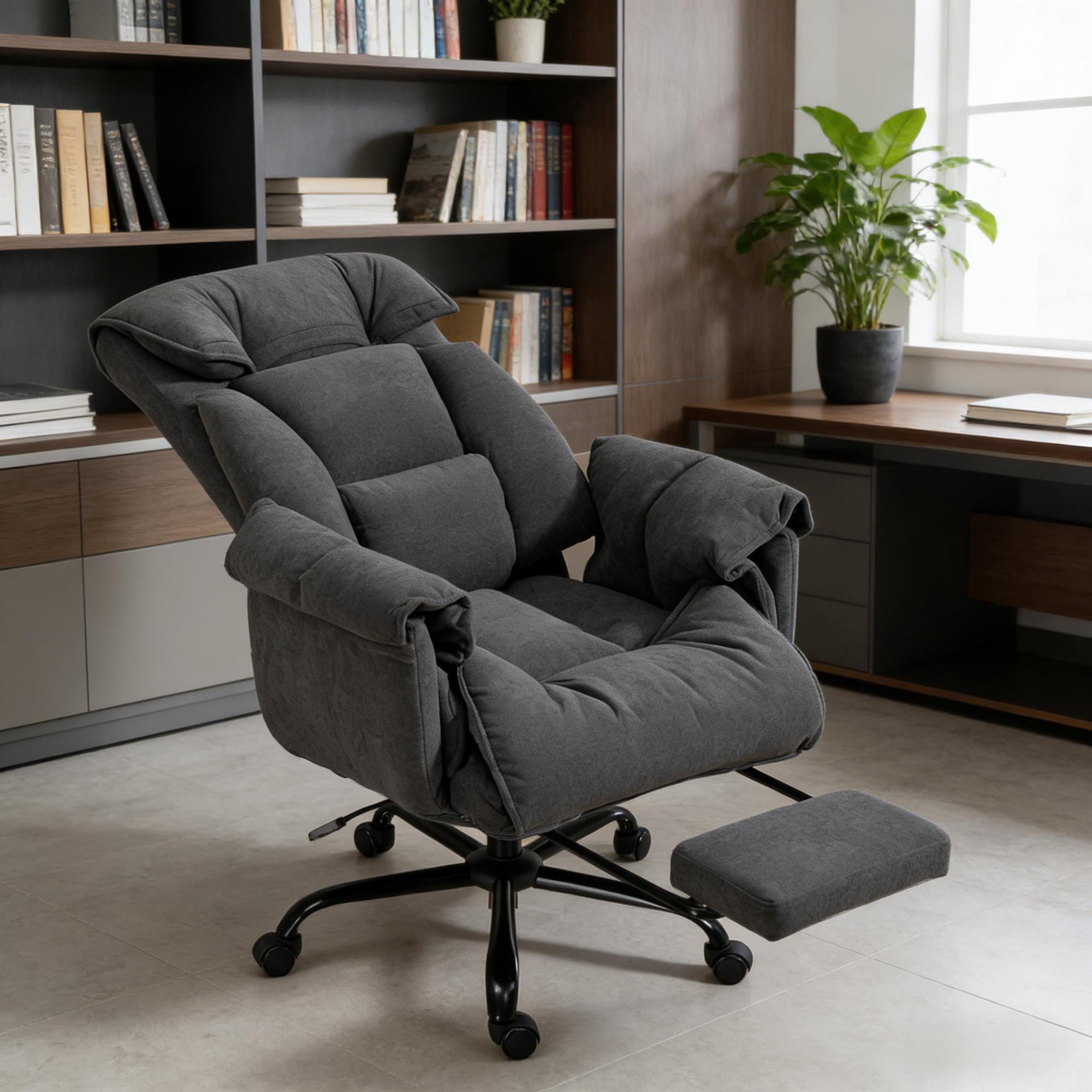
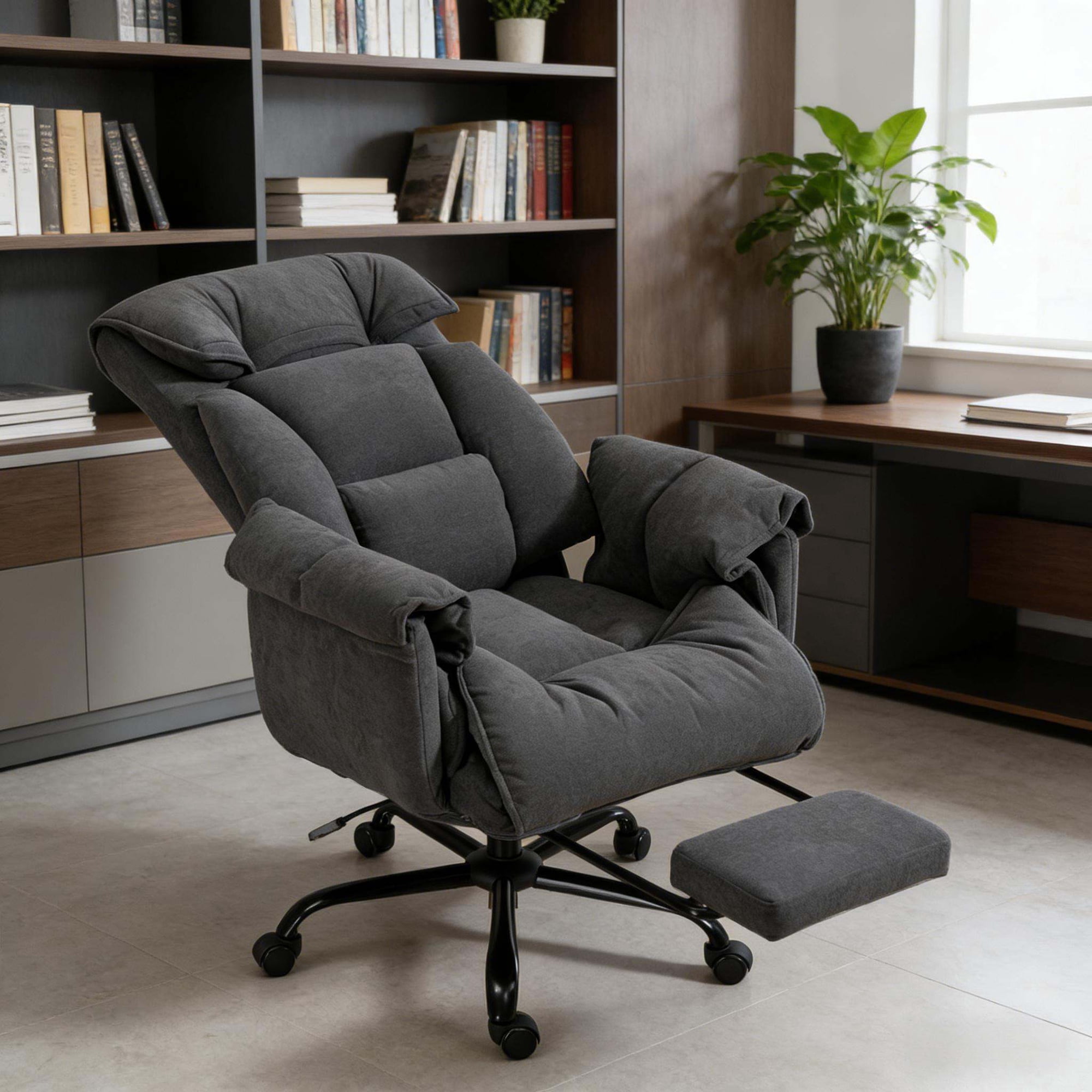
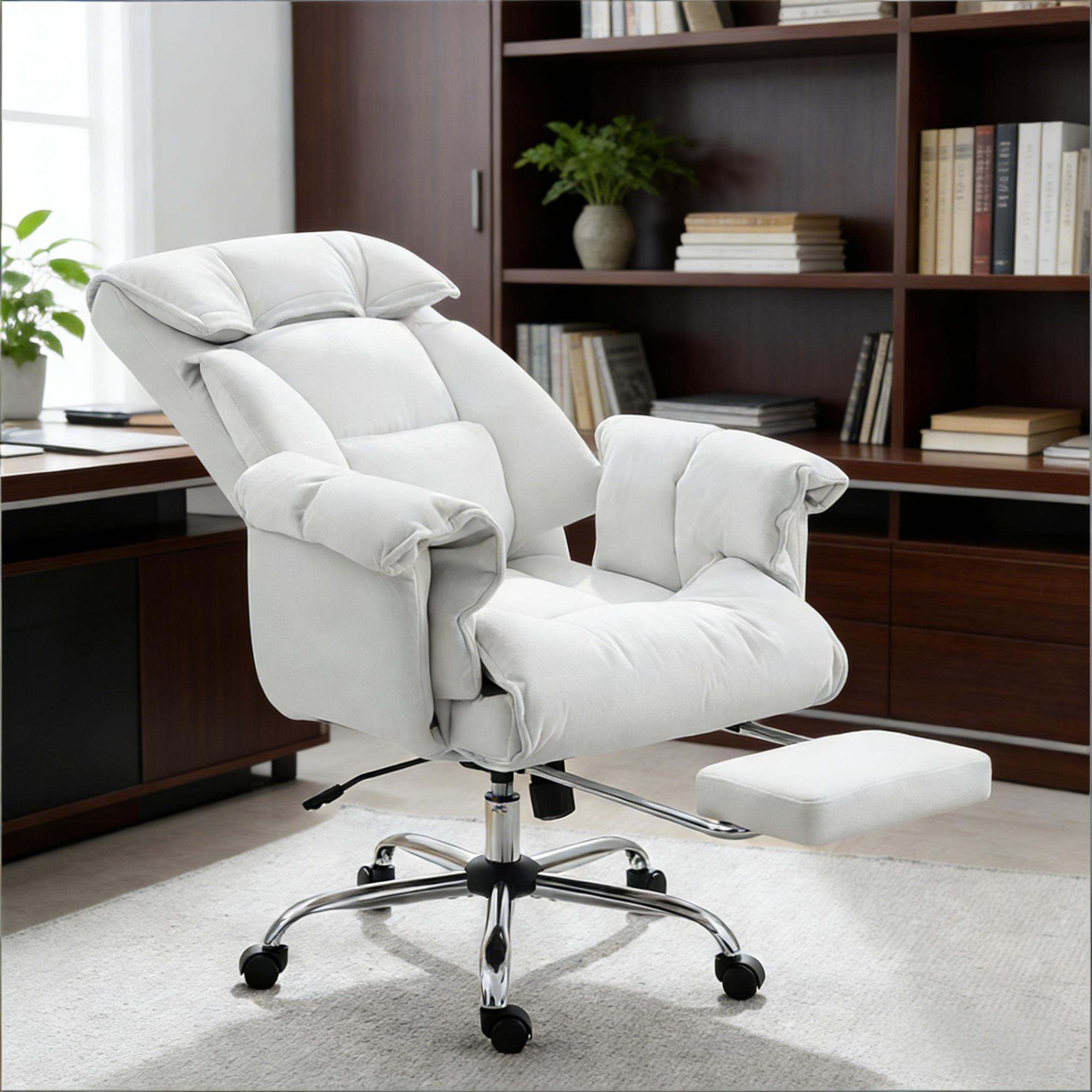
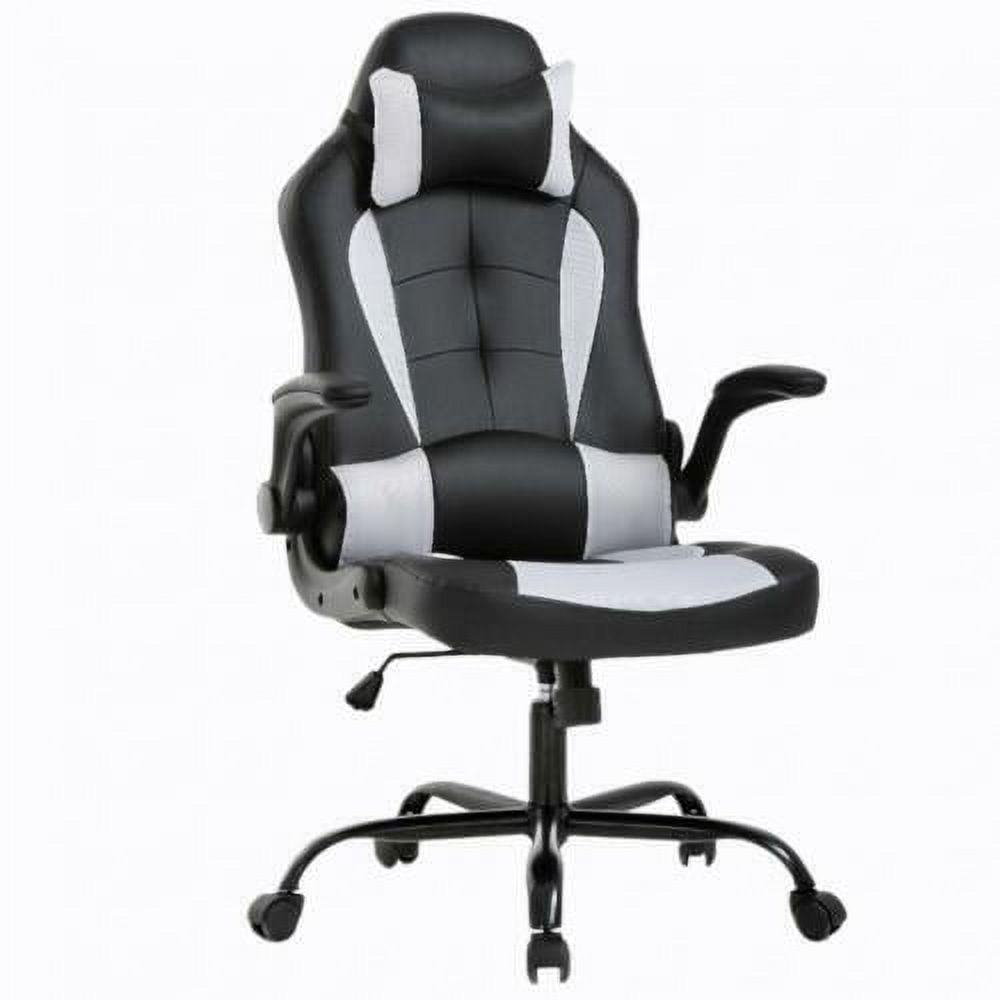
Why a High Back Reclining Office Chair Transforms Your Workday
A high back reclining office chair is more than just a place to sit—it's a mobile support system that adapts to your body's need for movement. Think of it like a well-engineered suspension bridge: the high back provides continuous support from your pelvis to your head, while the recline mechanism acts as the flexible cables that absorb stress and allow controlled motion. For anyone spending hours at a desk, the ability to recline safely is a game-changer for spinal health and mental clarity.
Ergonomics Insight: Research from the University of Alberta suggests that a 135-degree recline is the optimal angle for reducing spinal disc pressure. High back reclining chairs that support this angle can reduce disc pressure by up to 35% compared to upright sitting, significantly lowering the risk of chronic back issues.
Anatomy of a Quality Reclining Mechanism
Not all recline functions are created equal. Understanding the mechanics helps you choose a chair that feels smooth and lasts for years.
- Synchro-tilt mechanism: The backrest and seat tilt in a synchronized ratio (often 2:1 or 3:1). This keeps your feet on the floor and prevents shirt-riding, maintaining ergonomic posture even when reclined.
- Multi-function recline: Allows independent adjustment of back angle and seat tilt. Ideal for users who want to lock the seat flat while reclining, or vice versa. Offers maximum customization.
- Knee-tilt mechanism: The pivot point is near the front of the seat, allowing your thighs to remain relatively level as you recline. Great for maintaining circulation.
- Center-tilt (or butterfly) mechanism: A common, cost-effective design where the pivot is in the middle. It's simple but may cause the front of the seat to rise, which can be uncomfortable for shorter users.
Key Features to Look For
When evaluating a high back reclining office chair, pay close attention to these elements. They separate a short-lived gimmick from a long-term investment in comfort.
| Feature | Why It Matters | What To Look For |
|---|---|---|
| Recline Range & Locking | Defines your ability to rest or work in various postures. | At least 120-130 degrees; infinite locking positions or multiple preset angles. |
| Tension Control | Adjusts how much force is needed to recline. Critical for different body weights. | A sturdy knob or dial that lets you increase/decrease spring resistance. |
| Headrest Integration | Supports the neck and head during recline, preventing "text neck" in a leaned-back position. | Adjustable height and angle (2D or 3D headrest). |
| Lumbar Support | Even when reclined, your lower back needs consistent support. | Adjustable lumbar (height/depth) that stays in contact during recline. |
| Base & Casters | Stability is paramount when leaning back. A narrow base can tip. | Wide five-point base (nylon or metal) with sturdy casters suitable for your floor type. |
Health Benefits: Beyond Just Leaning Back
The ability to recline isn't just about taking a break. It's a dynamic ergonomic feature that promotes movement throughout the day. Static postures are the enemy of a healthy spine. A reclining chair encourages micro-movements and posture shifts, which pump nutrients into spinal discs and keep muscles engaged. Furthermore, a brief recline with a footrest can lower heart rate and refresh cognitive function, similar to a power nap but within the work environment.
Reduced Disc Pressure
Reclining opens up the spinal column, reducing pressure on intervertebral discs.
Improved Respiration
A slight recline opens the chest cavity, allowing deeper, more relaxed breathing.
Active Sitting
The ability to recline encourages constant micro-adjustments, engaging core muscles.
Mental Reset
Leaning back for 2-3 minutes can lower cortisol and refocus attention.
Step-by-Step Guide to Selecting Your High Back Reclining Chair
Step 1: Assess Your Recline Needs
- For deep work & focus: You need a chair that reclines smoothly but locks easily at upright angles. Synchro-tilt is excellent.
- For napping/relaxation: Look for a chair that reclines to at least 135° with an integrated or attachable footrest.
- For tall users: Ensure the high back extends sufficiently to support your shoulders and head when reclined.
Step 2: Match Materials to Your Environment
Reclining involves more contact with the backrest. Choose materials accordingly:
- Mesh: Breathable, ideal for warm climates. Provides consistent support without heat buildup.
- Leather/Faux Leather: Premium feel, easy to wipe clean. Can be warm; good for air-conditioned spaces.
- Fabric: Soft, cozy, available in colors. May retain heat but feels comfortable against skin.
Step 3: Test the Mechanism in Person (or Virtually)
If possible, visit a store. Sit in the chair, recline fully, and feel for smoothness. Listen for clicks or grinding. If buying online, read verified reviews focusing on "recline durability" and "mechanism noise after 6 months."
Recline Mechanism Comparison
| Mechanism Type | Best For | Pros | Cons |
|---|---|---|---|
| Synchro-Tilt | Ergonomic all-day use | Keeps feet planted, natural movement | Limited independent adjustment |
| Multi-function | Customization lovers | Independent back/seat control | More complex, can be misadjusted |
| Knee-Tilt | Leg circulation focus | Thighs stay level, reduces pressure | Can feel different for tall users |
Material & Build: What Works for a Reclining Chair?
The frame and material of a reclining chair face more stress than a stationary one. The recline mechanism is a moving part, so the whole construction needs to be robust.
Frame Material
- Metal frame (steel/aluminum): Essential for heavy reclining use. Provides torsional rigidity when leaning back.
- Reinforced plywood: Common in higher-end chairs, offers some flex.
- Plastic/composite: Suitable for light use and occasional recline, but may fatigue over time.
Upholstery Considerations for Recline
- Leather: Can crease over time at pivot points; high-quality leather resists this.
- Mesh: Must be tightly woven to maintain tension during recline; looser mesh may sag.
- Fabric: Look for high abrasion resistance (double rub count) to withstand movement.
Durability Checklist for Reclining Chairs
- Look for a mechanism tested to 150,000+ recline cycles (BIFMA standards).
- Gas lift class: Class 3 or 4 for stability and long life.
- Base material: Nylon or polished aluminum—both are durable, but aluminum is more premium.
- Caster type: Ensure they are rated for the floor (hardwood, carpet) and weight capacity.
Frequently Asked Questions About High Back Reclining Office Chairs
Conclusion: Recline Into a Better Workday
Investing in a high quality reclining office chair with a supportive high back is one of the most impactful decisions you can make for your work-from-home setup or corporate office. It's not just about luxury—it's about giving your body the freedom to move, shift, and rest throughout the day. By prioritizing a robust recline mechanism, adjustable headrest, and materials that match your climate, you'll enjoy years of focused work and moments of genuine relaxation. Explore the options above and find the chair that lets you lean back with confidence.