
Why the Right Office Room Chairs Define Your Workspace
Think of your office as a stage, and the chairs are the supporting cast. In a corporate suite, they silently convey professionalism. In a home office, they become the backbone of your daily productivity. Office room chairs are not just furniture; they are tools that influence focus, comfort, and even the impression you make on clients and colleagues. Just as a well-tailored suit fits the occasion, the right chair fits the room—and the person using it.
Did you know? According to the International Facility Management Association, the average office worker sits for about 80,000 hours over their lifetime. Choosing appropriate seating for different office zones—from focused work areas to collaborative spaces—can boost overall satisfaction and efficiency by over 20%.
Mapping Chairs to Rooms: A Zoning Approach
Every room in an office has a distinct purpose. Using the same chair type everywhere is like using a hammer for every tool—it might work, but it's not efficient. Let's break down the key zones and the ideal office room chairs for each.
The Private Office or Executive Suite
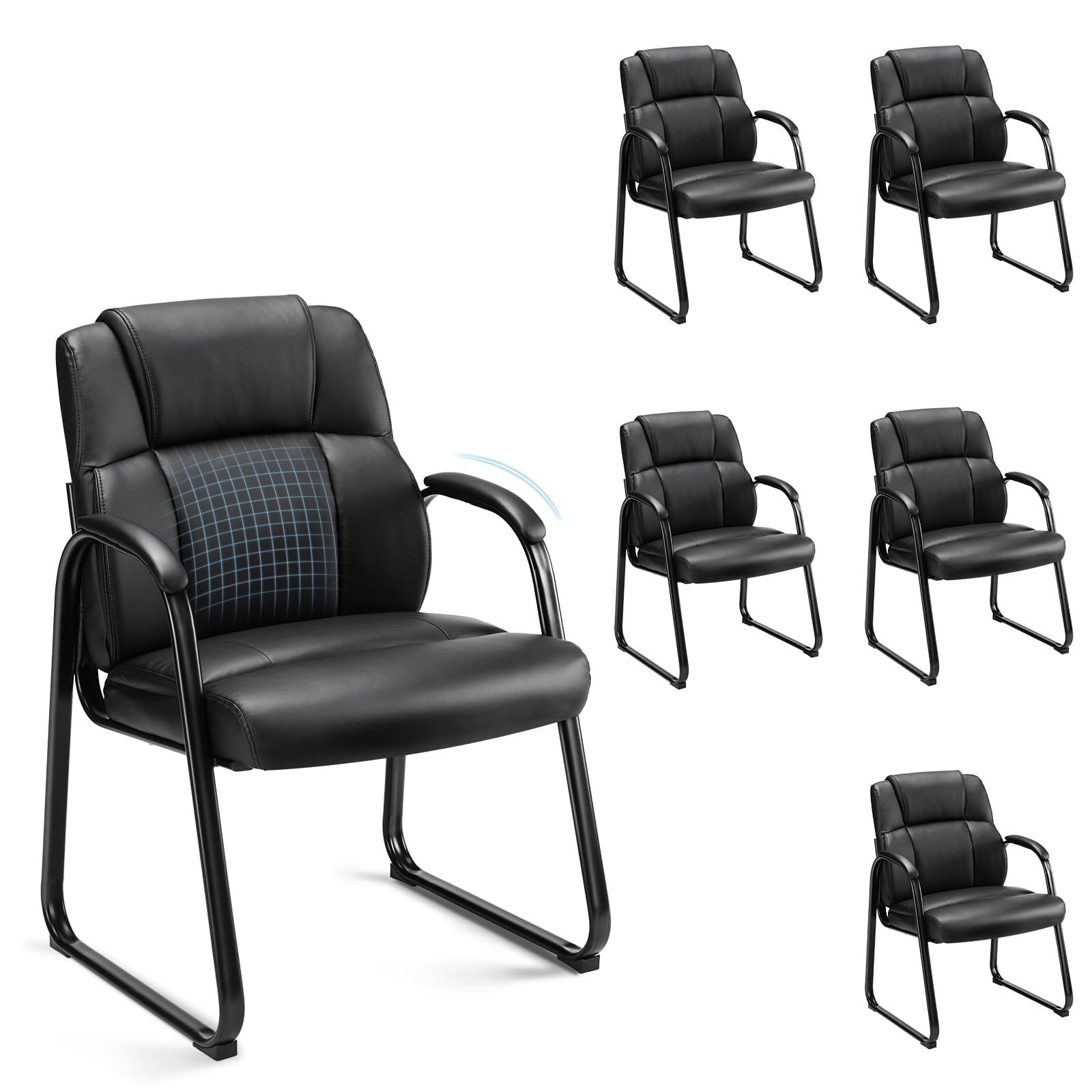
This is the command center. Here, the chair is a personal tool and a status symbol. Executives often spend hours in deep work or meetings. The priority is a high-back chair with premium materials like leather or high-end mesh, offering extensive adjustability: think independent lumbar support, seat depth adjustment, and 4D armrests. It should feel like a personal cockpit.
- Priority Features: High back, premium upholstery, advanced lumbar, recline function.
- Typical Styles: Executive high-back, leather or luxury fabric.
- Why it matters: Supports long hours and projects authority during in-room meetings.
The Conference or Meeting Room
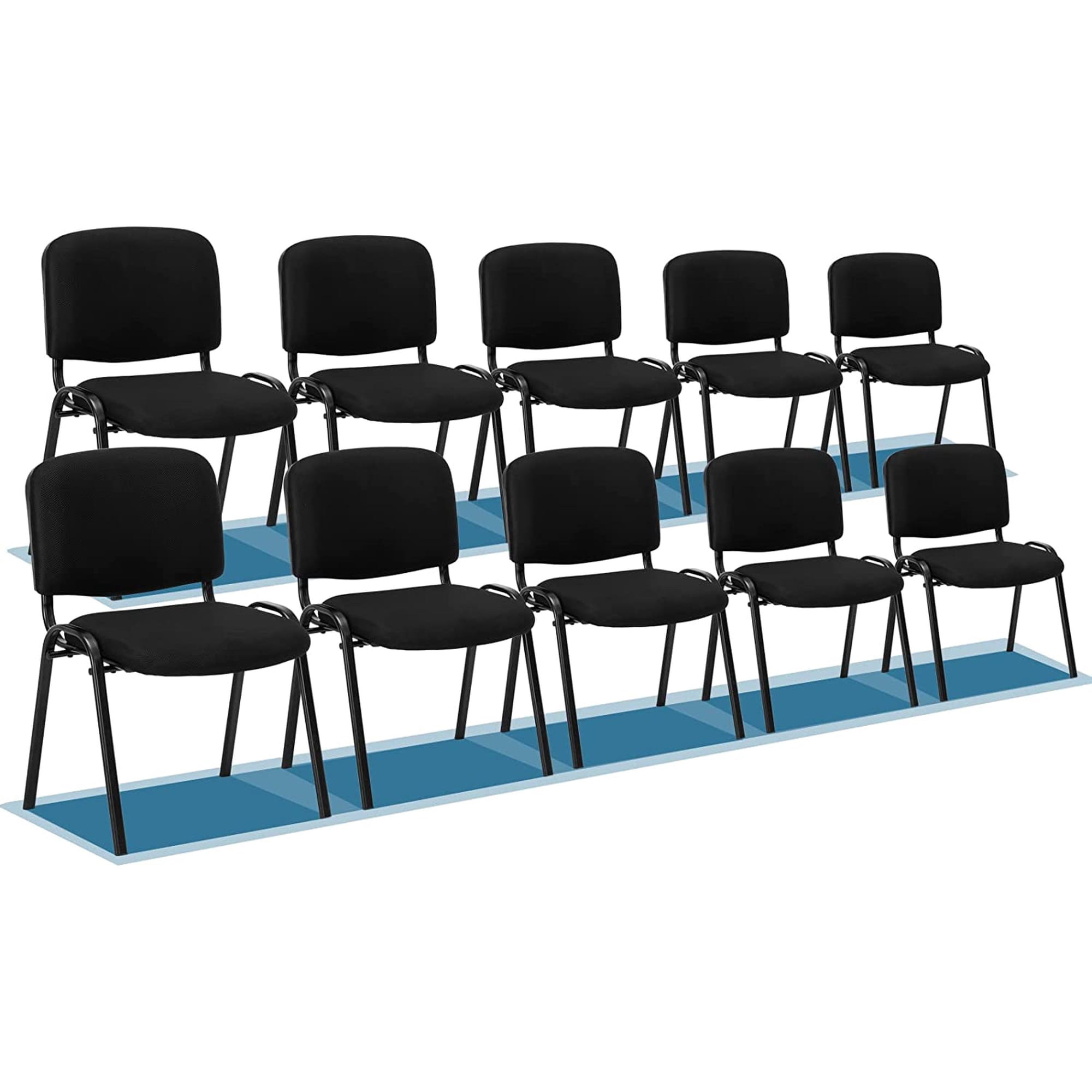
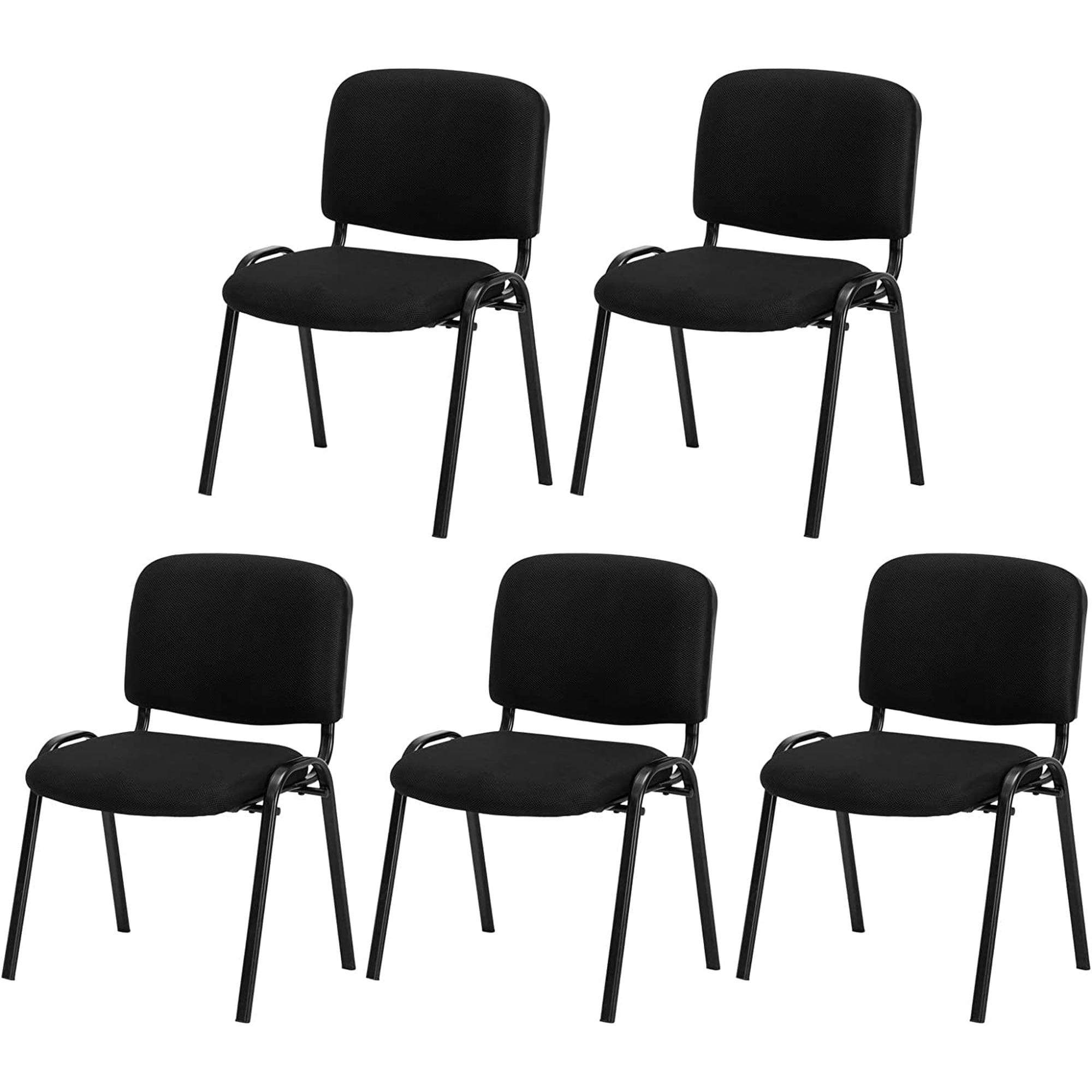
Conference rooms are hubs of collaboration. Chairs here need to accommodate a variety of body types for durations of 30 minutes to a few hours. Mobility is key, so chairs with smooth-rolling casters are a plus. They should also be easy to push in and out. Look for mid-back chairs with breathable mesh or durable fabric to keep everyone comfortable during brainstorming sessions.
- Priority Features: Mobility, breathability, professional aesthetics, stackability (optional).
- Typical Styles: Mid-back mesh task chairs, upholstered conference chairs with arms.
- Why it matters: Ensures guests and team members are comfortable, promoting better collaboration.
The Open Plan Workstation
The heartbeat of daily operations. Chairs in open plans are used intensively for 7+ hours a day. Ergonomics is non-negotiable. These are typically task chairs—highly adjustable, often with mesh backs for breathability and seat height/tilt adjustments. They need to be durable workhorses that support focus and minimize distractions.
- Priority Features: Full ergonomic adjustments (height, tilt, arms), durable casters, breathable back.
- Typical Styles: Ergonomic mesh task chairs, fabric task chairs with lumbar support.
- Why it matters: Directly impacts the daily comfort and health of employees, reducing fatigue.
The Reception or Waiting Area
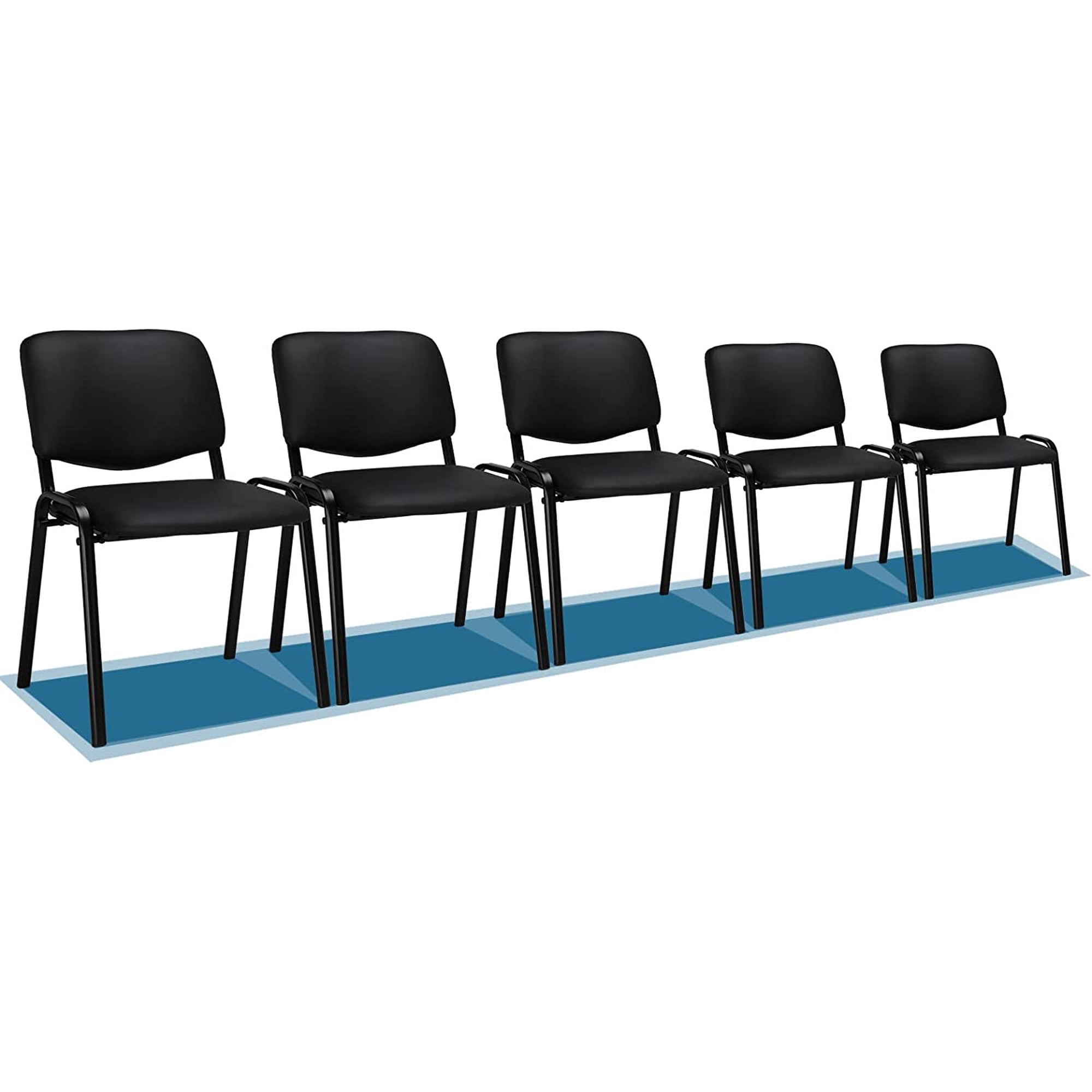
First impressions happen here. Chairs in reception areas should be visually appealing, durable, and easy to clean. Comfort is important but for shorter durations. Think of guest chairs—often armless or with a sleek design, possibly with a slight flex. Materials like easy-clean fabric or faux leather are practical.
- Priority Features: Aesthetics, durability, easy maintenance, stackability.
- Typical Styles: Guest chairs, armless chairs, sleek upholstered seating.
- Why it matters: Creates a welcoming atmosphere and reinforces brand image.
The Home Office Room
The home office is a hybrid zone. It needs the ergonomics of a workstation but often benefits from a more personal, residential touch. The lines between task and style blur. You might opt for a comfortable ergonomic chair that doesn't look overly 'corporate' or a stylish upholstered chair that still offers good back support for long Zoom calls.
- Priority Features: Comfort, ergonomics, style, footprint.
- Typical Styles: Stylish ergonomic chairs, cozy fabric task chairs, small-space designs.
- Why it matters: Blends work efficiency with home comfort, crucial for work-life balance.
Quick Reference: Chair Types by Office Zone
| Office Zone | Primary Chair Type | Key Feature | Typical User |
|---|---|---|---|
| Private Office | Executive High-Back | Premium material & recline | Manager/Director |
| Conference Room | Conference/Task Chair | Mobility & breathability | Teams/Clients |
| Open Plan | Ergonomic Task Chair | Full adjustability | Staff/Developers |
| Reception | Guest/Armless Chair | Aesthetics & durability | Visitors |
| Home Office | Hybrid/Stylish Ergo | Comfort + personal style | Remote Worker |
Material Matters in Different Rooms
Just as chair types vary, so should materials based on usage and traffic.
Mesh for High-Activity Zones
- Best for: Open plan workstations, warm climates.
- Why: Breathability prevents sweat, and it offers a modern look. Easy to clean with a damp cloth.
Leather/Faux Leather for Impressive Areas
- Best for: Executive offices, reception areas.
- Why: Projects luxury, easy to wipe clean, durable. Faux leather is a cost-effective alternative.
Fabric for Comfort & Warmth
- Best for: Conference rooms, home offices.
- Why: Soft, available in many colors, feels cozy. Opt for stain-resistant treated fabrics in high-traffic areas.
Specialty (Wood, Metal Accents)
- Best for: Reception, executive guest chairs.
- Why: Adds design flair. Wooden arms or bases can warm up a space, while polished metal suggests modernity.
Frequently Asked Questions About Office Room Chairs
Conclusion: Curate Your Space with Purpose
Selecting office room chairs is an exercise in thoughtful curation. It's about understanding the unique rhythm of each space: the focused quiet of a private office, the dynamic energy of a conference room, the welcoming calm of a reception area, and the personal sanctuary of a home office. By matching the chair to the room's function and the user's needs, you create an environment that supports well-being, enhances productivity, and communicates your professional values.
Remember, the best office chair is not a one-size-fits-all solution; it's the one that feels right for the task at hand and the space it inhabits. Use this guide as your blueprint, and build a workspace where every seat is perfectly placed.