

Why Choose a Wood Back Office Chair?
In an era of disposable furniture and fleeting design trends, the wood back office chair stands as a testament to enduring quality and timeless style. These chairs are more than just seating; they are investments in your comfort, productivity, and the professional character of your workspace.
The Natural Advantage
Wood has been used for seating for centuries, and for good reason. Unlike synthetic materials that can feel cold or impersonal, wood brings warmth, character, and a connection to nature into your office. Each grain pattern is unique, making your chair truly one-of-a-kind.
Did you know? Studies from the University of British Columbia suggest that incorporating natural elements like wood into workspace design can reduce stress levels by up to 15% and increase creative problem-solving abilities. A wood back chair isn't just furniture; it's a wellness feature.
Wood Facts
🌲 Sustainable Choice: Responsibly harvested wood is renewable and has lower carbon footprint than many metals or plastics.
🔨 Repairable: Unlike molded plastic, wood can be sanded, refinished, and repaired.
⏳ Longevity: Quality hardwood chairs often outlast their owners.
Key Benefits of Wood Back Office Chairs
Timeless Aesthetic
Wood never goes out of style. It conveys stability, success, and attention to quality.
Exceptional Durability
Hardwood frames resist warping and cracking, often lasting 20+ years with care.
Ergonomic Support
Contoured wooden backrests provide firm, consistent lumbar support.
Eco-Friendly
Natural, renewable, and biodegradable material choice.
Types of Wood Used in Office Chairs
The type of wood significantly impacts the chair's appearance, durability, and price. Understanding these options helps you make an informed choice:
Oak
Characteristics: Strong, durable, with prominent grain. Available in red or white varieties.
Best For: Traditional offices, libraries, law firms. Offers excellent value and longevity.
Stain Options: Takes stain beautifully; popular in honey, medium, and dark finishes.
Mahogany
Characteristics: Rich reddish-brown color, straight grain, rot-resistant. The classic executive choice.
Best For: Executive suites, corner offices, formal settings. Projects authority and luxury.
Stain Options: Often finished to enhance natural deep red tones.
Walnut
Characteristics: Dark chocolate brown, sometimes with purple undertones. Very stable and hard.
Best For: Modern executive offices, designer spaces. Commands attention and respect.
Stain Options: Usually clear-coated to showcase natural beauty.
Cherry
Characteristics: Light pinkish-brown when new, darkens to rich red-brown with age.
Best For: Traditional to transitional offices. Develops beautiful patina over time.
Stain Options: Often finished to highlight natural warmth.
Maple
Characteristics: Very hard, light color with subtle grain. Resists wear exceptionally well.
Best For: Contemporary offices, light-filled spaces. Brightens any room.
Stain Options: Can be stained to mimic other woods or left natural.
Engineered Wood
Characteristics: Manufactured wood products with hardwood veneers.
Best For: Budget-conscious buyers, home offices. Offers wood look at lower cost.
Stain Options: Pre-finished in various wood tones; less refinishing potential.
Ergonomics and Wood: A Perfect Partnership
Some people mistakenly believe that wood chairs are uncomfortable or lack ergonomic features. Modern wood back office chairs disprove this myth entirely. Quality manufacturers combine the natural benefits of wood with contemporary ergonomic design:
Ergonomic Features to Look For:
- Contoured backrest: The wooden back should have a slight S-curve that follows your spine's natural shape, providing passive lumbar support without needing bulky cushions.
- Adjustable seat height: Pneumatic gas lift mechanisms allow you to position your feet flat on the floor with thighs parallel to the ground.
- Tilt mechanism: Look for chairs that allow the backrest to recline or have a synchro-tilt feature where the seat and back move together.
- Seat depth adjustment: Some higher-end wooden chairs offer sliding seats to accommodate different leg lengths.
- Armrest considerations: Wooden arms can be shaped for comfort, or chairs may feature padded armrests mounted on the wood frame.
- Lumbar support: Some models incorporate adjustable lumbar pads or built-in wooden lumbar contours.
Pro Tip: When testing a wood back office chair, sit for at least 15 minutes. Pay attention to how the wooden backrest contacts your spine. It should support the natural curve of your lower back without pressing uncomfortably on your shoulder blades or sacrum.
Wood Back vs. Other Materials: A Comparative Analysis
| Feature | Wood Back Chair | Mesh Back Chair | Leather Chair |
|---|---|---|---|
| Durability | Excellent (15-25+ years) | Good (5-8 years, mesh may sag) | Very Good (8-15 years) |
| Aesthetic Appeal | Timeless, warm, prestigious | Modern, casual, utilitarian | Luxurious, professional |
| Breathability | Moderate (wood doesn't breathe, but design allows air) | Excellent (mesh is highly breathable) | Low (leather can get warm) |
| Maintenance | Easy (dusting, occasional polish) | Moderate (mesh can trap dust) | Moderate (cleaning, conditioning) |
| Weight Capacity | High (solid wood frames are very strong) | Moderate (mesh has limits) | High to Very High |
| Repairability | Excellent (wood can be sanded, refinished, repaired) | Poor (torn mesh usually requires replacement) | Moderate (leather can be conditioned, but tears are hard to fix) |
| Environmental Impact | Low (natural, renewable, biodegradable) | Moderate (synthetic materials) | High (leather processing has environmental concerns) |
Styles of Wood Back Office Chairs
Wood back chairs come in various styles to suit different office aesthetics:
Traditional Executive
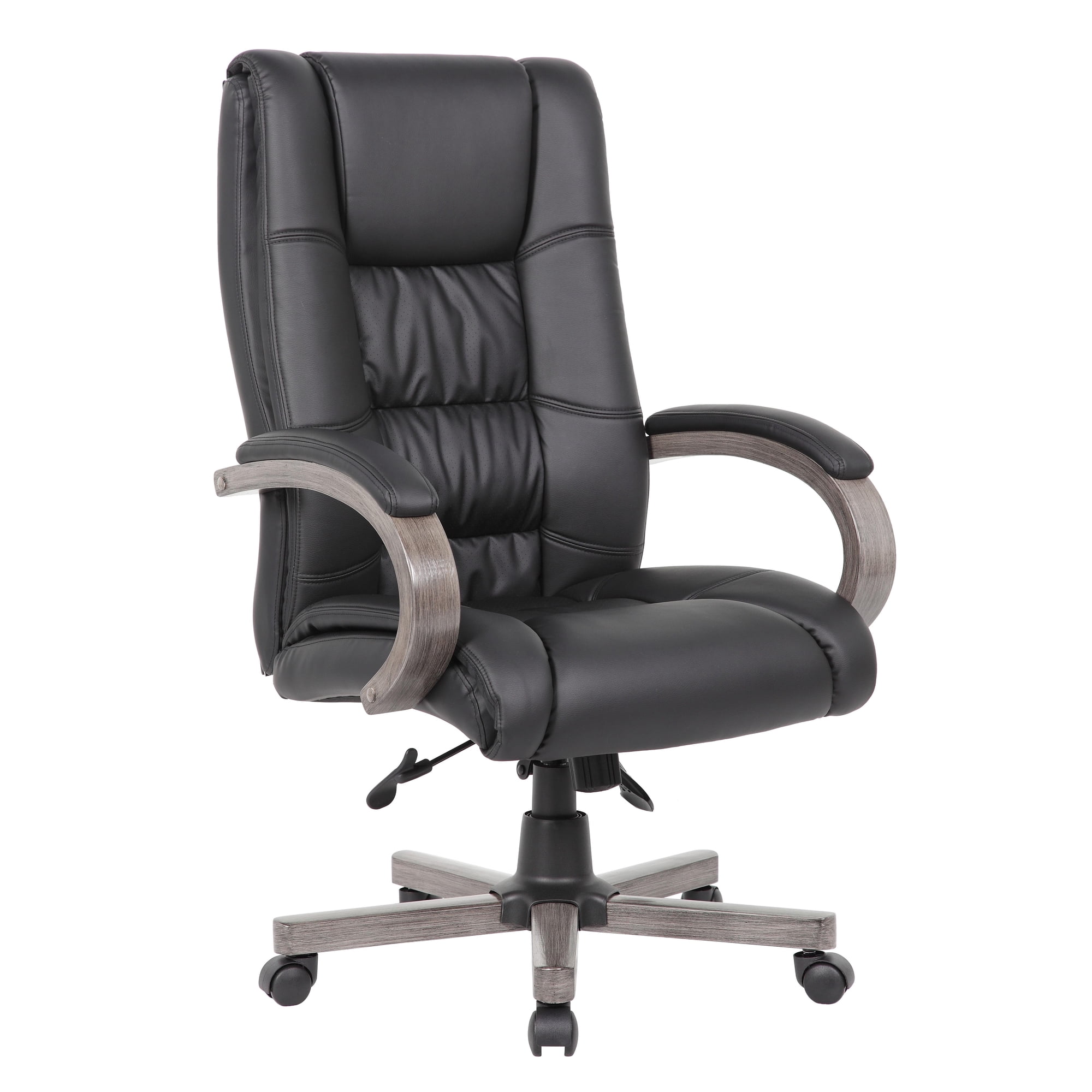
These chairs feature high backs, rich wood tones (often mahogany or cherry), and substantial proportions. They typically include plush upholstered seats and may have ornate detailing. Perfect for law offices, financial institutions, and classic executive suites.
Mission Style
Inspired by the Arts & Crafts movement, these chairs feature straight lines, exposed joinery, and minimal ornamentation. Usually crafted from oak with leather or fabric seats. They convey honesty, craftsmanship, and understated quality.
Contemporary Scandinavian
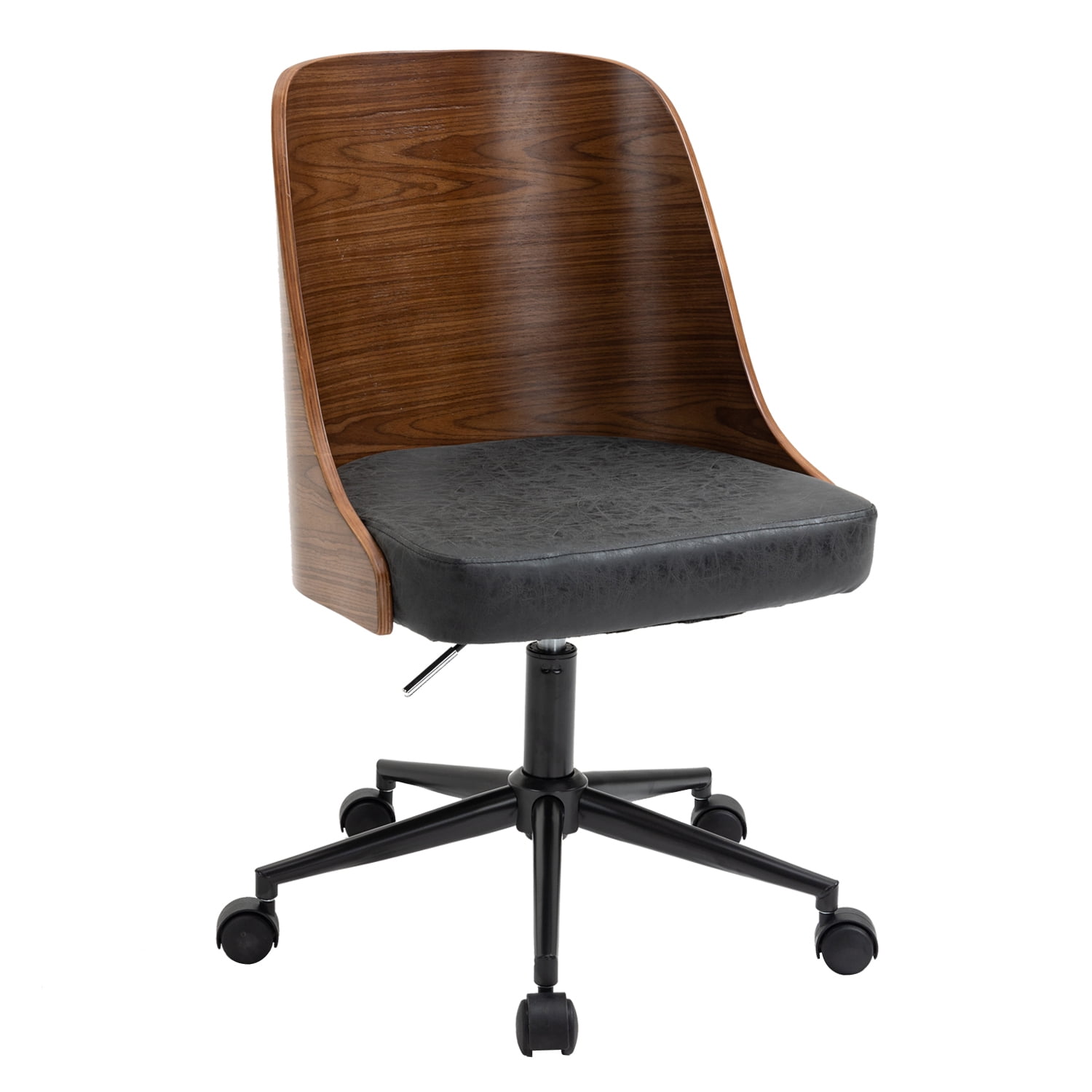
Light woods like beech or ash, clean lines, and ergonomic forms define this style. These chairs often blend wood with molded plywood techniques for comfortable curves. They bring brightness and a modern, airy feel to any office.
Industrial Modern
Combining wood with metal elements, these chairs feature exposed hardware, mixed materials, and often a more minimalist aesthetic. Wood tones may be lighter or darker, paired with black metal frames for a contemporary edge.
Maintenance Guide for Wood Back Office Chairs
Proper care ensures your wooden office chair remains beautiful for decades. Follow these expert maintenance tips:
Daily & Weekly Care
- Dust wooden parts with a soft, lint-free cloth (microfiber works well).
- For upholstered seats, vacuum with a soft brush attachment to remove dust and crumbs.
- Wipe up spills immediately—wood and moisture don't mix well.
- Avoid placing the chair in direct sunlight, which can fade and dry the wood.
- Keep the chair away from heat vents and radiators to prevent drying and cracking.
Monthly Care
- Use a wood-specific cleaner or a mixture of mild soap and water (dampen cloth, don't soak). Dry immediately.
- Check and tighten any loose screws or bolts in the mechanism.
- Apply a good quality furniture polish or wax every 3-6 months to protect the finish.
- For leather or fabric seats, use appropriate cleaners according to material type.
Annual Maintenance
- Consider a professional cleaning for heavily soiled upholstery.
- Inspect the chair's gas lift and casters; lubricate moving parts if needed.
- For wood showing wear, consider light sanding and refinishing (best done by a professional).
- Rotate the chair's position slightly to ensure even exposure to light and air.
What to Look for When Buying a Wood Back Office Chair
Use this checklist when shopping for your perfect wooden office chair:
- Wood Type & Quality: Solid hardwood is best. Check for smooth finish, consistent color, and proper sealing.
- Joinery: Look for mortise-and-tenon, dovetail, or reinforced joints. Avoid chairs held together with only glue or staples.
- Construction: The frame should feel solid and sturdy. Sit in it and gently rock—there should be no creaking or wobbling.
- Ergonomic Features: Ensure the backrest shape fits your spine. Test all adjustments (height, tilt, etc.) for smooth operation.
- Seat Comfort: The upholstery should have adequate cushioning (2-4 inches of high-density foam is ideal).
- Base & Casters: A five-point base provides stability. Casters should be appropriate for your floor type (hardwood or carpet).
- Weight Capacity: Verify the manufacturer's rating meets or exceeds your needs.
- Warranty: A good warranty (5-10 years on frame, 2-5 years on mechanisms) indicates confidence in quality.
Integrating Wood Back Chairs into Modern Office Design
Wood back chairs aren't just for traditional offices. Here's how to incorporate them into various design schemes:
For the Modern Minimalist Office: Choose a chair with clean lines in light oak or ash. Pair with a white or glass desk and metal accents. The wood adds warmth without clutter.
For the Eclectic Creative Space: Mix a dark walnut chair with colorful artwork, vintage accessories, and a mix of textures. The wood grounds the space and provides a neutral anchor.
For the Home Library: A leather-seated mahogany or cherry chair creates the perfect reading nook. Pair with floor-to-ceiling bookshelves and a classic floor lamp.
For the Corner Office: Make a statement with a high-back executive chair in rich mahogany or walnut. Complement with a substantial wood desk and traditional accessories.