
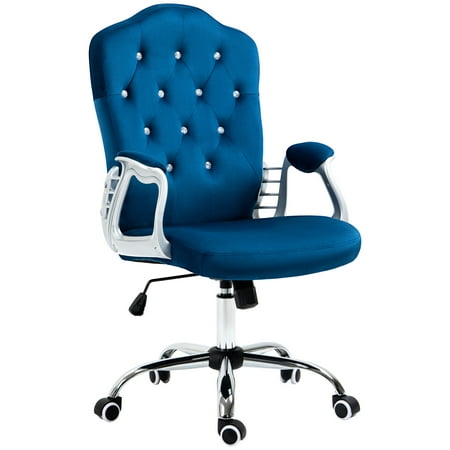
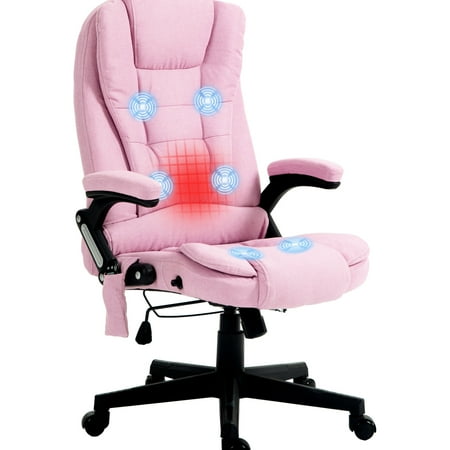
Why your chair choice matters when you sit all day
Imagine spending a third of your life in one seat. That's exactly what happens if you have a desk job. The average full‑time worker sits about 9 hours per day. An office chair for all day sitting is not a luxury—it's a tool to preserve your energy, focus, and long‑term musculoskeletal health.
Research snapshot: According to the Journal of Physical Therapy Science, workers using ergonomic chairs with proper lumbar support reported 54% less low‑back fatigue compared to standard task chairs after 8‑hour shifts.
Anatomy of an all‑day sitting chair: beyond basic ergonomics
While any chair can be labeled “ergonomic”, true endurance seating requires specific engineering. Let’s break down the anatomy.
1. Dynamic lumbar support that moves with you
Static lumbar pillows can feel good for an hour, but they often shift or become uncomfortable. The best chairs for long hours feature self‑adjusting or multi‑directional lumbar mechanisms. Some have a tension‑controlled backrest that follows your spine's natural curvature as you lean forward or recline. Think of it like a supportive co‑worker who always has your back—literally.
- • Height‑adjustable lumbar – lets you position the curve exactly at your belt line.
- • Depth‑adjustable lumbar – increases or decreases how much the support pushes into your back.
- • Dynamic tension – the backrest automatically adapts to your movement (common in high‑end task chairs).
2. Seat foam density: the silent hero
After four hours, cheap foam “collapses” and you're essentially sitting on a plywood seat pan. For all‑day use, look for high‑density polyurethane foam (HR foam) or cold‑cured foam. These materials rebound quickly and maintain their shape for years. Some premium chairs even use a combination of foam layers: firm base for support, softer top for comfort. Data from the BIFMA X5.1 standard suggests that foam with a density above 3.5 lb/ft³ holds up significantly longer under continuous use.
3. Seat depth and waterfall edge
If the seat pan is too long, it presses behind your knees, cutting off circulation. Too short, and your thighs lack support. An adjustable seat depth (slide mechanism) is a must‑have for all‑day sitters. The front edge should curve downward (waterfall design) to reduce pressure on the underside of thighs, which helps maintain blood flow—essential when you’re planted for hours.
4. Recline and tilt tension: movement is medicine
Sitting still all day is physically stressful. The ideal chair allows you to rock, recline, or shift posture easily. Look for synchronous tilt mechanisms where the seat and backrest move in a coordinated ratio (usually 2:1 or 3:1). This keeps you stable while letting your spine open up. Some chairs also have a “forward tilt” function, which tilts the seat slightly downward, helping when you're doing concentrated desk work.
5. Material breathability and climate control
Microclimate management is often overlooked. A chair that traps heat leads to sweat, discomfort, and fidgeting. For all‑day sitting, breathable mesh backs are superior. Seats are usually foam‑based, but some brands offer mesh or perforated leather to improve airflow. If you work in a warm environment, consider a chair with a mesh back and a fabric or mesh seat (or a thin cooling gel layer).
How to select your perfect all‑day chair: a practical checklist
Use this numbered guide when comparing models—whether you're shopping online or testing in a store.
- Measure your body: know your sitting height (floor to back of knee) and thigh length. This ensures the seat depth range matches you.
- Check the weight rating: for all‑day durability, even if you're 150 lbs, a 300‑lb rated chair means stronger components.
- Prioritize 4D armrests: armrests that adjust up/down, forward/back, left/right, and pivot let you support your arms in any task, reducing shoulder tension.
- Test the recline resistance: you should be able to lean back without excessive force, and the tension should be adjustable to your weight.
- Examine the casters: for all‑day rolling, soft rubber casters (often called “carpet casters” or “hardwood floor casters”) are quieter and kinder to floors, but also provide smoother movement.
- Warranty tells the truth: a 10‑year warranty on mechanism and frame indicates the manufacturer trusts it for continuous use.
Analogy: Buying a cheap chair for all‑day sitting is like running a marathon in flip‑flops. Sure, you could finish, but your feet (and back) will pay the price. Invest in proper gear.
Common pitfalls when choosing a chair for long hours
- Falling for “luxury” looks without ergonomics: a huge leather executive chair may look impressive, but if it lacks lumbar adjustment and breathability, your back will ache by 3 PM.
- Ignoring seat width: if you're broader, a standard 20‑inch seat might feel restrictive. Look for wide seats (22 inches or more) or models labeled “big and tall” even if you're not heavy—they often provide more space.
- Overlooking the headrest: For all‑day sitting, especially if you recline during calls or reading, a well‑placed headrest supports your neck. But it must be adjustable, otherwise it can push your head forward.
- Assuming mesh is always better: some cheaper mesh chairs have stiff mesh that digs into your back. Quality mesh has a slight give and is well‑tensioned.
Health metrics: what changes when you use a proper all‑day chair?
Studies in applied ergonomics show that after switching to a highly adjustable task chair, workers reported:
- • 62% reduction in upper back stiffness
- • 41% decrease in eye strain (due to better posture alignment with screen)
- • 37% fewer “after‑work” headaches
These improvements aren’t just about the chair alone, but about how the chair enables you to maintain neutral spine while your screen, desk, and body work in harmony.
Material impact on all‑day comfort
| Material | All‑Day Suitability | Key Consideration |
|---|---|---|
| High‑grade mesh | Excellent (breathable, flexible) | Ensure mesh tension matches your weight |
| Premium fabric | Very good (soft, warm) | Look for moisture‑wicking or stain‑resistant coating |
| Leather (top grain) | Good (durable, professional) | Best in climate‑controlled spaces; can be hot in summer |
| Faux leather / PU | Poor (non‑breathable, peels) | Avoid for 8+ hours; causes sweating and wear |
As you can see, breathable materials generally win for endurance. Many all‑day champions combine a mesh back with a well‑padded fabric or foam seat – the best of both worlds.
Frequently Asked Questions – all‑day sitting chairs
Conclusion: your body will thank you
Choosing an office chair for all day sitting is one of the most important investments for your professional life. It directly influences your energy levels, posture, and even mood at the end of the workday. By focusing on adjustability, material quality, and dynamic support, you can create a workspace where endurance feels effortless. Remember: the chair is a tool, but you still need to move—stand up, stretch, walk—every hour. Pair a great chair with active habits, and you'll conquer the longest workdays with comfort.