
Introduction: The Hidden Numbers That Determine Your Chair's Safety
Think of your office chair's weight capacity like a vehicle's towing limit. It's a number you might overlook during a test drive, but ignoring it can lead to catastrophic failure. Just as you wouldn't tow a boat with a compact car, you shouldn't sit on a chair not designed to support your weight. Office chair weight capacity is the manufacturer's guarantee of the maximum safe load. This guide will explore what these numbers mean, how they are tested, and how to choose a chair that offers a perfect blend of safety, durability, and comfort.
According to industry data from the Business and Institutional Furniture Manufacturers Association (BIFMA), a leading standard-setter, a standard office chair is tested to support up to 275 pounds safely over years of use. However, the human body is diverse, and so are seating needs. Whether you're a larger individual seeking a big and tall office chair weight capacity of 400 lbs or a lighter user wanting a standard chair, understanding this metric is the first step toward a healthy and safe work-from-home or office experience.
The '20% Rule' Analogy: Think of weight capacity like a bridge's load limit. Engineers build in a safety margin, but regularly pushing the absolute limit causes structural fatigue. For your chair, aim for a capacity at least 20-30 pounds above your body weight. This ensures the gas cylinder, base, and mechanism aren't constantly operating at their maximum stress point, extending the chair's life significantly.
The Anatomy of a High-Capacity Office Chair
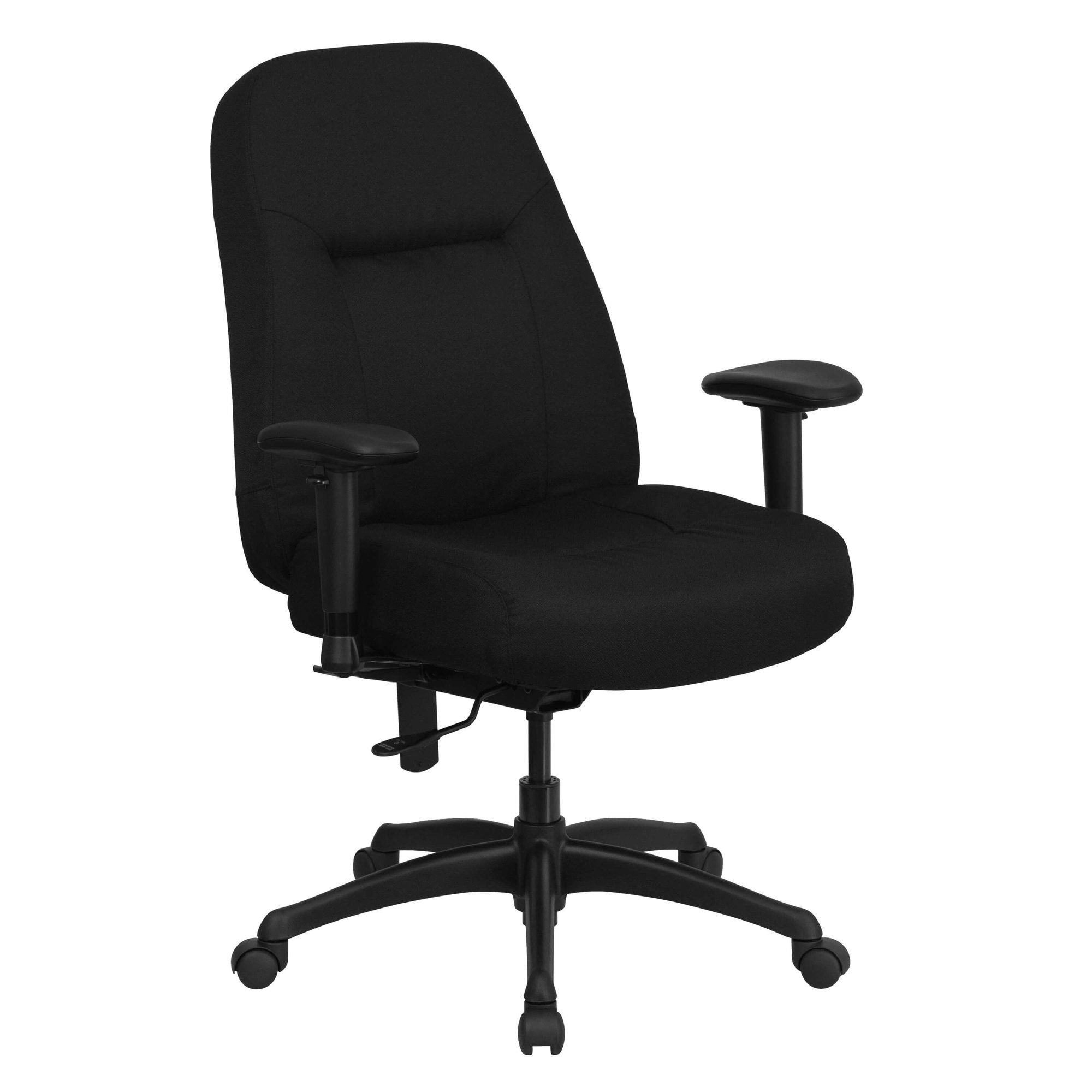
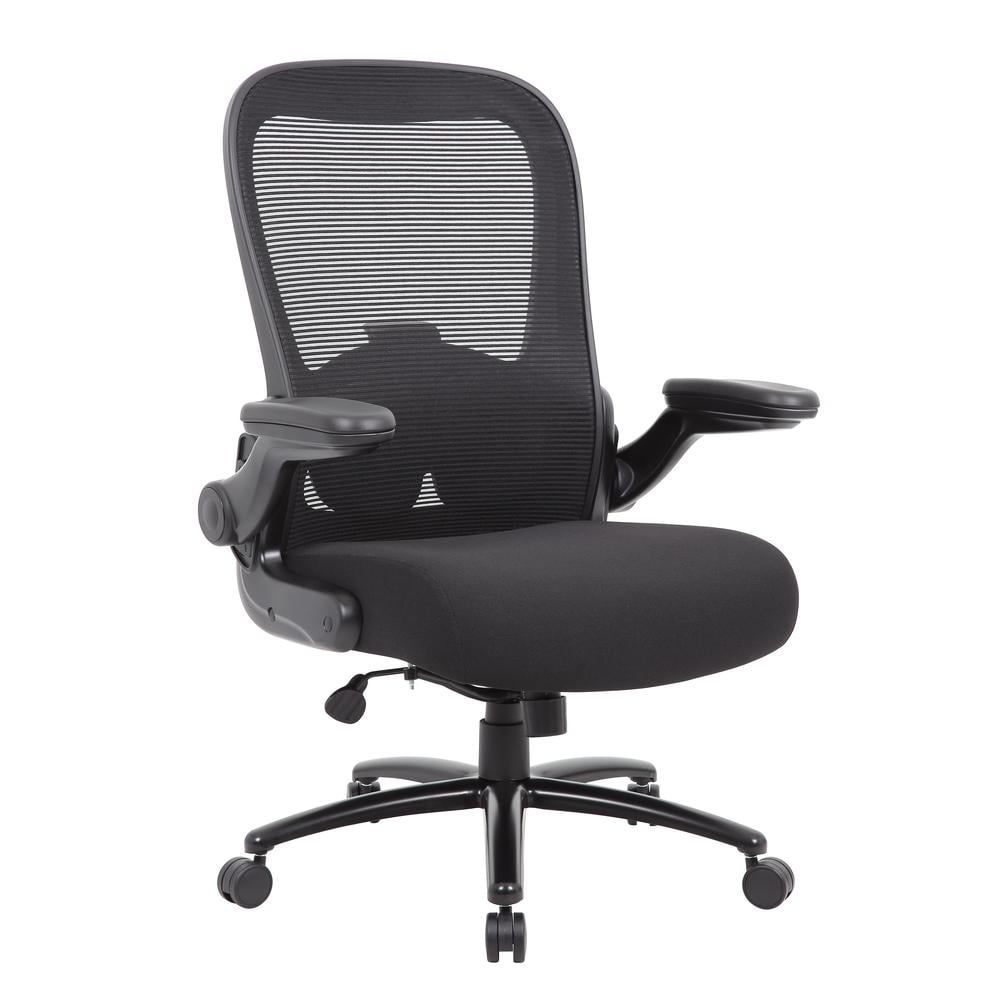
A chair's weight rating isn't just a single number; it's the combined strength of its core components. When you see a chair boasting a 400 lb capacity office chair rating, it means every part—from the casters to the gas lift—has been engineered and tested to handle that load. Let's dissect these components.
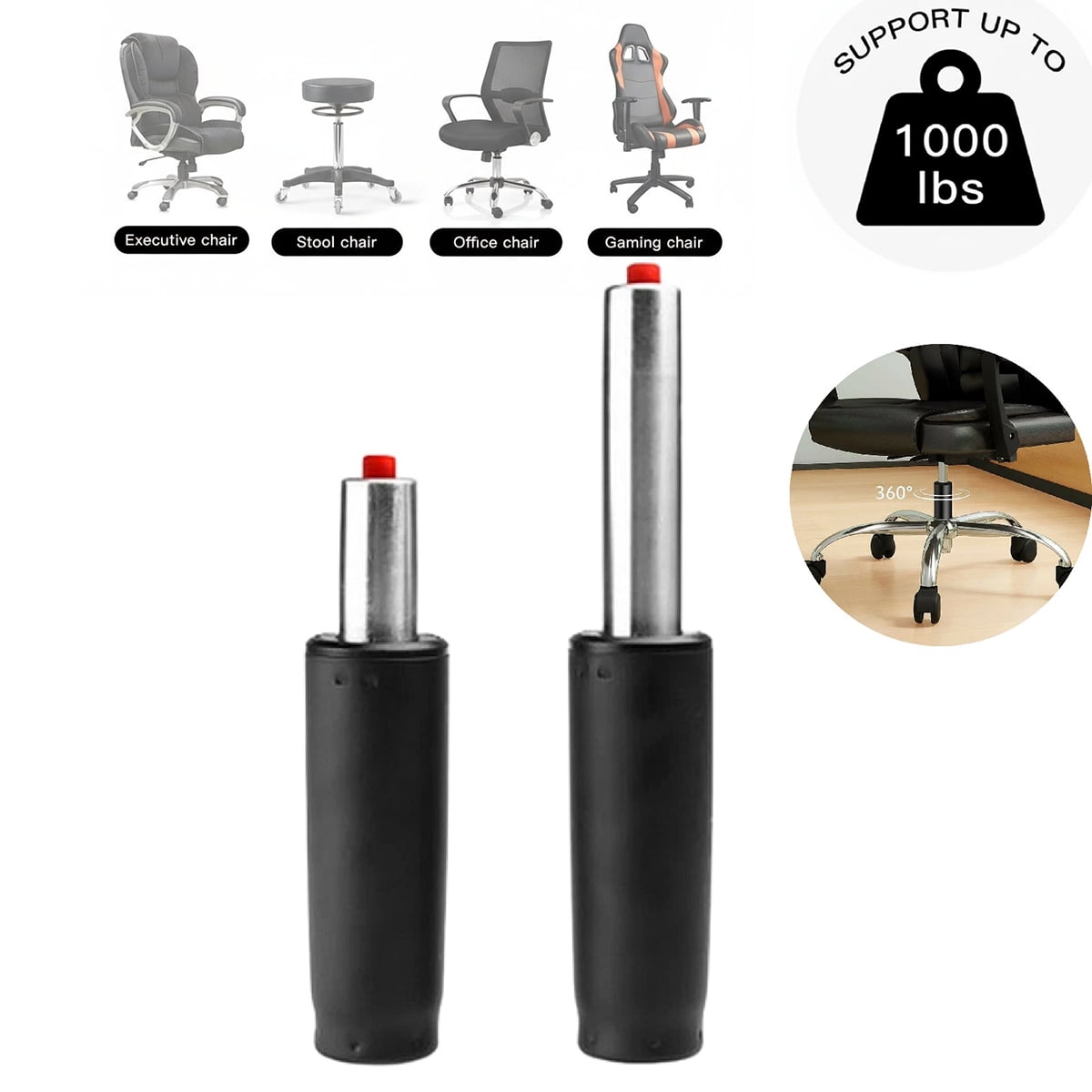
1. The Gas Lift Cylinder: The Backbone of the Chair
The gas lift is the piston that allows you to adjust the chair's height. It's arguably the most critical component for weight capacity. Gas lifts are classified by "classes":
- Class 2 and 3: Standard for light to medium use, typically supporting up to 250-275 lbs.
- Class 4: The industry standard for heavy-duty chairs. These are rigorously tested and are almost always found in chairs rated for 300-400 lbs.
- Class 5: The strongest commonly available lifts, used in chairs with a 500 lb office chair rating or higher. They feature a thicker cylinder wall and a more robust piston mechanism.
If a chair fails catastrophically, it's often due to a gas lift that couldn't handle the load. Always look for chairs that explicitly mention a Class 3, 4, or 5 lift.
2. The Base: Steel vs. Nylon
The five-star base is the chair's foundation. You'll find two main materials:
- Nylon/Plastic Bases: Common in standard chairs. While modern reinforced nylon is strong, it can flex and crack under extreme, prolonged weight. It's usually found in chairs with capacities up to 275-300 lbs.
- Steel Bases: The hallmark of a true heavy-duty chair. Steel bases, often with a polished or painted finish, offer superior strength and zero flex. If you need a heavy duty office chair weight limit of 350 lbs or more, a steel base is non-negotiable.
To quickly assess a chair's ruggedness, look underneath. A steel base will be unmistakably metal, while nylon will have a plastic-like appearance.
3. The Casters: Rolling Smoothly Under Pressure
Casters (the wheels) are often the weakest link. A chair might have a heavy-duty frame but come with casters rated for only 250 lbs. These can fail, splay out, or simply stop rolling smoothly under a heavier load.
High-capacity chairs use casters with a higher "durometer" rating (harder wheel material) and often a larger wheel size to distribute weight better. Some premium chairs allow you to upgrade to heavy-duty rollerblade-style casters that are incredibly durable and smooth on various floor types. If you're a heavier user, check if the casters are specifically rated for the chair's total weight capacity.
4. The Mechanism and Tilt Tension
The mechanism under the seat controls recline and tilt tension. In cheaper chairs, the springs and locking mechanisms are light-duty. In chairs with a high office chair weight capacity 350 lbs or more, these mechanisms are reinforced with heavier springs and thicker metal plates to prevent them from snapping or losing tension over time.
Why You Should Always Choose a Chair with a Higher Capacity
This is a classic case of "better safe than sorry." The weight capacity isn't a magical number where the chair is perfect at 299 lbs and explodes at 301 lbs. It's the maximum tested safe limit. Here’s why you should build in a buffer:
- Safety Margin for Dynamic Loads: When you sit down quickly, lean forward, or pick up a heavy object, you momentarily exert a force greater than your static body weight. A higher capacity chair handles these dynamic loads without strain.
- Longevity and Durability: Operating a chair well within its limits reduces wear and tear on all components. A chair rated for 400 lbs used by a 200 lb person will likely last much longer than a chair rated for 250 lbs used by a 240 lb person.
- Better Ergonomics for Larger Users: Chairs designed for higher capacities aren't just stronger; they are also typically wider, with deeper and firmer cushions to properly support and distribute weight. A standard-width chair, even if strong enough, might not provide adequate ergonomic support for a bigger individual.
Think of it like buying a truck. You wouldn't buy a midsize truck if you plan to haul heavy loads every day. You'd buy a heavy-duty pickup with a higher towing capacity, even if your daily load is less, because it's built for the stress.
Navigating Weight Capacity Claims: What to Watch Out For
Not all weight capacities are created equal. Some brands may inflate numbers or use non-standard testing. Here's how to be a savvy shopper:
- Look for BIFMA Certification: BIFMA (Business and Institutional Furniture Manufacturers Association) sets the standard for durability and safety. A chair that is BIFMA-certified has been tested to rigorous standards. While a 500 lb office chair might not be officially BIFMA-rated for that exact weight (the standard test goes to 275 lbs), reputable manufacturers of heavy-duty chairs will state they've tested their components to higher standards.
- Beware of "Oversize" vs. "Heavy-Duty": Some chairs are marketed as "oversize" or "big and tall" but only have a slightly wider seat and a marginally higher capacity, like 300 lbs. A true heavy-duty chair will have all the reinforced components discussed above. If the price seems too good for a 400 lb rating, it probably is.
- Check the Warranty: A manufacturer's confidence in their product's weight capacity is often reflected in the warranty. A strong, comprehensive warranty on the frame and mechanism (10+ years) is a good sign that the chair is built to last.
In the world of office seating, understanding these nuances separates a short-term purchase from a long-term investment in your health and safety.