
Your Home Office Throne: Why Comfort is Non-Negotiable
When your commute is just a few steps from the bedroom to the home office, the line between work and relaxation blurs. But one thing becomes crystal clear: your chair can make or break your day. A comfortable desk chair for your home office isn't a luxury—it's a productivity tool and a health essential. Studies show that workers with ergonomic, comfortable seating report 25% less fatigue and are significantly more engaged. This guide dives deep into what makes a chair truly comfortable, helping you find a seat that supports your body, your style, and your workflow.
The Science of Sitzfleisch: What Makes a Chair 'Comfortable'?
Comfort is subjective, but ergonomic science gives us a blueprint. Think of your chair as a high-performance shoe: it needs to fit perfectly, support your movement, and not cause pain after hours of wear. Here are the critical pillars of a comfortable home office chair.
1. The Cushion Conundrum: Firm vs. Plush
Many people equate comfort with a pillow-soft seat. However, sitting on an overly soft surface for hours can lead to poor posture and increased pressure on your tailbone. The ideal cushion is often described as "supportive plush." High-density foam or memory foam provides enough give to be comfortable while offering the resistance needed to keep your hips aligned. Look for a seat with a "waterfall edge"—a gentle downward slope at the front—which reduces pressure on the back of your thighs and improves circulation.
- High-density foam: Retains shape, durable, offers consistent support.
- Memory foam with cooling gel: Conforms to your body but can trap heat; gel infusion helps regulate temperature.
- Breathable fabric wrap: Prevents sweating and discomfort, especially in warmer months.
2. Lumbar Support: The Unsung Hero of Long Hours
Without proper lower back support, you'll likely slump forward, straining your spine and shoulders. A comfortable chair provides adjustable lumbar support that fits the natural curve of your lower back. Some chairs use a firm pad, while others use a tensioned mesh membrane that flexes with your movements. The key is adjustability—what's comfortable for one person may be in the wrong spot for another. Dynamic lumbar support that moves as you shift is a premium feature that maintains support without constant readjustment.
3. Material World: Fabric, Mesh, or Faux Leather?
Your choice of upholstery dramatically affects comfort, especially during long stretches.
Breathable Mesh
- Pros: Excellent airflow, prevents sweaty back, flexible, often more affordable.
- Cons: Can lack plush feel, may not be as cozy in winter.
Plush Fabric
- Pros: Warm, soft, variety of colors/patterns, often more cushioning.
- Cons: Can absorb odors/stains, may retain heat.
Faux Leather
- Pros: Easy to clean, professional look, soft feel.
- Cons: Can be sticky/hot, may crack over time.
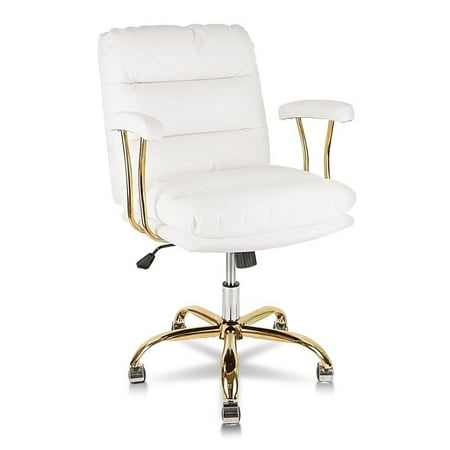
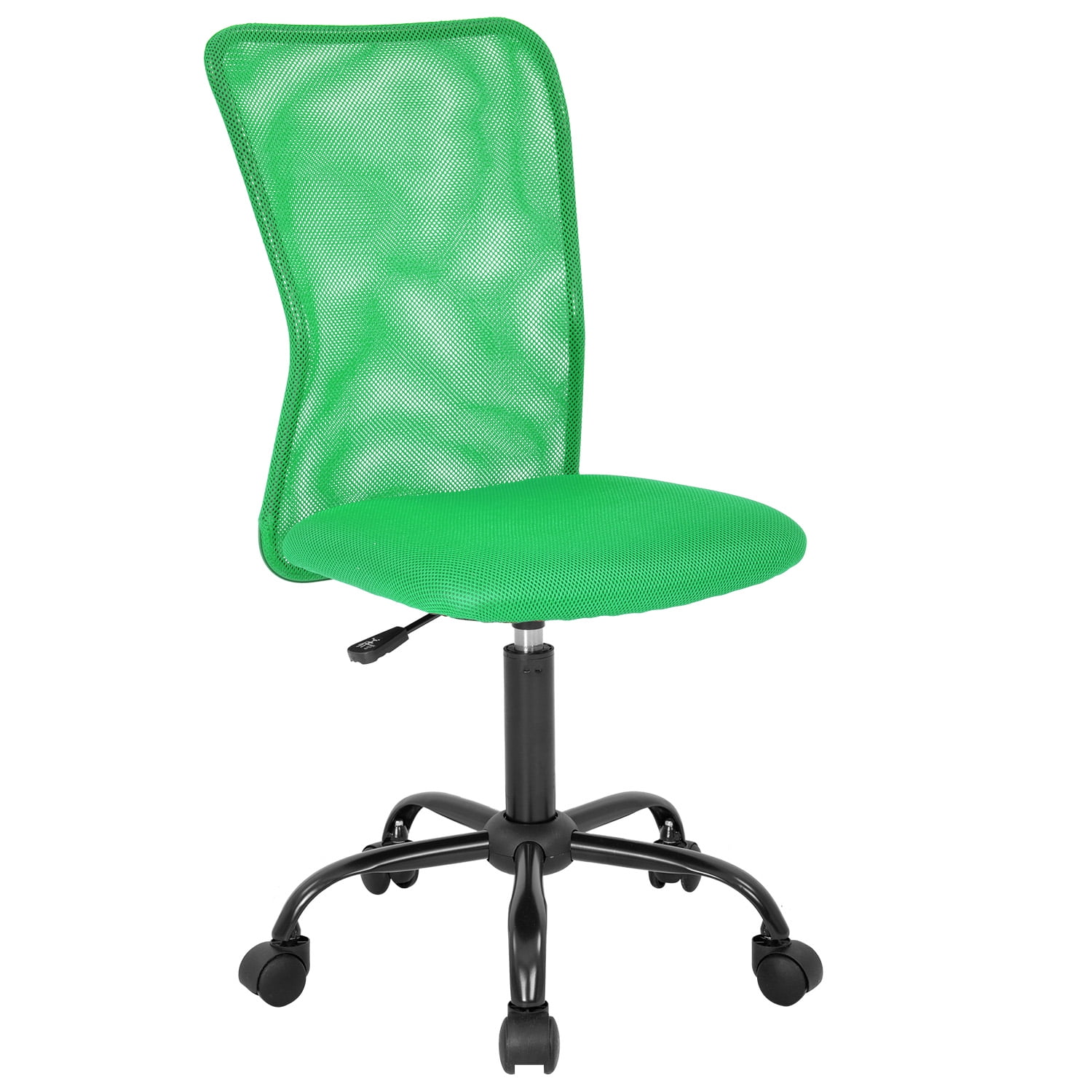
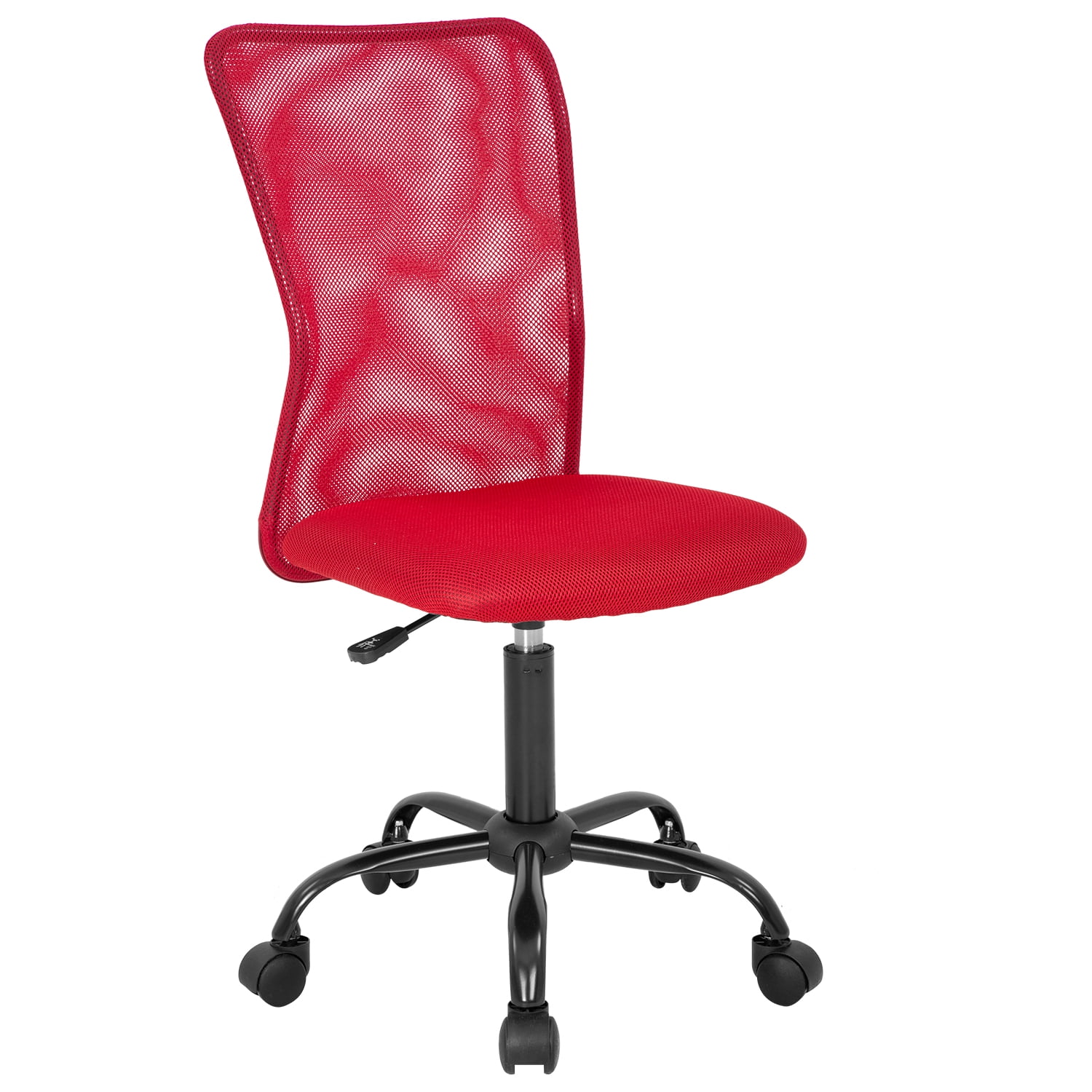
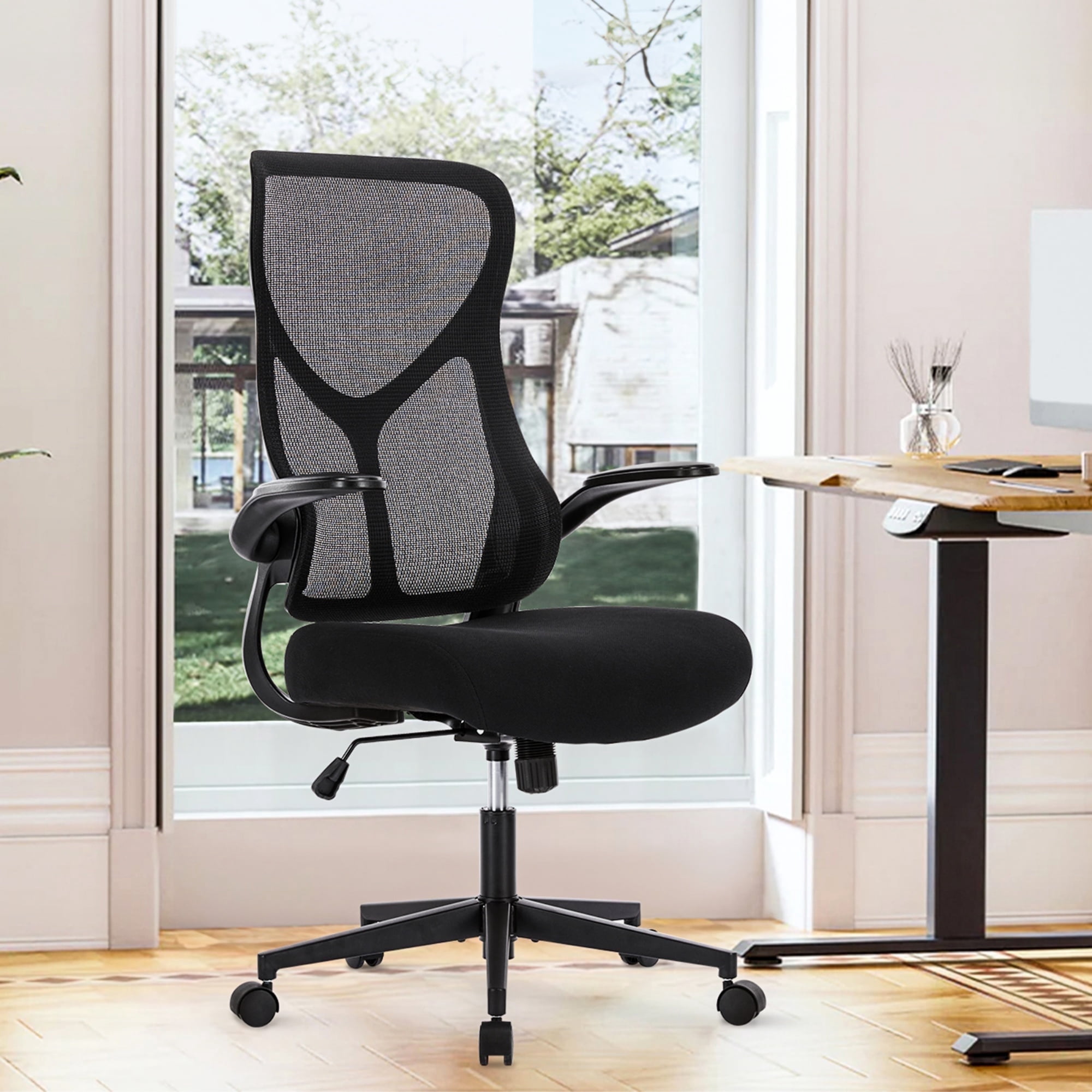
Many of the most comfortable chairs use a hybrid approach: a breathable mesh back paired with a generously padded fabric or faux leather seat. This gives you the best of both worlds: a cool, supportive back and a cozy place to sit.
4. Adjustability: One Size Fits One
A comfortable chair must adapt to your body. Beyond seat height, these adjustments are game-changers:
- Seat depth adjustment: Allows you to slide the seat pan forward/backward so you can sit with 2-4 finger widths between the back of your knee and the seat edge.
- 4D armrests: Armrests that move up/down, in/out, forward/back, and pivot take pressure off your shoulders and neck.
- Tilt tension and lock: Controls how easily the chair reclines. A slight recline (100-110 degrees) while working reduces spinal pressure.
According to a study from the Journal of Physical Therapy Science, workers with chairs offering at least four adjustment points reported 40% less mid-shift discomfort.
5. The "Cozy Factor": Aesthetics and Feel
Comfort isn't just physical; it's psychological. A chair that looks inviting and matches your home decor can actually make you feel more at ease. Whether it's a mid-century modern design with button tufting, a sleek racing-style chair, or a simple, clean-lined mesh back, the visual comfort matters. A chair that feels like it belongs in your home office, rather than a sterile cubicle, enhances your overall well-being.
Quick Guide: Match Your Needs to the Right Chair
| Your Primary Need | Key Feature to Prioritize | Recommended Material |
|---|---|---|
| Long coding/writing sessions | Adjustable lumbar & seat depth | Mesh back + fabric seat |
| Frequent video calls (looking good) | High-quality upholstery, headrest | Faux leather or plush fabric |
| Small space / multipurpose room | Sleek design, smaller footprint | Breathable mesh |
| Chronic back pain | Independent lumbar adjustment | High-density foam seat |
Frequently Asked Questions About Comfortable Home Office Chairs
Conclusion: Invest in Your Most Important Work-From-Home Tool
Choosing a comfortable desk chair for your home office is a deeply personal decision, but the principles remain the same: seek adjustability, prioritize breathable yet supportive materials, and don't underestimate the power of good lumbar support. The right chair pays dividends in focus, energy, and physical health. Whether you're logging eight hours of deep work or bouncing between tasks, a chair that feels like a personal sanctuary will transform your home office experience. Explore the options above, read reviews, and remember: comfort is not a one-size-fits-all, but a perfect fit for you.