
Introduction: Why the Right Office Chair S Matters
Imagine your office chair as the foundation of a house. If the foundation is shaky, everything built on top — your focus, your posture, your energy — becomes unstable. An office chair s (referring to a size category or simply 'office chairs') is more than a place to sit; it's the base camp for your workday. With millions of people working remotely or hybrid, the demand for chairs that offer both comfort and support has skyrocketed. According to a recent workplace survey, 73% of employees reported that a comfortable office chair directly improved their job satisfaction. This guide will walk you through everything you need to know to select the perfect chair for your body and budget, without the jargon overload.
Anatomy of a Great Office Chair: Beyond the Basics
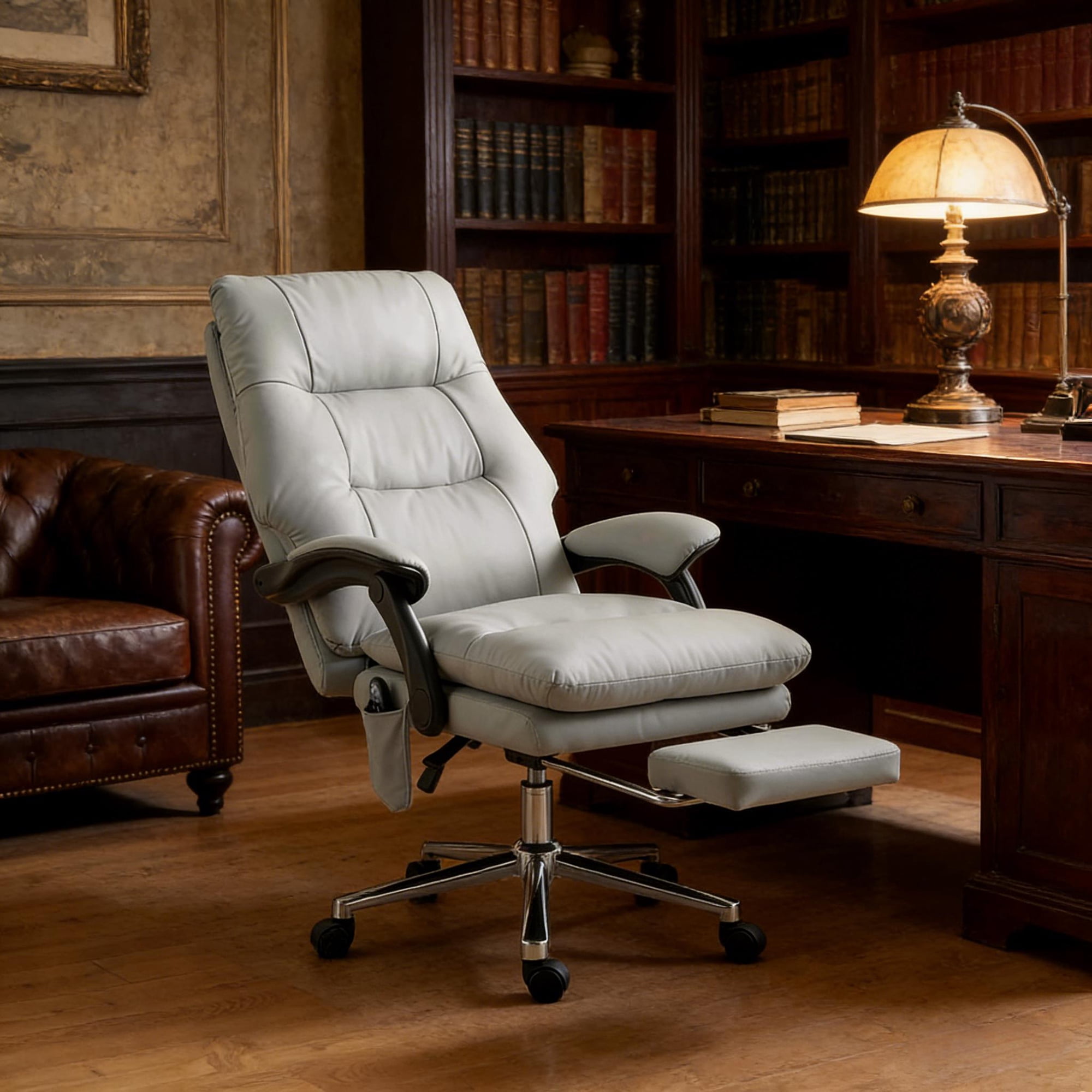
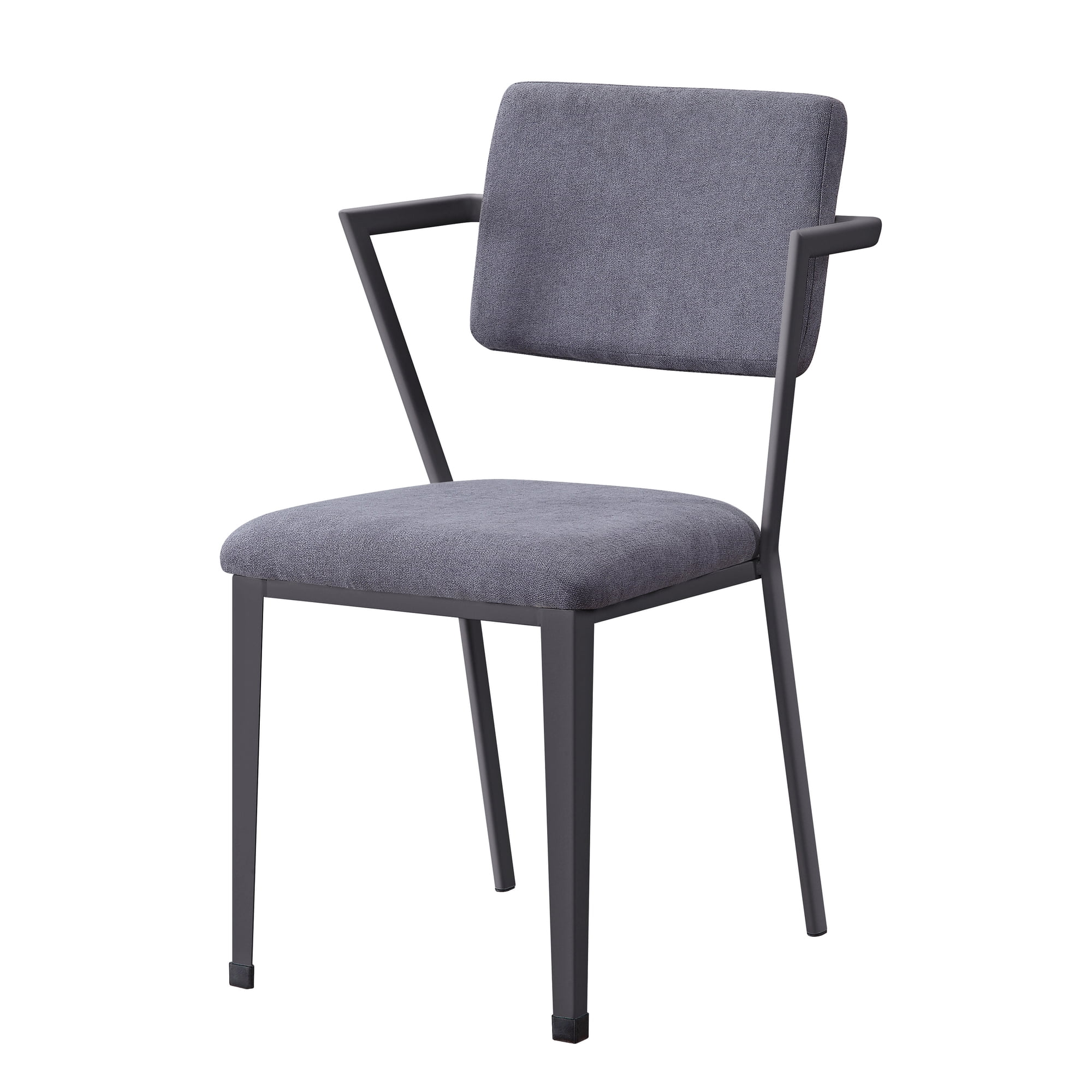
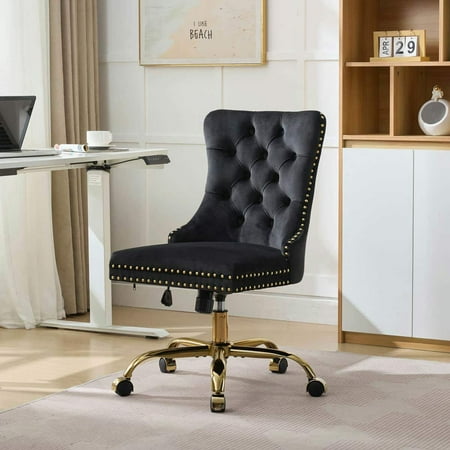
To make an informed choice, you need to understand the key components that define a quality office chair s. Think of it like buying a car: you wouldn't just look at the color; you'd check the engine, suspension, and safety features. Let's dissect the essential parts.
1. The Seat Pan: Your Foundation
The seat pan determines how your thighs and hips feel after hours of sitting. A good chair should have:
- Depth adjustment: Allows you to slide the seat forward or back. You should have 2-3 finger widths between the back of your knee and the seat edge.
- Waterfall edge: A curved front edge that reduces pressure on your thighs and improves blood circulation.
- High-density foam: Look for foam that doesn't compress easily. Cheap foam turns into a hard, uncomfortable slab within months.
2. Backrest & Lumbar Support: The Spine's Best Friend
The backrest is your spinal column's support system. There are two main types: low-back (mid-back) and high-back (which often includes a headrest). For all-day comfort, adjustable lumbar support is non-negotiable. A study in the Journal of Physical Therapy Science found that proper lumbar support reduces spinal disc pressure by up to 35%. Key features:
- Adjustable height lumbar: Moves up/down to fit the curve of your lower back.
- Depth adjustment: Some chairs let you increase or decrease how much the lumbar pushes forward.
- Syncro-tilt mechanism: The backrest and seat tilt together, keeping you supported as you recline.
3. Armrests: The Underrated Ergonomic Hero
Armrests should support your arms without hunching your shoulders. The gold standard is 4D armrests (adjustable up/down, left/right, forward/back, and pivot). This allows you to keep your elbows at a 90-degree angle close to your body. If armrests are too high or wide, they can cause neck and shoulder strain.
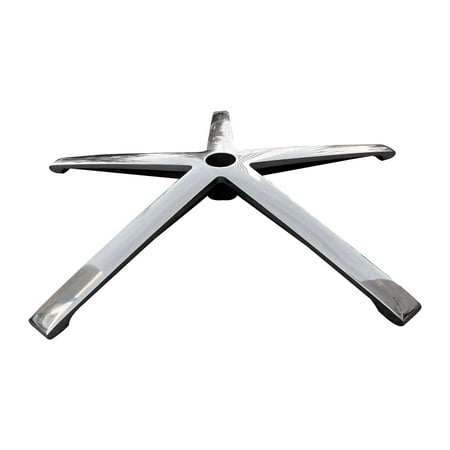
4. Base and Casters: Mobility and Stability
A five-point base (almost universal) ensures stability. Casters (wheels) should match your floor type: soft rubber casters for hardwood to prevent scratches, and harder wheels for carpet. If you have a mix, look for universal casters that work on both.
Material Science: Choosing Between Mesh, Leather, and Fabric
The material of your office chair s affects temperature, maintenance, and longevity. Here's a fresh look at the pros and cons, with a focus on real-world use.
Mesh: The Breathable Performer
Ideal for: Hot climates, long work sessions, modern aesthetics.
- Ventilation: Mesh allows air to pass through, preventing the "sticky back" syndrome.
- Durability: High-quality mesh (like Pellicle mesh used by some premium brands) is stretch-resistant and can last years without sagging.
- Cleaning: Dust can accumulate in the weave. A vacuum with a brush attachment works well.
Leather: The Classic Professional
Ideal for: Executive offices, client-facing roles, easy wipe-clean surfaces.
- Grades matter: Full-grain > top-grain > bonded leather. Full-grain develops a patina and can last decades.
- Temperature: Leather can be cold in winter and sticky in summer unless the room is climate-controlled.
- Maintenance: Needs conditioning every 6-12 months to prevent cracking.
Fabric: The Versatile Choice
Ideal for: Budget-conscious buyers, colorful office decors, cooler environments.
- Variety: Comes in countless colors and patterns. Some fabrics are now made from recycled materials.
- Comfort: Soft and warm to the touch, but can trap odors and stains more easily.
- Durability: Look for a high "double rub" count (30,000+ for heavy commercial use).
Interestingly, a 2023 survey by the Office Furniture Institute revealed that 58% of remote workers prefer mesh chairs for breathability, while 32% of executives in traditional offices choose leather for its aesthetic. Your choice ultimately depends on your priority: airflow vs. formality.
Decoding "S" in Office Chairs: Is It the Right Fit for You?
The letter "S" in your search might imply a smaller frame, a specific model line, or just a plural search. Let's focus on sizing. Not all chairs are created equal; some are designed for petite users, while others are for taller individuals. Here's a simple guide to ensure the "S" stands for "suitable."
Measuring Yourself for the Perfect Fit
- Seat height: Measure from the floor to the back of your knee. Your chair should adjust so your feet are flat on the floor, with thighs parallel to the ground. Most standard chairs have a range of 16-21 inches.
- Seat width: Measure the widest part of your hips/thighs. Add 2-4 inches for comfort. Standard seat widths are 18-22 inches.
- Backrest height: If you need head/neck support, the backrest should reach at least your shoulder blades. For a high-back chair, it should support your entire spine and head.
- Weight capacity: Always check the manufacturer's limit. Standard chairs support 250-300 lbs. For heavier individuals, seek chairs rated 350 lbs+.
Pro Tip: Many brands offer "small" or "petite" versions of their popular chairs. If you're 5'4" or under, look for chairs with a shorter seat depth and lower backrest height to avoid pressure behind the knees.
| Body Type | Recommended Seat Width | Seat Depth Range | Backrest Height | Example Chair Type |
|---|---|---|---|---|
| Petite / Small (S) | 16" - 18" | 16" - 18" | 18" - 22" (mid-back) | Small ergonomic task chair |
| Average / Medium (M) | 18" - 20" | 17" - 19" | 20" - 24" (mid/high-back) | Standard mesh office chair |
| Tall / Large (L/XL) | 20" - 22"+ | 18" - 20" | 24" - 28"+ (high-back) | Big & tall executive chair |
The Health Connection: How Your Chair Affects Your Body
Sitting for 8+ hours a day is like running a marathon for your spine—without the right support, you'll hit a wall. A poorly chosen office chair s can contribute to:
- Lower back pain: The most common complaint, often due to missing or inadequate lumbar support.
- Neck and shoulder tension: Caused by reaching for armrests or craning your neck forward.
- Poor circulation: Seats with hard edges can cut off blood flow to your legs.
- Reduced focus: Discomfort is a major distraction, lowering cognitive performance by an estimated 15-20%.
Investing in an ergonomic chair is essentially a health insurance policy for your musculoskeletal system. Features like a synchronized recline mechanism allow your back to move naturally, reducing spinal disc pressure by up to 50% compared to sitting upright on a static stool.
5-Step Selection Guide for Your Ideal Office Chair S
Step 1: Assess Your Workspace
Measure your desk height and under-desk clearance. Ensure the chair's armrests can slide under the desk. Consider the floor type for caster selection.
Step 2: Define Your Usage
Do you take frequent calls? You might need a quieter swivel. Do you recline to think? Look for a sturdy tilt mechanism with adjustable tension.
Step 3: Prioritize Adjustability
Minimum requirements: seat height, tilt tension, and lumbar support. Desirable: seat depth, 4D armrests, and headrest.
Step 4: Set a Realistic Budget
Good ergonomic chairs start around $200-$300. For advanced features and premium materials, expect to spend $500-$1,200. Chairs above $1,500 often offer high-end design and extended warranties.
Step 5: Read Reviews & Check Warranty
Look for reviews mentioning long-term comfort and durability. A 5-year warranty is standard; 10+ years indicates confidence in build quality.
Frequently Asked Questions About Office Chair S
Conclusion: Your Seat at the Desk of Success
Finding the right office chair s is a personal journey, but the destination is always the same: a workspace where comfort meets productivity. By understanding the anatomy—seat, back, arms, base—and matching materials to your environment, you're no longer just buying a chair; you're investing in your well-being. Remember the 5-step guide: measure your space, prioritize adjustability, and never underestimate the power of a good lumbar support. Whether you lean towards breathable mesh or classic leather, make sure your chair works for you, not against you. After all, you spend a third of your day in it—make it count.