
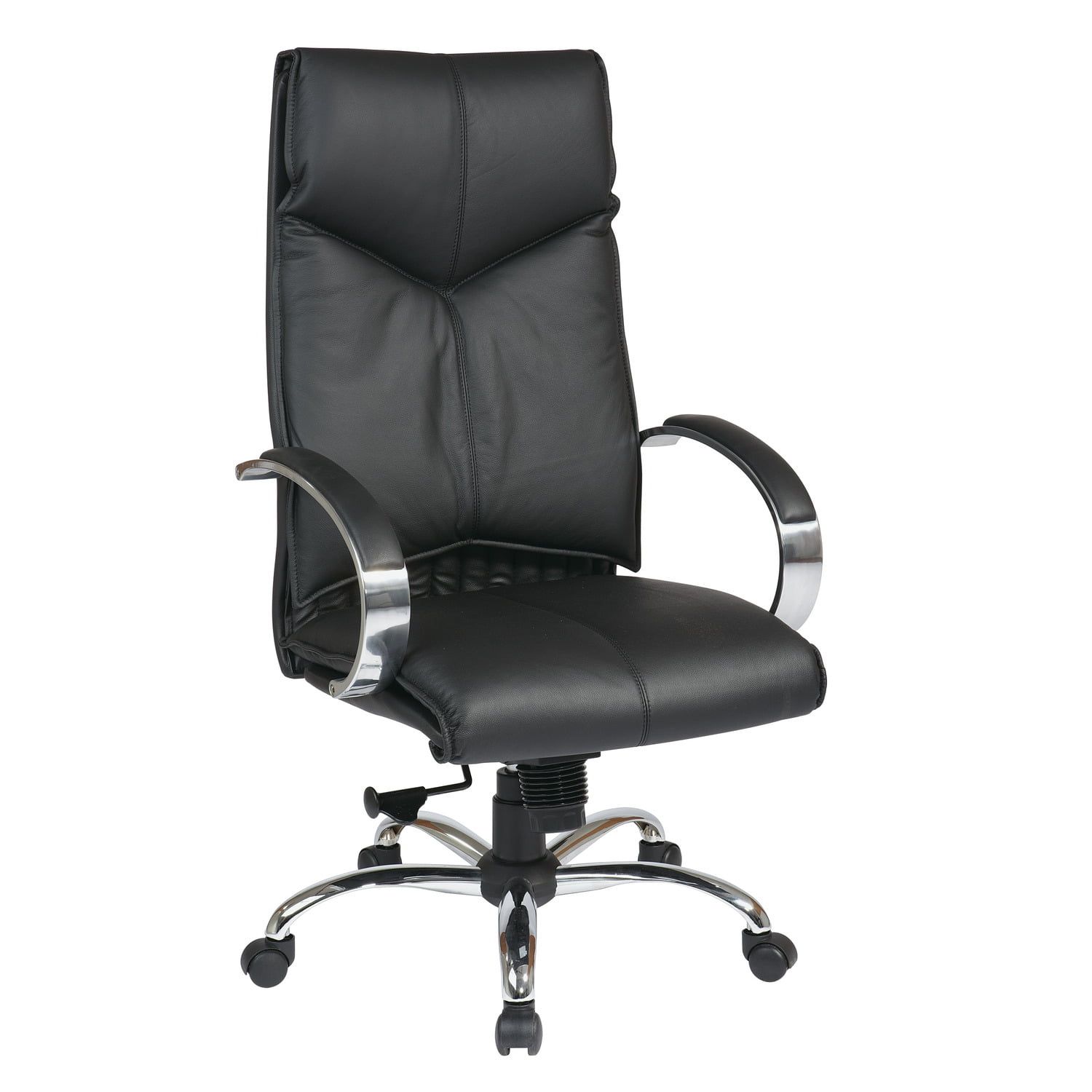
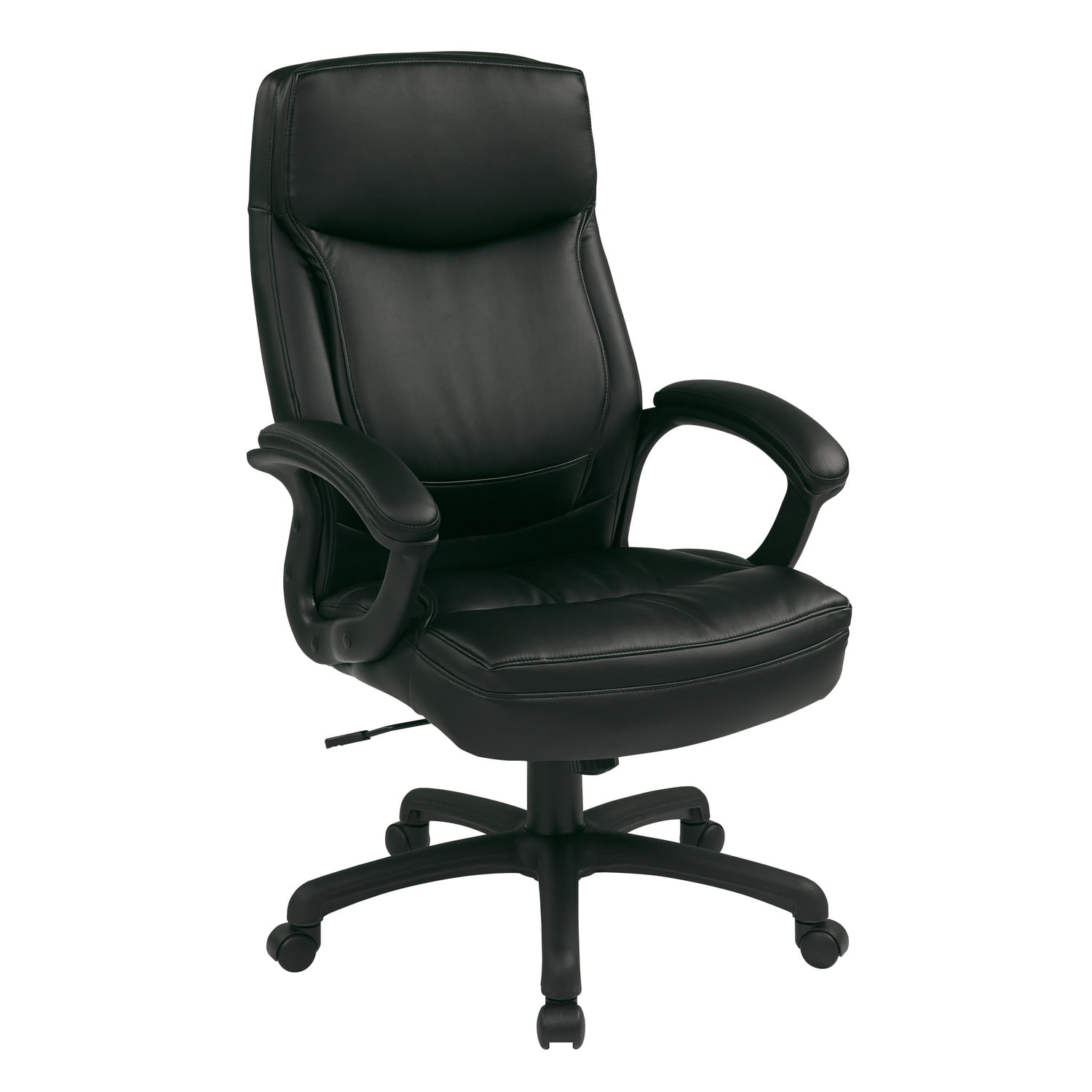
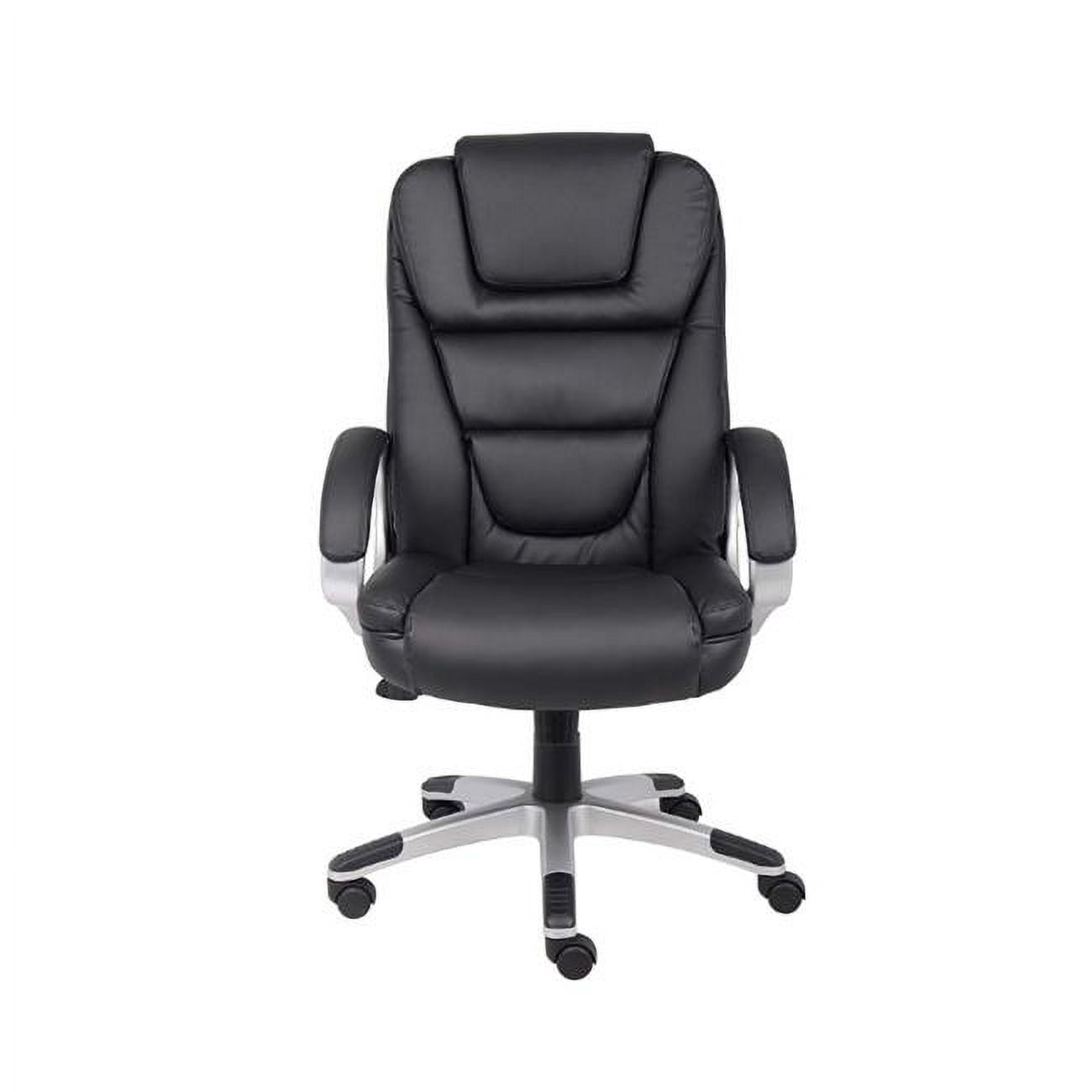
The Executive High Back Leather Office Chair: Where Power Meets Posture
When you walk into your office, the chair you sit on silently communicates your standards. An executive high back leather office chair does more than fill space—it frames your presence. But beyond the polished look, today’s high-back leather chairs are engineering marvels. They are built to support the complex curves of the spine during intense workdays, client negotiations, and creative deep dives.
In this guide, we’ll explore why the high-back silhouette matters, what leather grades actually mean for durability, and how to select a chair that feels as good as it looks. Whether you’re a CEO, a senior manager, or a professional building your home office sanctuary, these insights will help you invest wisely.
The Anatomy of a High-Back Executive Chair
Think of a high-back chair as a supportive cocoon. Unlike mid-back chairs that stop at the shoulder blades, a true high-back extends to support your head and neck. This design is crucial for executives who often lean back during phone calls, reading, or strategic thinking. A well-designed high back includes a contoured headrest that cradles the cervical spine without pushing your head forward.
- Headrest integration: Look for an adjustable headrest (2D or 3D) that moves up/down and pivots. This ensures the curve fits your neck whether you’re upright or reclined.
- Shoulder support: The upper backrest should have a slight butterfly shape to allow shoulder blades to move freely while providing lateral support.
- Lumbar zone: Many executive chairs now feature separate lumbar adjustment (height + depth) built into the leather back, so you’re not just leaning against a pillow.
Leather Grades: What You're Really Sitting On
The term “leather” covers a wide spectrum. To avoid disappointment, understand these four common types used in executive chairs:
Full-Grain Leather
The top layer of the hide, with all natural markings intact. It develops a rich patina over time and is incredibly durable. Used in the finest executive chairs ($1,500+).
Top-Grain Leather
Sanded and finished to remove imperfections. Slightly thinner than full-grain but still genuine leather. Common in premium chairs ($800–$1,800).
Bonded Leather
Made from leather scraps mixed with polyurethane. Looks like leather initially but tends to peel within a few years. Often found in budget “leather” chairs.
Faux Leather (PU/PVC)
100% synthetic. Can be convincing at first but lacks breathability and longevity. Suitable for light use or tight budgets, but not a long-term executive investment.
Insider tip: If the product description doesn’t specify “full-grain” or “top-grain,” it’s likely bonded or faux leather. Reputable manufacturers proudly state the leather grade.
Ergonomics Hidden in Luxury
An executive high back leather chair might look traditional, but modern engineering hides advanced ergonomics beneath the leather. Here are features that separate a true executive tool from a decorative throne:
- Multi-position recline with tension control: Allows you to rock or lock in a reclined position. The best chairs have a synchro-tilt mechanism where the seat and back move in a 2:1 ratio to keep your feet flat.
- Seat depth adjustment: A sliding seat pan ensures proper thigh support (2–4 fingers gap between the seat edge and your knees).
- 4D armrests: Height, width, depth, and pivot adjustments reduce shoulder strain. Leather-wrapped armrests add comfort.
- Weight capacity and base: For a high-back, a heavy-duty aluminum base and class-4 gas lift are standard for users up to 300–400 lbs.
Why Executives Prefer High Back Leather: Psychological Edge
According to environmental psychology, your chair affects how others perceive you—and how you perceive yourself. A 2019 study in the Journal of Consumer Research found that individuals in high-backed, imposing chairs felt more powerful and abstract-thinking. Leather amplifies this effect through sensory cues of luxury and permanence. In client meetings, a high-back leather chair subtly underscores your position. For remote video calls, it frames you as a serious professional.
Leather Care for the Long Haul
You’ve invested in a premium leather chair; protect that investment.
- Weekly: Wipe with a dry microfiber cloth to remove dust.
- Monthly: Use a slightly damp cloth (distilled water) to wipe; then dry immediately.
- Quarterly: Apply a pH-balanced leather cleaner, followed by a conditioner. Avoid silicone-based products; they can clog the leather’s pores.
- Avoid: Direct sunlight and heat sources. Position the chair away from windows or use UV-protecting curtains.
Real-World Data: Comfort & Productivity
A Cornell University ergonomics study noted that proper back support (especially in high-back chairs) can reduce spinal disk pressure by up to 35% when reclined 135 degrees. While executives rarely work fully reclined, even a 110–120 degree angle eases spinal load. Additionally, 78% of senior leaders surveyed by the American Chiropractic Association reported less end-of-day fatigue after switching to an ergonomic high-back leather chair with lumbar support.
Frequently Asked Questions: Executive High Back Leather Office Chair
Final Verdict: Your Leadership Throne
An executive high back leather office chair is not a casual purchase; it’s a 10-year partnership. By prioritizing genuine leather (full or top-grain), comprehensive ergonomic adjustments, and a sturdy build rated for your body type, you’ll gain daily comfort and a powerful professional image. Remember to test the chair’s recline, armrests, and lumbar support—ideally in person or via a generous return policy. The right chair will make 10-hour days feel less like a marathon and more like a strategic advantage.