
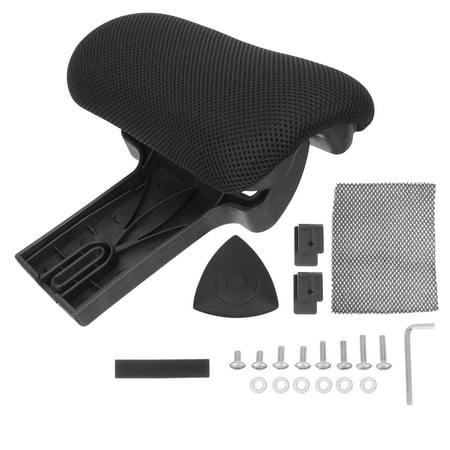
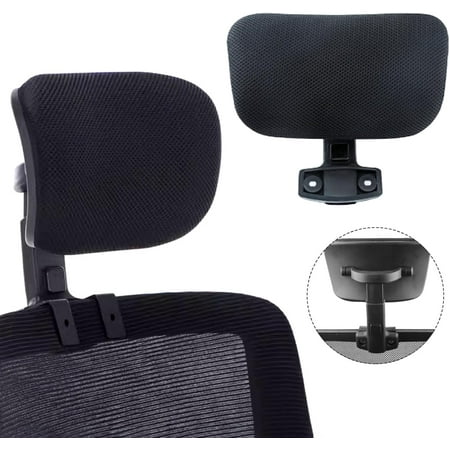
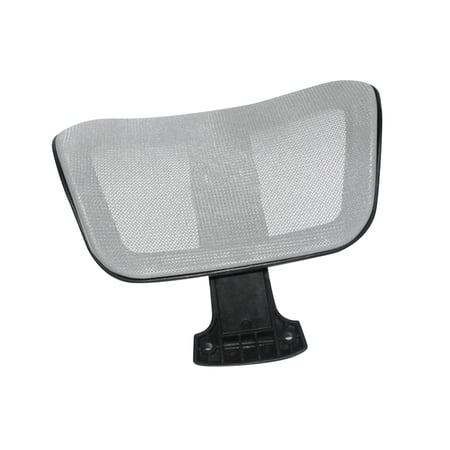
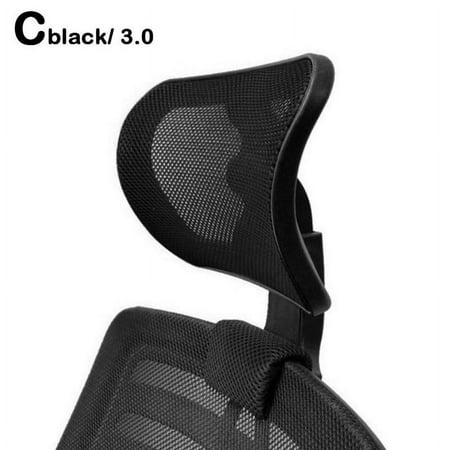
Why Add a Universal Headrest to Your Office Chair?
Your office chair probably came with excellent lumbar support, but what about your neck? After hours of staring at monitors, your cervical spine bears the brunt of poor posture. A universal headrest for office chair is the missing piece that transforms a standard ergonomic seat into a complete support system. Think of it as a suspension bridge for your neck: it relieves tension, distributes weight, and prevents that aching feeling by 4 p.m.
Ergonomic insight: Studies show that over 70% of office workers experience neck pain at some point. Adding a headrest can reduce neck muscle activity by up to 40% when leaning back, according to research published in Applied Ergonomics. It’s not just comfort—it’s a health investment.
Key Benefits of a Universal Headrest
- Instant neck relief: Supports the natural curve of your neck during micro-breaks.
- Universal fit: Designed to attach to almost any chair back – mesh, fabric, leather, or plastic.
- Adjustable positioning: Height, angle, and sometimes depth to match your unique body dimensions.
- Preserves chair warranty: Since it’s an add-on, it doesn’t void your chair’s original warranty.
- Cost-effective upgrade: Costs a fraction of a new ergonomic chair.
Types of Universal Headrest Attachments
Not all headrests are created equal. Understanding the mounting system helps you choose the right one for your chair.
Strap-on (Wrap-around)
- Uses elastic or velcro straps that wrap around the chair back.
- Best for chairs with open backs (mesh) or contoured plastic.
- Tool-free installation, highly adjustable.
- Usually the most affordable option.
Clamp / Clip-on
- Attaches via a clamp that grips the top edge of the chair.
- Ideal for chairs with a solid top rail or thick upholstery.
- Very secure, often features a metal bracket.
- May leave slight marks on soft leather (rare).
Rod / Slot Insertion
- Designed for chairs that have pre-existing headrest slots (common in gaming chairs).
- Provides the most OEM-like appearance.
- Limited to chairs with hollow tubes or slots.
Hybrid (Strap + Pad)
- Combines a padded backplate with elastic straps.
- Offers broader support surface.
- Good for chairs with oddly shaped backs.
How to Choose the Right Universal Headrest
Step 1: Analyze Your Chair's Back
- Measure the width of the chair back (most headrests fit 18-24 inches).
- Check the top edge: is it flat, curved, thick or thin?
- If you have a mesh back, strap-on works perfectly. For solid plastic, a clamp is better.
Step 2: Determine Your Height & Desired Position
- Sit in your chair with good posture. Measure from the top of the chair back to the base of your skull.
- Look for a headrest with at least 4-5 inches of vertical adjustment.
- Angled adjustment (tilt) is crucial to match your recline preference.
Step 3: Material & Comfort Preference
Installation Tips (5-Minute Upgrade)
You don't need to be a handyman. Most universal headrests install in minutes:
- Loosen the straps or clamp mechanism.
- Position the headrest at the desired height on the chair back.
- Tighten the straps evenly so the headrest is centered and secure.
- Adjust the angle of the headrest cushion so it contacts the back of your head, not your neck (to maintain healthy cervical curve).
- Test by leaning back – it should feel supportive without pushing your head forward.
Health Benefits of Using a Headrest
Reduces forward head posture
Keeps ears aligned with shoulders, decreasing strain on upper trapezius.
Decreases tension headaches
Less muscle fatigue means fewer cervicogenic headaches.
Improves focus during reclining
When you lean back to think, your neck stays supported, so you don’t lose your train of thought.
Adds resale value to your chair
An upgraded chair is more attractive if you ever sell it.