
Why a Dedicated Big and Tall Leather Office Chair Changes Everything
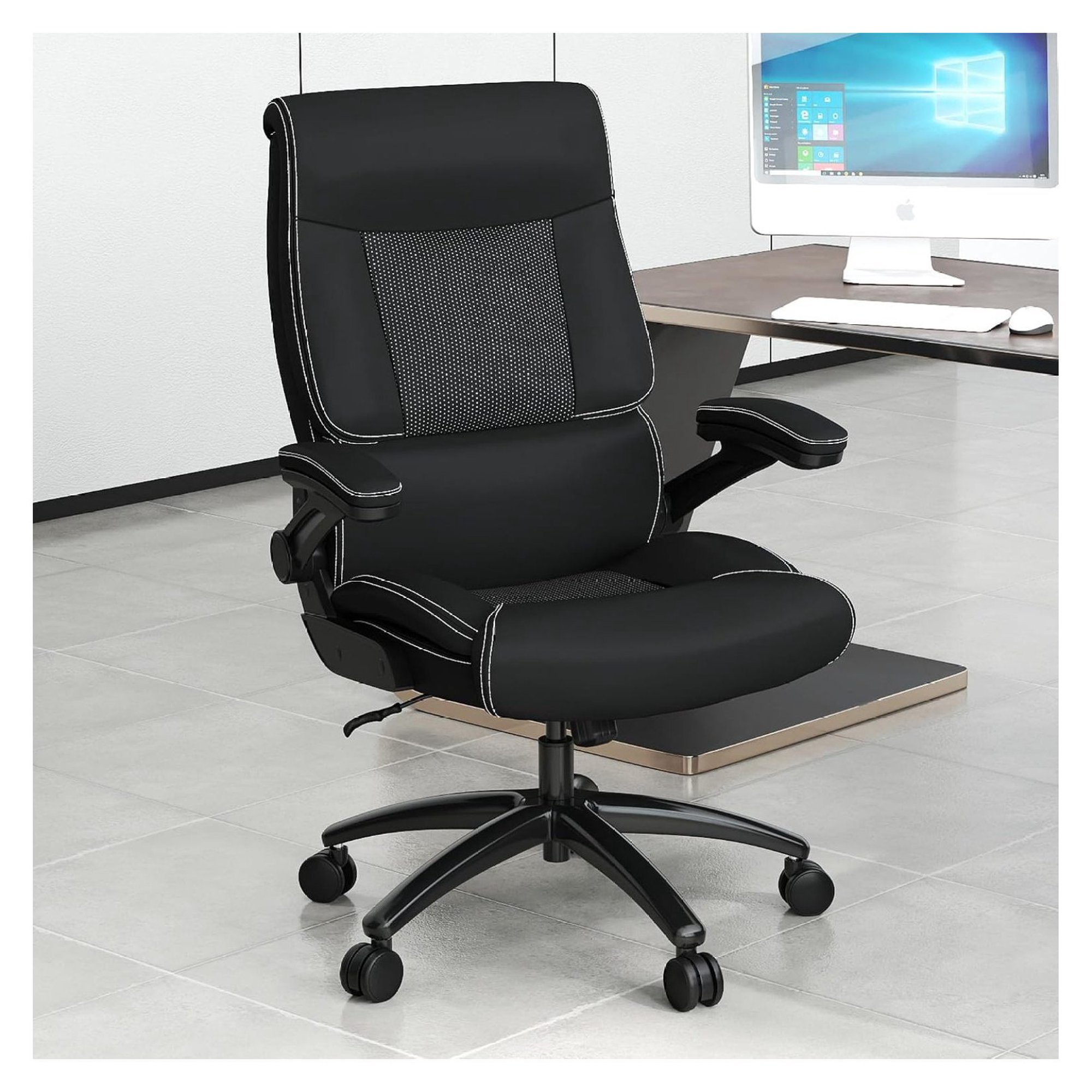
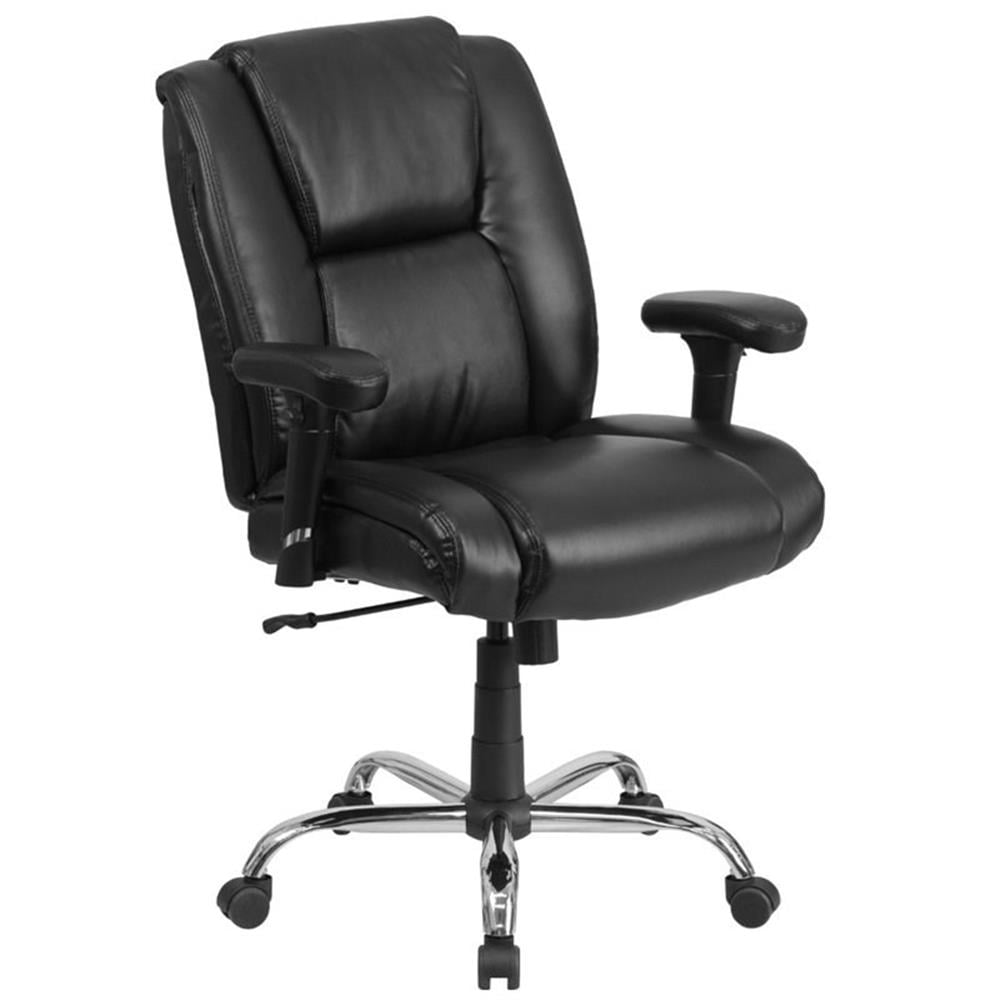
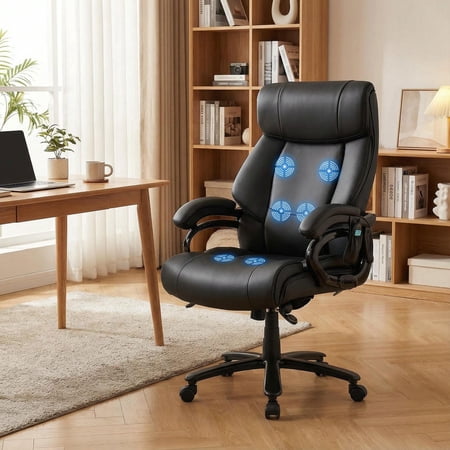
If you're a larger-framed professional, squeezing into a standard office chair is like wearing a suit two sizes too small – it restricts movement, causes pressure points, and screams "temporary." A big and tall leather office chair isn't just a wider seat; it's an engineered system designed to distribute weight evenly, support your spine, and last for years. In fact, ergonomists suggest that using a chair with inadequate width or padding can increase lower back stress by up to 35% for people over 6'2" or 250 lbs.
📊 Did you know? The average "standard" office chair is tested to only 250 lbs. For long-term safety and comfort, a big & tall leather chair with a 400 lb capacity provides a 60% higher safety margin, ensuring the gas lift and casters won't fail unexpectedly.
1. Anatomy of a True Heavy-Duty Leather Chair
Not every chair labeled "big and tall" lives up to the name. Here’s what separates the durable giants from the flimsy pretenders:
• Frame & Base: The Skeleton
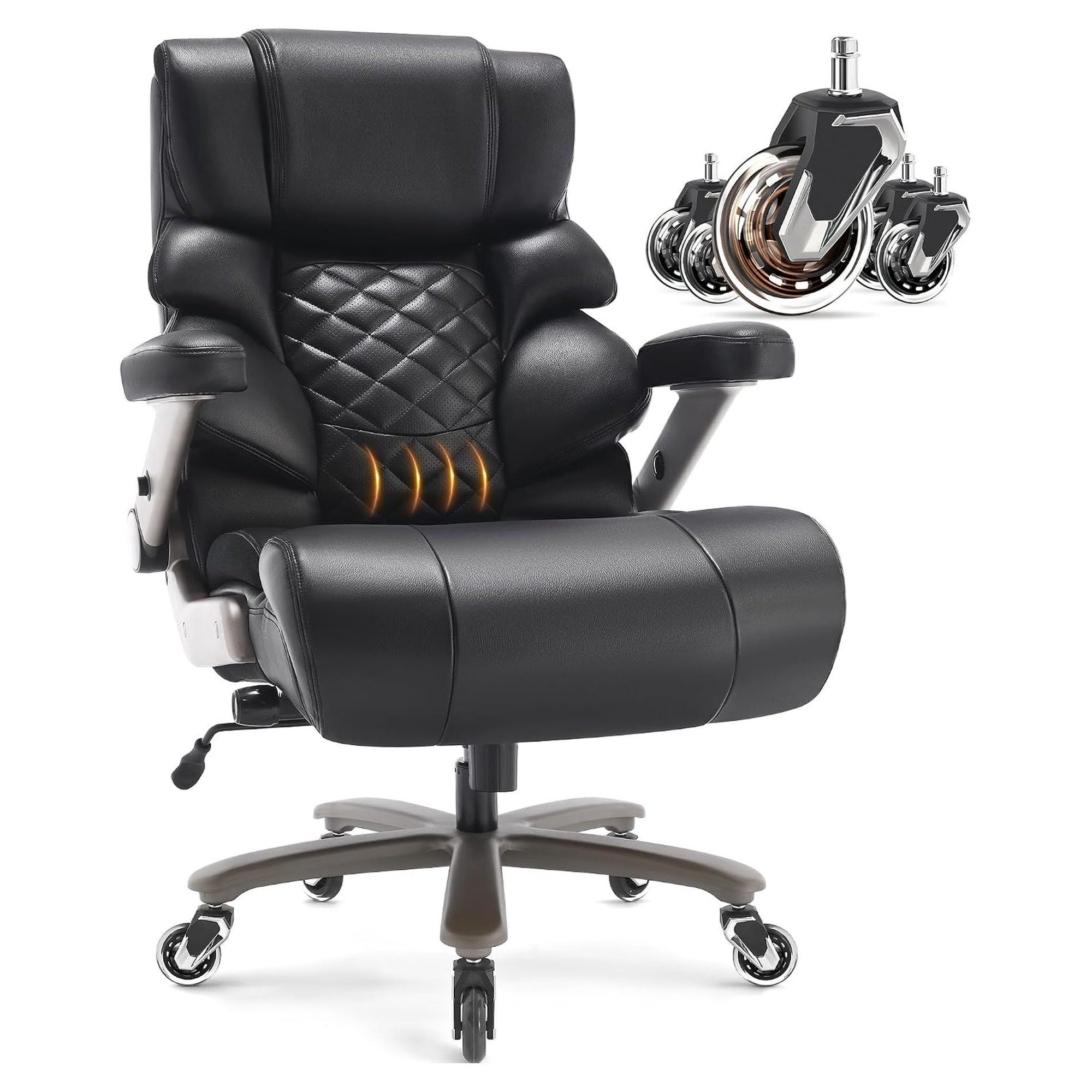
Look for a metal reinforced frame (steel or heavy-gauge aluminum). The base should be a minimum 28" diameter nylon or polished aluminum with a class 4 or class 5 gas lift – that’s the piston that holds your height. A class 3 lift is common in budget chairs and prone to sinking. The base must also support dual-wheel casters (often 3" diameter) that roll smoothly under heavy loads.
• Seat Dimensions: Width and Depth Matter
Standard seats are about 19.5" wide. For big & tall, you want 22" to 30" seat width and a seat depth of at least 20.5" (adjustable depth is a plus). This ensures your thighs are fully supported without cutting off circulation. Also check the seat edge: a waterfall front reduces pressure on the back of your legs.
• Leather Quality: Not All Hides Are Equal
Top-grain leather is the gold standard – breathable, durable, and develops a patina. Bonded leather (leather scraps glued together) is cheaper but can crack within 2 years under heavy use. For big & tall chairs, we recommend at least high-grade PU leather (>1.2mm thickness) or genuine top-grain. Faux leather with high tensile strength is also acceptable if reinforced with polyester backing.
2. Ergonomic Features Tailored for Larger Bodies
Size is just the starting point. Real comfort comes from adjustability that accommodates unique proportions.
- Adjustable lumbar support: Because tall users have lumbar curves at different heights. Look for both height and depth adjustment.
- 4D armrests: Width-adjustable armrests allow you to park the chair under the desk and keep elbows at 90°.
- Tilt tension and lock: A heavy-duty mechanism lets you lean back without suddenly flopping. The tension knob should be strong enough for 250–400 lbs.
- Headrest (optional but great): For users over 6', a padded leather headrest that adjusts both height and angle prevents neck strain during long calls.
3. Health Benefits Beyond Comfort
Investing in a correctly sized leather chair isn't a luxury; it's preventative healthcare. A study in the Journal of Physical Therapy Science noted that proper seat width reduces pressure on the greater trochanter (hip bone) and improves blood flow. For big and tall individuals, this translates to:
Reduced sciatic pain
Wider seat pan prevents compression of the sciatic nerve.
Better posture
High backrest keeps shoulders aligned.
Less hip fatigue
Extra foam density (2.5–3 lbs) prevents bottoming out.
Skin health
Leather breathes better than synthetic, reducing heat rash.
4. Material Comparison: Leather vs. Fabric for Big & Tall
| Material | Pros for big & tall | Cons |
|---|---|---|
| Top-grain leather | Molds to shape, durable (10+ years), easy wipe-clean | Higher cost, may feel warm in summer |
| High-grade PU leather | Consistent texture, stain-resistant, affordable | Less breathable, may peel if low quality |
| Fabric / mesh | Breathable, cheaper | Can sag under weight, traps odors, less formal look |
For a professional executive setting, leather remains the top choice because it conveys authority and handles daily friction better than fabric.
5. Step-by-Step Selection Guide for Big & Tall Leather Chairs
Step 1: Measure Your Current Workspace
Measure from floor to desk underside – you need at least 4" clearance for a thicker seat. Also measure seat width between armrests if you have a fixed console.
Step 2: Calculate True Capacity Needs
If you weigh 280 lbs, buy a chair rated 400 lbs. That extra margin means the tilt mechanism, casters, and cylinder are over-engineered.
Step 3: Prioritize Lumbar and Seat Depth
Test (or check return policy) that the backrest hits at least your shoulder blades. For tall people, a backrest height of 30" or more is ideal.
Step 4: Examine Warranty and Support
Look for at least 5 years on the frame and mechanism, 2 years on upholstery. Brands that specialize in big & tall often have better parts availability.
6. Common Mistakes When Buying a Big and Tall Leather Chair
- Ignoring seat depth: A wide seat that's too short won't support thighs – you'll feel a pressure line.
- Assuming all leather is the same: Cheap bonded leather delaminates under heavy use.
- Overlooking caster type: Standard casters can lock up under load; opt for heavy-duty dual-wheel or rollerblade-style wheels.
- Not checking cylinder class: Class 3 maxes out around 250 lbs; Class 4 or 5 is mandatory for 300+ lbs.
Frequently Asked Questions (H2)
Conclusion: Your Frame Deserves a Foundation That Fits
Choosing a big and tall leather office chair is an investment in your daily energy, long-term spinal health, and professional image. By focusing on reinforced construction, correct dimensions, and genuine materials, you avoid the fatigue and wear that come from squeezing into inadequate seating. Remember: comfort isn't a one-size-fits-all concept. Scale up, sit well, and lead longer.