
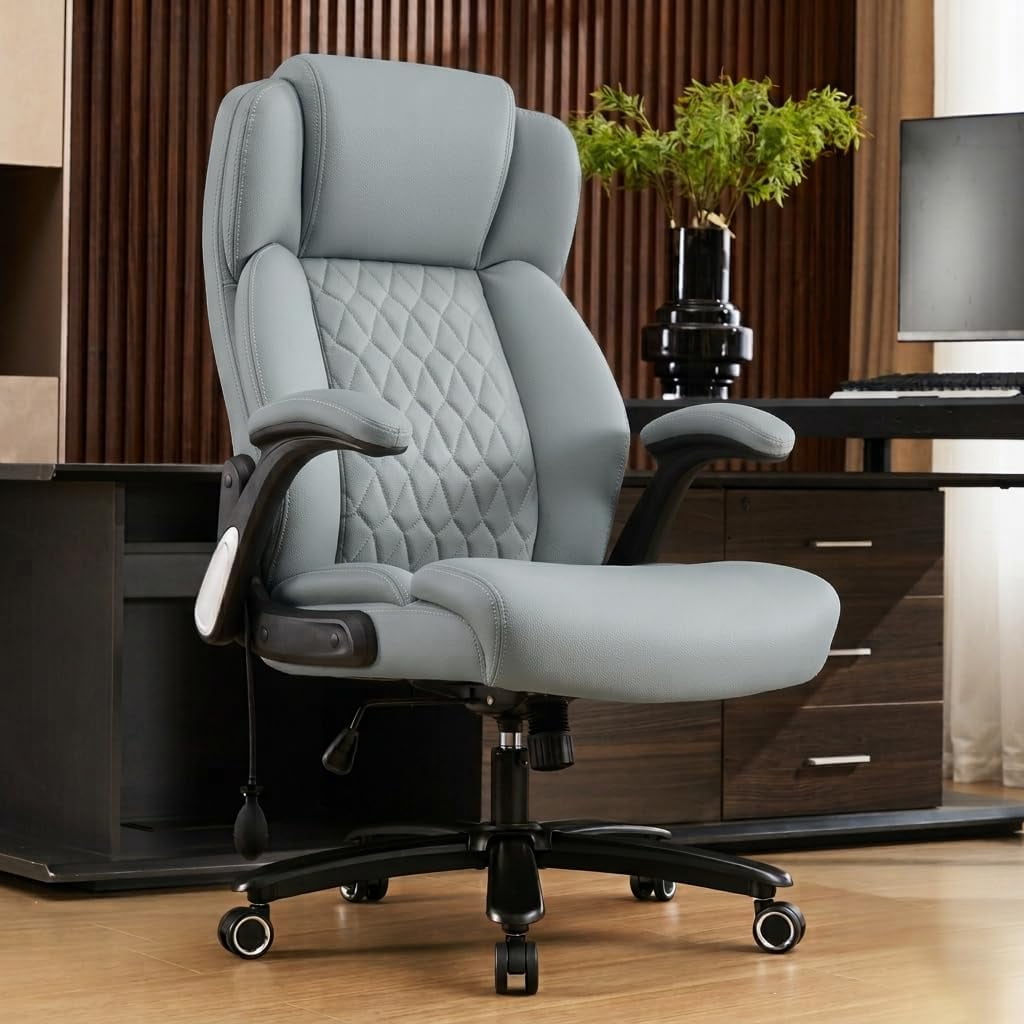
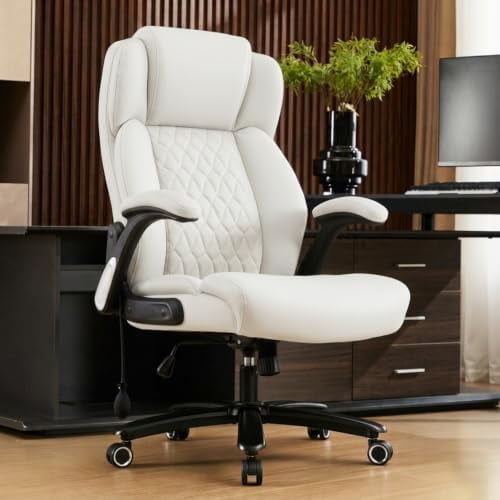
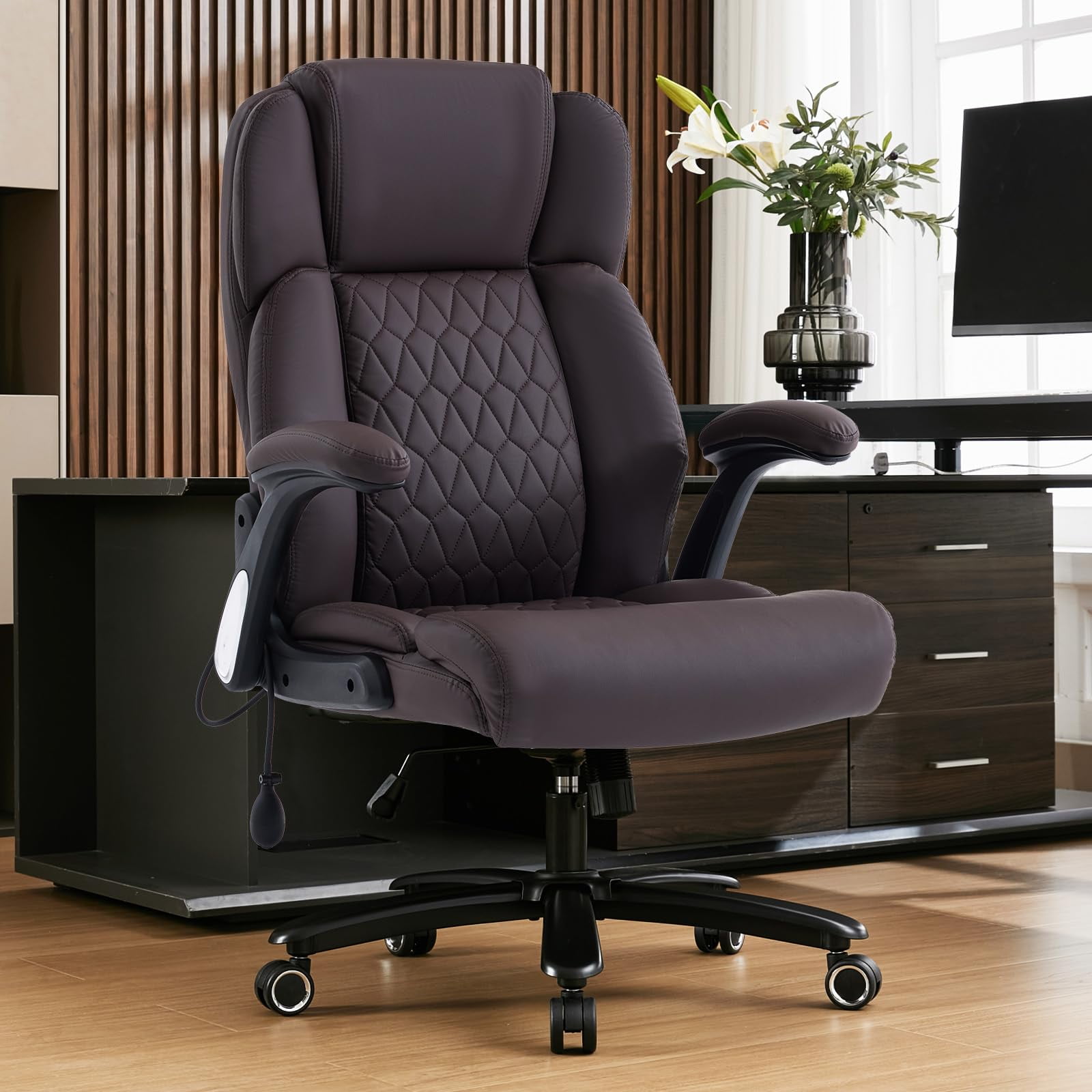
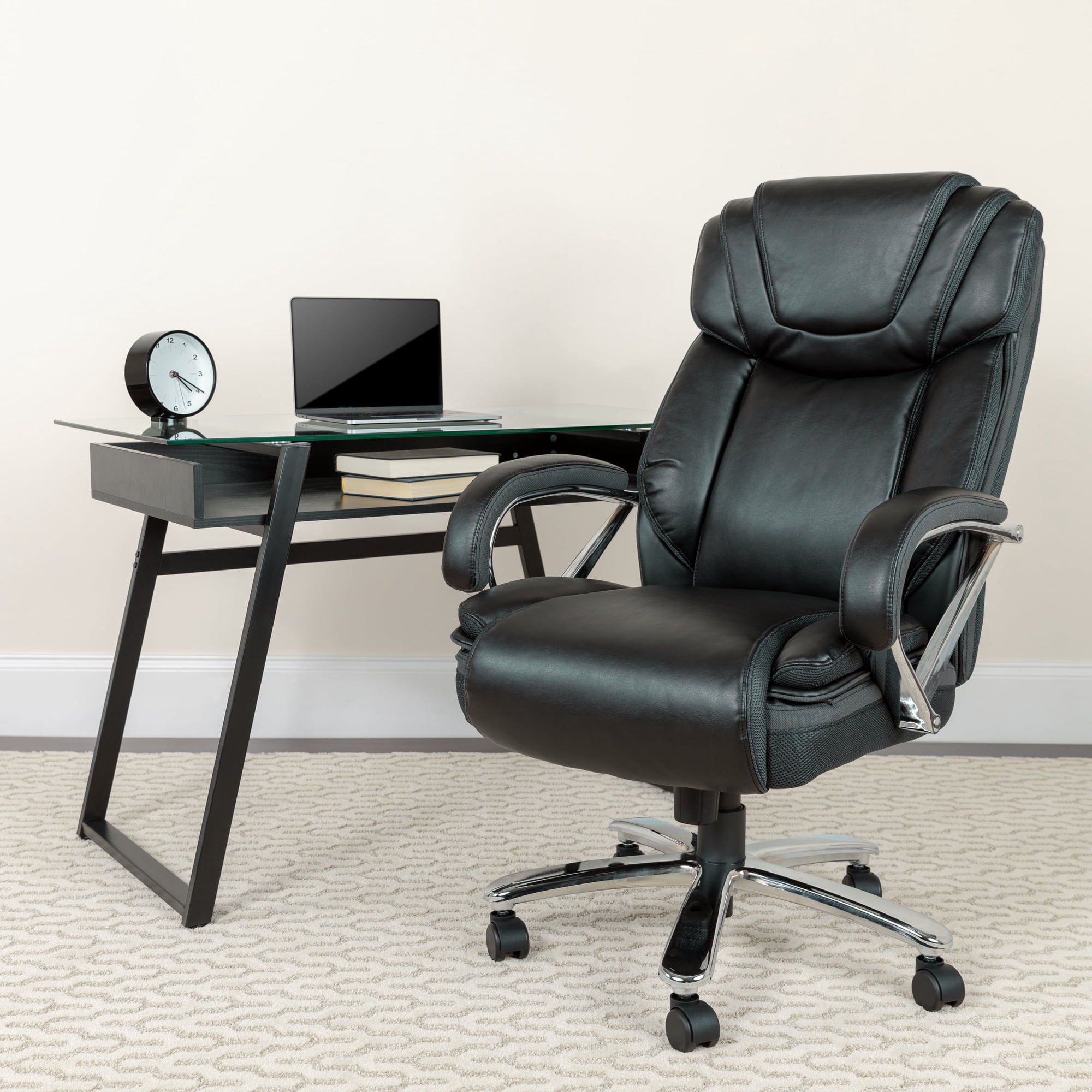
Why an Extra Wide Office Chair with 500 lb Capacity is a Game-Changer
Imagine settling into your workday with a chair that feels like it was custom-built for your body—no creaking, no wobbling, no worries about durability. That's the promise of a true extra wide office chair 500 lb capacity. Unlike standard office chairs that max out at 250–300 lbs, these heavy-duty chairs are engineered with reinforced components to provide safety, stability, and comfort for larger-framed individuals or anyone who simply wants an ultra-sturdy seat.
Did you know? According to a study published in the journal Applied Ergonomics, seating that properly supports a user's weight reduces spinal loading by up to 35% and significantly decreases fatigue. For individuals over 300 lbs, using a chair with insufficient capacity increases the risk of chair failure and long-term back issues. A 500 lb capacity chair isn't just about weight—it's about long-term health and productivity.
What Exactly Defines a “500 lb Capacity” Office Chair?
It’s more than just a number on a box. A genuine 500 lb capacity extra wide office chair must meet rigorous standards. Look for ANSI/BIFMA X5.1 certification—the gold standard for office furniture durability. This testing ensures the chair can withstand repeated use and static loads far beyond its rating. Here’s what’s beefed up under the hood:
- Reinforced steel frame: Thicker gauge metal in the base and backrest to prevent flexing or cracking.
- Class 4 or 5 gas lift: These heavy-duty pistons are built to handle higher pressures without failing.
- Wider seat pan (22”–30”): Accommodates users who need extra hip and thigh room without feeling squeezed.
- Larger base diameter (28”–30”): Increases stability and prevents tipping.
- Heavy-duty casters: Often metal-core with soft or hard treads depending on floor type, rated for high weight.
Key Benefits of Choosing an Extra Wide Chair with 500 lb Rating
Beyond the obvious weight support, these chairs offer unique advantages that enhance your work life.
1. Uncompromised Posture and Spinal Health
Standard chairs often sag under higher weight, causing the pelvis to tilt posteriorly and leading to lower back pain. Extra wide chairs with high weight capacity maintain their structural integrity. Look for models with adjustable lumbar support—some even offer independent height and depth adjustments. For example, a chair with a built-in lumbar mechanism can be contoured to fit the natural curve of your spine, reducing pressure on discs by up to 25% compared to non-adjustable chairs.
2. Superior Comfort That Lasts All Day
Comfort isn't just about padding thickness. High-density, cold-cured foam (often used in premium 500 lb chairs) resists breakdown. Unlike cheaper foam that goes flat in months, this foam retains resilience for years. Many extra wide chairs also feature a waterfall seat edge to improve circulation in your legs—a must for long sitting sessions.
3. Confidence and Durability
A chair rated for 500 lbs doesn’t just support more weight; it typically lasts longer even for lighter users. The reinforced components mean less wear and tear. Most quality models come with a 10-year warranty on the frame and mechanism, and 2–5 years on upholstery and parts. That’s a solid return on investment.
Step-by-Step Guide to Selecting Your Ideal Extra Wide 500 lb Capacity Chair
Step 1: Measure Your Space and Body Dimensions
Start by measuring the seat width you need. A true extra wide chair typically offers a seat width of 22 to 30 inches. Sit on a flat surface and measure across your hips/thighs, then add 2 inches for comfortable room. Also measure your desk height: standard desks are 29-30 inches high. Check the chair's seat height range (usually 19”–23”) to ensure you can sit with feet flat and thighs parallel to floor.
Step 2: Prioritize Adjustability Features
For a chair to truly fit, look for at least these adjustments:
- Seat depth adjustment: Slide the seat forward/back to support your thighs without pressure behind knees.
- 4D armrests: Height, width, depth, and pivot adjustments let you support your arms naturally, reducing shoulder strain.
- Tilt tension and lock: You should be able to recline smoothly and lock in a comfortable position.
- Headrest (optional but recommended): Especially for tall users, a height-adjustable headrest supports the neck during breaks.
Step 3: Material Selection – Leather, Fabric, or Mesh?
Each material has trade-offs for heavy-duty chairs:
- Heavy-duty bonded leather or PU leather: Easy to clean and looks professional, but may not breathe well. Ensure it’s at least 1.5mm thick.
- High-quality fabric (e.g., breathable mesh or performance textile): More breathable and often cooler. Look for fabric with a high double-rub count (50,000+ Wyzenbeek) for durability.
- Mesh back + fabric/leather seat: A popular combo—breathable back support with a cushioned seat. For 500 lb chairs, the mesh must be reinforced.
Step 4: Examine the Base and Casters
The base should be made of nylon or aluminum with a wide footprint. Aluminum is lighter and often more durable. Casters: for carpet, use hard casters (they roll easier); for hard floors, soft rubber casters prevent scratching. Many heavy-duty chairs offer “brake” casters that lock when weight is applied, adding stability.
Step 5: Check Certification and Warranty
Always verify if the chair is ANSI/BIFMA certified. This independent testing confirms the chair meets industry safety and durability standards. A strong warranty (10+ years on frame, 5 years on mechanical parts) gives peace of mind.
Comparing Construction: 500 lb Capacity Chairs vs. Standard Office Chairs
To illustrate the difference, here’s a quick comparison:
| Component | Standard Chair (250-300 lb capacity) | Extra Wide 500 lb Capacity Chair |
|---|---|---|
| Seat frame material | Plywood or thin steel | Reinforced steel plate or thick gauge steel |
| Gas lift class | Class 2 or 3 | Class 4 or 5 (heavy-duty) |
| Base diameter | 26-27 inches (plastic often) | 28-30 inches (metal or reinforced nylon) |
| Seat width | 18-20 inches | 22-30 inches |
| Caster rating | Standard wheels (often break under load) | Heavy-duty, metal core, rated 500+ lbs |
Real-World Scenarios: Who Needs a 500 lb Capacity Extra Wide Chair?
While obviously suited for plus-size individuals (bariatric users), these chairs are also ideal for:
- Tall users (6’4” and above): Extra wide often means extra deep and tall backrests, providing better support for longer torsos.
- Anyone who wants a “forever chair”: If you prefer buying furniture that lasts a decade, the overbuilt nature of a 500 lb chair means less chance of breakdown.
- Shared workspaces: In offices where multiple people of varying sizes use the same chair, a high-capacity chair safely accommodates everyone.
Common Myths About 500 lb Capacity Chairs
Myth #1: “They are all huge and won’t fit my desk.” Not true. Many models have adjustable seat depth and height, allowing them to fit average-sized desks. Check specs—the width is larger, but the depth can be adjusted.
Myth #2: “They look like industrial equipment.” Today’s heavy-duty chairs come in sleek designs—from modern mesh backs to tufted leather executive styles. You don’t have to sacrifice aesthetics.
Myth #3: “They are too expensive.” Consider cost per year. A $500 standard chair might last 3 years for a heavier user; a $900 heavy-duty chair can last 10 years. The math favors quality.
Maintenance Tips to Extend the Life of Your Heavy-Duty Chair
Even a tank needs upkeep. Here’s how to keep your extra wide chair in top shape:
- Tighten bolts every 6 months: Use a hex key to secure armrest and backrest connections.
- Clean casters: Hair and debris jam wheels. Pop them out and clean the axle annually.
- Condition leather (if applicable): Use a non-greasy leather conditioner to prevent drying/cracking.
- Avoid sitting on armrests: They aren’t designed to support full body weight, even in heavy-duty chairs.
- Lubricate moving parts: A silicone spray on the tilt mechanism keeps it smooth.
By following these guidelines, your investment will provide reliable comfort for many years.