
The Overlooked Ergonomics of Seat Height
Imagine wearing a pair of shoes two sizes too small. You might manage for a few minutes, but by the end of the day, your feet would be screaming. That’s exactly what it feels like for taller individuals sitting in a standard office chair. The seat height is the foundation of your seated posture. If it’s too low, your knees rise above your hips, creating pressure points and restricting blood flow. If it’s too high, your feet dangle, leading to lower back strain as you unconsciously try to stabilize yourself.
An office chair with a tall seat height isn't just a luxury; for many, it's a physiological necessity. It's the cornerstone of an ergonomic setup that allows you to work in a neutral posture—feet flat on the floor, thighs parallel to the ground, and hips open at a 90 to 100-degree angle. This guide dives deep into why seat height matters, who needs it most, and how to choose the perfect chair that elevates your comfort and productivity—literally and figuratively.
Beyond the Numbers: Decoding Tall Seat Height
When we talk about office chair tall seat height, we're typically referring to a seat that adjusts higher than the industry standard. But it's not just one number. Let's break down the anatomy of a high-rise chair and why it's more than just a longer gas cylinder.
What Defines a "Tall Seat Height" Office Chair?
Standard office chairs usually have a seat height range of approximately 16 to 21 inches. A chair designed for taller individuals or specialized uses will typically start at 21 inches and extend to 24, 25, or even 27 inches. However, the magic is in the adjustability. A chair that only goes from 22 to 25 inches is less versatile than one that ranges from 19 to 25 inches, accommodating a broader spectrum of users and desk heights.
The Domino Effect: Why Seat Height Alone Isn't Enough
Selecting a chair with a tall seat height is the first step, but it triggers the need for other ergonomic features to work in harmony. Think of it as building a tailored suit: the jacket (seat height) might fit, but the sleeves (armrests) and the torso length (backrest) must also be adjusted.
- Seat Depth Adjustment: Taller individuals often have longer femurs (thigh bones). A chair with a tall seat height but a shallow seat pan will leave you with inadequate thigh support. You need a chair where the seat depth can be increased (usually by sliding the seat forward) so that you can use the full length of the seat without the edge pressing into the back of your knee.
- High Backrest with Lumbar Support: A taller seat height naturally places your body higher relative to the chair's back. A standard backrest might end at your mid-back, offering no support for your shoulders and upper spine. Look for a high-back or even a headrest-equipped chair where the lumbar support is adjustable vertically to align with the natural curve of your lower back, which is higher off the ground than for an average-height person.
- Armrest Flexibility: Armrests that are too low can cause you to slump, while those too high can hike up your shoulders. In a tall seat height chair, your elbows will be higher off the ground. Therefore, 4D armrests (adjustable in height, width, depth, and pivot angle) are not a luxury but a necessity to ensure your arms are supported without compromising shoulder posture.
Who Needs a Tall Seat Height Chair? (Beyond the Obvious)
While taller individuals (generally over 6 feet or 183 cm) are the primary audience, several other scenarios make a high-seat office chair the ideal choice.
- The Tall Professional: For anyone whose height puts them outside the average, a standard chair forces a "frog-like" posture with knees higher than hips. This compresses the spine and leads to chronic lower back pain.
- The Standing Desk User: This is a common pitfall. Many people buy a standing desk converter or a full sit-stand desk but keep their old, standard chair. When they lower the desk to sitting position, it's often too high for their chair. An office chair with a tall seat height perfectly bridges the gap, allowing you to maintain ergonomic alignment at the elevated sitting height required by many standing desk setups.
- Individuals with Specific Medical Conditions: For people recovering from hip or knee surgery, or those with certain mobility issues, sitting in a higher chair makes the transition from sitting to standing much easier and less painful. It reduces the angle of hip flexion and the amount of strength needed to rise.
- Users with Extra-Thick Desk Tops or Keyboard Trays: A thick desktop or an undermounted keyboard tray raises the effective work surface height. A tall seat height ensures you aren't looking down at your monitor or reaching up to your keyboard, preventing neck and shoulder strain.
Stability at Height: Engineering You Can Trust
A common concern is whether a chair with a tall seat height is prone to tipping. Reputable manufacturers address this with specific engineering choices. The higher the chair goes, the more critical the base becomes. Look for these stability indicators:
- Wider 5-Star Base: A base with a larger diameter provides a more stable footprint, counteracting the higher center of gravity.
- Heavy-Duty Gas Lift: The cylinder must be Class 3 or Class 4, indicating it's built for higher loads and frequent adjustments, ensuring it won't fail under pressure.
- Weight Capacity: This is a direct proxy for overall build quality. A chair designed to support 350+ lbs will inherently have sturdier materials in the frame, mechanism, and base, making it safer at its maximum height.
Materials and Mechanisms: What to Look For
The choice of material isn't just about looks; it affects the chair's suitability for different environments.
- Mesh: Excellent for breathability, especially if you tend to run warm. High-quality mesh in a tall chair should be taut and supportive, not saggy. It conforms to the body and provides good back support.
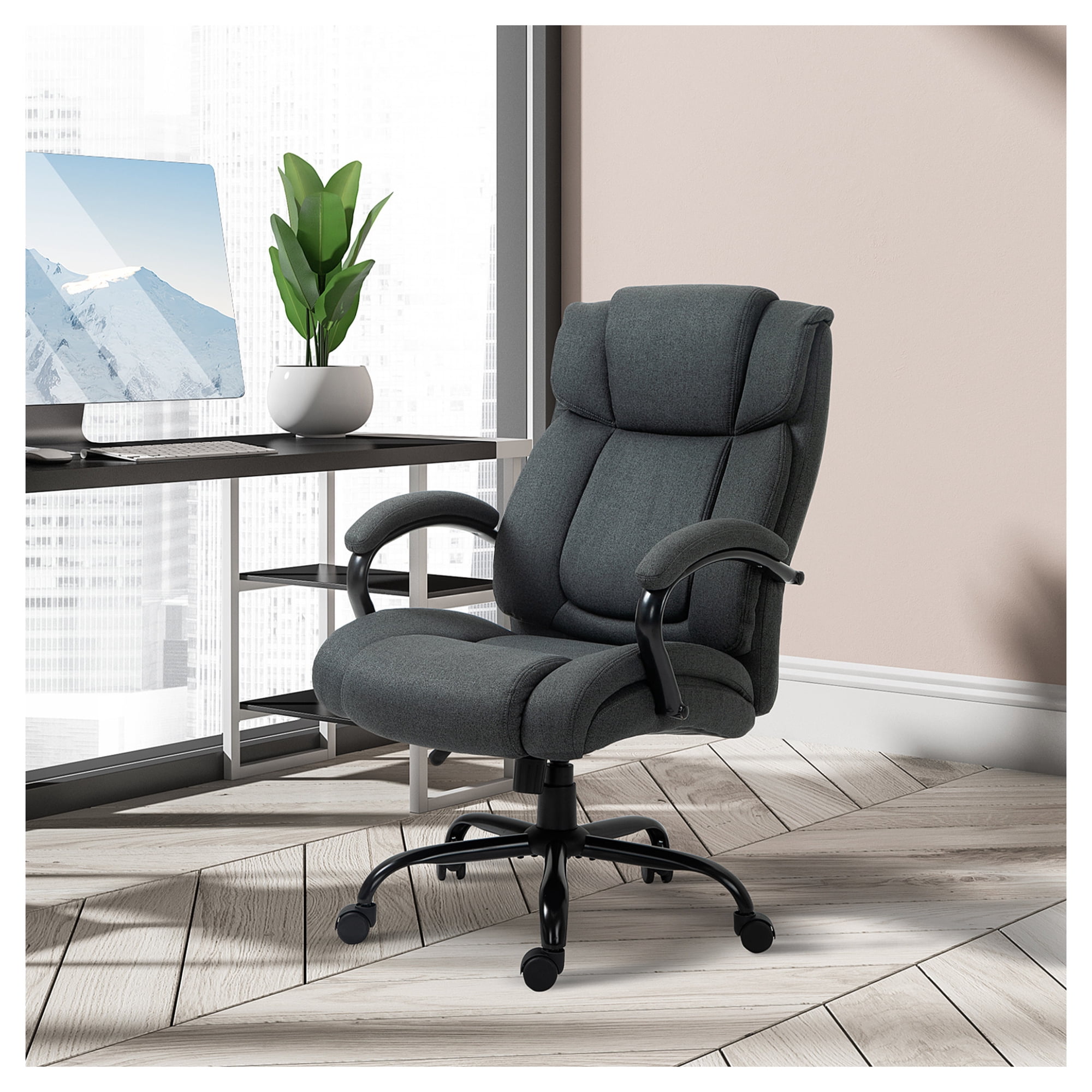
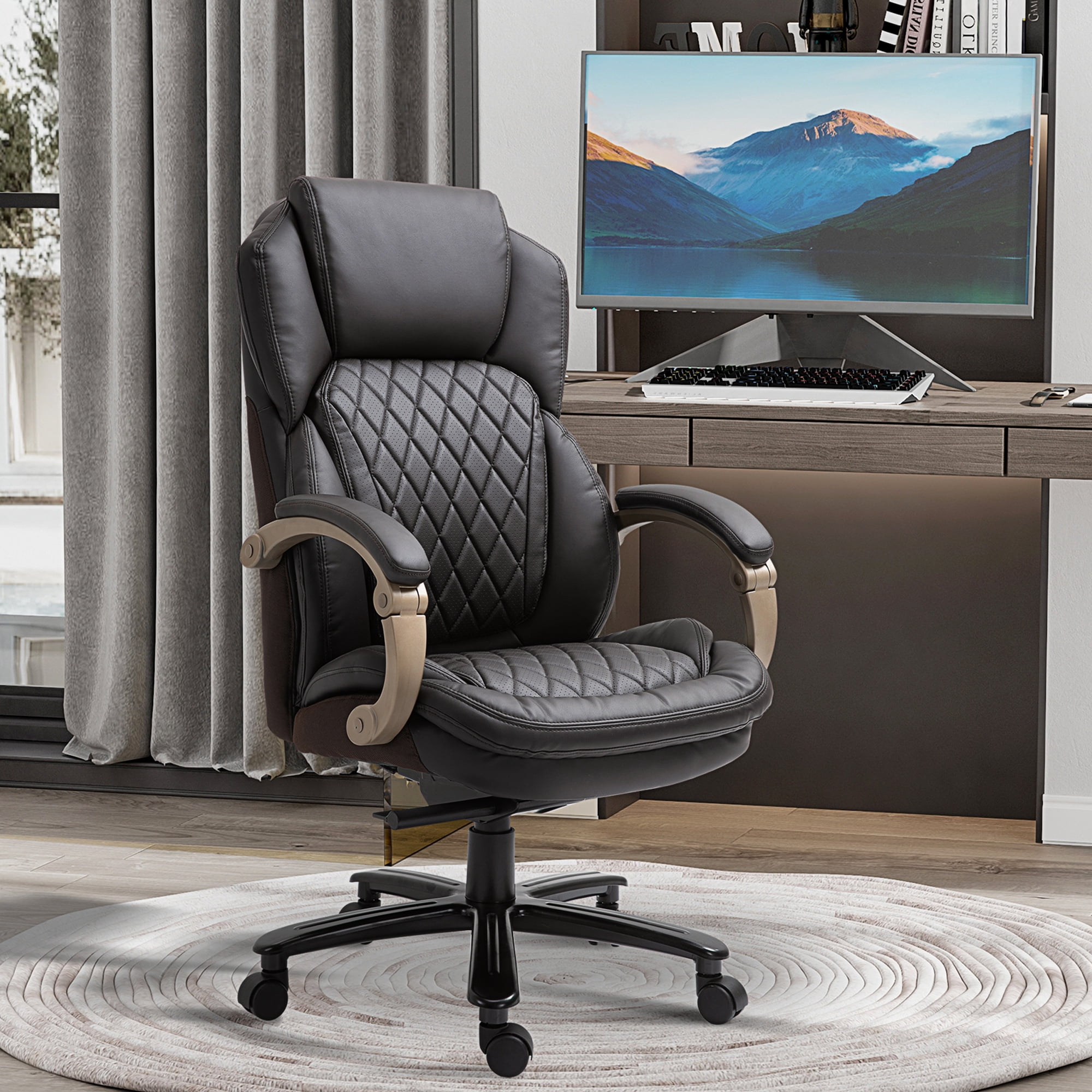
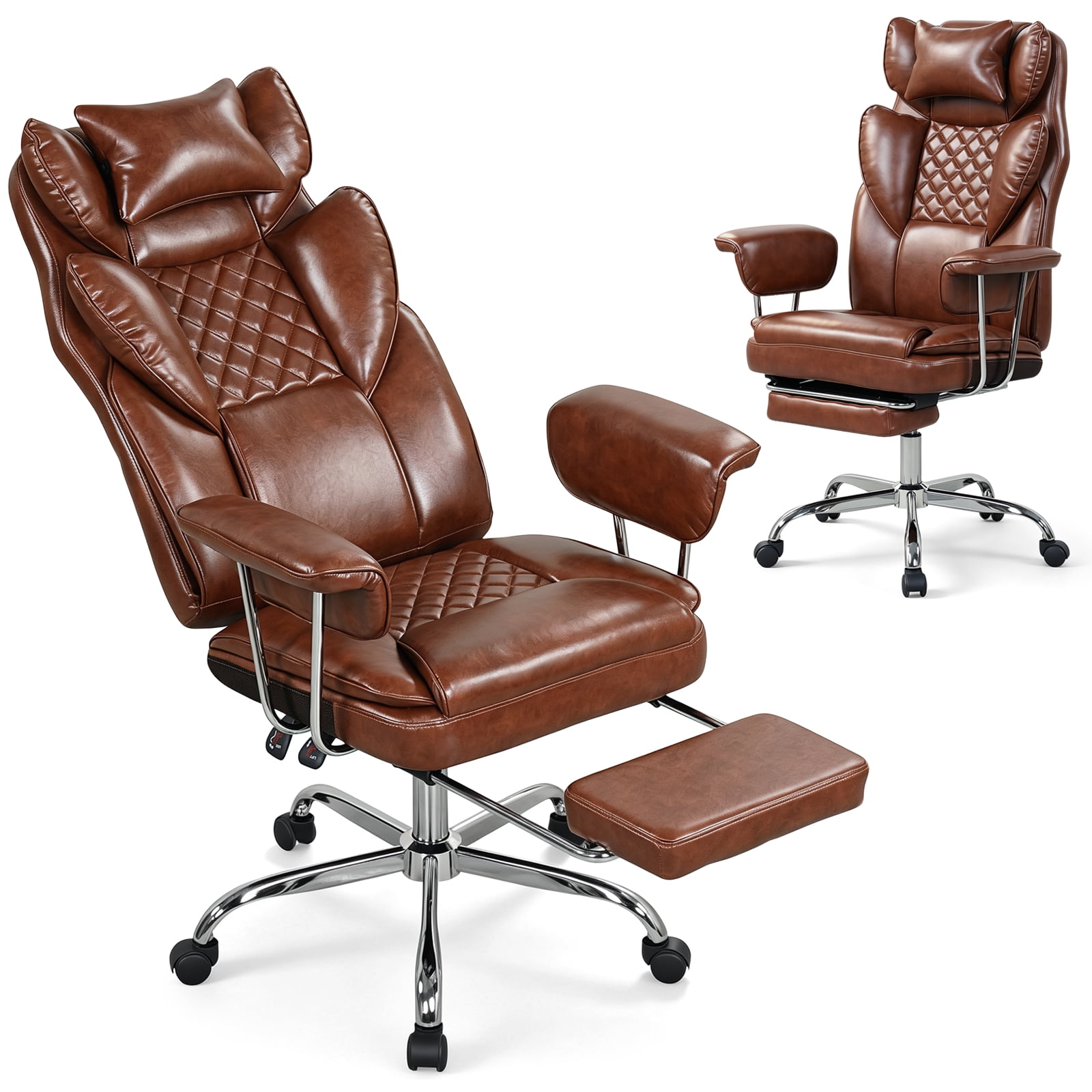
- Leather (or Faux Leather): Projects a classic, executive image. In a tall seat height chair, ensure the leather is of high quality (top-grain or high-grade PU) to withstand the extra stress and movement without cracking. However, it can be less breathable than mesh.
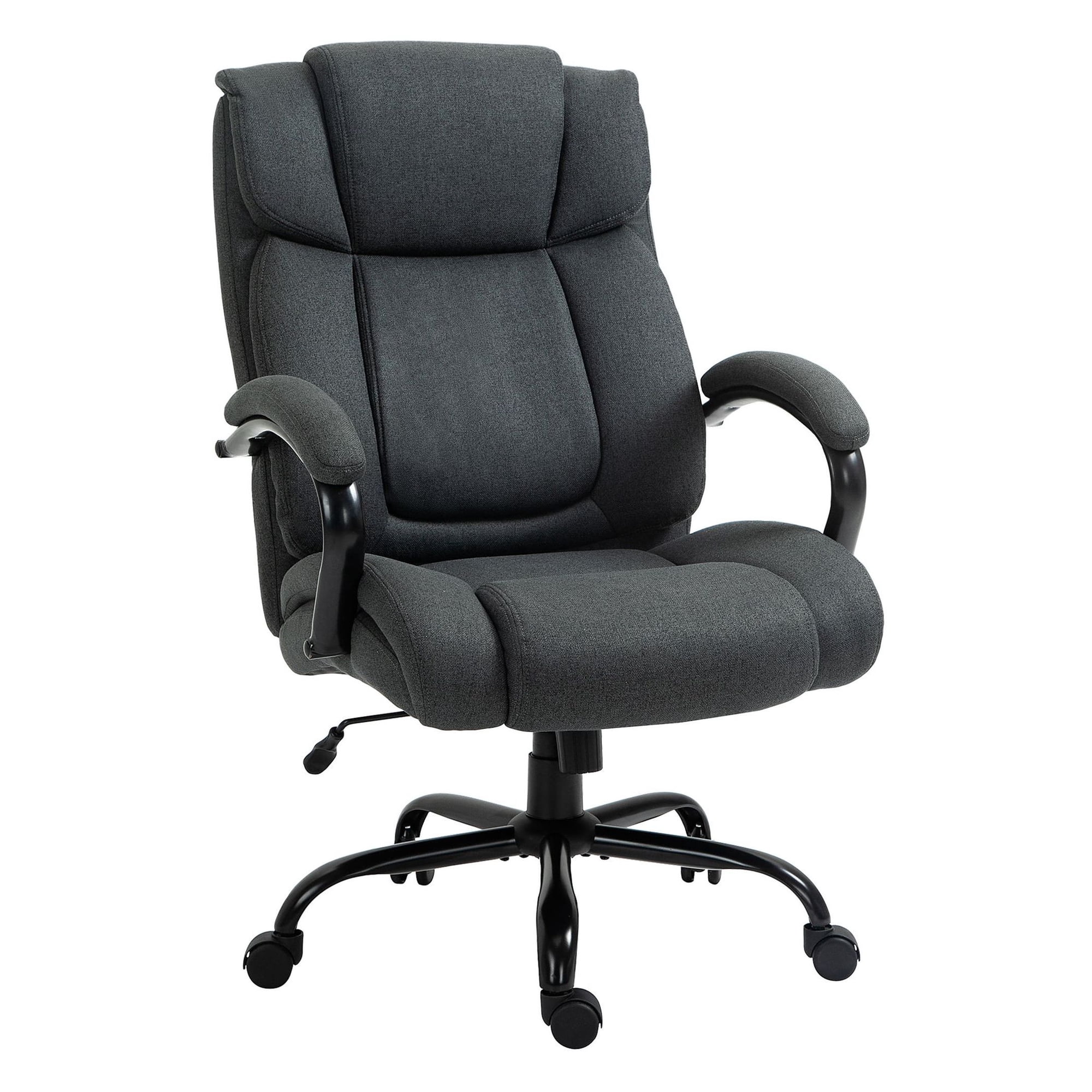
- Fabric: Offers a balance of comfort and breathability. Look for durable, stain-resistant weaves. It's often the choice for a "soft" feel without the temperature issues of leather.
Don't overlook the chair's mechanism. A synchro-tilt or multi-function mechanism allows the seat and backrest to move in a coordinated, ergonomic way. This is vital because as you recline, the seat angle should also change slightly to keep you properly positioned and prevent sliding out of the chair. For a taller person, this prevents the feeling of being "tipped" backward.
Frequently Asked Questions About Tall Seat Height Office Chairs
Your Posture is Worth the Extra Inches
Finding the perfect office chair with a tall seat height is an investment in your most valuable asset: your health. It’s about moving beyond one-size-fits-all solutions and recognizing that your physical stature demands a tailored approach to your workspace. A chair that elevates you correctly does more than just feel good; it actively prevents the cascade of issues that stem from poor posture—from nagging back pain to long-term spinal problems.
Remember, the right chair is a system. The tall seat height must be complemented by adjustable seat depth, a high backrest with moving lumbar support, and versatile armrests. Don't rush the decision. Use the checklist above, consider your specific work habits (especially if you use a standing desk), and prioritize chairs from manufacturers known for their ergonomic expertise and build quality. By doing so, you're not just buying a chair; you're building a foundation for years of focused, pain-free work.