
The Quiet Authority: Why a Leather Office Chair Without Wheels Commands Respect
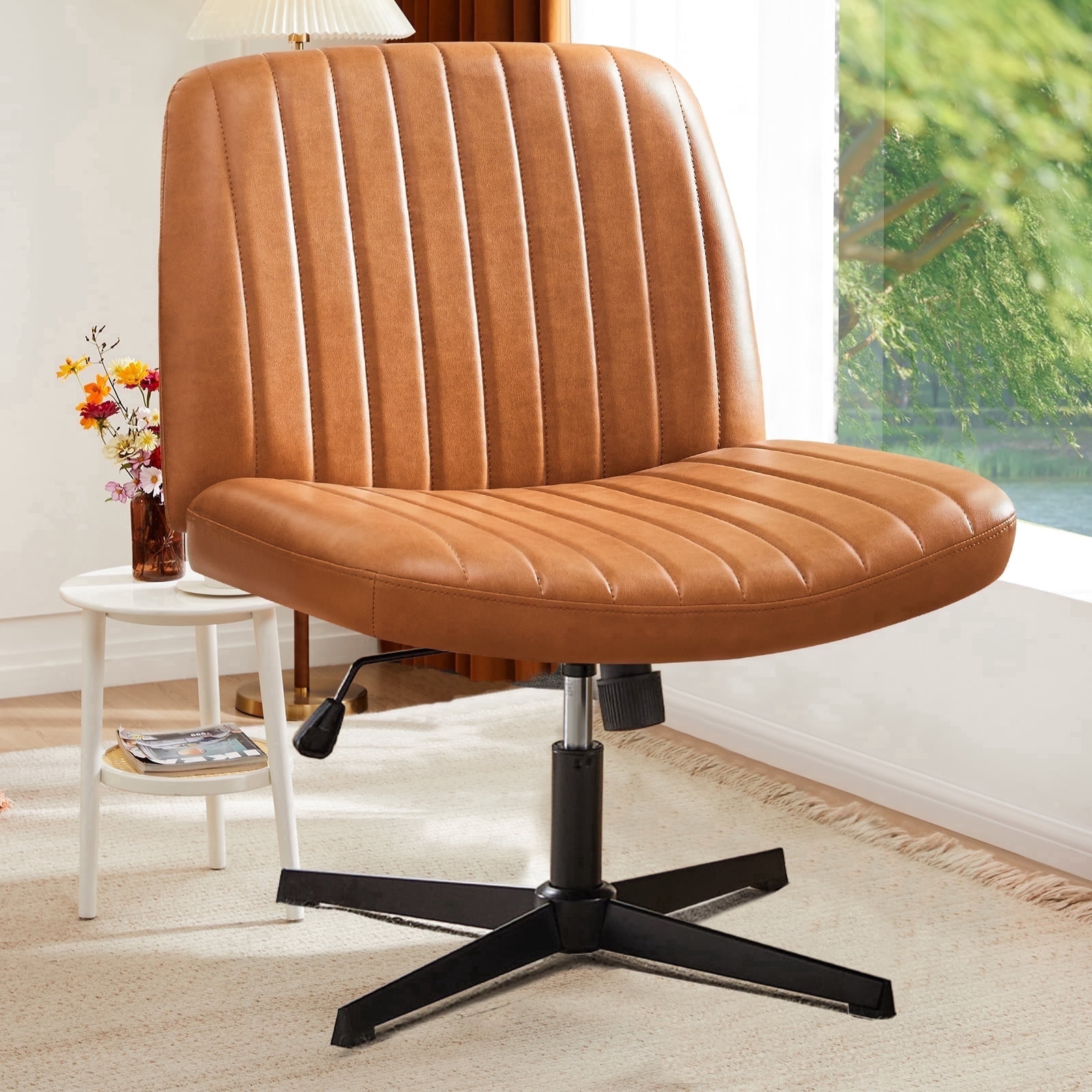
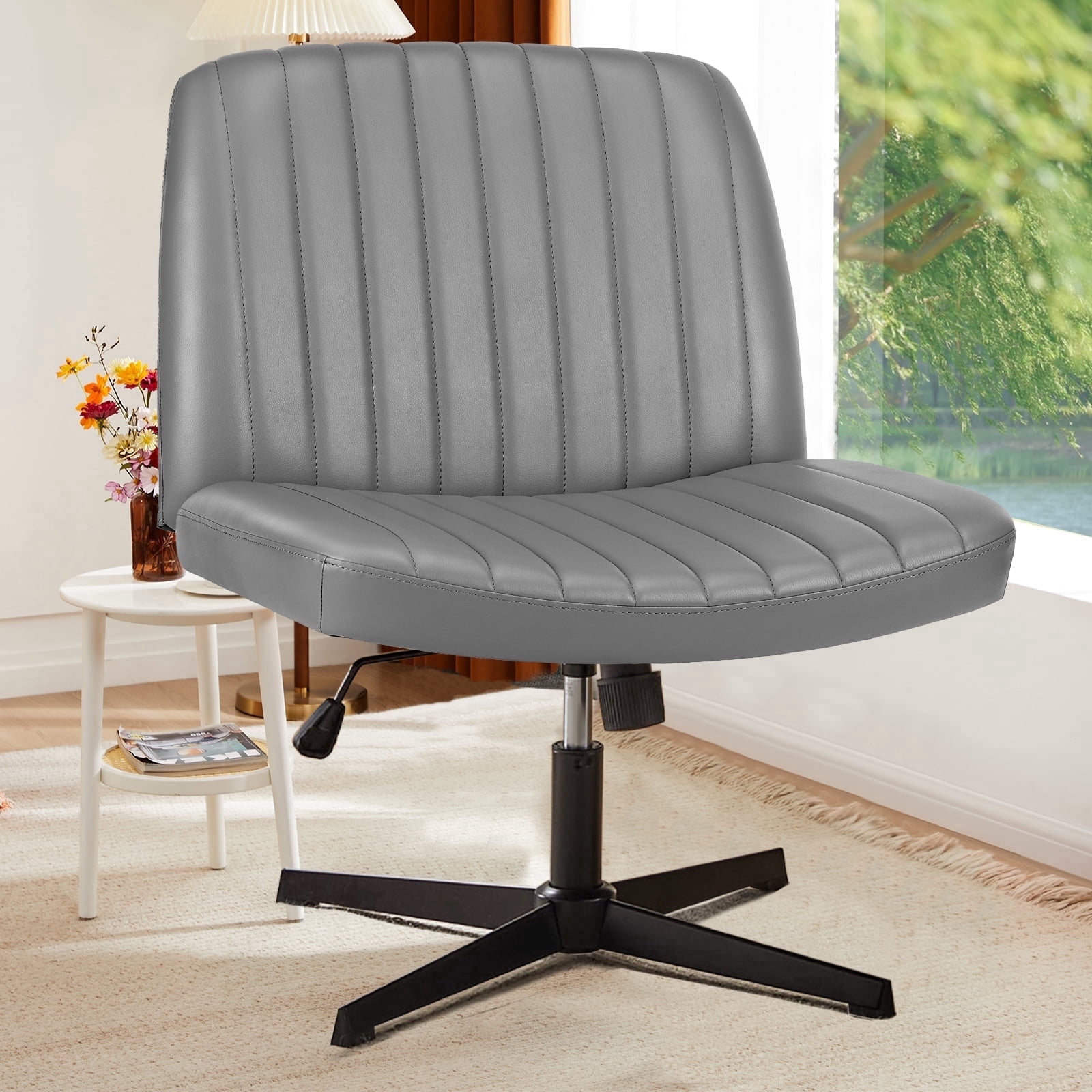
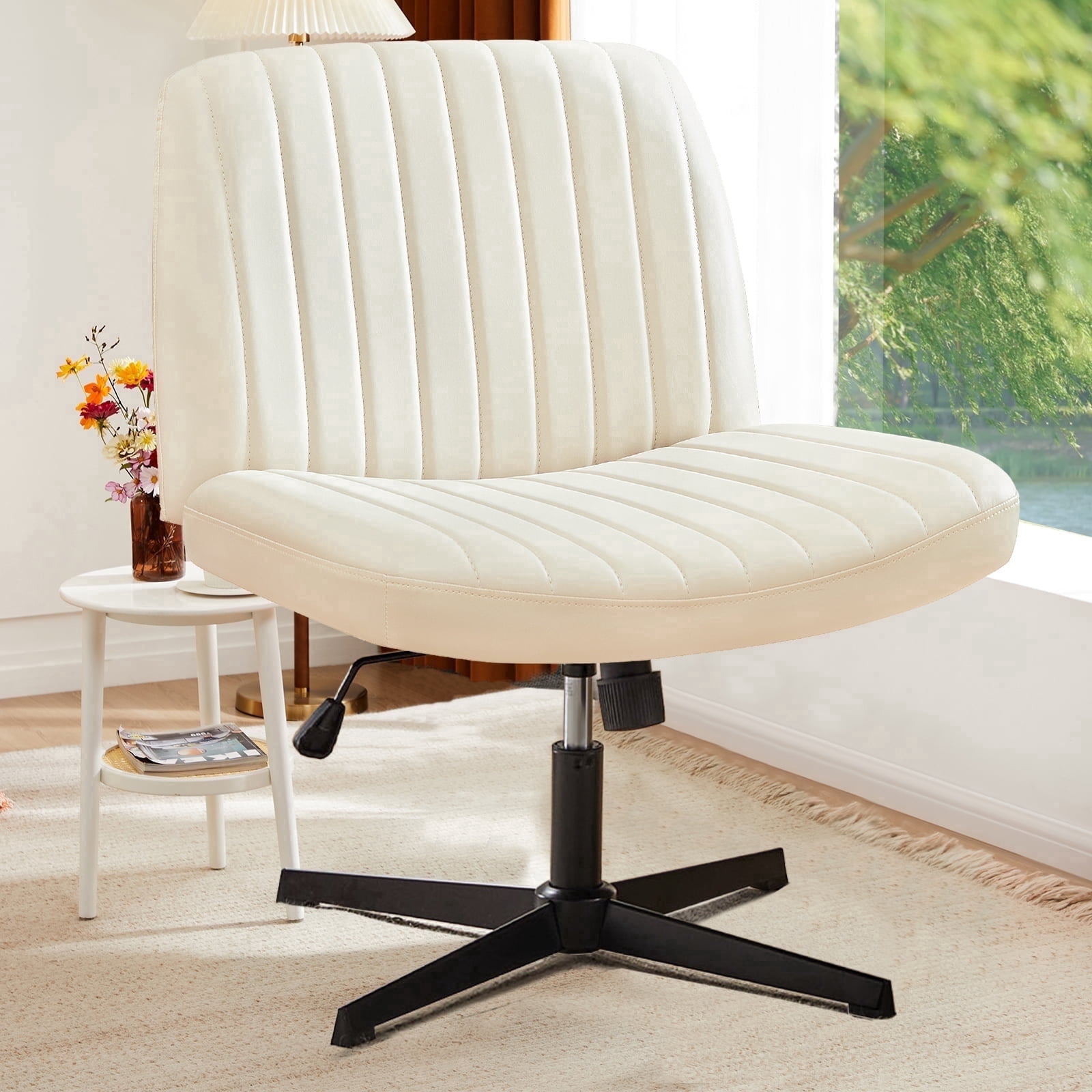
Imagine an executive suite where the only sound is thoughtful conversation — no squeaky casters, no rolling on hardwood. A leather office chair no wheels is like a captain’s chair on a ship: planted, sturdy, and timeless. While wheeled chairs emphasize mobility, stationary leather chairs emphasize stability, craftsmanship, and intentional design. In this guide, we’ll explore why this classic piece deserves a spot in your home office or boardroom, and how to choose one that supports your back as elegantly as it supports your image.
1. The Allure of the Stationary Leather Chair
For many professionals, the absence of wheels is a deliberate choice. It signals “I work from a position of authority — I don’t chase distractions.” But beyond symbolism, there are practical benefits:
- Floor protection: No casters means zero scratches on marble, tile, or polished concrete. Perfect for high-end home offices or studios.
- Solid feel: A weighted base (often with glides) makes the chair feel substantial. You won’t drift away when leaning forward.
- Minimalist maintenance: Fewer moving parts (no caster wheels to collect hair or dust) and easier cleaning underneath.
- Traditional aesthetics: Lawyers, financiers, and designers often prefer the pulled-up-to-desk look — it’s reminiscent of a classic writing chair.
According to a 2023 survey by the American Home Furnishings Alliance, nearly 18% of home office buyers now specifically search for chairs without wheels to match aesthetic or flooring concerns.
2. Key Ergonomic Features in a Fixed-Base Leather Chair
Don’t assume “no wheels” means no ergonomics. High-end stationary chairs integrate the same science as rolling ones — just anchored. Look for:
Essential adjustments
- Pneumatic seat height: Even without wheels, you need to match desk level. Standard range 17”–21”.
- Seat depth slider: Supports thighs without pressure behind knees.
- Lumbar support: Ideally adjustable in height and tension.
- Tilt mechanism: Some fixed-base chairs offer rocking or forward tilt for dynamic sitting.
Base types
- Five-star with glides: Most common; stable and swivels, but won’t roll.
- Sled base: A single curved metal piece — modern and sturdy.
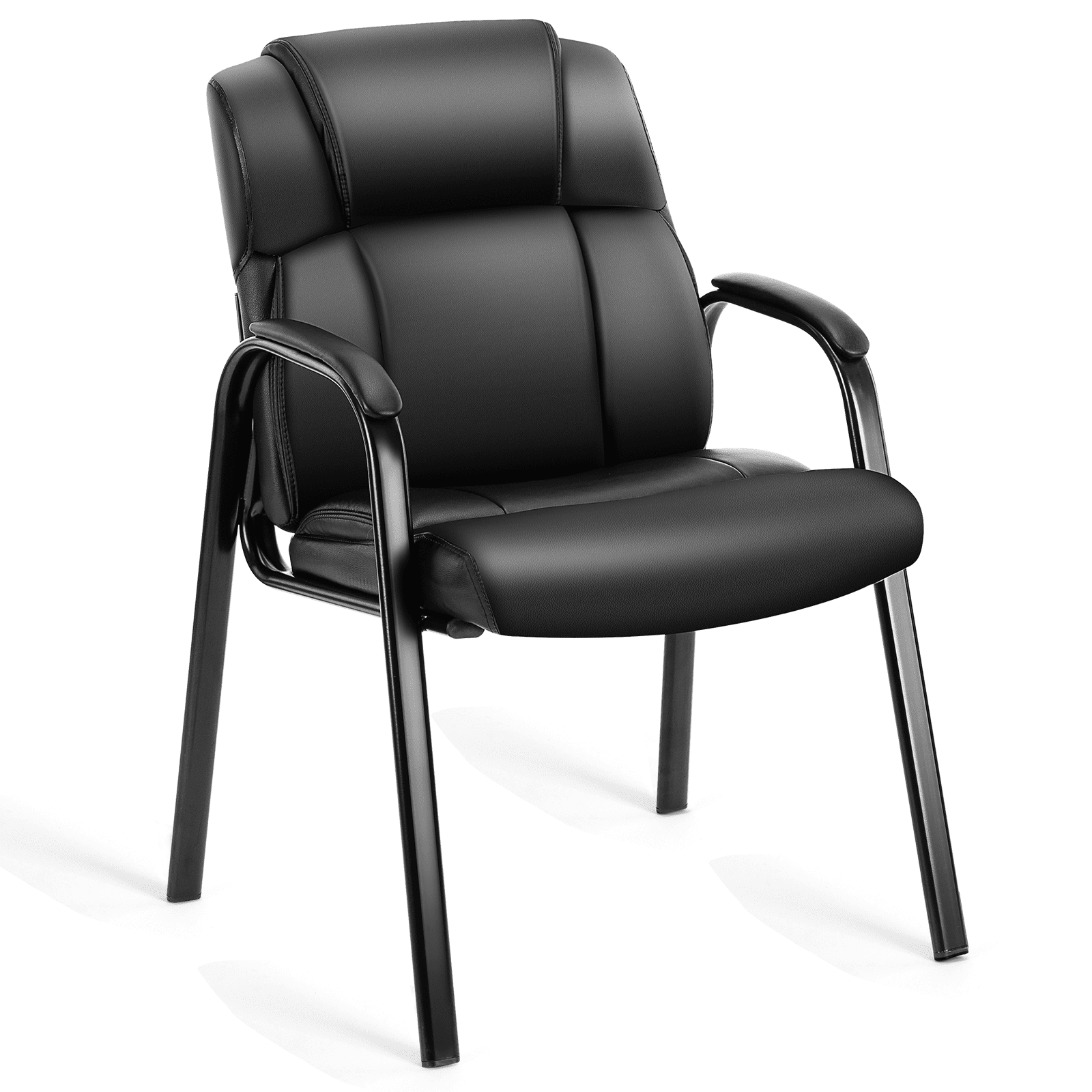
- Four-leg upright: Classic wooden or metal legs; usually lighter, may not swivel.
- Pedestal with floor protector: Heavy cast iron or steel base with felt pads.
3. Leather Types and Durability (No-Wheel Edition)
Without casters, the chair endures less shock, but leather quality still matters for longevity and appearance. Here’s a quick breakdown tailored to stationary chairs:
| Leather Grade | Feel & Durability | Best For |
|---|---|---|
| Full-grain | Develops patina, lasts 20+ years | Executive suites, heritage look |
| Top-grain | Smooth, durable, slightly corrected | Daily high-use home offices |
| Bonded / Faux | Affordable, less breathable | Guest chairs, low-use areas |
Pro tip: Since the chair doesn’t roll, you might shift your weight more — ensure the leather has a slight texture (not slippery) to keep you comfortably seated.
4. Who Benefits Most From a Wheel-less Leather Chair?
This isn’t a one-size-fits-all product. It shines in specific scenarios:
- Hardwood / luxury flooring homes: No wheels = no scratches. Felt glides are standard, but double-check.
- Reception areas: Visitors won’t roll away; chairs stay neatly aligned.
- Writers and thinkers: Some people prefer a stable chair that doesn’t encourage fidgeting.
- Small spaces: Without casters, you can push the chair flush against a console when not in use.
- Yoga/meditation rooms doubling as office: A stationary chair can be moved aside easily and won’t roll during practice.
5. Comparison: Rolling vs. Non-Rolling Leather Chairs
| Feature | With Wheels | No Wheels (Stationary/Glides) |
|---|---|---|
| Floor protection | Risk of marks; special wheels needed | Excellent (glides are non-marking) |
| Mobility | Easy to move between desks | Lift to reposition; stays put |
| Stability | Can shift during use | Rock-solid, no drift |
| Price range | $200–$2,000+ | $150–$1,800 (often lower due to simpler base) |
| Aesthetic | Modern/utilitarian | Classic/executive/furniture-like |
6. How to Choose the Right Stationary Leather Chair
Follow this step-by-step guide to ensure you invest wisely:
Step 1: Measure your floor space
Without wheels, you won’t push back as easily. Ensure at least 30” of clearance from desk to wall.
Step 2: Test glide material
Felt glides for hardwood, nylon for carpet. Some chairs have interchangeable glides.
Step 3: Check swivel & tilt range
Even without wheels, you likely want 360° swivel and some recline. Test lockable positions.
Step 4: Verify weight capacity
Stationary chairs often have robust frames. Look for 300 lb+ capacity for longevity.
Step 5: Match leather to usage
If you eat at your desk, choose a protected leather (pigmented) that resists stains.
Frequently Asked Questions: Leather Office Chairs Without Wheels
Conclusion: The Timeless Appeal of a Stationary Leather Chair
A leather office chair without wheels is not a compromise — it’s a conscious choice for elegance, floor safety, and focused work. Whether you’re outfitting a law office, a home library, or a design studio, the right model offers lumbar support, premium leather, and a commanding presence. Remember to prioritize adjustability and glide material, and don’t shy away from trying a chair that refuses to roll away when you’re deep in thought. It might just become your favorite seat in the house.