
The Ultimate Guide to Reclining Office Chairs with Footrest
Imagine this: after three hours of intense spreadsheet analysis, you lean back, extend the built-in footrest, and let your spine decompress for 15 minutes—without leaving your chair. That’s the power of a reclining office chair with footrest. It’s like having a first-class seat in your home office. According to ergonomic studies, workers who change posture every 30–40 minutes reduce spinal disc pressure by up to 35%. A recliner with footrest encourages those micro-breaks naturally.
Ergonomics meets luxury: A 2023 survey by the American Posture Institute found that 68% of remote workers who switched to a reclining chair with footrest reported less lower back fatigue and better afternoon focus. The footrest isn’t just a gimmick—it improves venous return, reducing leg swelling during long workdays.
How a Reclining Mechanism + Footrest Changes Your Workday
Unlike standard office chairs that lock you in a 90-degree angle, a reclining chair with footrest offers three distinct zones of use:
- Active work mode (90°–100°): Upright position with footrest tucked. Ideal for typing, video calls, and tasks requiring alertness.
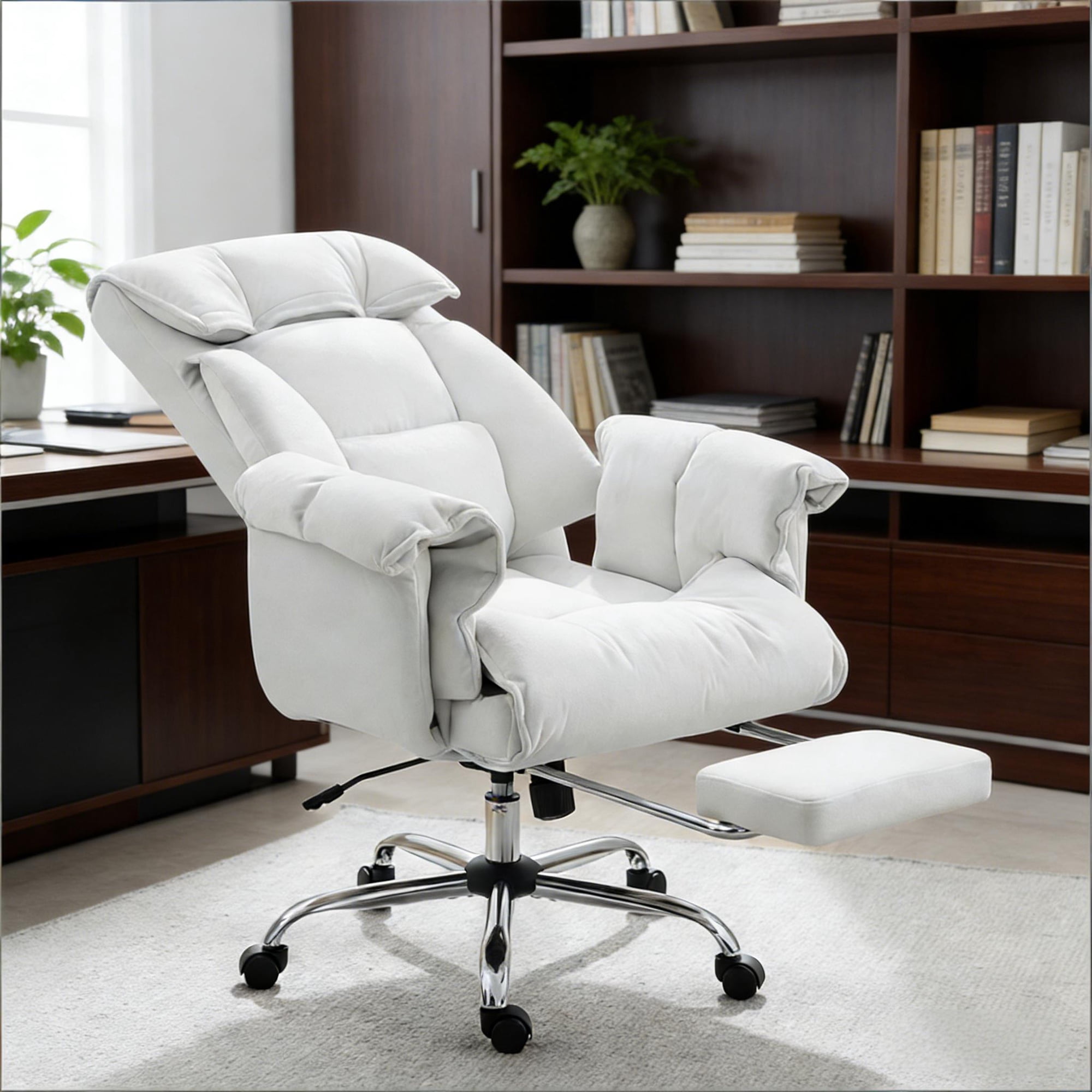
- Micro-break mode (110°–135°): Slight recline, footrest extended. Perfect for reading, thinking, or casual phone conversations. Keeps you engaged but relaxed.
- Rest mode (135°–150°+): Deep recline, legs fully supported. Use for power naps, meditation, or listening to music. Some chairs even lock at any angle.
This range of motion mimics the natural variety our bodies crave. Just as standing desks combat "sitting disease," recliners with footrests fight "static posture fatigue."
4 Critical Components of a High-Quality Reclining Footrest Chair
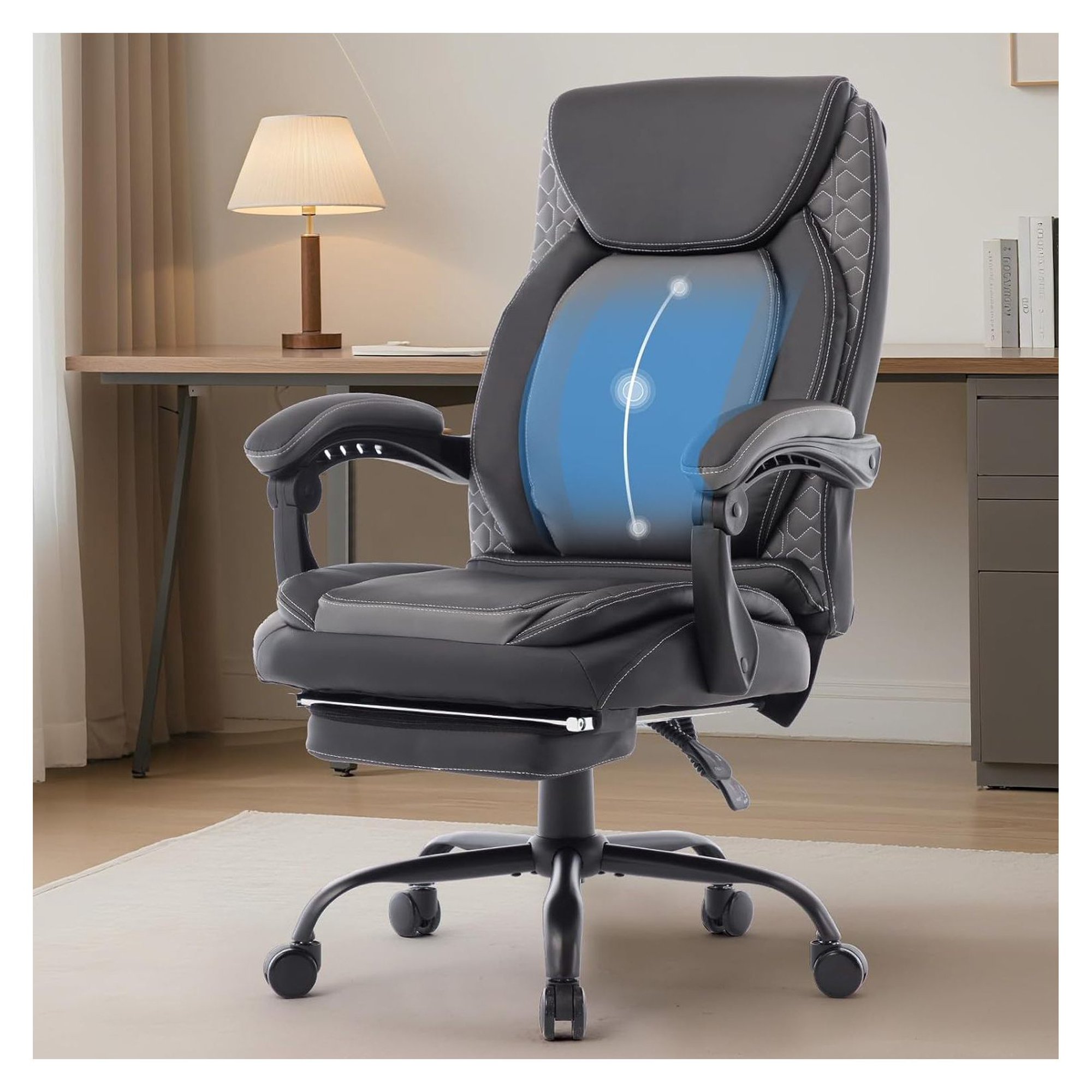
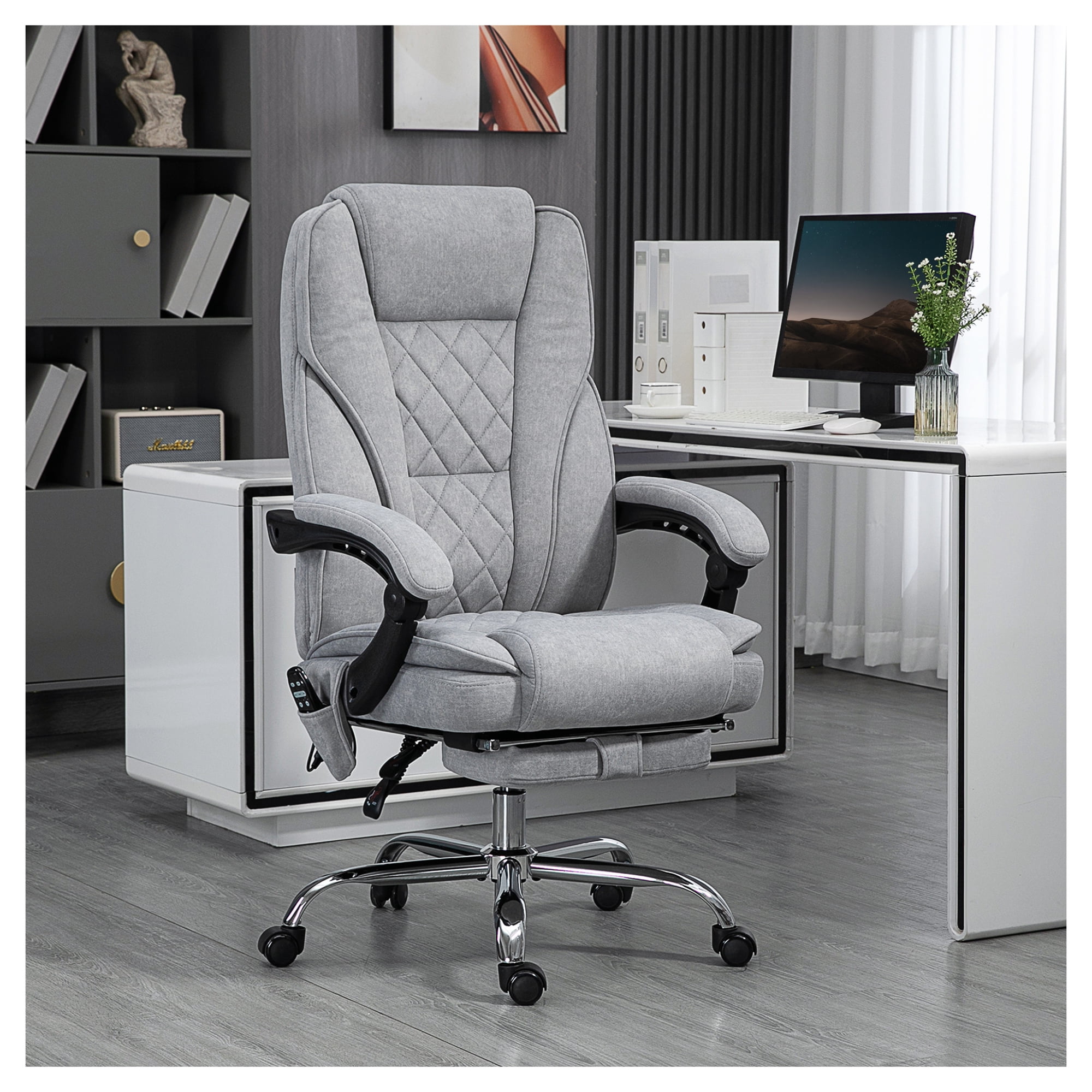
- The Footrest Mechanism: Look for a spring-loaded or manual pull-out footrest that glides smoothly. Cheaper models use thin fabric that sags; premium ones have a padded cushion with a steel frame. The footrest should lock firmly when extended and retract without pinching.
- Recline Actuator & Lock: The best chairs use a tilt tension knob combined with a multi-position lock. This lets you rock gently or lock at any angle. Avoid chairs that only have "full recline" or "upright"—you want infinite adjustments.
- Base & Gas Lift: A five-star aluminum or reinforced nylon base ensures stability when reclined. Class 3 or 4 gas lift is mandatory for tall users. Dual-wheel casters (hardwood/carpet-friendly) make moving effortless even when reclined.
- Upholstery & Padding: High-density foam (at least 2.5” thick in seat) prevents bottoming out. For leather, choose breathable top-grain or high-quality PU that doesn’t crack. Mesh is excellent for airflow, but ensure it’s tightly woven to support long-term use.
Reclining Office Chair with Footrest vs. Ottoman + Regular Chair
You might wonder: why not just buy a regular chair and a separate ottoman? Consider these points:
- Space efficiency: A built-in footrest folds away, while an ottoman is always on the floor—taking space and becoming a tripping hazard.
- Coordinated recline: Integrated chairs allow you to recline and extend the footrest simultaneously, maintaining ergonomic alignment (thighs slightly above knees). With an ottoman, you often slouch to reach it.
- One-move convenience: No need to drag an ottoman around. You stay in your chair’s optimal support zone.
That said, if you already own a high-end ergonomic chair, a separate footrest (like a memory foam cushion) can be a budget alternative. But for seamless experience, an integrated chair wins.
Health Benefits: More Than Just Comfort
Using a footrest while reclining isn't just about feeling good—it has physiological effects:
✅ Reduces Spinal Load
At 135°, intradiscal pressure drops by nearly 50% compared to sitting upright. This gives your vertebrae a break.
✅ Improves Circulation
Elevating legs helps blood return to the heart, reducing risk of deep vein thrombosis (DVT) during long sitting sessions.
✅ Enhances Mental Recovery
Short power naps (10-15 minutes) in a reclined position boost alertness and cognitive function. NASA studies show naps improve performance by 34%.
✅ Relieves Hip Flexor Tension
Prolonged sitting tightens hip flexors. Reclining opens the hip angle, stretching these muscles gently.
Material & Build: Choosing What Lasts
Let’s compare common upholstery types for reclining chairs with footrests:
| Material | Breathability | Durability | Ease of Cleaning | Best For |
|---|---|---|---|---|
| Top-Grain Leather | Medium | Excellent (10-15 yrs) | Easy (wipe) | Executive offices, luxury feel |
| PU Leather / Faux | Low | Fair (3-6 yrs) | Easy | Budget-conscious, low wear |
| Mesh (high-tension) | Excellent | Good (5-8 yrs) | Moderate (vacuum) | Hot climates, all-day users |
| Fabric (polyester/wool) | Good | Good (5-10 yrs) | Difficult (stains) | Home offices, comfort seekers |
| Breathable Bonded Leather | Medium-High | Good (7-10 yrs) | Easy | Balanced choice, modern look |
Who Needs a Reclining Chair with Footrest Most?
- Remote workers who spend 8+ hours at a desk and need micro-breaks without moving to another room.
- Gamers (yes, many gaming chairs offer footrests) for long sessions.
- People with back issues (sciatica, herniated discs) who need to offload spine pressure periodically.
- Managers/Executives who do a lot of reading/thinking and value comfort.
- Tall individuals who need extended leg support.
Adjustability: The "Must-Haves" vs "Nice-to-Haves"
When comparing models, use this checklist:
- ✔️ Seat height adjustment (at least 4" range) to align with your desk.
- ✔️ Recline tension control to adjust rocking resistance.
- ✔️ Footrest extension length – make sure it supports your calves, not just ankles.
- ✔️ Lumbar support (preferably adjustable depth).
- ✔️ 2D or 4D armrests – height, width, angle adjustments.
- ⭐ Headrest – important if you recline fully; otherwise optional.
Space Planning: Will It Fit Your Office?
A common oversight: reclining requires rear clearance. Measure from your desk edge to the wall: you'll need at least 36–42 inches for a 140° recline. Also ensure the footrest when extended doesn't hit the desk pedestal. Consider a wall-saver mechanism (chair slides forward as it reclines) if space is tight.
Frequently Asked Questions: Reclining Office Chair with Footrest
Conclusion: Recline Into Better Workdays
A reclining office chair with footrest is more than a piece of furniture—it's an investment in your physical well-being and daily comfort. By allowing your body to shift between active and restful postures, you combat fatigue, improve focus, and make your home office a place you actually want to spend time. Whether you're a CEO, a coder, or a creative, the combination of ergonomic recline and supportive footrest can transform your 9-to-5 (or 9-to-9). Choose a chair with solid construction, ample padding, and smooth mechanism, and you'll enjoy it for a decade.
Final tip: Always test the recline and footrest extension if possible. A slight wobble when fully reclined can be annoying—ensure the chair feels planted. And remember to check the warranty: at least 5 years on the frame and mechanism is a sign of confidence.