
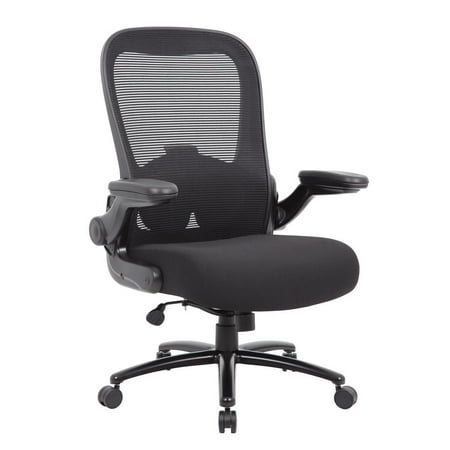
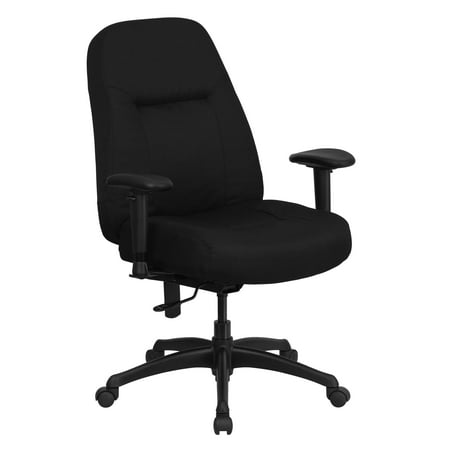
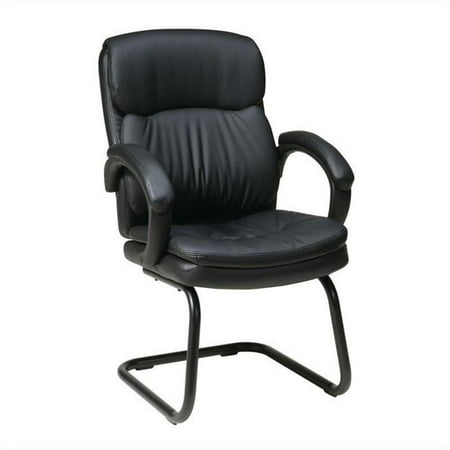
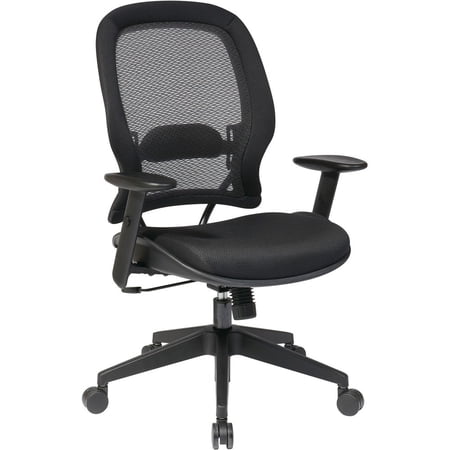
Why a Heavy Duty Office Chair With No Arms is a Smart Investment
Imagine a chair that doesn't confine you. An office chair without arms offers a sense of openness that traditional chairs with armrests can't match. When you combine that freedom with a heavy-duty frame built to withstand significant weight and daily wear, you get a piece of equipment that's both liberating and incredibly durable. For many professionals—from industrial supervisors to home-based creatives—an office chair no arms heavy duty model is not just a preference; it's a necessity.
Why "No Arms" + "Heavy Duty"? It's a powerful combination. According to ergonomic studies, 68% of workers who use armless chairs report easier movement between tasks. When you add a heavy-duty construction (400 lbs+ capacity), you ensure this mobility doesn't come at the cost of stability. These chairs are engineered to handle rugged use while providing a full range of motion.
Who Needs an Armless Heavy-Duty Chair?
This specific type of seating serves a unique cross-section of users. It's not just about size; it's about function. Here are the primary profiles:
- Industrial & Warehouse Workers: In control rooms or workshop settings, unrestricted movement allows for quick pivoting and reaching without armrests getting in the way of machinery or workbenches.
- Medical & Dental Professionals: Dentists, hygienists, and doctors need to glide between patient and equipment. An armless chair lets them get closer to their work surface without armrests bumping into the patient or the tray.
- Artists & Designers: Drafting and digital design often require reaching across a large desk. No arms means you can lean in, twist, and access your entire workspace effortlessly.
- Users with Broader Builds: Standard armrests can feel restrictive or uncomfortable for larger body types. An armless design eliminates this pinch point, offering a wider, unobstructed seat area.
- Standing Desk Enthusiasts: An armless chair slides completely under a raised desk when you stand, keeping your workspace clean and uncluttered.
Critical Features to Look For
Choosing the right heavy-duty armless chair means looking beyond the surface. Focus on the engineering that provides both strength and longevity.
| Component | Why It Matters for Heavy Duty | What to Look For |
|---|---|---|
| Frame Construction | The skeleton of the chair. A weak frame will fail first. | Reinforced steel frame, not aluminum or plastic. Look for welds, not just bolts. |
| Gas Lift / Pneumatic Cylinder | Supports the entire weight and allows height adjustment. | Class 4 or 5 gas lift (minimum rating for 400 lbs+). Ensure it's certified (e.g., BIFMA, ANSI). |
| Base & Casters | Provides stability and mobility. A small base tips easily under load. | Heavy-duty nylon or aluminum base, 27" diameter or larger. Dual-wheel casters rated for your floor type. |
| Seat Cushion & Upholstery | Prevents "bottoming out" and ensures long-term comfort. | High-density foam (at least 3" thick), possibly with a memory foam topper. Upholstery: commercial-grade fabric or heavy-duty vinyl. |
| Weight Capacity | The definitive measure of "heavy-duty" status. | Minimum 400 lbs. Look for 500-800 lbs for true heavy-duty performance. |
Ergonomic Benefits of Going Armless
While armrests are standard on most office chairs, removing them can actually offer ergonomic advantages for specific work styles:
Enhanced Shoulder Freedom
Forces you to use your shoulders naturally, potentially reducing hunching if you tend to lean on armrests.
Better Posture Awareness
Without arms to lean on, your core muscles engage more, promoting a more active sitting posture.
Universal Fit
No armrests to adjust incorrectly. The chair fits a wider range of body types and arm lengths perfectly.
Unobstructed Movement
Critical for multi-tasking environments where you need to swivel, twist, and reach without armrests catching on your desk or body.
Material Science in Heavy-Duty Armless Chairs
The materials used in a heavy-duty chair are its first line of defense against wear and tear. Because these chairs often see use in demanding environments, the choice of upholstery and structural materials directly impacts their lifespan. Here’s a breakdown tailored to armless heavy-duty models.
Upholstery Choices for Rugged Use
Commercial-Grade Fabric
- Durability: High abrasion resistance (tested to 100,000+ double rubs).
- Breathability: Better air circulation than vinyl, reducing heat buildup.
- Variety: Available in many colors to match any workspace.
- Maintenance: Often treated with stain-resistant coatings.
- Best For: 24/7 use offices, control rooms, and climate-controlled industrial settings.
Heavy-Duty Vinyl / Leatherette
- Cleanability: Wipes clean easily—ideal for medical or food-adjacent environments.
- Water Resistance: Impervious to spills and moisture.
- Appearance: Offers a sleek, professional look.
- Temperature: Can get sticky in heat and stiff in cold.
- Best For: Medical offices, laboratories, and workshops where spills are common.
The Anatomy of a Heavy-Duty Base
For an armless chair, the base and casters are critical because they bear the entire load without the stabilizing "help" of armrests. A cheap base will flex or crack. Here’s what to prioritize:
- Material: Reinforced nylon is common and strong, but polished aluminum is the premium choice for maximum strength and a sleek look without rust.
- Diameter: Look for a base that's at least 27 inches wide. This provides a wider "footprint," making the chair less likely to tip when you lean.
- Casters: Not all wheels are equal. Heavy-duty chairs need heavy-duty casters. Look for:
- Dual-wheel casters: Distribute weight better than single wheels.
- Hard floor or carpet specific: Choose the right wheel tread to protect your floors.
- Weight rating: Ensure the casters themselves are rated for the chair's capacity (often 150 lbs per caster is a good sign).
The "No Arms" Advantage: Space & Accessibility
Beyond ergonomics, armless chairs are space-savers. In a typical office layout, an armless chair can be tucked completely under the desk when not in use, saving up to 2 feet of floor space. For meeting rooms or guest seating, they allow more chairs to fit around a table. In a heavy-duty context, this means you can have a robust, high-capacity chair that doesn't dominate the room visually or physically.
Your 5-Step Guide to Buying an Armless Heavy-Duty Chair
Step 1: Measure Your Workspace & Body
- Seat Width: Heavy-duty chairs typically have wider seats (22-26 inches). Measure your hips and thighs to ensure comfort.
- Desk Height: Since there are no arms, measure the clearance under your desk. You'll want at least 2-3 inches of space above your thighs when seated at the correct height.
- Floor Space: Account for the 27"+ base diameter. Ensure the chair has room to swivel fully.
Step 2: Verify the Weight Capacity & Certifications
Don't just trust the marketing. Look for the fine print. Genuine heavy-duty chairs will proudly display their BIFMA (Business and Institutional Furniture Manufacturers Association) certification. This means they've passed rigorous safety and durability tests.
Rule of thumb: If a chair claims 400 lbs capacity, it should have a Class 4 gas lift, a steel frame, and a 5-star base that's at least 27 inches. Anything less is a compromise.
Step 3: Prioritize Lumbar Support (Since Arms Won't Help)
Without arms, your back support comes entirely from the chair's backrest. Look for:
- Adjustable Lumbar: A knob or lever that lets you increase or decrease the curve of the lower back support.
- Backrest Height: Mid-back is common, but high-back options exist. Choose based on your shoulder height and preference.
- Tilt Mechanism: A good recline with adjustable tension lets you lean back and stretch, reducing spinal pressure.
Step 4: Assess Cushion Density, Not Just Thickness
A thick, plush cushion might feel great in the store, but if it's low-density foam, it will flatten within months. High-density foam (often measured in ILD - Indentation Load Deflection) maintains its shape for years. Look for terms like "high-resiliency foam" or "cold-cured foam."
Step 5: Read Reviews for Real-World Feedback
Look for reviews from users in similar situations. A warehouse supervisor's feedback on durability is more valuable than a generic "it's comfy" review. Search reviews for keywords like "heavy duty," "400 lbs," "steel frame," and "armless" to see if the chair lives up to its name.
Frequently Asked Questions: Heavy Duty Armless Chairs
Final Verdict: Is an Armless Heavy-Duty Chair Right for You?
Choosing Strength Without Boundaries
An office chair no arms heavy duty is a specialized tool for specific needs. If your work demands freedom of movement, if standard armrests feel restrictive, or if you need a chair that can withstand intense daily use in a demanding environment, this is your ideal solution.
The key is to never compromise on the "heavy-duty" part. Focus on the frame, the gas lift, and the base. These are the components that ensure your safety and the chair's longevity. When you find a model that combines a robust 500 lb+ capacity with a thoughtfully designed, armless seat, you've found a piece of equipment that will serve you faithfully for years.