
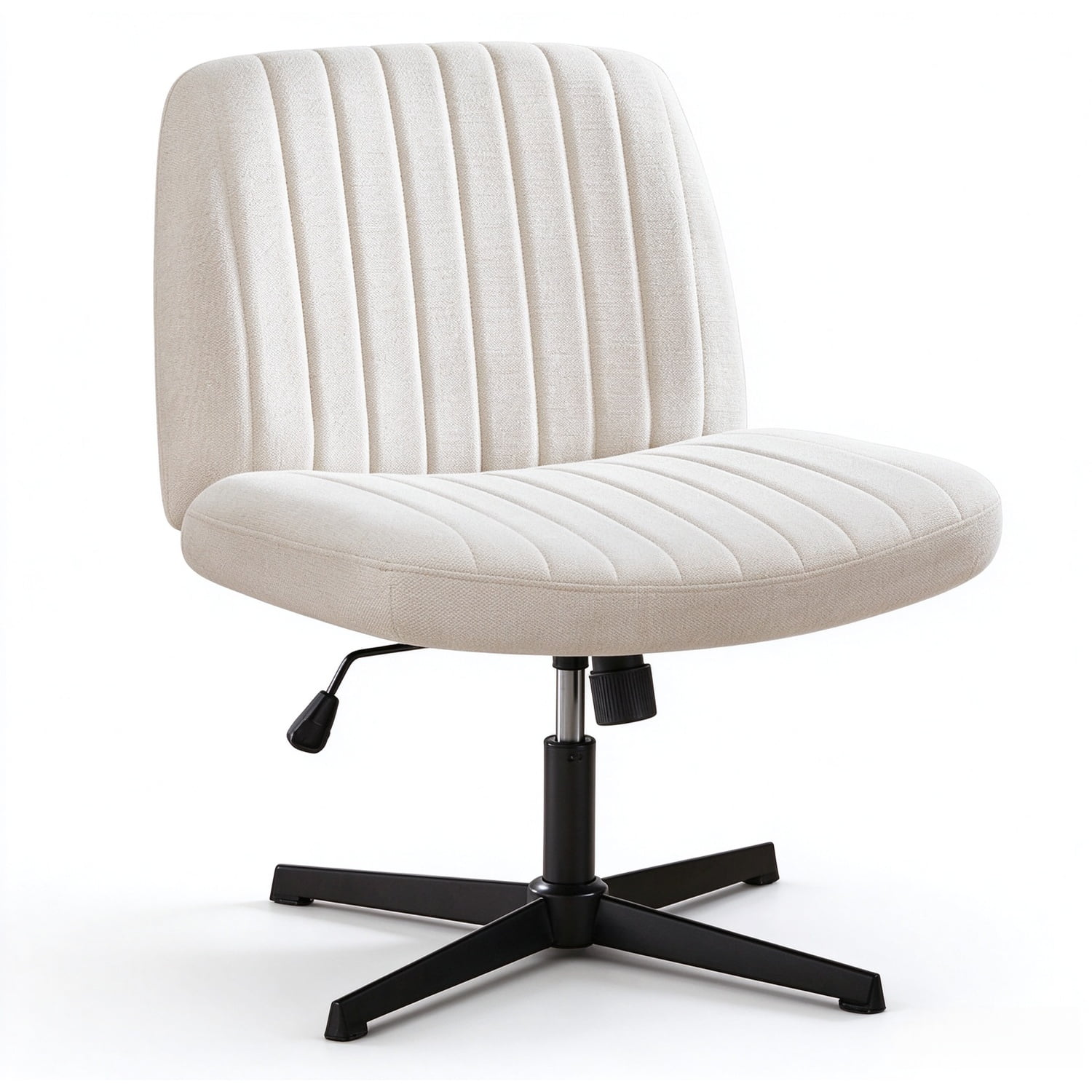
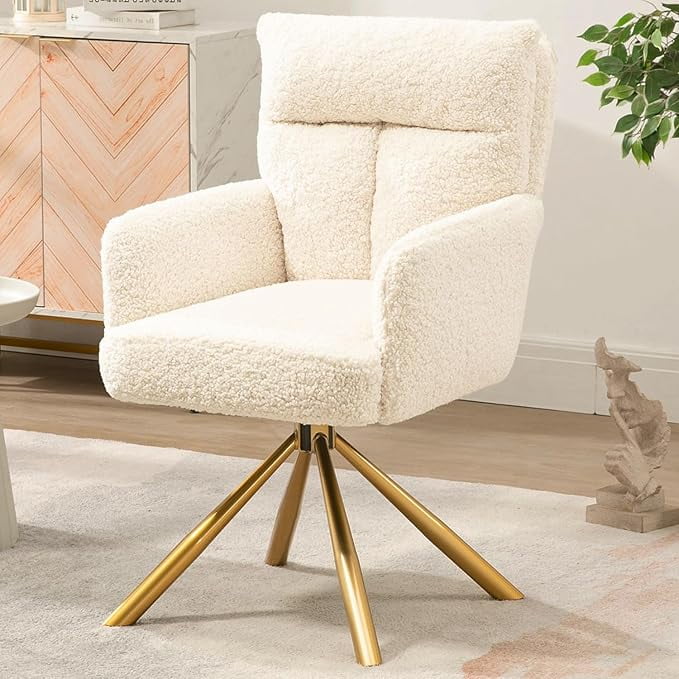
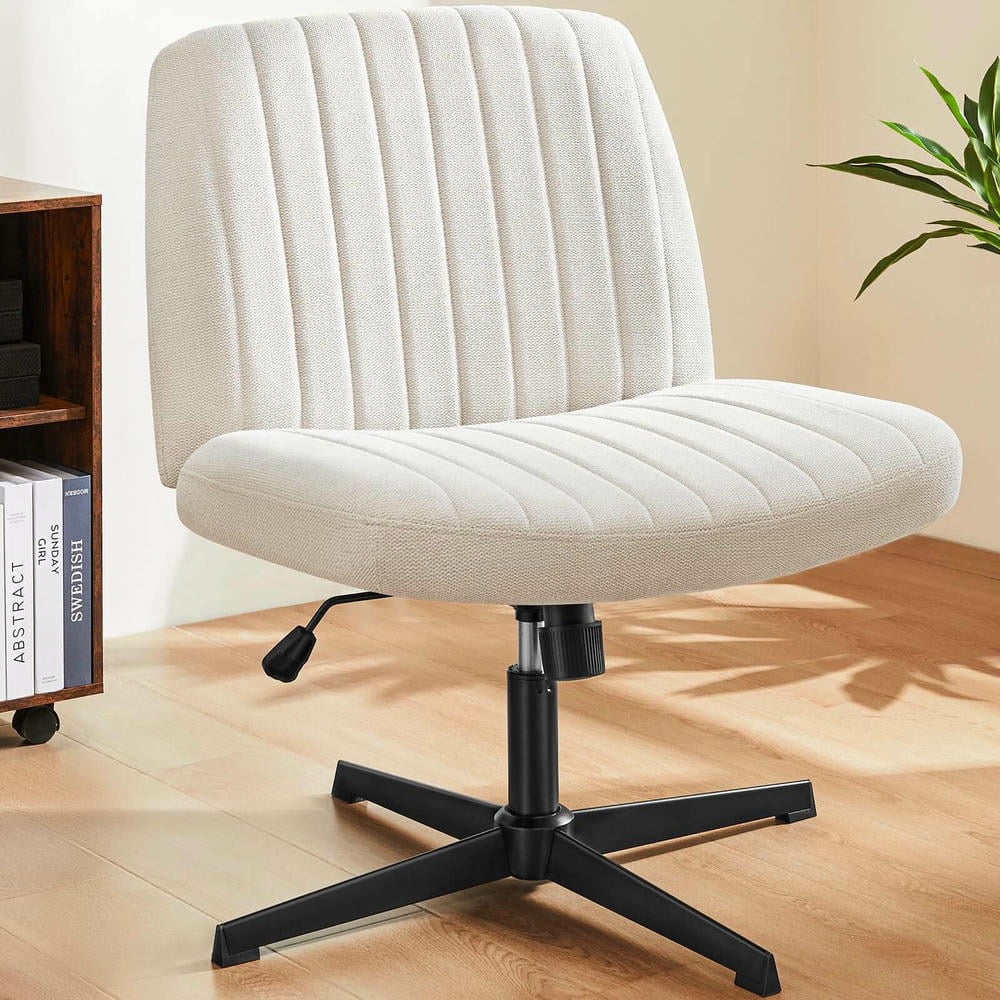
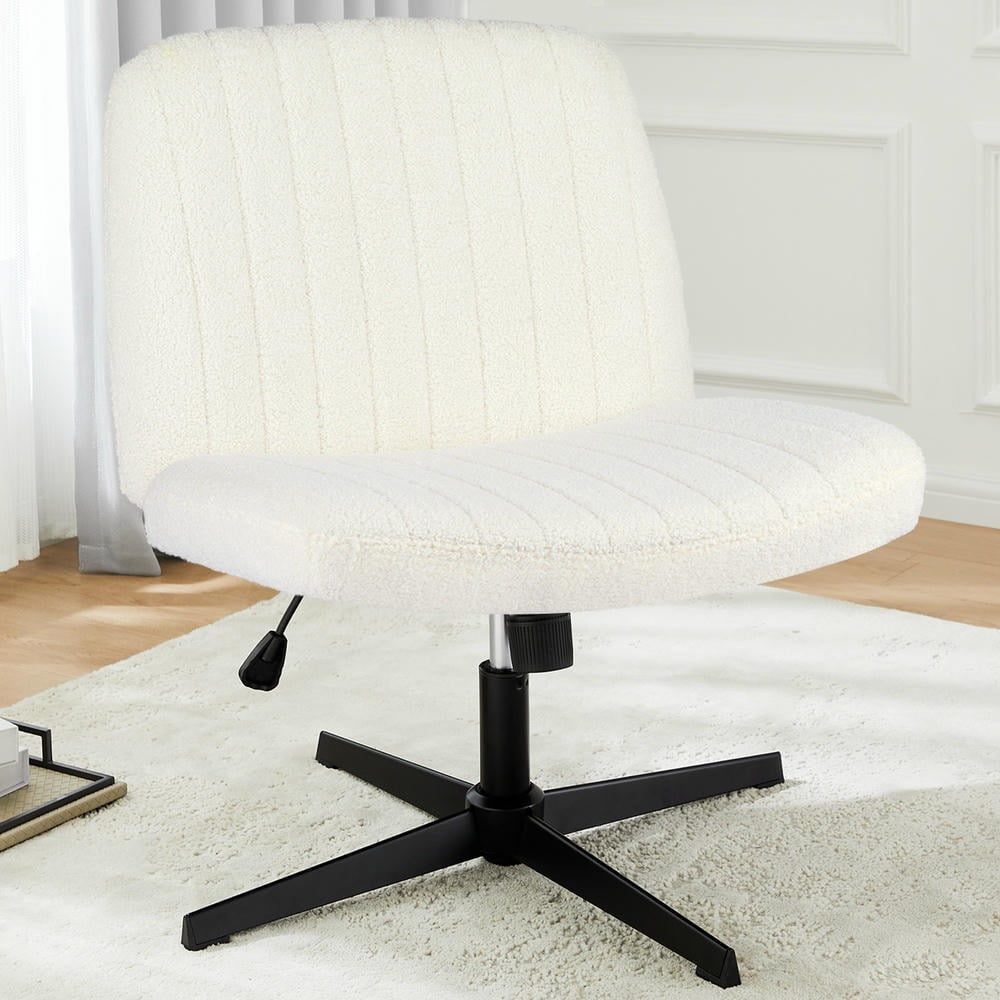
The Complete Guide to Swivel Office Chairs Without Wheels
Imagine the freedom to turn and chat with a colleague, reach a filing cabinet, or face your monitor setup—without accidentally rolling away from your desk. That is the simple genius of a swivel office chair no wheels. While rolling chairs dominate the market, stationary swivel chairs offer a blend of stability and mobility that many professionals, home workers, and designers prefer.
Whether you're protecting a delicate hardwood floor, anchoring yourself for intense focus, or furnishing a compact workspace, a fixed-base swivel chair can be the ergonomic hero you didn't know you needed. Let's explore why ditching the wheels might be your smartest office upgrade this year.
Did you know? According to a 2023 survey by the Home Office Ergonomics Institute, 34% of remote workers reported that rolling chairs caused them to shift position unconsciously, leading to poor posture. A stationary base encourages intentional repositioning and can improve core engagement by up to 18%.
Top 5 Situations Where a No-Wheel Chair Wins
- Hardwood, tile, or laminate floors: Wheels can scratch or dent delicate surfaces. Glides or fixed bases are scratch-proof.
- Low-pile or thin carpets: Standard casters often fail to roll smoothly on low carpet—they snag or tilt. Stationary feet provide a stable platform.
- Small home office nooks: Without wheels, you don't need extra floor clearance behind the chair. Push it in and you're done.
- Standing desk transitions: A chair that doesn't roll away when you stand up is simpler to manage.
- Yoga-ball or active sitting alternatives: Some users prefer a stable swivel to pair with a footrest or balance board.
Key Ergonomics: It's Not Just About the Base
Removing wheels doesn't mean removing ergonomics. A high-quality swivel office chair no wheels should still offer these critical adjustments:
| Ergonomic Feature | Why It Matters (No wheels version) |
|---|---|
| Seat Height Adjustment | Even without rolling, you need to align your thighs parallel to the floor. Pneumatic lift is essential. |
| Lumbar Support | Static chairs encourage static postures. Good lumbar keeps your spine curved naturally during long tasks. |
| Swivel Function | 360° rotation lets you access different zones without straining your torso—crucial for multi-monitor setups. |
| Glides vs. Fixed feet | Some stationary chairs have felt glides (easy to slide if you push hard) or rubber feet (no slide). Choose based on your floor. |
Material & Upholstery: What Works Best?
Because the chair stays put, you might interact with it differently—perhaps leaning more or sitting for longer stretches. Material choice becomes even more important for comfort and durability.
Leather / Faux Leather
- Pros: Easy to wipe clean, professional look, durable with care.
- Cons: Can get sticky in hot weather; may crack if not conditioned.
- Best for: Executive home offices, client-facing rooms.
Fabric / Mesh
- Pros: Breathable (mesh), soft (fabric), variety of colors.
- Cons: Can absorb spills, harder to deep-clean.
- Best for: Long-hour comfort, casual or creative spaces.
For a stationary chair, mesh backs are popular because you don't roll, so airflow helps regulate temperature. Faux leather gives a sleek look but consider a perforated version if you're in a warm climate.
Comparing Base Types: Glides, sleds, and fixed pedestals
- Glides (felt or plastic): Allow slight repositioning if you push—good for small adjustments without lifting.
- Rubber / non-slip feet: Absolutely no sliding; chair stays planted. Ideal for yoga or active sitting.
- Sled base: A single loop of metal (like a rocking chair base) —very stable, often with a slight flex.
- Four-leg stationary: Less common but exists; no swivel, just static. Not our focus here (we need swivel).
4-Step Selection Guide: Finding Your Perfect Stationary Swivel Chair
Step 1: Measure Your Floor and Workspace
- • For hardwood: choose felt glides or rubber feet to avoid scratches.
- • For carpet: plastic glides or wide feet prevent sinking.
- • Clearance: measure desk height and ensure the chair's armrests (if any) slide under comfortably.
Step 2: Match Your Body Type
- • Seat width: look for at least 20" if you're broad-shouldered.
- • Weight capacity: aim for 275 lb minimum; heavy-duty models go to 400 lb.
- • Seat depth: adjustable depth helps if you're tall or short.
Step 3: Prioritize the Right Adjustability
- • Minimum: height adjustment, tilt tension, swivel.
- • Bonus: 3D armrests (height, width, angle), seat slide, headrest.
- • Since you don't roll, armrest adjustability becomes more important for varying tasks.
Step 4: Read the Room — Aesthetics & Flow
- • A stationary chair defines a zone. Choose a color/finish that complements your desk.
- • Consider if you ever need to move the chair to another room—weight matters.
Frequently Asked Questions (FAQ)
Conclusion: Should You Go Wheel-Free?
A swivel office chair no wheels is not a compromise—it's a targeted solution. For dedicated workstations, beautiful floors, or anyone tired of chasing a rolling chair, the stationary swivel offers stability without sacrificing mobility. By focusing on ergonomic adjustability and the right base type, you can create a command post that's both comfortable and perfectly still. Explore the product grid above to find models that match your style and support your workday.
Final thought: The best chair is the one you forget you're sitting in. For many, that means a chair that stays put, swivels freely, and supports their back—no wheels required.