
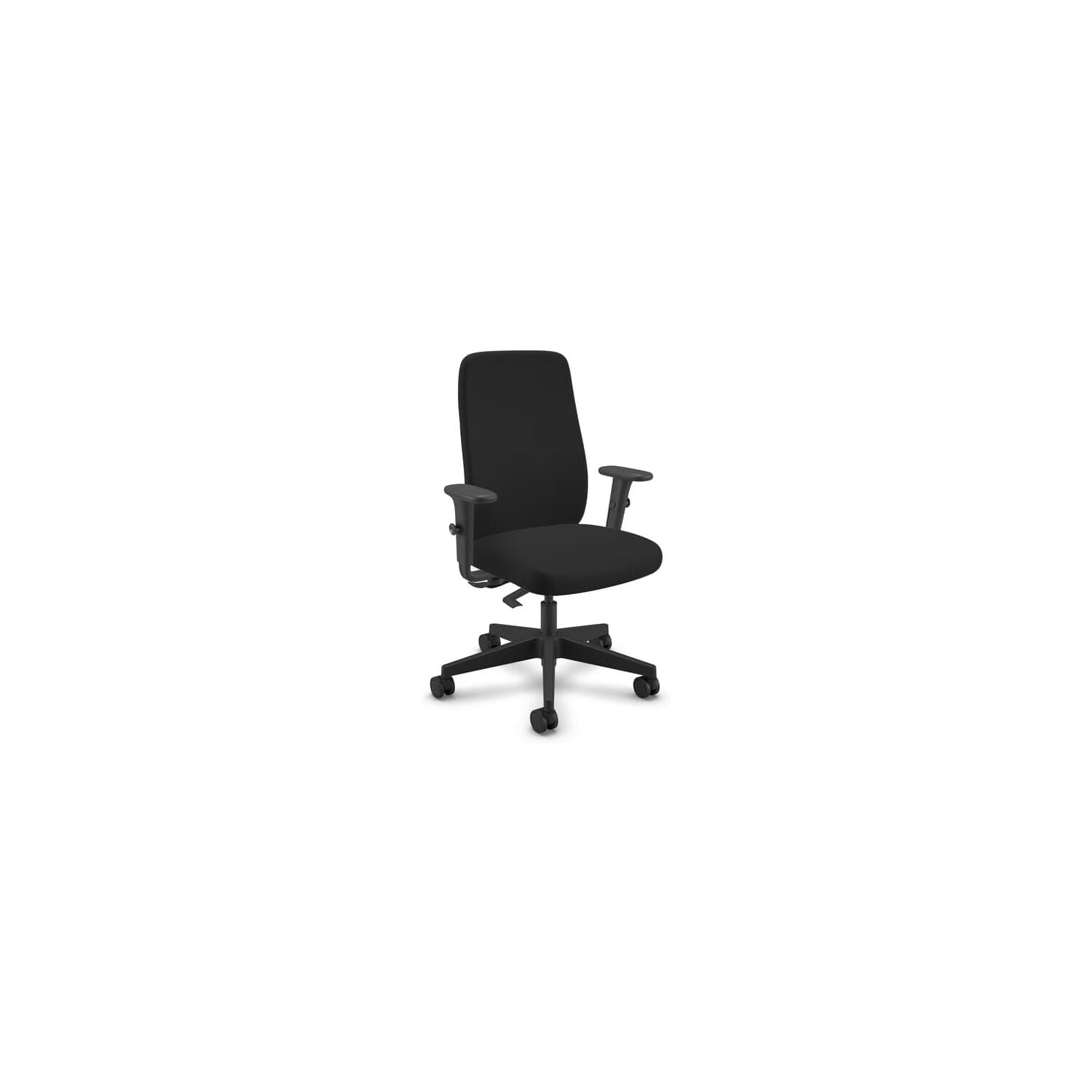
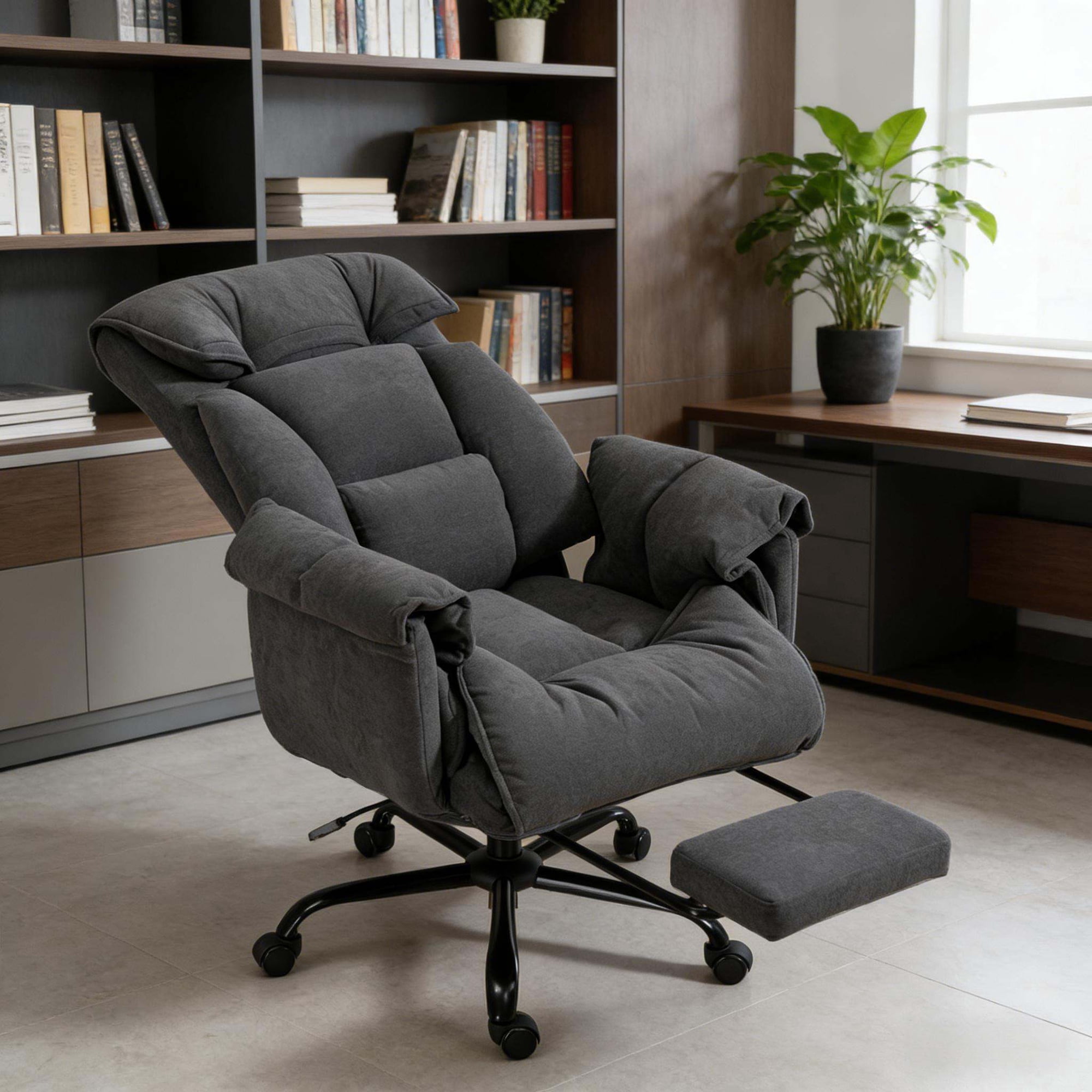
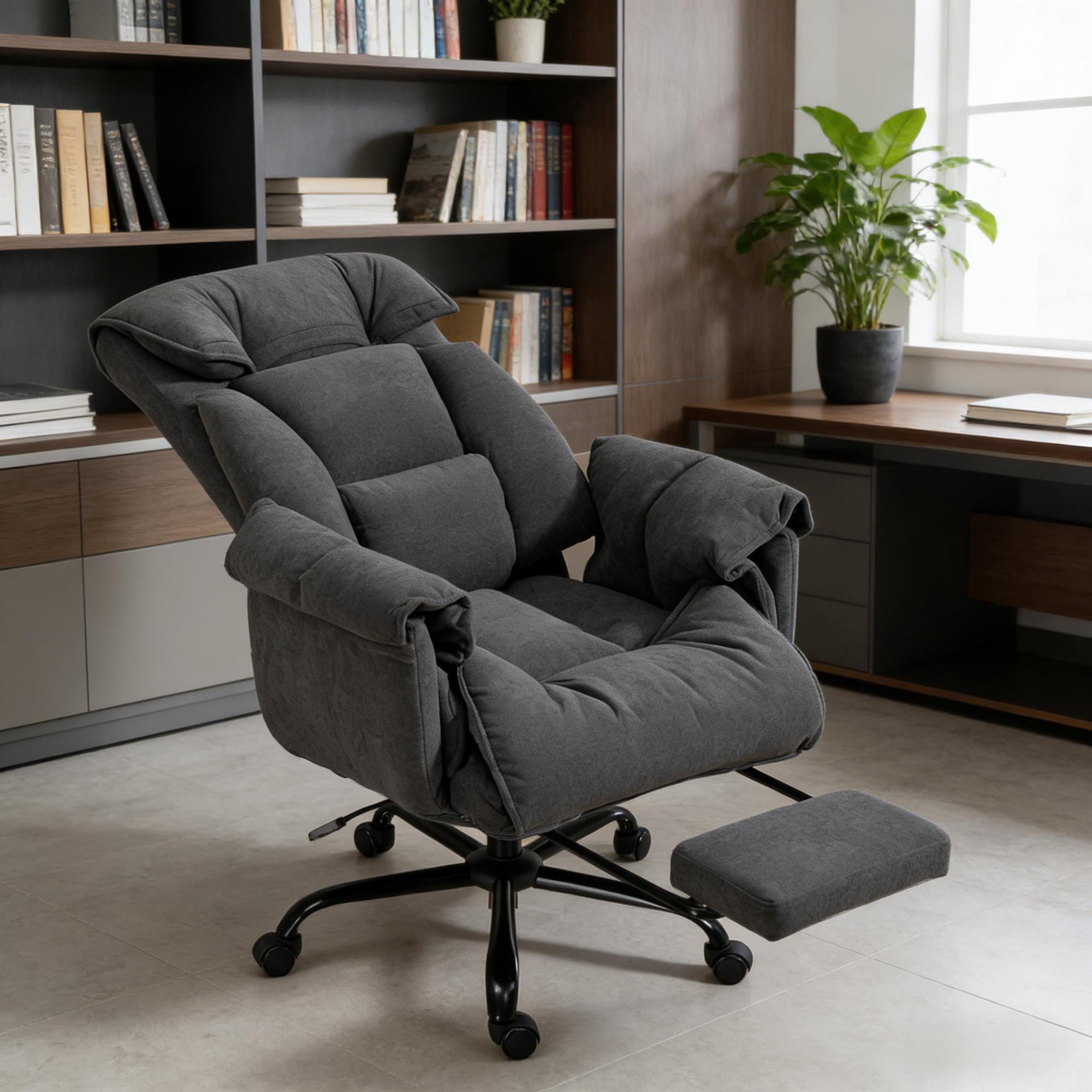
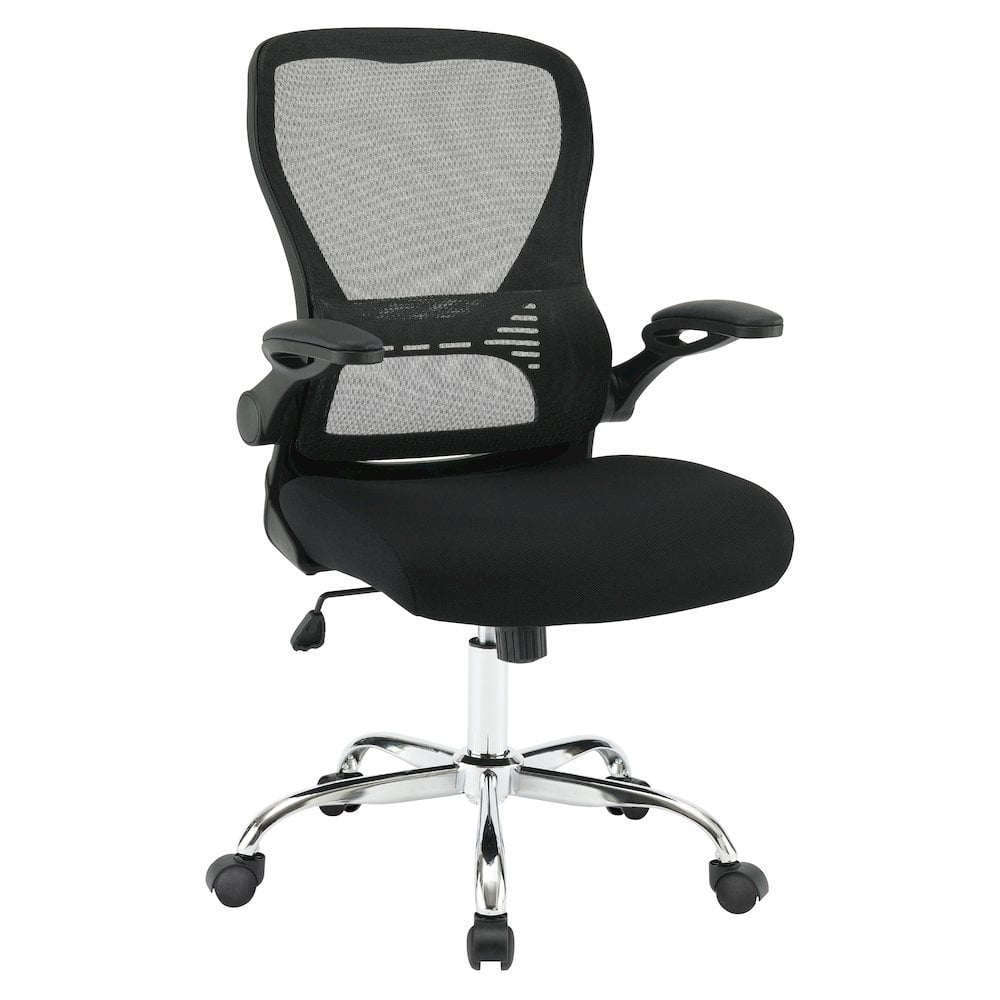
Why a Dedicated Office Chair for High Desk Makes a Difference
Imagine sitting at a bar stool that’s too low — your shoulders hunch, your feet dangle, and within 20 minutes you’re shifting uncomfortably. That’s exactly what happens when you pair a standard office chair with a high desk (40–42 inches or a standing desk in “sit” mode). A proper office chair for high desk has an extended gas lift, often combined with a footring, so your thighs stay horizontal, your arms rest at 90 degrees, and your spine remains neutral.
Ergonomics quick fact: Research from the Cornell University Ergonomics Web suggests that the optimal seated elbow height is 20‑28 inches above the floor, depending on desk height. For a 41‑inch high desk, you need a seat pan roughly 24‑27 inches high — impossible with a conventional chair.
Understanding the Height Gap: Desk Height vs. Seat Height
Most “standard” office desks are 29‑30 inches tall. High desks (including many standing desks in raised position) range from 40 to 46 inches. To maintain proper ergonomics, the seat height must allow your elbows to align with the desk surface while your feet are supported. This table shows recommended pairings:
| Desk height (inches) | Required seat height range | Chair type |
|---|---|---|
| 29–30 (standard) | 16–21 | Regular office chair |
| 38–40 (counter height) | 20–25 | Extra‑tall office chair |
| 41–46 (standing desk / bar) | 24–30 | Drafting chair with footring |
If you use a sit‑stand desk, you need a chair that transitions with you. That’s where drafting chairs shine: they offer a tall cylinder plus a footring, so you can sit high and still have foot support. Some modern “perch” stools even encourage semi‑standing posture.
Anatomy of a High‑Desk Chair: Key Components
- Extended pneumatic cylinder: Provides 24‑30” seat height; look for class 4 gas lift for durability.
- Footring (adjustable): Mandatory when your feet can’t touch the floor — reduces pressure on thighs.
- Wide base (26”+ diameter): Prevents tipping at elevated positions.
- Weight capacity: Aim for 300 lbs minimum; tall chairs experience more leverage.
- Adjustable arms: Must move up/down to reach high work surface.
Two common styles
• integrated footring
• seat height 24‑30”
• ideal for standing desks
• often has smaller backrest
• no footring, relies on floor contact
• seat height 20‑25”
• better for tall users (over 6’2”)
• full ergonomic backrest
How to Choose the Perfect Fit (Step‑by‑Step)
- Measure your desk height — from floor to the top of the work surface.
- Calculate optimal seat height: desk height minus 10‑12 inches (elbow height offset). Example: 42” desk → seat pan around 30‑32” is too high; actually you need 24‑28” because your forearm slopes slightly. Better: sit in a chair and adjust until elbows are 90°.
- Check if your feet will reach the floor at that seat height. If not, a footring is non‑negotiable.
- Verify adjustment range of the chair. Look at minimum and maximum seat height.
- Consider your own height: taller people may manage without a footring; shorter users almost always need one.
Pros and Cons of Popular High‑Desk Chair Types
- Drafting chair with footring — best for sit‑stand desks and average height people. Cons: footring can feel restrictive if not adjustable.
- Tall stool without backrest — cheap but lacks lumbar support for long hours.
- Extra‑tall ergonomic mesh chair — great for tall users, but may cost more.
- Perch stool — encourages active sitting, minimal back support.
Three Common Mistakes When Buying a Chair for a High Desk
Mistake #1: Focusing only on max height — you also need the minimum height low enough for when you lower the desk. A drafting chair that only goes down to 24” is useless if your desk sits at 30”.
Mistake #2: Ignoring foot support — dangling feet compress the back of your thighs, cutting circulation. Always test footring placement or ensure floor contact.
Mistake #3: Buying a cheap “bar stool” office chair — many lack proper lumbar support, armrests, or swivel. You need task‑oriented features, not just height.
Frequently Asked Questions: Office Chair for High Desk
Final Take: Work Tall, Sit Right
Choosing the correct office chair for high desk isn't just about reaching the surface — it's about preserving your posture, energy, and focus throughout the day. Whether you opt for a drafting chair with a sturdy footring or an extra‑tall ergonomic model, make sure the seat height aligns with your desk and body. Measure twice, adjust often, and your shoulders (and spine) will thank you.
Remember: the best chair is the one you forget you're sitting on — even when your desk is 42 inches high.