
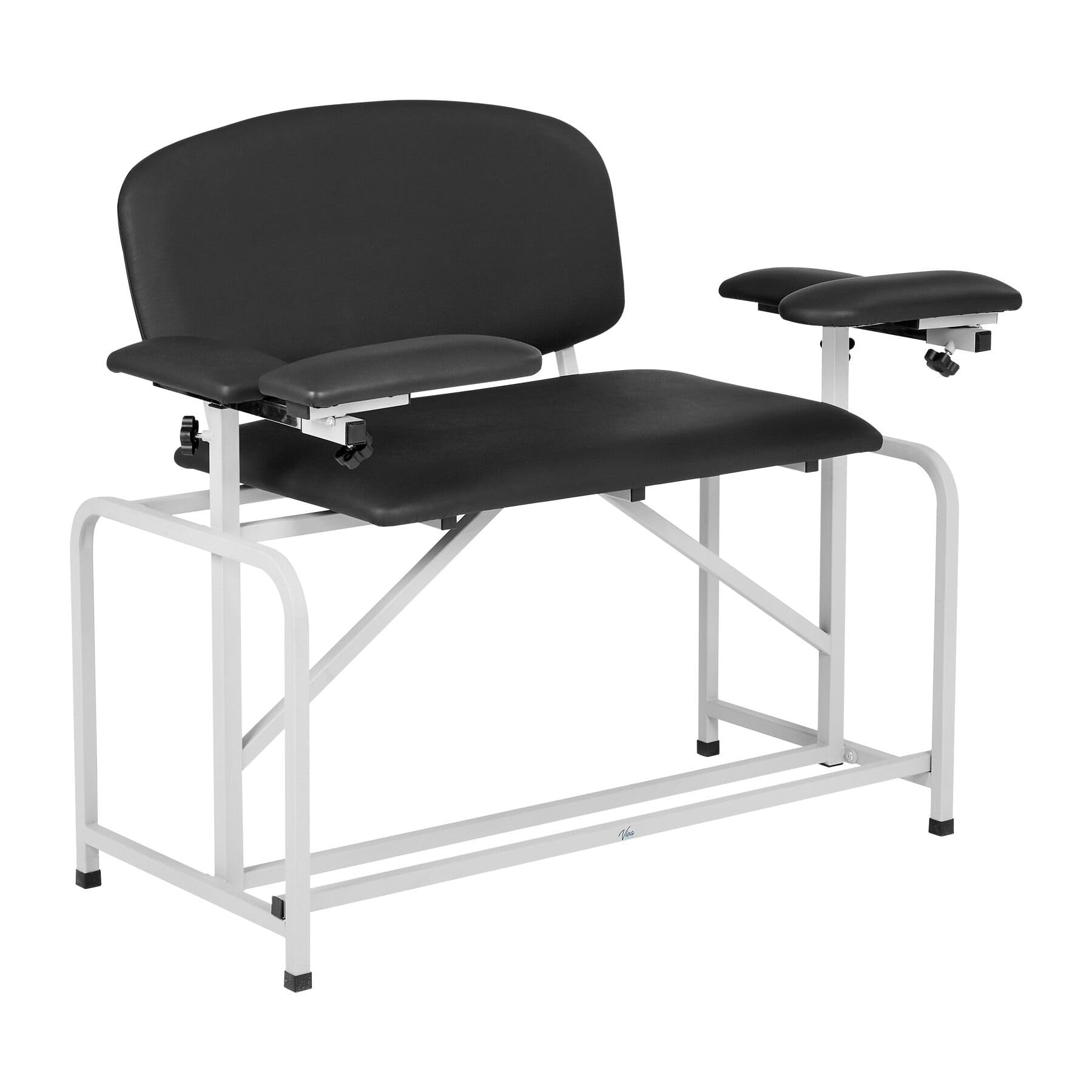
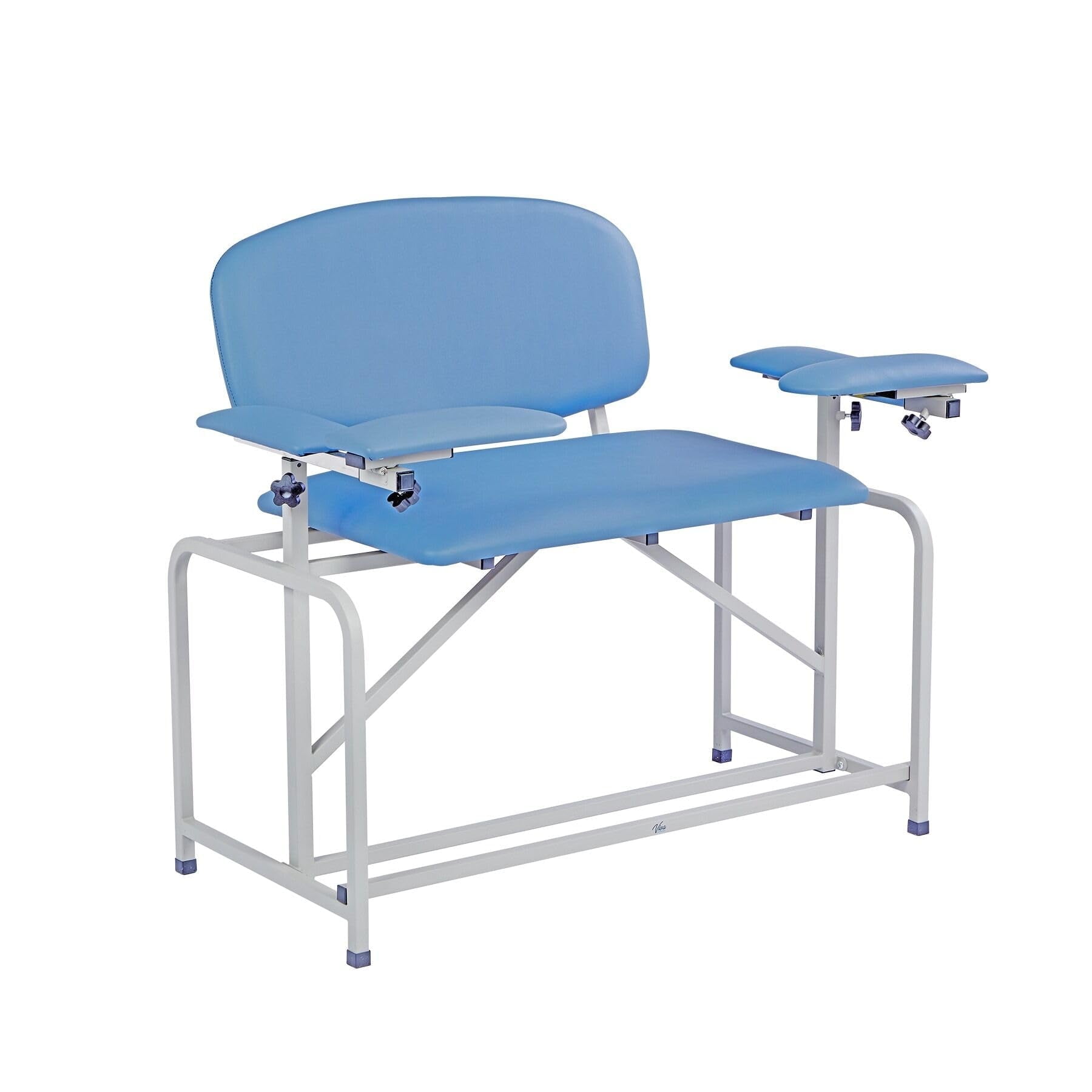
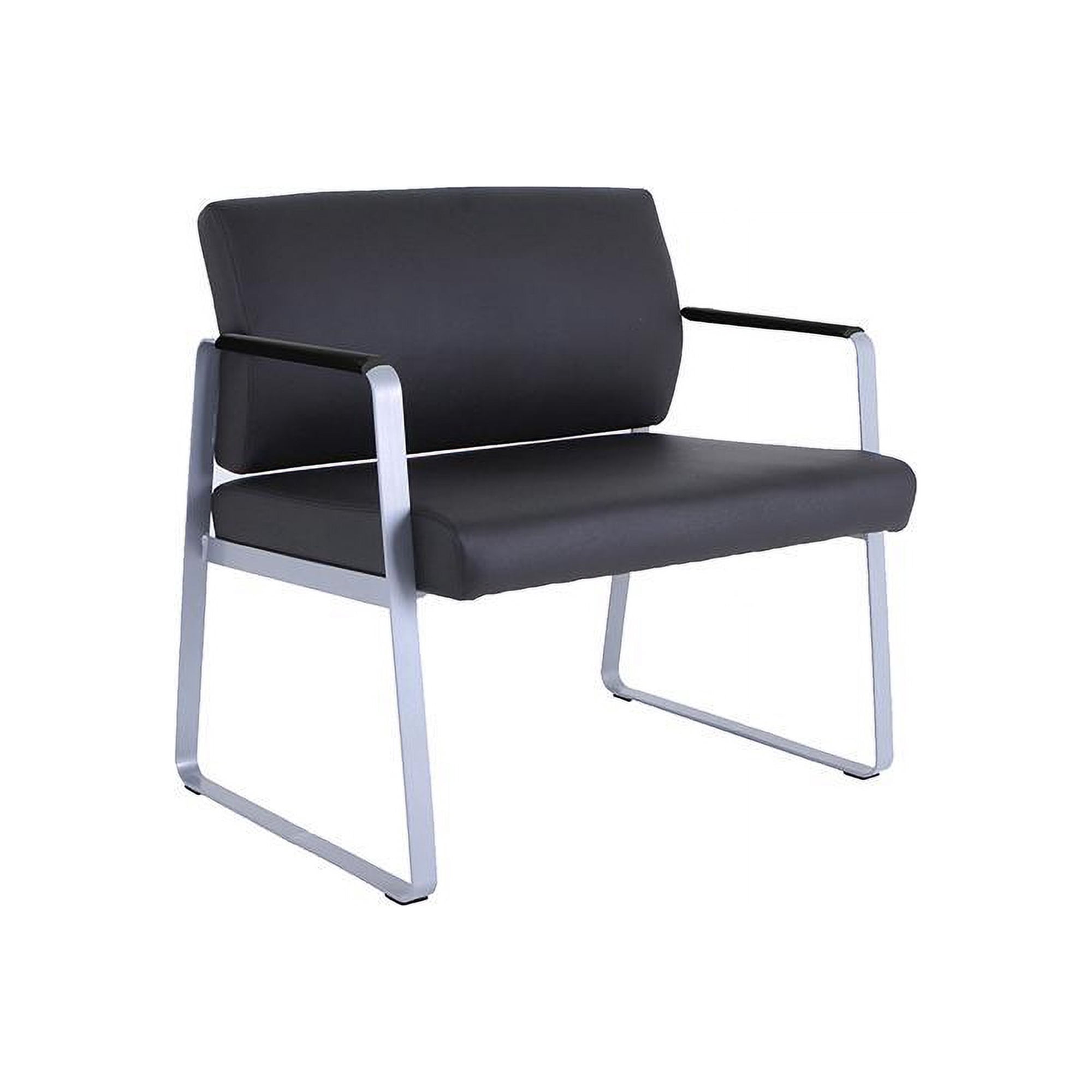
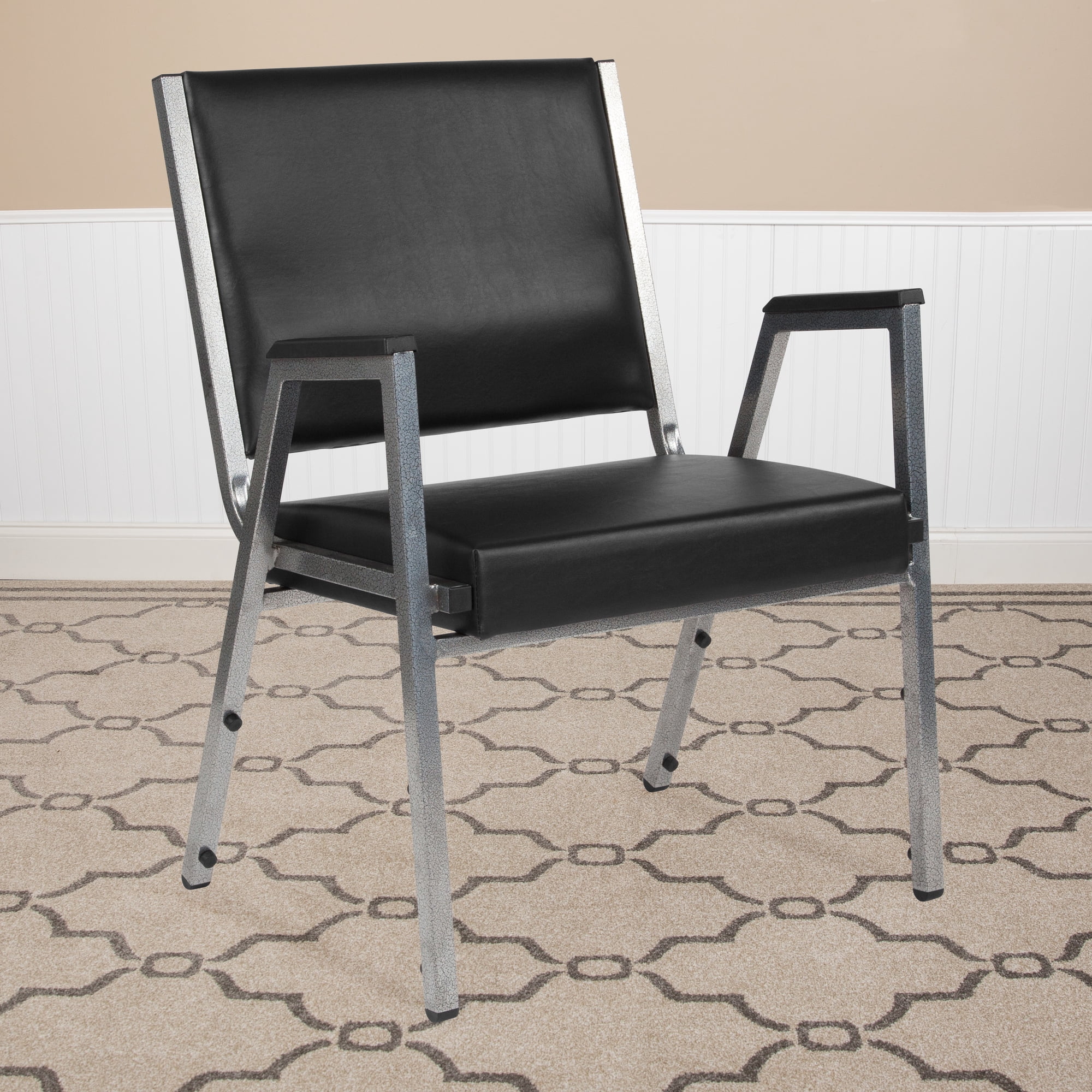
Why a Dedicated Bariatric Office Chair Matters
If you are a larger individual, sitting in a standard office chair can feel like trying to fit into a compact car — uncomfortable, unstable, and potentially unsafe. A bariatric office chair is not just about weight capacity; it’s about designing for proportional support, durability, and long-term wellness. These chairs feature wider seats, reinforced gas lifts, heavy-duty casters, and ergonomic contours that accommodate larger body frames.
Did you know? According to the Bureau of Labor Statistics, musculoskeletal disorders among workers with higher body mass are reduced by 37% when using appropriately sized seating. A bariatric chair distributes weight evenly, reducing pressure points on hips and thighs.
What Defines a True Bariatric Office Chair?
Unlike “big and tall” chairs that sometimes only extend height, a bariatric-specific chair is engineered from the ground up:
- Weight capacity of 400 lbs to 800+ lbs — tested with safety margins.
- Seat width 22 to 30 inches (standard chairs are ~19”).
- Reinforced 5-star base made of steel or heavy-duty nylon, often with a larger diameter for stability.
- Commercial-grade gas lift rated for heavy loads (Class 4 or 5).
- Dual-wheel casters or larger, soft-tread wheels to roll smoothly under high weight.
- High-density foam seat cushion (at least 3” thick) that won’t bottom out.
Key Benefits Beyond Weight Capacity
Choosing a bariatric office chair improves your work life in several ways:
✅ Enhanced Safety
No fear of the base cracking or the cylinder collapsing. You sit with confidence.
✅ Better Posture Support
Wider backrests with lumbar support keep your spine aligned.
✅ Pressure Relief
Contoured waterfall seats reduce thigh pressure and improve circulation.
✅ Longevity
Materials and mechanisms are built to withstand years of heavy use.
Material & Construction: What to Look For
The durability of a bariatric chair lies in its components. Here’s a breakdown of what separates a quality chair from a flimsy one:
| Component | Standard Chair | Bariatric Chair (Recommended) |
|---|---|---|
| Frame Material | Plywood or thin steel | Reinforced steel tubing (minimum 14-gauge) |
| Gas Lift Class | Class 2 or 3 (up to 250 lbs) | Class 4 (400 lbs) or Class 5 (500+ lbs) |
| Base Diameter | 25–27 inches | 28–30 inches for stability |
| Caster Type | Single-wheel plastic | Dual-wheel, metal core, or urethane (2.5”–3”) |
| Seat Foam Density | 1.5–2 lbs/ft³ | 2.5–3 lbs/ft³ high-resilience foam |
Ergonomics for Larger Bodies: It’s Not Just About Size
A common myth is that bariatric chairs are simply “wider versions” of regular chairs. In reality, ergonomic adjustments must scale accordingly. Look for these features:
- Seat depth adjustment: To accommodate different thigh lengths without pressure behind the knees.
- Height-adjustable armrests: Ideally 4D (up/down, forward/back, pivot, width) to fit broader shoulders.
- Backrest height: Tall enough to support the entire back, including a headrest if needed.
- Tilt mechanism with weight-sensitive tension: So you can recline smoothly without feeling like you’ll tip.
Imagine wearing a well-tailored suit versus an oversized off-the-rack jacket — the difference is in the details. A bariatric ergonomic chair tailors support to your body’s unique map.
Step-by-Step Selection Guide for Bariatric Office Chairs
Step 1: Measure Yourself and Your Space
• Hip width: Sit on a flat surface and measure across the widest point. Add 2–4 inches for comfortable clothing room.
• Desk height: Ensure the chair’s maximum height allows your arms to rest at 90 degrees.
• Room dimensions: Bariatric chairs have larger footprints; measure your desk opening.
Step 2: Match Weight Capacity with a Safety Margin
If you weigh 350 lbs, choose a chair rated for at least 450–500 lbs. This ensures the gas lift and base operate well below their failure point, extending lifespan.
Step 3: Test the Cushion Firmness
High-density foam (2.5 lb or higher) provides support without sinking. If possible, look for chairs with “cold-cured” foam that retains shape longer. Avoid soft cushions that compress fully.
Step 4: Verify Base and Caster Strength
Choose a metal base over nylon for extreme loads. Casters should be metal-housed with soft treads to roll on carpets or hard floors without cracking.
Step 5: Check Warranty and Return Policy
Reputable brands offer at least 5–10 years on frame and mechanism. A 30-day return period lets you evaluate real comfort at home.
Real-World Comfort: Pressure Mapping Insights
Studies using pressure mapping show that bariatric chairs with contoured foam reduce peak pressure on the ischial tuberosities (sit bones) by up to 40% compared to flat, low-density seats. This means less numbness and fatigue during 8-hour workdays. Look for terms like “dual-density foam” or “gel-infused layer” that enhance comfort without sacrificing support.
Bariatric vs. “Big and Tall” Office Chairs: What’s the Difference?
Many chairs marketed as “big and tall” simply have taller backrests but may still use standard-width seats and lower weight ratings. A true bariatric chair specifically addresses:
- • Wider seat pan and backrest (22”+).
- • Reinforced armrest brackets that don’t flex.
- • Thicker seat foam (4–5 inches) to prevent “bottoming out.”
- • Larger-diameter casters for easier rolling under load.
If you are over 275 lbs or have a hip width exceeding 20 inches, prioritize a dedicated bariatric model over a generic “big and tall” chair.
Frequently Asked Questions About Bariatric Office Chairs
Conclusion: Invest in Lasting Support
Selecting a bariatric office chair is a decision that affects your daily comfort, productivity, and long-term health. Look for reinforced construction, adequate weight capacity with a safety margin, and ergonomic adjustments that truly accommodate your body. Remember that a quality chair is not an expense — it’s an investment in your well-being.
Final tip: Read user reviews from people with similar body types. They often reveal real-world insights about seat width, cushion durability, and ease of assembly that specs sheets don’t show.