
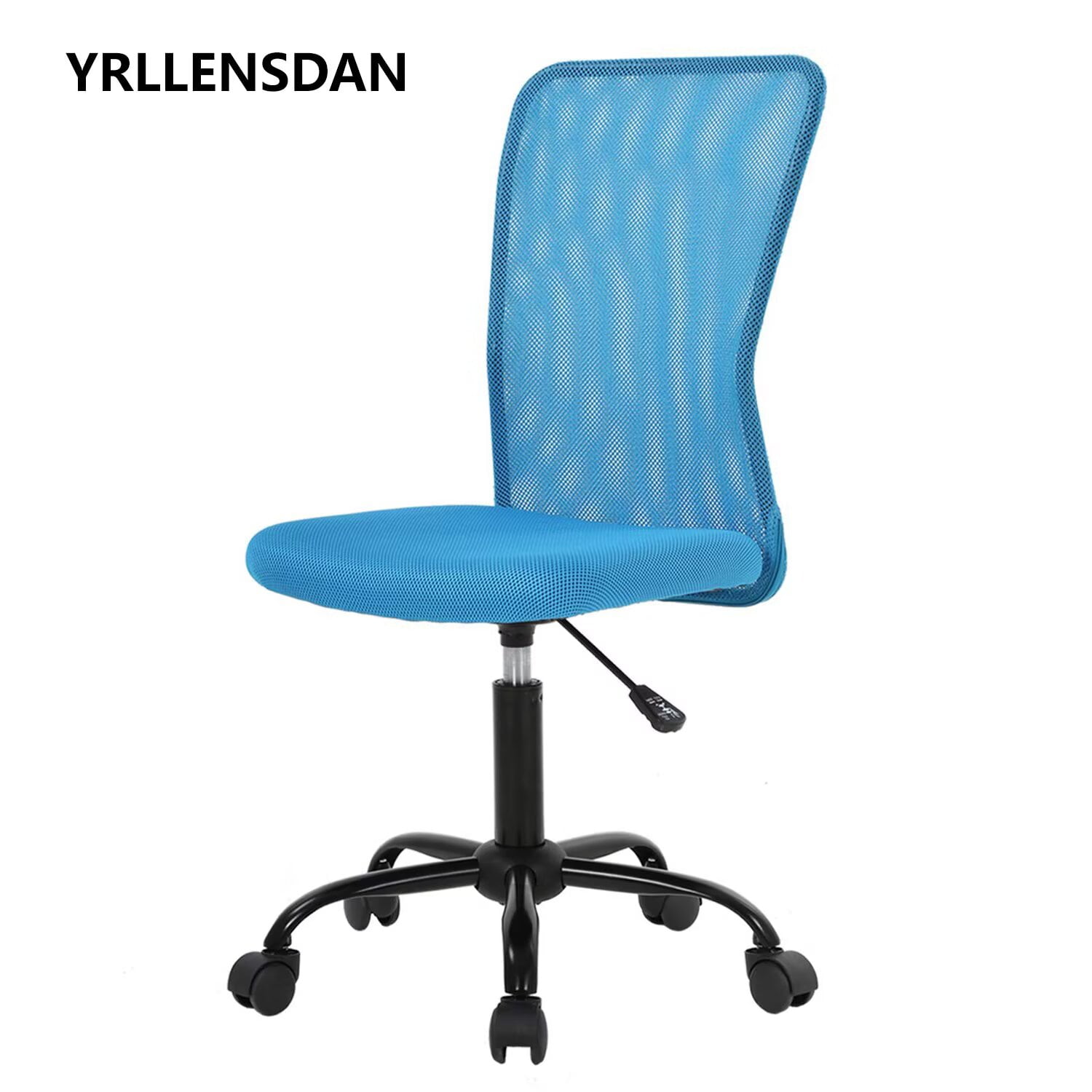
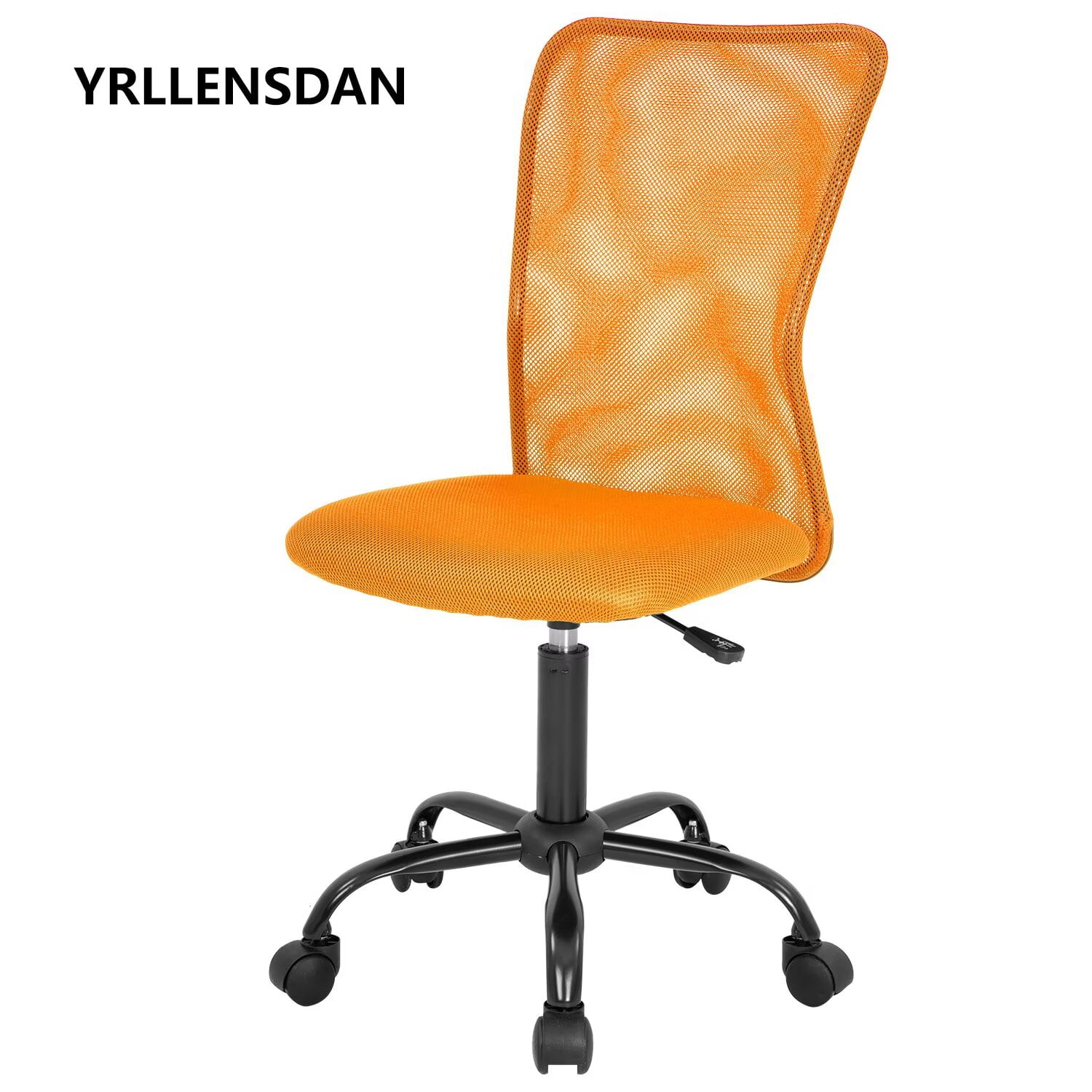
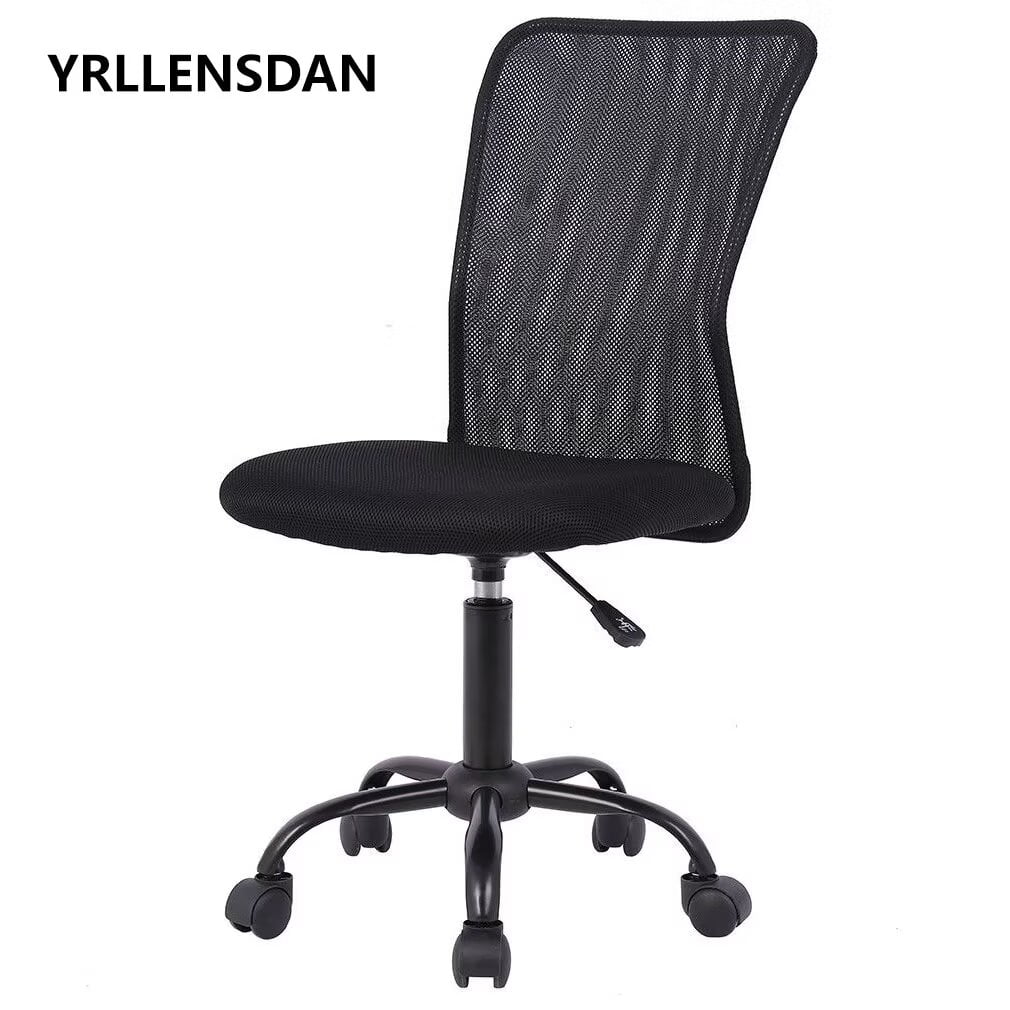
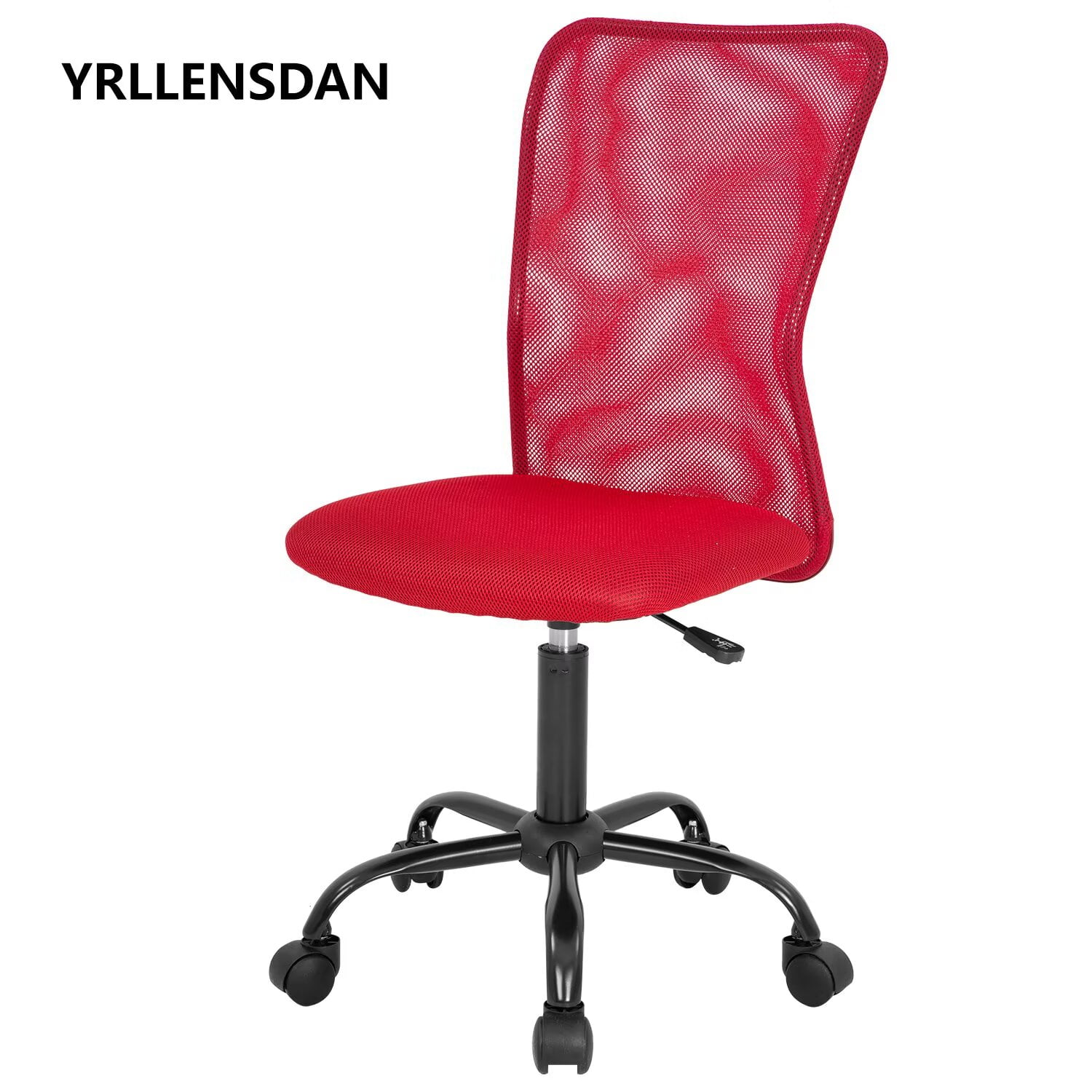
Why Your Small Desk Demands a Specialized Chair
Working from a compact desk presents unique challenges. A standard office chair can quickly overwhelm your workspace, making the area feel cramped and cluttered. The right office chair for small desk solves this by blending a reduced footprint with smart ergonomics. Think of it like choosing furniture for a tiny apartment—every inch matters, and multifunctionality is key.
Home Office Reality: According to a 2024 home office survey, 68% of remote workers operate from desks smaller than 48 inches wide. Among them, 73% reported that choosing the wrong chair negatively impacted both their comfort and workspace organization. Selecting a chair designed specifically for small desks can reclaim up to 20% of usable floor space.
Critical Measurements: The "Fit" Factor
Before browsing chairs, grab a tape measure. Success with a small desk chair starts with understanding your physical constraints. Here are the dimensions that matter most:
- Overall Chair Width: Ideal for small desks is 22 to 25 inches (armrests included). This allows the chair to fit under standard 42-48 inch desks without side protrusions.
- Seat Depth: Look for 16 to 18 inches. Deep seats (19+ inches) often collide with desk legs or make it hard to reach your keyboard properly.
- Backrest Height: Low- to mid-back designs (16-22 inches) maintain an open feel in tight spaces, while high-back chairs can visually close off the room.
- Base Diameter: The wheelbase spread should be under 25 inches to ensure the chair rotates freely without hitting desk legs or walls.
📐 Quick Measurement Checklist
- ✔️ Desk width (inside legs if applicable): ______ inches
- ✔️ Desk height: ______ inches (standard 28-30")
- ✔️ Clearance under desk (width between legs): ______ inches
- ✔️ Maximum chair width that fits: ______ inches
- ✔️ Distance from desk edge to wall behind: ______ inches
Armrest Strategies: Flip-Up, Adjustable, or None?
Armrests are often the biggest obstacle when fitting a chair under a small desk. Here's how to choose wisely:
Flip-Up / 3D Arms
Best for flexibility. Raise them for typing support, flip them up vertically to slide the chair completely under the desk. Perfect for shared spaces or when you need to clear the area quickly.
Height-Adjustable Only
Good middle ground. Allows you to lower arms below desk surface level. Ensure the minimum arm height is at least 2 inches lower than your desk height.
Armless Design
Maximum space savings. Ideal for very narrow desks or if you prefer using the desk surface for arm support. Some armless models still offer excellent lumbar support and seat comfort.
Material Choices That Visually Shrink Your Chair
Beyond physical dimensions, material choice affects how "bulky" a chair feels in a small room. Consider these aesthetic strategies:
| Material | Visual Impact | Space-Saving Advantage |
|---|---|---|
| Breathable Mesh | Airy, lightweight appearance | Thinner backrest profile; doesn't block light |
| Light-Colored Fabric | Recedes visually; opens up room | Reflects natural light, making space feel larger |
| Slim Padded Leather | Can appear substantial; use matte finishes | Choose "executive slim" models with reduced padding on back |
| Clear or Metallic Base | Creates transparency | Glass-filled nylon or polished aluminum bases disappear visually |
Ergonomics Don't Take a Break in Small Spaces
Just because you're downsizing your chair doesn't mean you should downsize on support. Modern compact office chairs pack serious ergonomic features into smaller frames. Here's what to prioritize:
Adjustable Lumbar Support
Look for chairs with height-adjustable lumbar pads—critical for maintaining posture even in compact designs.
Seat Depth Slider
Allows you to shorten the seat for petite frames or extend slightly for taller users without increasing overall chair footprint.
Waterfall Seat Edge
Reduces pressure behind knees—essential since small chairs often have slightly shallower seats.
Dual-Wheel Casters
Smooth rolling on carpet or hard floors makes maneuvering in tight quarters effortless.
Clever Setup Tips for Your Small Desk + Chair Combo
Once you've selected the perfect chair, optimize your layout to maximize every inch:
- Park it under the desk: When not in use, push the chair fully under the desk. Choose chairs with armrests that fold or adjust low enough to clear the desk underside.
- Go vertical with storage: Use wall shelves or monitor arms to clear desk surface space, reducing the need to slide the chair sideways.
- Use a transparent or small-profile mat: If using a floor mat, cut it to size so it doesn't extend beyond the desk footprint.
- Position with precision: Place the chair so the center of the seat aligns with the keyboard's home row. This prevents unnecessary lateral movement that requires extra floor space.
- Consider a chair without a headrest: Unless absolutely necessary, a headrest adds height and can make a small space feel more crowded.
Ultimate Selection Guide: Office Chair For Small Desk
Choosing a chair for a compact workspace involves balancing three core elements: fit, function, and form. Follow this streamlined selection process to make a confident decision.
Step 1: Map Your Workspace Dimensions
Measure the width between desk legs, the height from floor to desk underside, and the available depth behind the desk. Note that many "small desk chairs" have overall depths between 22-26 inches. Your chair's depth plus your seated position should not exceed your room's depth if you need to recline.
Step 2: Identify Your Must-Have Adjustments
For small spaces, seat height adjustment (pneumatic), tilt tension, and armrest flexibility are non-negotiable. If you suffer from back pain, prioritize models with built-in or adjustable lumbar support, even in a compact frame.
Step 3: Match Material to Environment
In a small home office, mesh chairs prevent the space from feeling stuffy and are easier to clean. For a more traditional look, choose vinyl or bonded leather that's easy to wipe but avoid overly thick padding that adds bulk.
Step 4: Test the "Slide-Under" Factor
Visualize the chair at your desk. Can you roll it in and out smoothly? Will the armrests or backrest hit the desk edge when you're sitting? If possible, check return policies or look for detailed 360° images to confirm clearance.
Remember: the best office chair for small desk is one you forget about because it fits so seamlessly, allowing you to focus entirely on your work.
Frequently Asked Questions: Office Chairs For Compact Desks
Conclusion: Your Small Desk Deserves a Perfect Match
Selecting the right office chair for small desk transforms your workspace from cramped to cleverly efficient. It's not about sacrificing comfort for size—modern compact chairs prove that you can have both ergonomic excellence and a space-conscious design. By focusing on key dimensions, armrest flexibility, and materials that visually lighten the room, you'll create a home office that feels open, organized, and supportive.
Final Recommendations
Choose an armless mesh chair with a low-profile back and small wheelbase. These allow the most flexibility and slide under even the narrowest desks.
A chair with flip-up arms and adjustable lumbar support offers the best balance. Look for models with a seat depth adjustment to fine-tune your fit.
Select a chair with a slim silhouette in a light fabric or breathable mesh. A minimalist design with clean lines will enhance the sense of space.
Investing time in finding the correct chair pays dividends in daily comfort and long-term spinal health. Use the product grid above to explore top-rated compact chairs, and remember to measure twice, sit once, and enjoy your perfectly fitted workspace.