
Why Your Choice of Chair Matters for Long Sitting Sessions
Imagine your office chair as the foundation of your workspace. For professionals who spend 8 to 10 hours a day seated, the chair isn't just furniture—it's a critical piece of equipment that directly affects your health, focus, and career longevity. A poorly designed chair can lead to a cascade of issues, from nagging back pain and stiff necks to more serious conditions like sciatica and poor posture over time.
Ergonomic Insight: Studies show that prolonged sitting without proper support increases pressure on spinal discs by up to 40%. Investing in a specialized office chair for all day use can mitigate these risks, improving your posture and reducing fatigue by as much as 60% compared to a standard task chair.
Core Features That Define an All-Day Office Chair
Not all office chairs are built for endurance. A chair designed for occasional use will quickly show its limitations when used for long hours. Here are the non-negotiable features to look for:
1. Dynamic Lumbar Support
Static backrests are a common pitfall. For all-day comfort, you need adjustable lumbar support that moves with you. The best systems offer both height and depth adjustment to perfectly fit the curve of your lower back, preventing the 'hollow back' slump that leads to pain.
2. Seat Depth and Width
A seat that is too short offers no thigh support, while one that is too long cuts off circulation. Look for chairs with a seat depth adjustment (sliding seat pan). The ideal seat width should also accommodate your hips without feeling constricted, allowing for subtle shifts in position throughout the day.
3. High-Performance Materials
Material choice is crucial. For all-day use, breathable mesh backrests are a favorite as they prevent heat buildup. Seat cushions should be made of high-density foam that retains its shape and doesn't bottom out after a few weeks. Perforated leather can also work if you prefer a more classic look.
4. 4D Adjustable Armrests
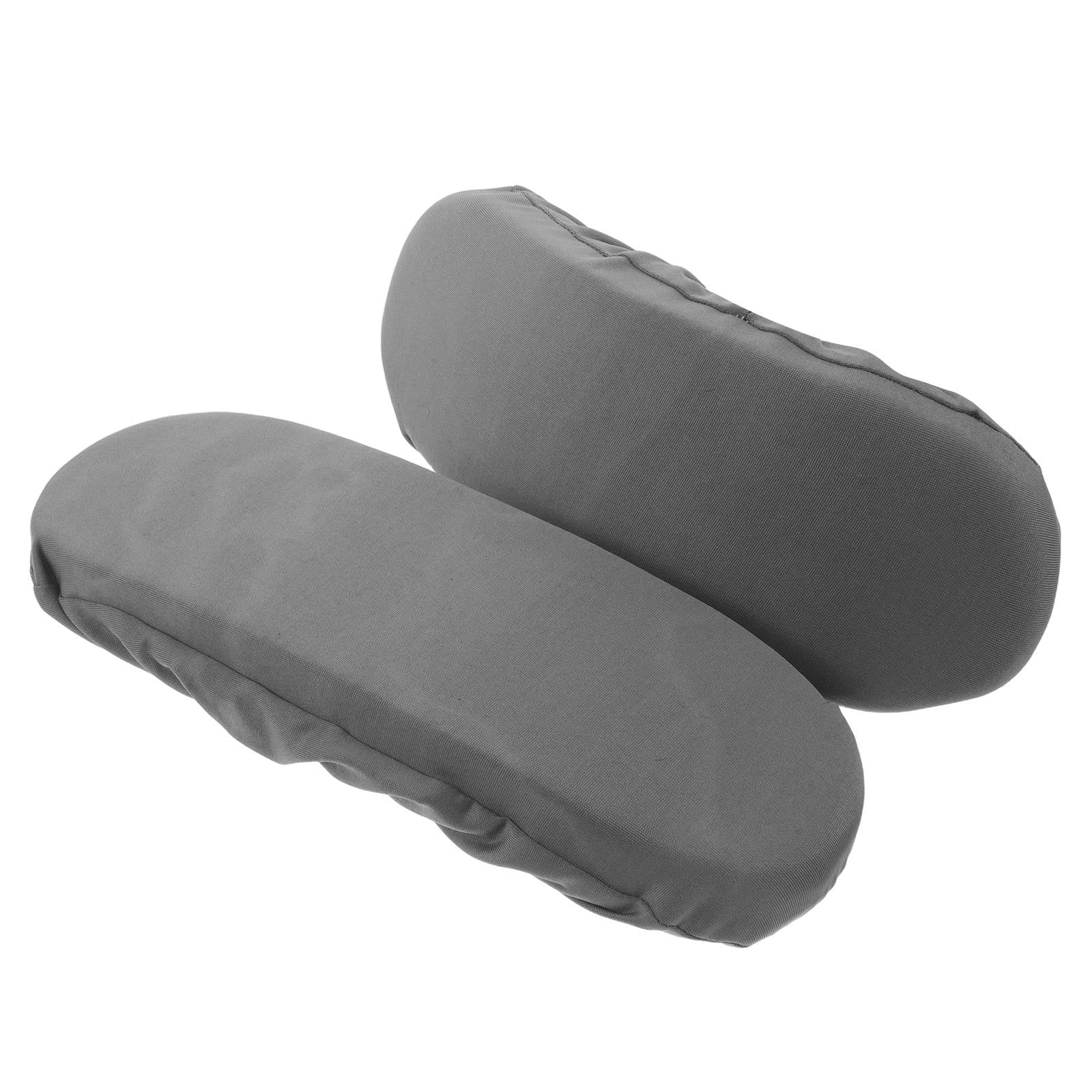
Armrests that only go up and down are not enough. For long hours, you need 4D armrests that adjust in height, width, depth, and pivot. This allows you to position them perfectly to support your elbows and forearms, taking strain off your shoulders and neck while typing or mousing.
The Science of Seating: How to Maintain Energy and Focus
Your body is designed for movement. The goal of a chair for all-day use is not to restrict you, but to support healthy movement and dynamic posture. Here's how the right chair works with your body's physiology to maintain energy levels:
- Promotes Micro-Movements: High-quality chairs with a synchro-tilt mechanism allow the backrest and seat to move together, encouraging you to recline and shift position naturally without breaking concentration.
- Enhances Circulation: A waterfall seat edge (curved front) reduces pressure on the backs of your thighs, ensuring consistent blood flow to your legs and preventing the 'pins and needles' sensation.
- Reduces Muscle Fatigue: By distributing your weight evenly across the seat and back, a well-designed chair prevents any single muscle group from being overworked, significantly reducing fatigue by the end of the day.
- Supports Dynamic Posture: The best chairs support you whether you're sitting upright for focused work, leaning back for a phone call, or slightly reclined for deep thinking.
Comparing Chair Types for Extended Use
Different materials and designs offer varying benefits for all-day comfort. This comparison will help you choose the best type based on your environment and personal needs.
| Chair Type | Best For | All-Day Comfort Factors | Potential Drawbacks |
|---|---|---|---|
| High-End Mesh (e.g., Herman Miller Aeron, Steelcase) | Temperature regulation, flexible support | Unmatched breathability, passive posture correction, durable elastomer material that doesn't sag | Higher price point, may not feel as 'plush' as padded chairs |
| Premium Leather/Leathertte | Aesthetics, traditional executive feel | High-density foam padding, classic look, can be very supportive with proper lumbar system | Can trap heat, may require more maintenance, padding can compress over time |
| Hybrid (Mesh Back / Fabric Seat) | Balance of breathability and cushion comfort | Back stays cool, seat offers a softer, traditional feel. Often a great middle-ground. | Seat foam may wear out before the mesh back, limited options in this category |
| Big & Tall / Heavy Duty | Larger users, enhanced stability | Wider seat, reinforced frame, higher weight capacity, extended cylinder for taller individuals | Can be bulkier and take up more space |
Step-by-Step Guide to Choosing Your All-Day Office Chair
Navigating the world of office chairs can be overwhelming. Follow this systematic approach to find the perfect match for your body and work style:
Step 1: Assess Your Workspace and Body
- Measure Your Desk Height: Standard desks are 29-30 inches. Ensure the chair's height range can accommodate this so your elbows are at a 90-degree angle.
- Know Your Dimensions: Measure your hip width and the length from your knee to your lower back. This will help determine the seat width and back height you need.
- Identify Pain Points: Do you have existing back pain, neck stiffness, or hip discomfort? This will guide which features to prioritize, such as adjustable headrests or deeper lumbar support.
Step 2: Prioritize Your Must-Have Adjustments
Priority Checklist for All-Day Use
Step 3: Consider Material and Build Quality
Your chair is a long-term investment. Look for a robust frame (often aluminum or steel), a 5-point base for stability, and high-quality casters suitable for your floor type (hardwood or carpet). Read reviews that specifically mention durability after months of use.
Step 4: Set a Realistic Budget
While you can find chairs under $300, for genuine all-day comfort and durability that lasts years, expect to invest. The "sweet spot" for quality ergonomic chairs built for 8+ hours is often between $500 and $1,200. This range provides a significant return on investment in terms of health and productivity.
Entry-Level
Basic ergonomics. May be okay for light use but may show fatigue after a full day.
Mid-Range (Best Value)
Excellent ergonomics, good build quality, and sufficient adjustments for most users. Ideal for full-time work.
Premium/High-End
Top-tier materials, superior warranty, and the most advanced ergonomic features. Designed for extreme comfort and longevity.