
Why Your Home Office Needs a Small Office Chair
Working from home has transformed how we view our living spaces. A dedicated home office is now essential, but not everyone has a sprawling spare room. This is where a small office chair for home becomes not just an option, but a necessity. These chairs are engineered to deliver the comfort and support of a full-sized executive seat in a package that respects your space constraints.
Did You Know? According to a recent home office survey, 68% of remote workers report that their biggest challenge is the lack of dedicated workspace. Choosing a compact chair can reclaim up to 15% of your floor space, making a small corner feel like a productive command center.
Space-Saving Insight: The key to a functional small home office is choosing furniture that scales to the room. A small office chair for home allows you to integrate a workspace into a living room, bedroom corner, or even a closet conversion, proving that you don't need a massive room to have a massive impact on your productivity.
Defining Features of a Quality Compact Desk Chair
Not every chair labeled as "small" is created equal. A truly effective small office chair for home balances its petite footprint with robust features. Here's what to look for:
- Narrow Seat Width: Typically ranging from 17 to 20 inches, this allows the chair to fit in tight alcoves and under smaller desks.
- Streamlined Base: A five-star base with a smaller circumference prevents the chair from extending too far into the room, making navigation easier.
- Adjustable Armrests or Armless Design: This is crucial for sliding the chair under the desk when not in use, instantly opening up the floor space.
- Lightweight Construction: Easier to move around, which is especially helpful if your home office shares space with other activities.
- Proportional Backrest: A mid-back or low-back design maintains ergonomic support without a towering profile that can visually overwhelm a small room.
Material Matters for Small Spaces
The material of your compact office chair affects not only its look and feel but also its suitability for a home environment. Here's how the common materials stack up for a small office chair for home:
Breathable Mesh
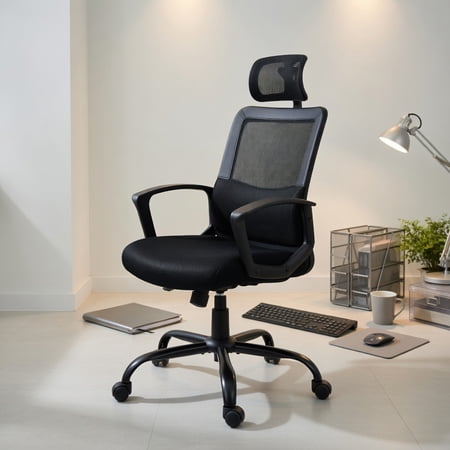
An excellent choice for small, potentially warmer spaces. Mesh backs provide airflow, preventing the chair from feeling stuffy. The open design also helps the chair appear less bulky, contributing to a more open feel in a compact room.
Durable Fabric
Fabric chairs offer a wide range of colors and textures to complement your home decor. They provide a soft, cozy feel, which is ideal for a home setting. Look for stain-resistant fabrics for easy maintenance.
Faux Leather
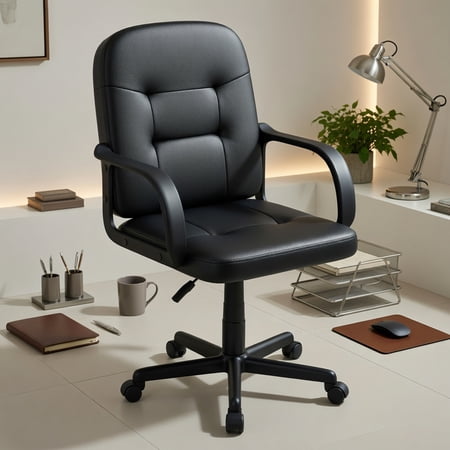
For a sleek, modern look that's easy to clean, faux leather is a fantastic option. It adds a touch of professionalism without the bulk of thick, high-back leather executive chairs. It's also very easy to wipe down.
The Ultimate Guide to Choosing Your Compact Chair
Selecting the right small office chair for home requires a strategic approach. It's about finding the perfect intersection of ergonomics, aesthetics, and spatial awareness. Follow this detailed guide to make a choice you'll love for years.
Step 1: Measure Your Available Space
- Width: Measure the area where the chair will sit. Ensure you have room for the chair base and a little extra for swiveling.
- Depth: Consider how much space the chair will take when pushed in and when you're seated. Will it block a doorway or a path?
- Height: Check the space under your desk. A chair with a lower minimum seat height is crucial for sliding it fully underneath.
Pro Tip: Use painter's tape to outline the chair's dimensions on your floor. Sit in a chair of similar size to test the feel and movement within the taped-off area. This gives you a real-world sense of the space.
Step 2: Evaluate Your Daily Usage
Usage Scenarios for Home Workers
Comfort is key, but you can prioritize style and space-saving features. An armless or sleek mesh chair works well.
Ergonomics become critical. Look for a compact chair with adjustable lumbar support, seat height, and seat depth. Don't sacrifice support for size.
If your home office is also a guest room or living area, choose a chair that is stylish and easy to move out of the way. A lightweight chair on carpet casters is ideal.
Step 3: Prioritize Ergonomic Features
Just because a chair is small doesn't mean it should compromise your health. Look for these non-negotiable ergonomic elements:
- Adjustable Seat Height: Allows you to position your feet flat on the floor with your thighs parallel to the ground. This is fundamental for posture.
- Seat Depth Adjustment: This ensures proper support for your thighs. A seat that is too long will cut off circulation; too short and you lack support.
- Lumbar Support: Crucial for maintaining the natural curve of your spine. Some compact chairs have built-in, non-adjustable lumbar support, which can still be effective if it fits your back.
- Tilt Tension: Allows you to control the resistance when you lean back, promoting movement and reducing static muscle fatigue.
Step 4: Match Your Style
Your home office chair is a piece of furniture that contributes to your home's aesthetic. Choose a style that makes you feel good and complements your existing decor.
- Modern Minimalist: Look for sleek lines, mesh backs, and a simple color palette like grey, black, or white.
- Scandinavian Style: Opt for light woods, soft fabrics, and a clean, functional design with natural tones.
- Traditional Comfort: A compact upholstered chair with a subtle pattern or a classic faux leather finish can add warmth and a timeless feel.
Frequently Asked Questions About Small Office Chairs for Home
Conclusion & Final Recommendations
Choosing a small office chair for home is an exercise in intelligent compromise. The goal is to find a chair that fits your physical space, supports your body during work hours, and complements your home's aesthetic. By focusing on smart design and essential ergonomic features, you can create a comfortable and productive workspace in even the most modest of corners.
Your Compact Chair Checklist
Prioritize armless designs or flip-up arms. A chair on small, smooth-rolling casters will be easy to tuck away. Look for a sleek, light-colored material like white mesh to help the space feel more open.
Ergonomics are non-negotiable. Invest in a compact chair with adjustable seat depth, lumbar support, and seat height. A breathable mesh back will keep you comfortable through long sessions.
Consider a small upholstered chair in a velvet or boucle fabric. These materials add a touch of luxury. Look for a modern silhouette with a narrow base that feels intentional and curated.
Top Picks by Category
| Home Office Scenario | Ideal Small Chair Type | Key Features to Prioritize |
|---|---|---|
| Extremely Tight Space | Armless Task Chair | Narrow seat width (<18"), no protruding arms, low-profile base |
| Full-Time Work from Home | Compact Ergonomic Chair | Adjustable lumbar support, seat depth, and tilt tension |
| Multi-Purpose Home Office | Stylish Guest-Ready Chair | High-quality fabric or faux leather, attractive design, easy to move |
| Student or Young Professional | Budget-Friendly Mesh Chair | Breathable material, basic adjustability, durable casters |