
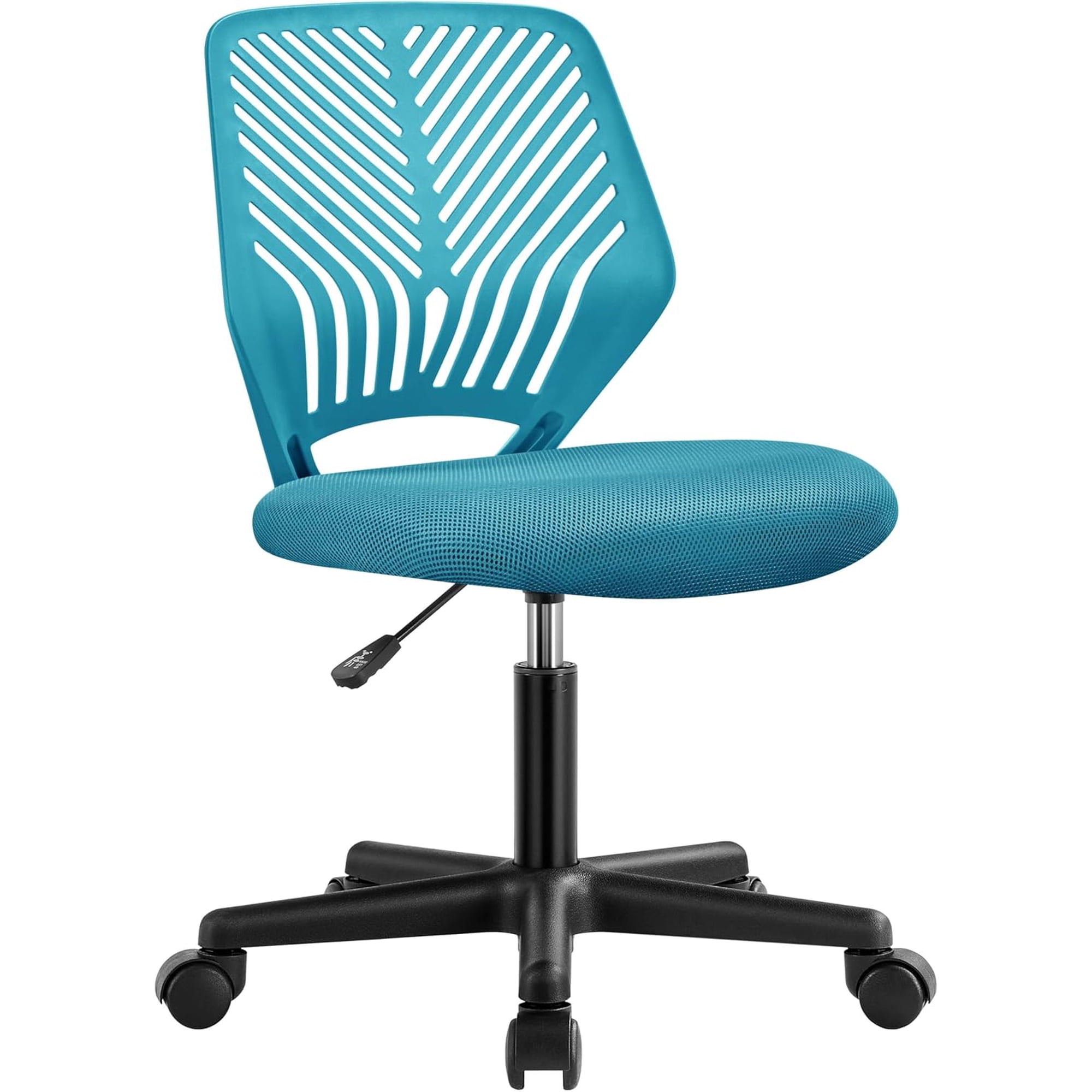
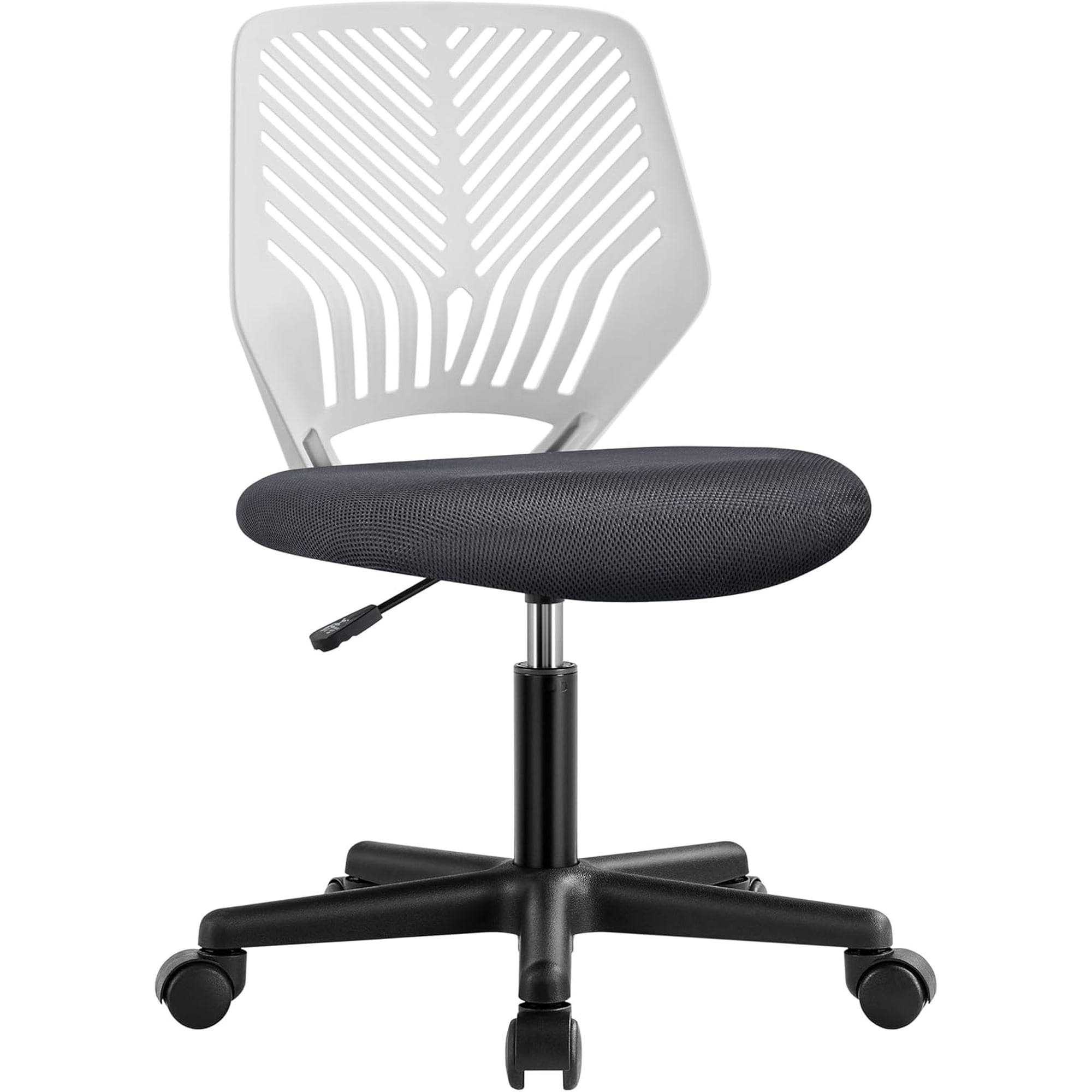
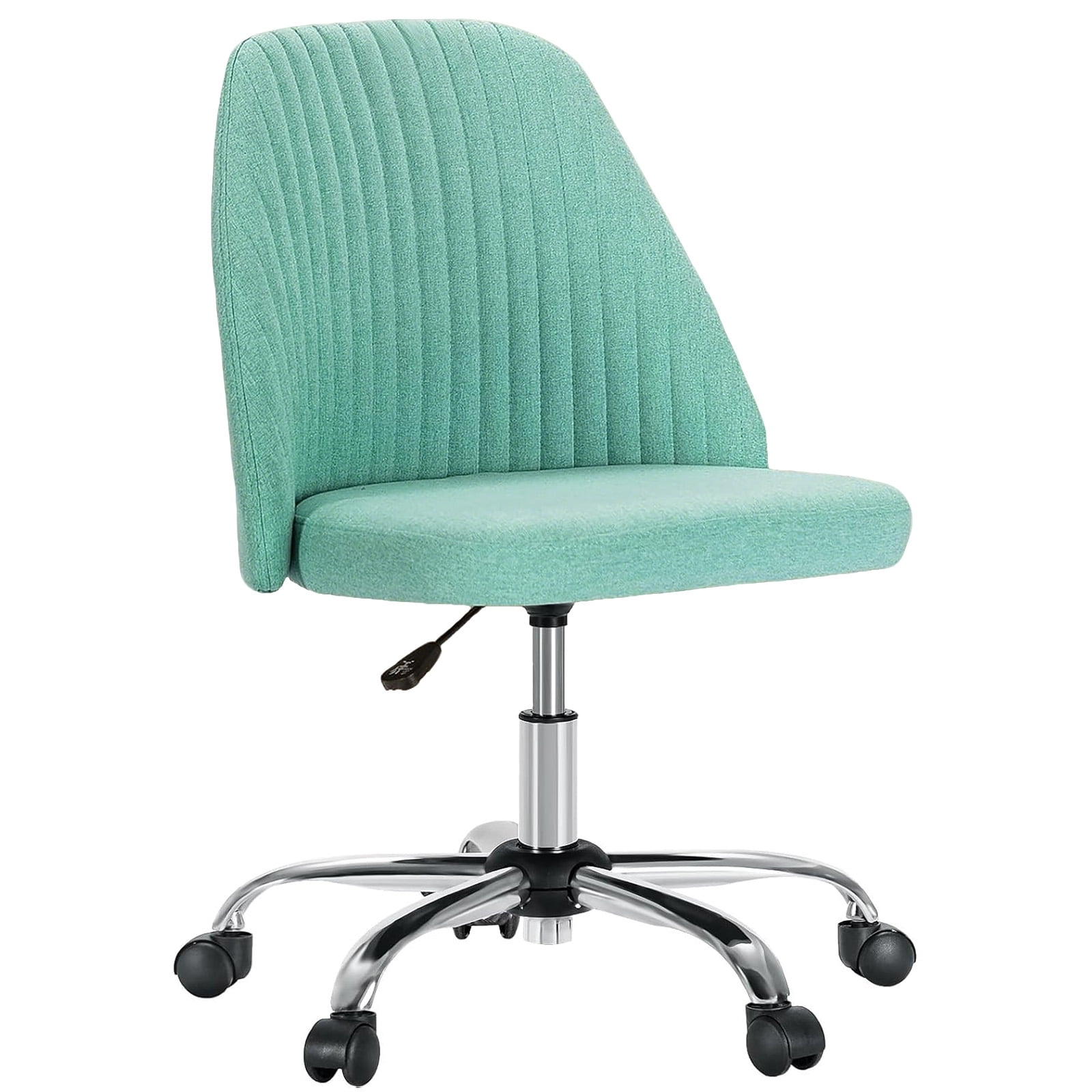
Why a Compact Home Office Chair is a Game-Changer for Small Workstations
Working from home has become the new normal, but many home offices struggle with limited square footage. A bulky executive chair can overwhelm a small room, making the space feel cluttered and restricting movement. This is where the compact home office chair steps in — a purpose-built solution that blends minimal footprint with maximum ergonomic benefit.
Smart Fact: According to a 2024 interior design survey, 68% of home office users stated that a space-saving chair helped them organize their room better and boosted productivity by reducing physical clutter. A compact design allows more room for filing cabinets, standing desk transitions, or even a small yoga corner.
Key Characteristics of a True Compact Home Office Chair
Not every small chair qualifies as truly compact and ergonomic. Here are the hallmarks of a premium space-efficient seating solution:
- Slim Seat Width: Typically between 18 and 20 inches — narrow enough to slide under most desks but wide enough for comfortable sitting.
- Armless or Flip-Up Arms: Many compact chairs come with retractable or no armrests to save up to 6 inches of lateral space.
- Contoured Backrest: Designed to support the spine without a bulky high-back structure, often featuring built-in lumbar curves.
- Lightweight Construction: Easy to move, rearrange, or tuck away when not in use — ideal for multi-purpose rooms.
- Height-Adjustable Pneumatics: Ensures compatibility with different desk heights while maintaining a streamlined look.
Ergonomics in a Small Package: Don't Be Fooled by Size
One common misconception is that compact chairs lack the ergonomic sophistication of their full-sized counterparts. In reality, leading manufacturers have invested heavily in miniaturized ergonomic technology. Here’s what to look for:
Adjustable Lumbar Support
Even compact chairs now include small yet powerful lumbar mechanisms. Some use a sliding pad, while others integrate a subtle air-bladder system. Proper lumbar support prevents slouching and reduces lower back strain during long work sessions.
Short Seat Depth Option
For petite users or tight spaces, compact chairs often have a seat depth of 15 to 17 inches. This allows your back to rest against the backrest while maintaining a fist-sized gap behind the knees, improving circulation and comfort.
Space-Saving Mesh Backs
Mesh-backed compact chairs offer superior airflow while keeping the profile slim. The material doesn't add bulk and maintains its shape over time, making it perfect for humid environments or warmer climates.
How to Choose the Right Compact Home Office Chair for Your Needs
Selecting the ideal compact chair involves more than just measuring the available floor area. Consider these criteria to match your daily habits:
- Measure First: Use a tape measure to determine the width of your desk opening and the depth under the desk. Write down the max width (typically 22–24 inches is safe).
- Assess Arm Style: If your desk has a keyboard tray or is narrow, go for an armless design or chairs with 180-degree swivel arms that can be lifted out of the way.
- Weight Capacity: Compact doesn't mean fragile. Ensure the chair has a Class 3 or 4 gas lift and a sturdy base rated for your body type. Quality compact chairs support up to 275–300 lbs.
- Wheel Type: For hardwood floors, choose soft rubber casters (often labeled "hard floor casters") to prevent scratches and allow smooth gliding in tight spaces.
- Material Durability: If you work from home full-time, opt for commercial-grade fabric or bonded leather that can withstand daily use without showing wear.
Expert Insight: Interior designers often recommend a compact home office chair with a waterfall seat edge — the front of the seat curves downward to reduce pressure on the thighs. This feature is especially valuable when you sit for extended periods because it improves blood flow and minimizes leg fatigue.
Materials and Aesthetics: Blending Style with Function
Compact chairs are available in a wide range of materials to match your home decor. Below is a quick overview of popular options:
| Material | Best For | Space Efficiency Perks | Longevity |
|---|---|---|---|
| Breathable Mesh | Hot climates / minimalist offices | Ultra-thin backrest, lightweight | 5-8 years (resists sagging) |
| Bonded Leather | Modern professional aesthetics | Smooth finish, easy to clean, compact frame | 3-6 years (requires conditioning) |
| Fabric (Polyester Blend) | Warm, cozy home offices | Soft texture, available in light colors to visually expand space | 4-7 years (stain-resistant treatments available) |
| Eco-Leather / PU | Budget-friendly & vegan | Flexible material allows slim arm designs | 3-5 years (peeling possible with heavy use) |
Pro tip: If your compact home office chair is placed in a room with light-colored walls, choosing a lighter upholstery (like grey, beige, or white) can make the space feel larger and more open.
Setting Up Your Compact Home Office Chair for Optimal Health
Even the best compact chair needs proper adjustment to deliver its full ergonomic potential. Follow this quick setup guide:
- Foot Placement: Adjust the seat height so your feet rest flat on the floor, with thighs parallel to the ground. For shorter users, a small footrest may be beneficial.
- Backrest Angle: Most compact chairs have a slight recline or locking mechanism. Set the angle between 100–110 degrees to maintain natural spinal curvature.
- Armrest Alignment (if present): The armrests should allow your shoulders to relax and elbows to form a 90-degree angle when typing. For armless chairs, ensure the desk surface is at elbow height.
- Monitor Distance: A compact chair often allows you to sit closer to the desk. Position the monitor at arm's length, with the top of the screen at or slightly below eye level.