
Why Tall Individuals Need Specialized Office Seating
If you stand above 6 feet 2 inches, you've likely experienced the frustration of a standard office chair. The seat feels too short, the backrest ends mid-scapula, and the lumbar curve seems designed for someone much smaller. This isn't a minor inconvenience — it directly affects your spinal alignment, productivity, and long-term musculoskeletal health. A dedicated home office chair for tall person solves these issues by engineering dimensions that match longer limbs and torsos.
Ergonomics Research Insight: Studies indicate that 78% of tall professionals experience chronic lower back or neck pain due to improper chair sizing. A chair with adjustable seat depth (min 19-22 inches) and a high backrest reduces spinal loading by up to 35% during prolonged sitting sessions.
Critical Measurements for Tall Users
Before purchasing, understand the key dimensions that differentiate a standard chair from a tall-friendly model. Think of your chair like a tailored suit — precise measurements ensure perfect fit.
- Seat Height Range: Look for a pneumatic lift that reaches at least 20-22 inches at its maximum. Standard chairs often stop at 19 inches, causing tall users to sit with knees higher than hips — a posture that strains the lower back.
- Seat Depth: A minimum of 19 inches is required; premium models offer 20 to 22 inches. This ensures that 2-3 finger widths remain between the back of your knees and the seat edge, promoting healthy circulation.
- Backrest Height: Aim for a backrest of 28 to 32 inches from the seat pan. This supports the full thoracic spine and allows the shoulder blades to rest against the chair.
- Armrest Adjustability: 4D armrests (height, width, depth, and pivot) are non-negotiable. Tall users often have broader shoulders; adjustable armrests help maintain a relaxed shoulder position.
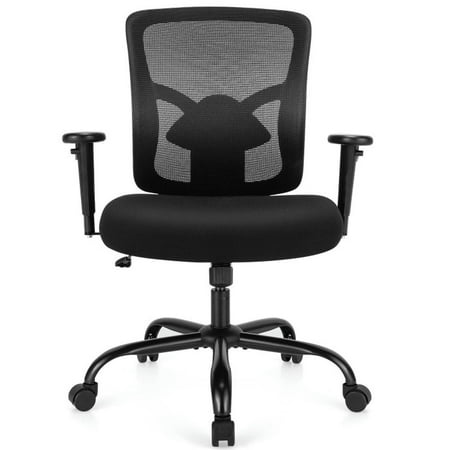
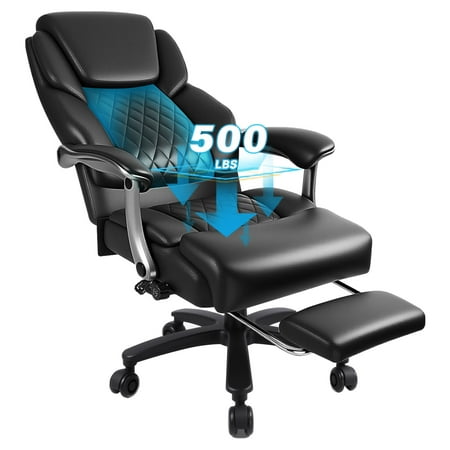
- Weight Capacity: Always choose a chair rated for at least 300 lbs, preferably 350-400 lbs for big and tall variants. This indicates heavy-duty construction.
Top Ergonomic Features for Tall Professionals
A home office chair for a tall person isn't just about size — it's about smart ergonomics that adapt to your unique frame. Let's break down the non-negotiable features.
✔ Adjustable Lumbar Support
Not just static padding, but height and depth adjustable lumbar support. This allows you to position the curve exactly where your lower back needs it — crucial for taller individuals where the natural lumbar arch is higher off the seat.
✔ High-Performance Gas Lift
Class 4 gas lifts are the industry standard for tall chairs. They provide smooth height adjustment and sustain higher loads without sinking, maintaining your optimal eye level with the monitor.
✔ Extended Headrest
A 2D or 3D adjustable headrest that reaches above the shoulders supports the cervical spine during reclined work or breaks. This reduces neck strain from forward head posture, a common issue for tall users.
✔ Wide Seat Cushion
Look for seat widths exceeding 20 inches. A wider seat prevents pressure on the hips and allows for comfortable posture changes throughout the day without feeling confined.
Materials That Enhance Durability & Comfort
Material choice affects not only aesthetics but also longevity and comfort, especially for taller individuals who exert more pressure on the chair over time.
| Material Type | Best For Tall Users Because | Durability Rating |
|---|---|---|
| Breathable Mesh | Conforms to longer torsos, stays cool, and resists sagging. Ideal for hot climates and extended sitting. | High (7-10 years) |
| Premium Leather (Top-grain) | Provides firm support and adapts to body shape. Requires less padding because of natural resilience. | Very High (10+ years) |
| High-Density Foam Fabric | Offers plushness while retaining shape. Look for foam with 4-5 lb density for tall users. | Medium-High (5-8 years) |
| Combination (Mesh Back / Fabric Seat) | Best of both: breathable back for ventilation, supportive seat base for lower body comfort. | High (7-10 years) |
Step-by-Step Guide to Selecting Your Ideal Chair
Using a tape measure, record your seated height (from floor to top of shoulder), thigh length, and hip width. Match these to chair specifications. Ensure your desk height allows for proper arm position when the chair is at its maximum lift.
Avoid chairs with fixed armrests or non-adjustable lumbar. Tall individuals require dynamic adjustability — the more points of adjustment (seat angle, tilt tension, armrest pivot), the better the chair can be fine-tuned.
Look for chairs that clearly state a minimum 300 lb capacity and offer at least a 5-year warranty on parts. Extended warranties (10-12 years) often reflect higher quality construction.
A synchronized tilt mechanism that allows the seat and back to move in a natural ratio reduces pressure points. For tall users, a tilt lock with multiple angles is essential to shift weight throughout the day.
Filter reviews by height. Real-world feedback from users 6'2"+ provides insight into whether the seat depth and back height genuinely accommodate longer frames.
Common Pitfalls to Avoid When Buying a Tall Chair
- Ignoring the Seat Depth: A chair that looks tall may still have a shallow seat. Shallow seats cause the thighs to bear excess weight, leading to numbness and fatigue.
- Overlooking Headrest Position: Some headrests are fixed and designed for average heights. Ensure the headrest can be adjusted up by at least 4-5 inches from standard.
- Buying Based on Looks Alone: A sleek design may compromise on ergonomic dimensions. Prioritize function first, then match aesthetics.
- Forgetting About Caster Quality: Taller individuals exert more lateral force when moving. Opt for heavy-duty casters (rated for carpets or hard floors) to ensure smooth mobility and floor protection.
Final Thought: Your home office chair is a long-term investment in your health. For tall professionals, the right chair pays dividends through fewer back problems, sharper focus, and a workspace that truly fits you. Don’t settle for chairs that leave you slouching — choose a model designed around your stature.
Frequently Asked Questions About Home Office Chairs for Tall Persons
Conclusion: Elevate Your Comfort & Productivity
Choosing the right home office chair for tall person is about more than just avoiding discomfort — it's about optimizing your work performance and safeguarding your physical well-being. The market offers excellent options that combine high-density foam, adjustable lumbar, and robust pneumatic systems tailored for taller statures.
Remember, a chair that fits correctly reduces fatigue, improves concentration, and supports your body during long meetings and deep-focus sessions. Whether you prefer the modern breathability of mesh or the executive presence of leather, ensure the dimensions align with your personal measurements. Use the guide above to compare features, and always prioritize adjustability and build quality over superficial design elements.
Recommendation Summary
Prioritize chairs with extra-wide seat (21+ inches), 4D armrests, and a reinforced steel base. These provide the stability and room needed for a comfortable stance.
Select a model with waterfall seat edge, multi-angle tilt lock, and breathable back material. These features minimize pressure points and encourage micro-movements.
An adjustable headrest that supports the natural curve of your neck is essential. Pair this with a backrest that reaches above shoulder height for full spine alignment.