
Why "Small" Doesn't Have to Mean "Uncomfortable"
When you hear the words "small office chair," it's easy to imagine a flimsy, hard, and unforgiving seat—the kind you find in a budget-friendly dorm room. But for the modern professional working from a home office, an apartment, or a shared space, a compact footprint is a necessity, not a compromise. The truth is, the market for compact seating has evolved dramatically.
Expert Insight: The rise of remote work has led to a surge in demand for furniture that fits smaller, multi-purpose spaces. A 2023 survey by the Home Office Association of America found that over 65% of home office workers prioritize a chair's physical footprint without sacrificing ergonomic features. The most comfortable small office chair is now a coveted piece of furniture that blends space-saving design with advanced ergonomics.
This guide is dedicated to helping you navigate the world of compact seating. We'll explore the key features that transform a petite chair from a simple seat into a cornerstone of your productivity and well-being. Whether you're a petite individual who finds standard chairs too large, or a professional working in a tight corner, you can achieve superior comfort without sacrificing valuable floor space.
The Anatomy of Compact Comfort
What exactly makes a small office chair comfortable for a full day of work? It's a delicate balance of intelligent engineering and quality materials. Here are the non-negotiable features to look for:
- Proportional Ergonomics: A comfortable chair must fit *your* body. Many small chairs are designed with a narrower backrest and a shorter seat depth, which is perfect for petite users. The goal is to ensure your back rests against the lumbar support and your feet are flat on the floor.
- High-Density Foam Cushioning: Don't be fooled by a smaller seat. The quality of the foam is paramount. Look for high-density, cold-cured foam that provides firm support and resists sagging over time, preventing the dreaded "bottoming out" feeling.
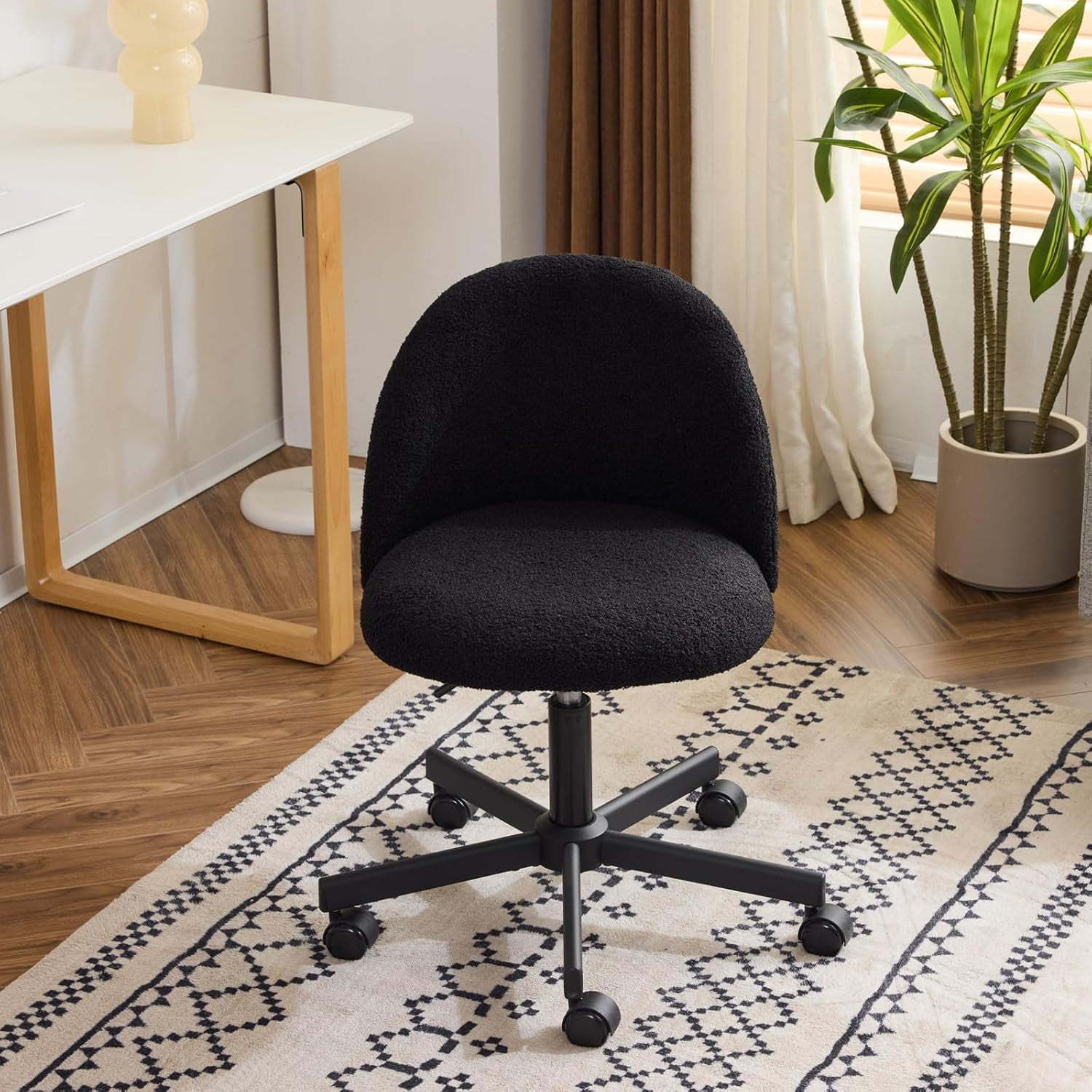
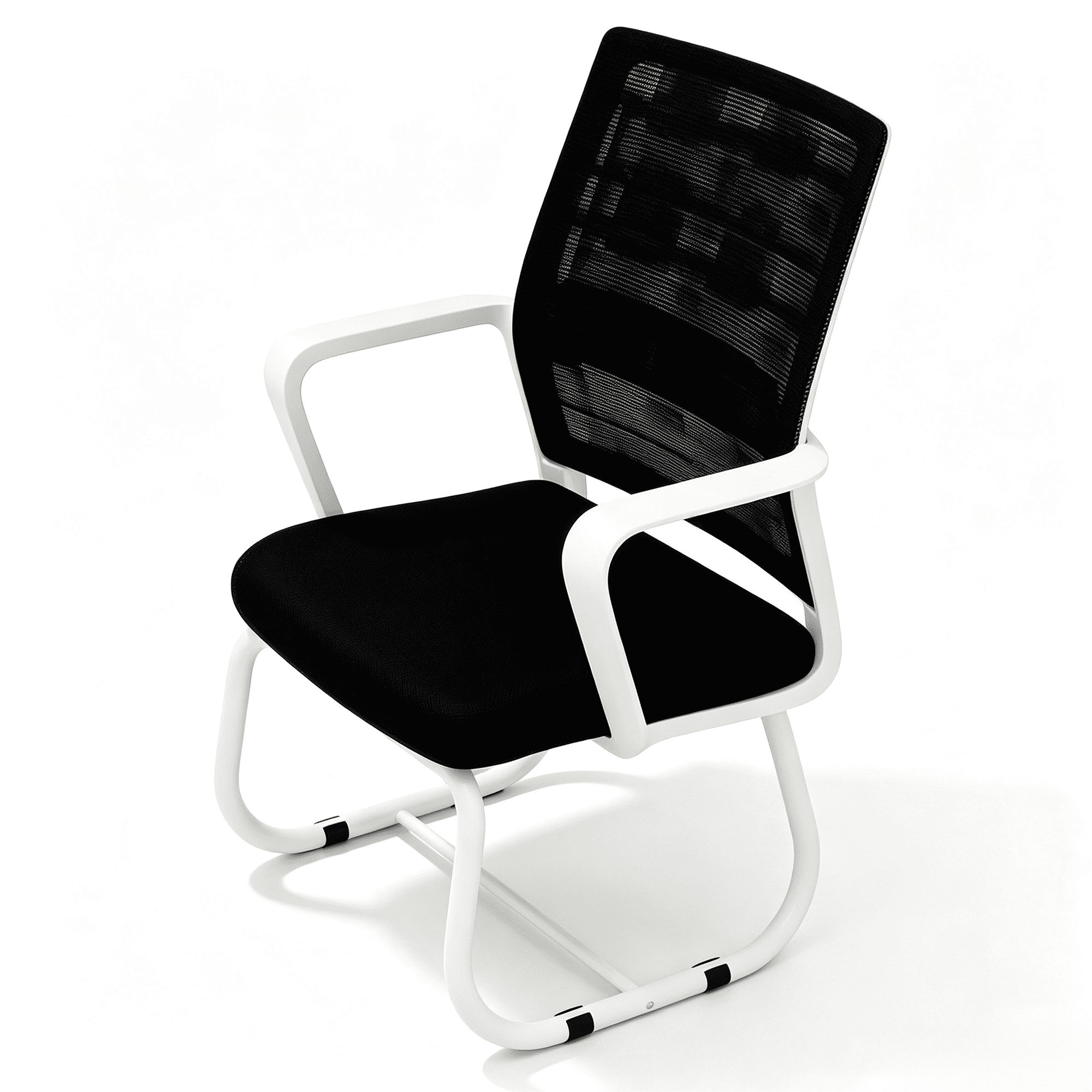
- Breathable Materials: Comfort isn't just about softness; it's about temperature regulation. A small space can get stuffy quickly. Mesh back chairs are excellent for airflow, while high-quality performance fabrics offer a balance of breathability and a premium feel.
- Smart Adjustability: Even in a compact frame, adjustability is key. At a minimum, look for seat height adjustment and adjustable tilt tension. The most comfortable models will offer armrests that can flip up to push the chair under the desk, saving even more space when not in use.
- Sturdy Base & Casters: A wobbly chair is the enemy of comfort. Ensure the chair has a stable five-point base and high-quality casters that roll smoothly on your flooring type, whether it's carpet or hardwood.
Overcoming Common Challenges with Small Office Chairs
Finding the perfect fit often involves solving specific problems. Here's how to address common challenges when seeking out the most comfortable small office chair for your unique situation.
The "Too Big" Problem
For shorter or petite individuals, standard chairs can feel like a throne, with the seat cutting into the back of the knees and the armrests sitting too high. A small chair with a seat depth of 17-18 inches and narrower width provides a more natural, grounded, and comfortable sitting position.
Space Maximization
A small office chair with a slim profile and armless or flip-up arms can transform a cramped corner into a functional workstation. It allows for easier movement around the desk and can even be tucked completely away when not in use.
Workflow & Multi-Tasking
A chair that fits your space allows for better posture, which directly impacts your ability to focus. When your chair fits, you're less likely to slouch, leading to less fatigue and more mental clarity for your daily tasks.
Aesthetic Harmony
A compact chair can look much more stylish and intentional in a smaller room than a bulky executive model. It allows your office space to feel open, organized, and professionally designed, rather than cluttered.
Material Matters for Compact Seating
The materials used in a small office chair are critical for its longevity and comfort. Since the chair is a smaller package, the quality of its components must be higher to withstand regular use. Here’s a quick guide to help you decide.
- Mesh: The ultimate choice for breathability. A mesh backrest conforms to your spine, providing excellent support without trapping heat. It's also very durable and easy to clean, making it a top choice for those who prioritize a cool, dry seating experience.
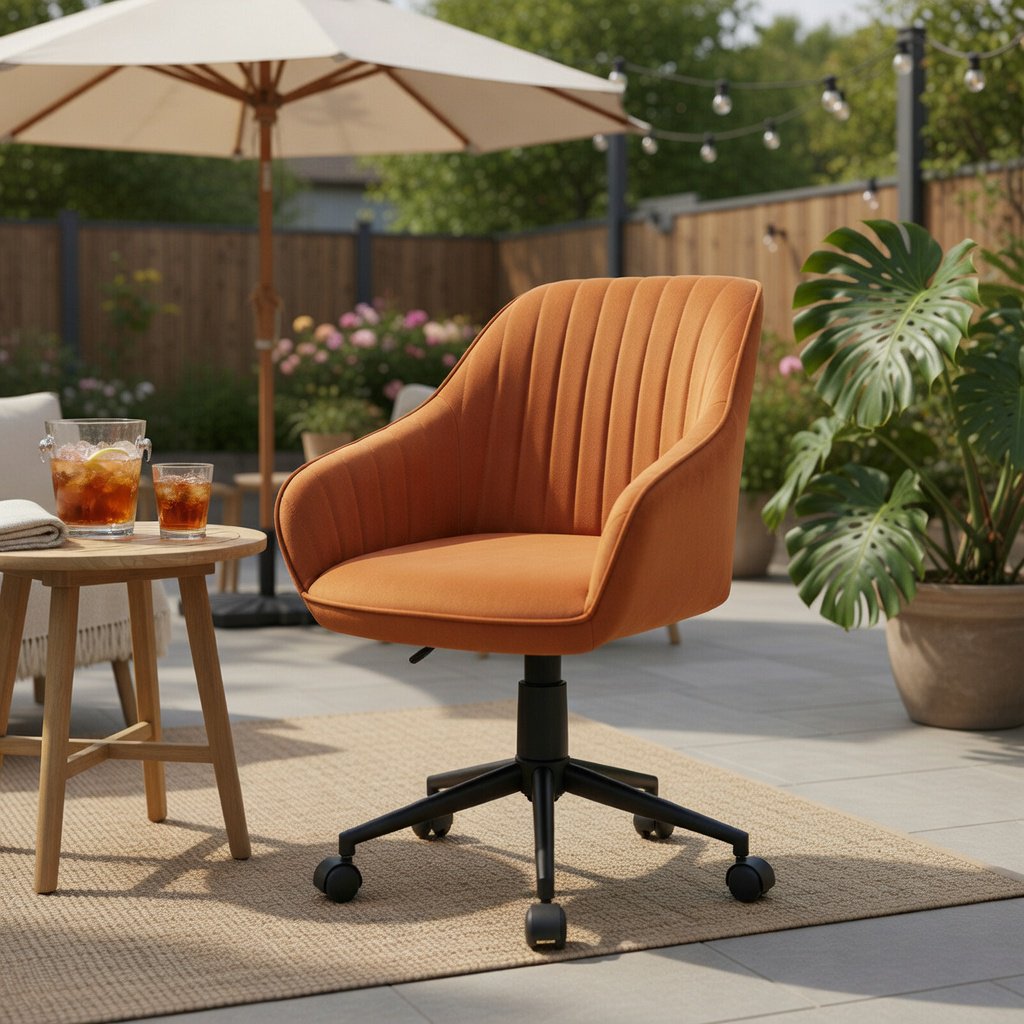
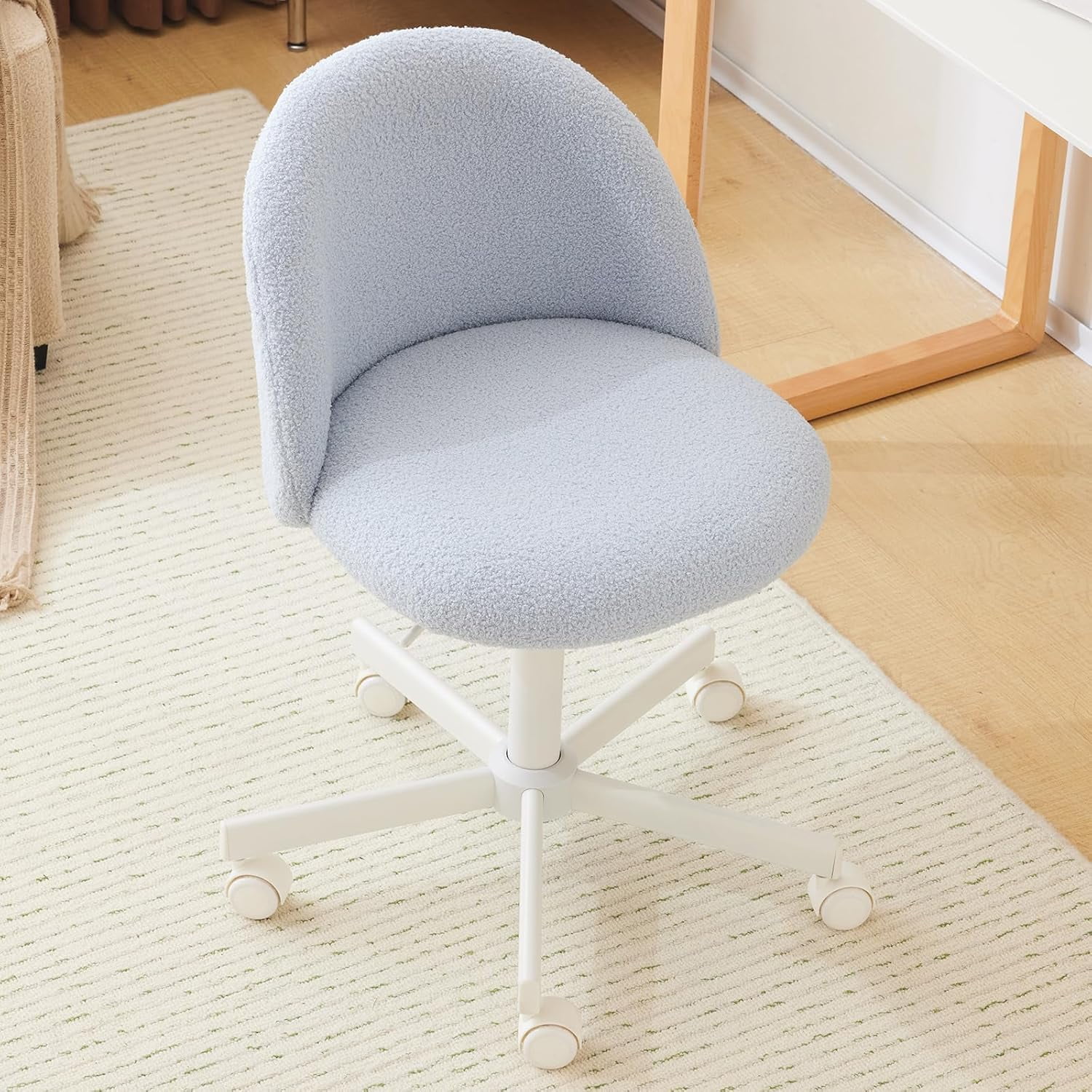
- Performance Fabric: This is a fantastic middle-ground. These fabrics are often stain-resistant, durable, and come in a wide range of colors and textures. They offer a cozy, warm feel, making them ideal for cooler climates or personal workspaces.
- Bonded Leather: While offering a classic, professional look, bonded leather can be less breathable and may peel over time in high-use chairs. If you desire leather, look for higher-quality top-grain leather, even in a compact chair, for long-term durability.
- High-Density Foam: No matter the outer material, the foam inside is what you feel. Ensure the chair's specifications mention "high-density" or "high-resiliency" foam. This ensures the cushion will maintain its shape and support for years.