
Why a Slim Comfortable Office Chair Is a Game-Changer for Your Workspace
In today’s dynamic work environment, home offices and compact workspaces are the new normal. A bulky executive chair might look prestigious, but it often swallows valuable floor space and restricts movement. Enter the slim comfortable office chair—a purpose-built seating solution that maximizes space efficiency without sacrificing ergonomic support or style.
Industry Insight: According to recent workspace design studies, over 68% of remote workers now operate from spaces smaller than 100 square feet. A slim-profile chair reduces visual clutter, improves airflow, and allows for better desk maneuverability—directly boosting productivity by up to 25%.
Anatomy of a Slim Ergonomic Chair
Not all compact chairs are created equal. The best models blend minimalist dimensions with carefully engineered features:
- Narrow Seat Base (17–19 inches): Fits snugly under most desks and suits petite to average frames.
- Contoured Backrest: Provides targeted lumbar support while maintaining a low-profile silhouette.
- Adjustable Armrests (Flip-up or 2D): Allows you to tuck the chair completely under the desk when not in use.
- Breathable Mesh or Lightweight Upholstery: Prevents overheating and adds to the airy aesthetic.
- Compact Five-Star Base: Usually 23–25 inches in diameter, ensuring stability in tight quarters.
Key Differences: Slim vs. Standard Office Chairs
Understanding these distinctions helps you make an informed investment:
| Feature | Slim Comfortable Chair | Traditional Executive Chair |
|---|---|---|
| Seat Width | 17–19 inches | 20–23 inches |
| Backrest Height | 18–22 inches (mid-back or petite high-back) | 24–32 inches |
| Base Diameter | 23–25 inches | 27–30 inches |
| Weight Capacity | 250–300 lbs (robust for slim frame) | 300–400 lbs |
| Best For | Small desks, corner offices, multi-purpose rooms | Large corner suites, executive presence |
Health & Posture Benefits of a Slim Ergonomic Design
Better Hip Alignment
Narrower seat encourages neutral hip positioning, reducing strain on the sciatic nerve.
Active Sitting Encouragement
Compact chairs often promote micro-movements, keeping your core engaged.
Reduced Shoulder Tension
With flip-up arms, you can position closer to your desk, preventing forward head posture.
Improved Circulation
Waterfall seat edge design (common in slim ergonomic chairs) relieves thigh pressure.
Material Considerations for Compact Comfort
Selecting the right material ensures your slim chair stays comfortable and looks pristine over years of use.
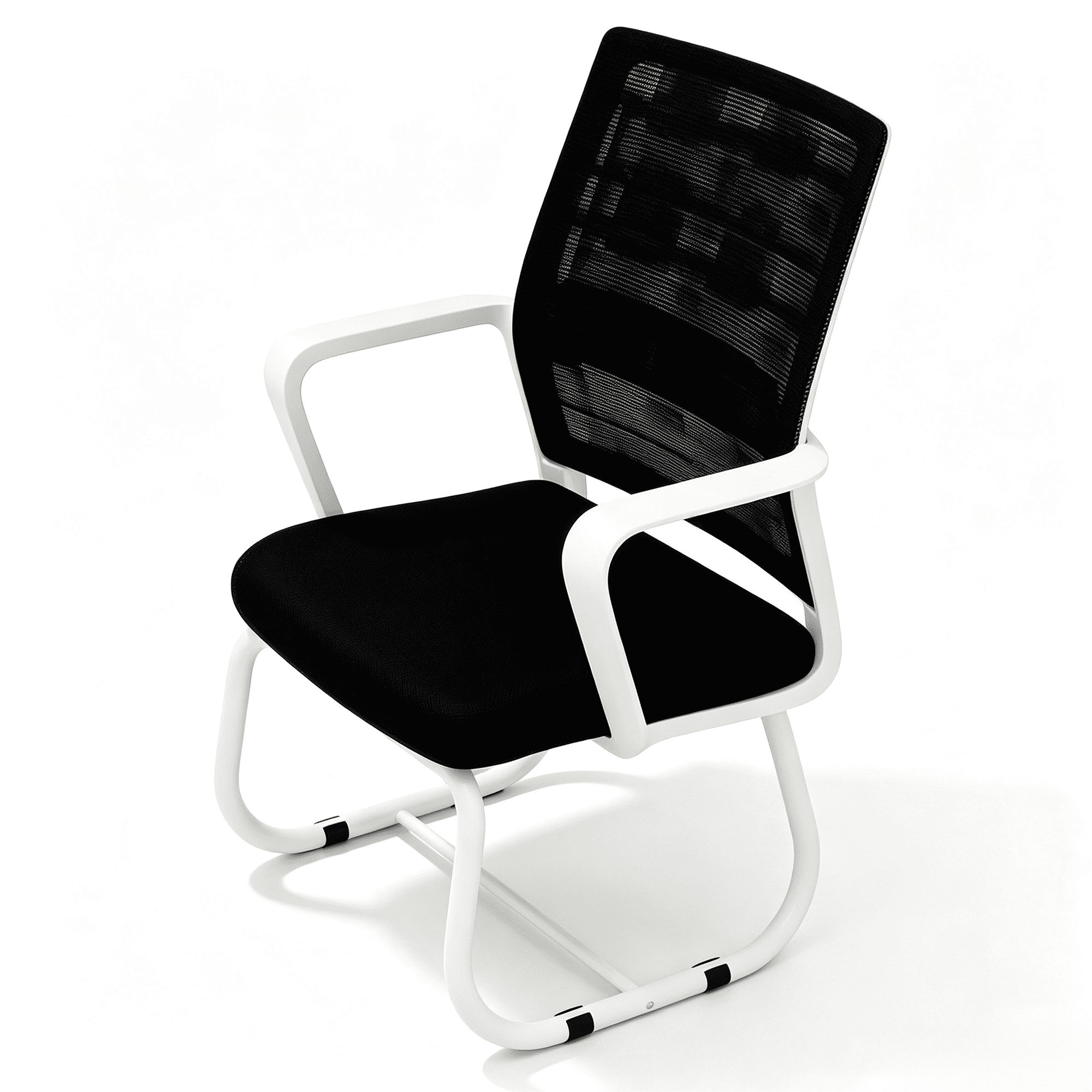
Mesh Back + Fabric Seat
✔ Excellent breathability — ideal for warmer climates.
✔ Contours to spine without bulk.
⚠️ May need extra cushion if seat foam is thin.
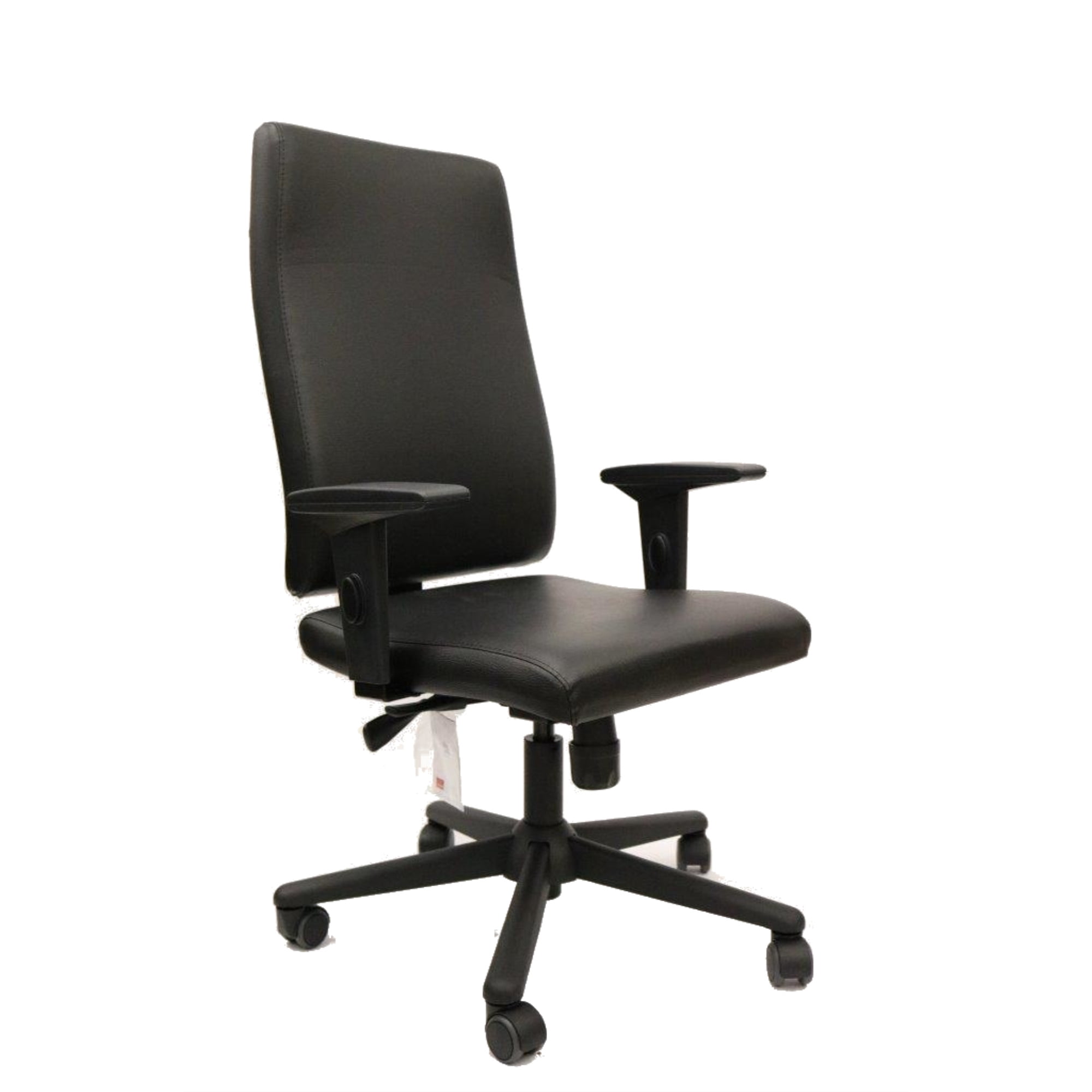
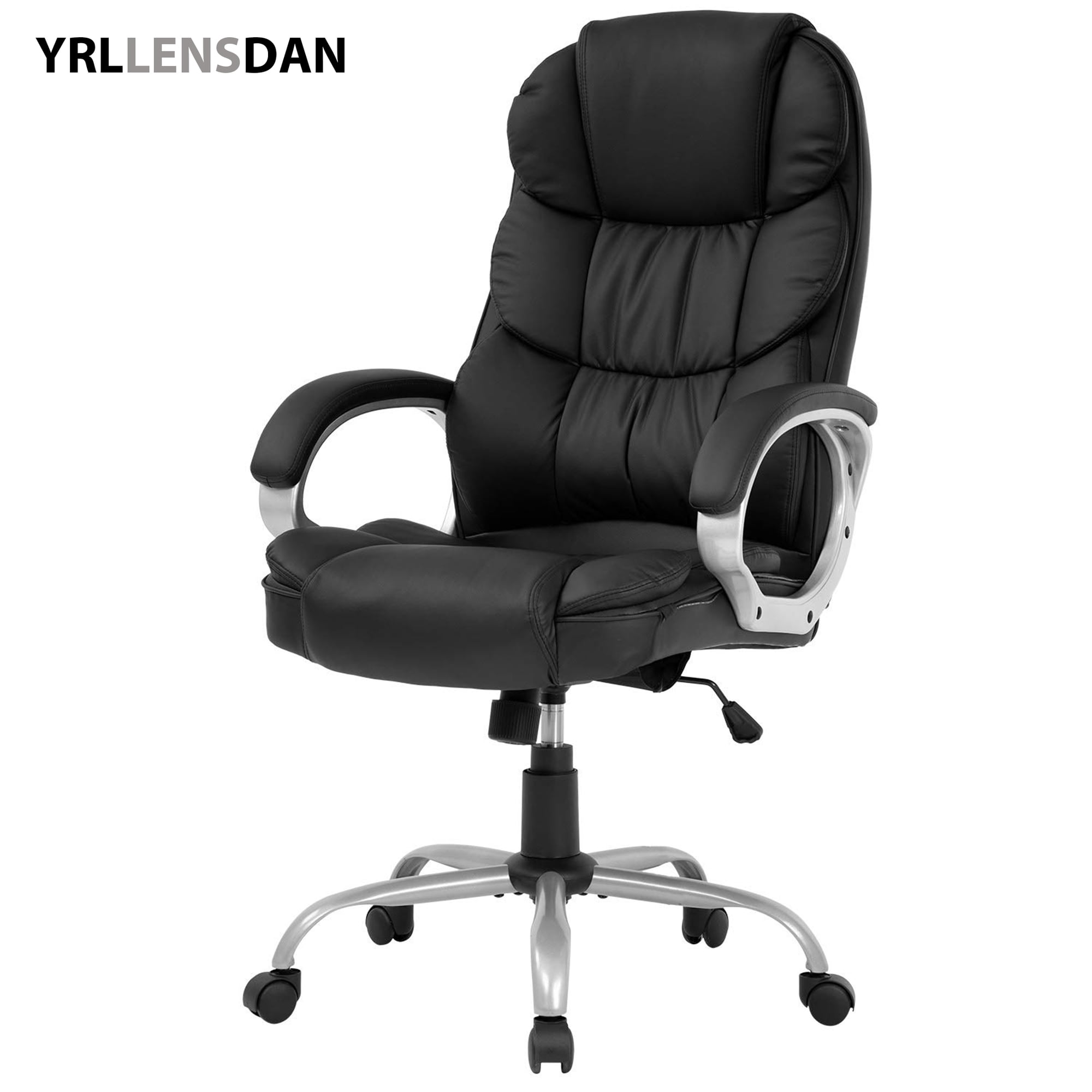
Leather / Faux Leather
✔ Sleek aesthetic, easy to wipe clean.
✔ Adds a premium look even in a compact form.
⚠️ Can retain heat; look for perforated options.
Velvet / Textile Blend
✔ Stylish and cozy, great for home offices.
✔ Offers softness without extra bulk.
⚠️ Requires occasional spot cleaning.
Step-by-Step Selection Guide: Find Your Ideal Slim Office Chair
Step 1: Measure Your Workspace
- Desk clearance height: Measure from floor to underside of desk. Aim for 4-5 inches of knee space.
- Desk width opening: Ensure chair base (approx 24") fits without hitting desk legs.
- Room traffic: A slim chair allows easier passage in narrow home office layouts.
Step 2: Evaluate Your Sitting Habits
- Cross-legged sitter? Choose a seat depth of at least 18 inches to allow flexibility.
- Long work sessions (>6 hrs): Prioritize adjustable lumbar support and multi-position tilt lock.
- Frequent movement: Opt for smooth-rolling casters (hard floor or carpet options).
Step 3: Match Adjustability to Your Body
- Seat height range: 16"–21" for standard desks; taller users may need high-lift cylinders.
- Armrest options: 2D (height+width) or flip-up arms offer best flexibility for slim setups.
- Tilt tension: Allows personalized recline resistance for dynamic comfort.
Common Myths About Slim Office Chairs – Debunked
Myth #1: “Narrow chairs are less durable.” — Actually, quality slim chairs use reinforced steel frames and heavy-duty gas lifts. Many support up to 300 lbs.
Myth #2: “They lack lumbar support.” — Premium slim ergonomic chairs now come with built-in adjustable lumbar mechanisms or included memory foam cushions.
Myth #3: “Only for petite users.” — While ideal for average builds, many slim chairs offer extra seat depth and tall back options to accommodate a variety of body types without widening the footprint.
According to a 2024 workplace ergonomics survey, employees using properly fitted slim comfortable office chairs reported 34% less lower back discomfort and 41% higher satisfaction with their home office layout compared to those using oversized second-hand chairs. The secret lies in the synergy between space optimization and tailored ergonomics.
Style Meets Function: Aesthetic Trends
Modern slim office chairs are no longer purely utilitarian. Designers focus on clean lines, muted tones (taupe, grey, sage green), and sculptural forms that complement contemporary interiors. Whether you prefer a Scandinavian minimalism vibe or a pop of color with velvet finishes, slim chairs allow you to express personality without overwhelming the room.