
Beyond Basic Seating: The Quest for a 'Nice' Ergonomic Chair
Finding a chair for your home office used to be a choice between a boring, functional task chair and a stylish piece that looked great but left your back aching by midday. Today, that compromise is over. The market for a nice ergonomic office chair has exploded, offering pieces that are as much a part of your room's aesthetic as they are a tool for your health. But with so many options, how do you find the one that's genuinely right for you? This guide will walk you through everything you need to know to make a choice you'll be happy with for years.
The '5-Year Test' Perspective: Think of your office chair like a quality mattress. You'll spend over 10,000 hours in it over the next five years. A $600 chair breaks down to about $0.06 per hour for comfort that can prevent thousands in future chiropractic bills. It's not an expense; it's a long-term investment in your most productive asset: you.
The Anatomy of a 'Nice' Ergonomic Office Chair
A chair earns the title 'nice' when it masters the balance between form and function. It's not enough to just have levers; they must work intuitively. It's not enough to look sleek; it must disappear under you, providing support without distraction. Let's dissect the key components that separate a truly great chair from a merely adequate one.
1. The Backrest: Your Spine's Best Friend
The backrest is the heart of any ergonomic chair. For a chair to be considered 'nice,' its backrest must do more than just exist—it must actively support your spine's natural S-curve.
- Dynamic Lumbar Support: Look for lumbar support that adjusts not just in and out, but also up and down. The best systems are 'dynamic,' meaning they move with you as you shift positions. Think of it as a supportive hand on your lower back that's always there, no matter how you lean.
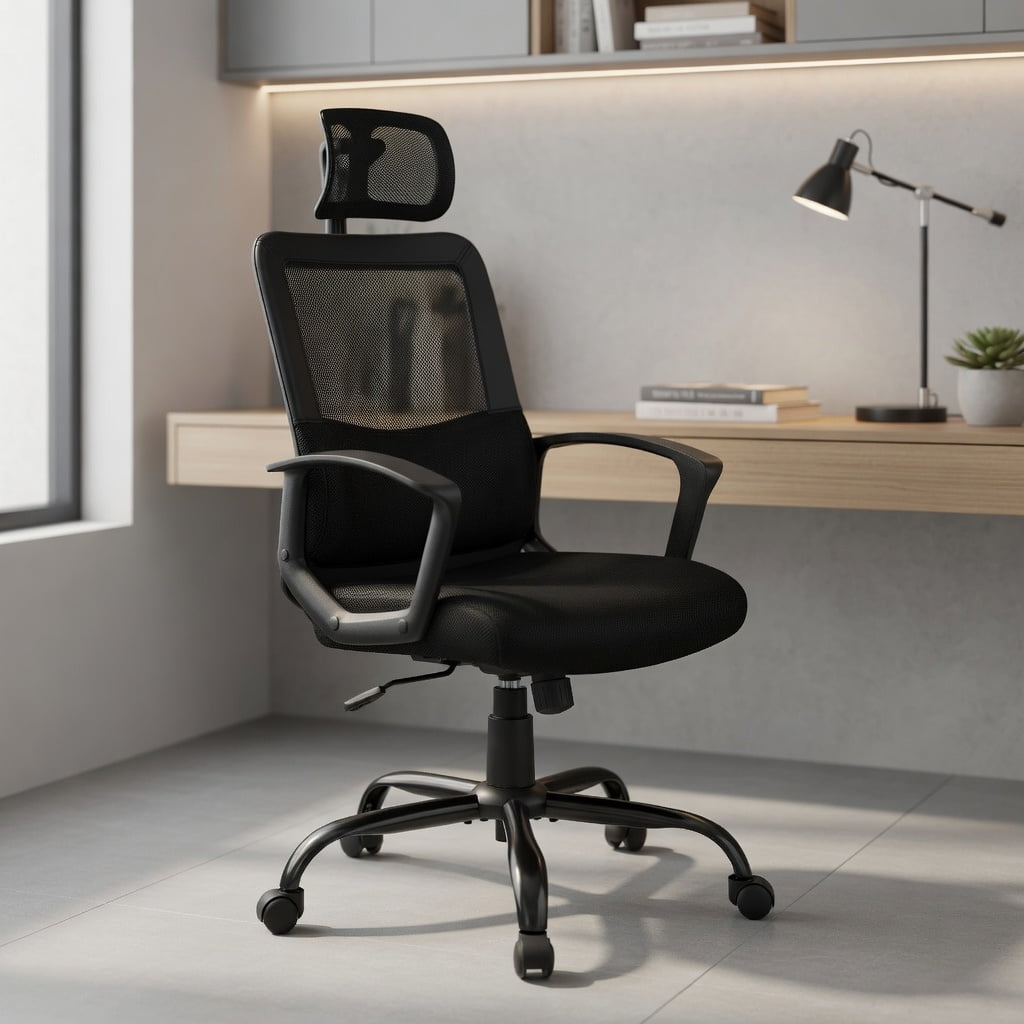
- Breathable Materials: A nice chair keeps you cool. High-quality mesh is the gold standard here. It provides firm, yet forgiving support while allowing air to circulate, preventing that sticky, uncomfortable feeling on long days. Some premium chairs combine a mesh back with a cushioned lumbar pad for added comfort.
- Synchronized Recline: This is a game-changer. A synchronized mechanism allows the backrest and seat to move in a healthy ratio (often 2:1 or 3:1). As you lean back, the seat tilts slightly forward, keeping your feet planted and preventing that "feet-up" feeling that cuts off circulation. It supports the natural movement of your hips and spine.
2. The Seat Pan: Foundation of Comfort
You might think any cushion will do, but the seat is where the science of ergonomics meets the reality of your anatomy.
- Seat Depth Adjustment: This is a non-negotiable feature for a truly nice chair. It allows you to slide the seat pan forward or backward. The goal is to have 2-3 finger widths of space between the back of your knee and the edge of the seat. This prevents pressure on the nerves and blood vessels in your legs, avoiding numbness and swelling.
- "Waterfall" Edge: Run your hand along the front of the seat. It should curve gently downward, not jut out straight. This "waterfall" design relieves pressure on your thighs and promotes better circulation.
- High-Density Foam: A nice chair uses foam that is firm enough to provide support for years but comfortable enough for all-day use. Look for high-density, cold-cured foam. It resists sagging and maintains its shape much longer than standard foam, ensuring your chair still feels new after years of use.
3. Armrests: The 4D Difference
Armrests are often an afterthought, but in a premium chair, they are precision tools. The term "4D" armrests is your key phrase. This means they adjust in four directions:
- Up and Down: To allow your shoulders to relax, not hunch.
- Left and Right (Width): To accommodate different shoulder widths and tasks.
- Forward and Backward: So you can get support exactly where your arms rest while typing.
- Pivot (Angle): Some high-end armrests also pivot to match the angle of your forearm, whether you're typing or holding a tablet.
When you find armrests that you can adjust to perfectly cup your elbows while you work, you've found a chair that truly understands ergonomics.
4. The Base and Casters: Stability and Movement
A nice chair feels solid. It doesn't wobble when you lean. This comes down to the base and wheels.
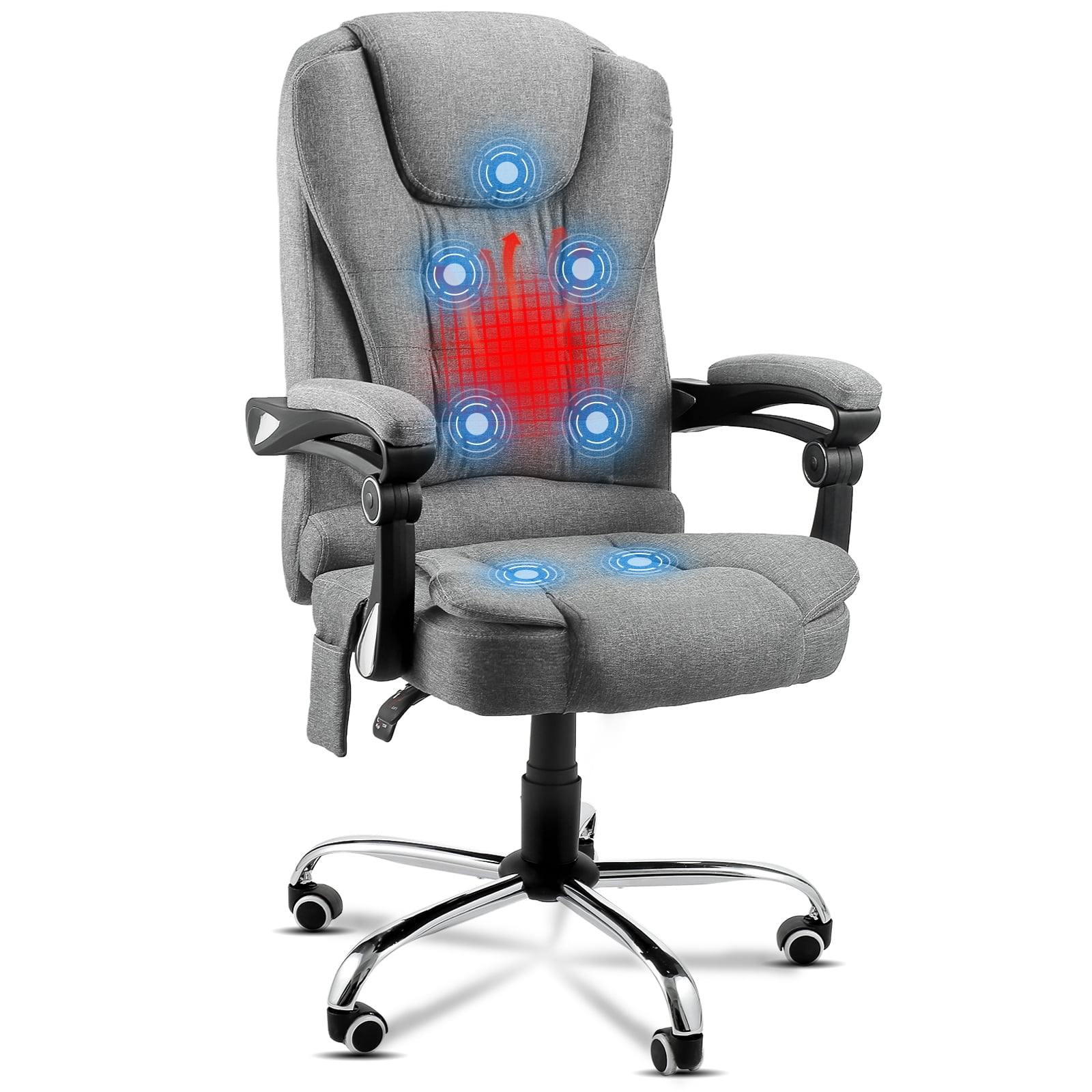
- Base Material: While plastic bases are common on budget chairs, a premium chair will feature a base made of aluminum or reinforced nylon. This provides a rock-solid foundation and often looks much more refined.
- Caster Quality: The right wheels make the chair a pleasure to move. Many nice chairs now offer dual-wheel casters, which roll more smoothly and distribute weight better. Some even offer specialized casters for different floor types (hardwood vs. carpet), showing a true attention to detail.
Improved Focus
A 2023 study suggested that physical discomfort is a top distraction for remote workers. A supportive chair removes that distraction.
Sustainable Style
Many modern 'nice' chairs use recycled materials and are 95% recyclable at end-of-life, making them a responsible choice.
Better Posture
Good ergonomics train your body to sit correctly. Over time, this muscle memory can improve your posture even when you're not in the chair.
Increased Energy
By reducing muscle fatigue and improving circulation, a proper chair can help you feel more energetic and alert at the end of the workday.
5. Aesthetics: The 'Nice' Factor
Finally, let's talk about looks. A nice ergonomic office chair should be a piece of furniture you're proud to have in your space.
- Clean Lines & Minimalism: The trend is away from bulky, overstuffed leather thrones and toward sleek, minimalist designs. Think Scandinavian-inspired forms with slim profiles.
- Material Palette: Look for thoughtful material combinations—like a polished aluminum frame with a textured fabric seat and a mesh back. These details elevate the chair from a tool to a design object.
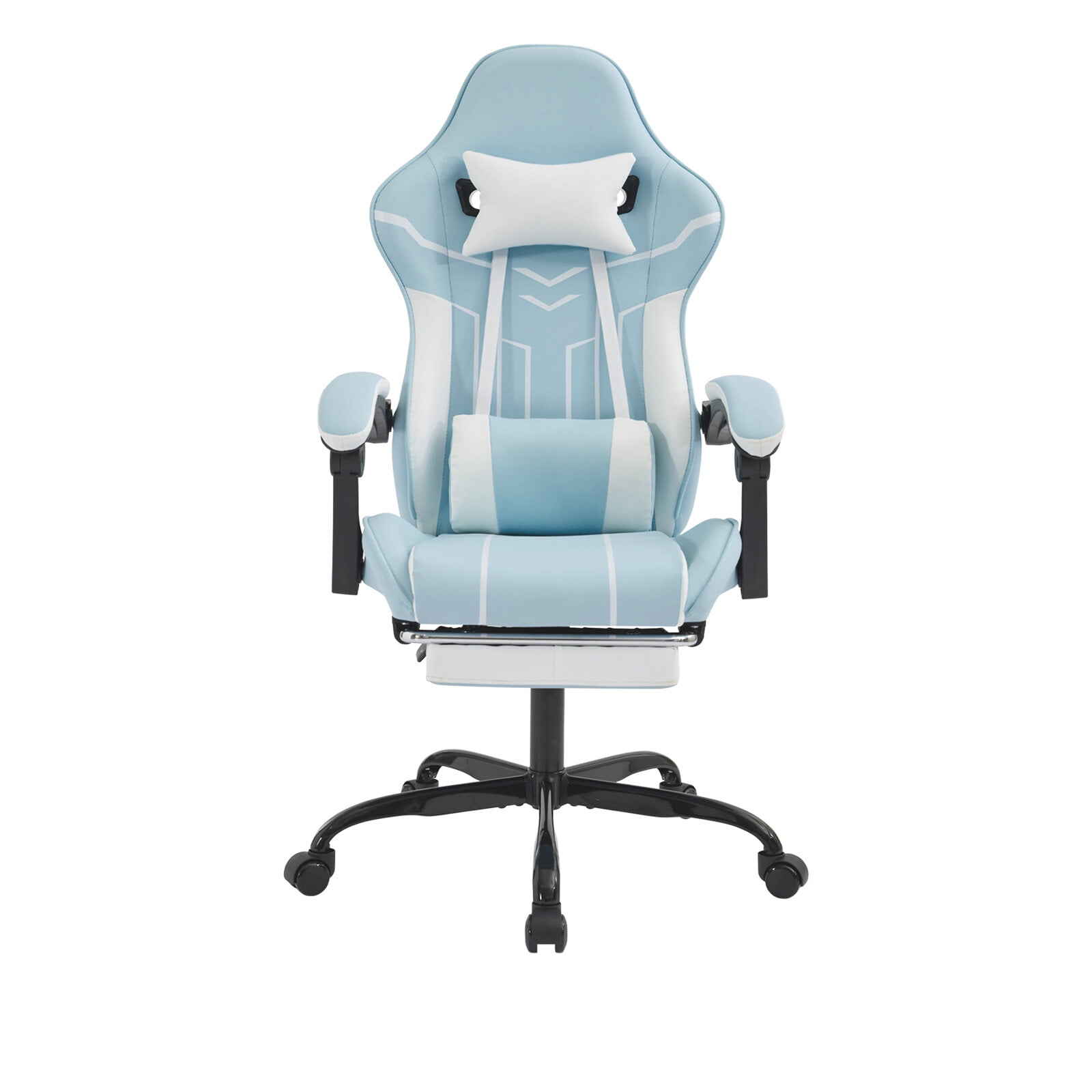
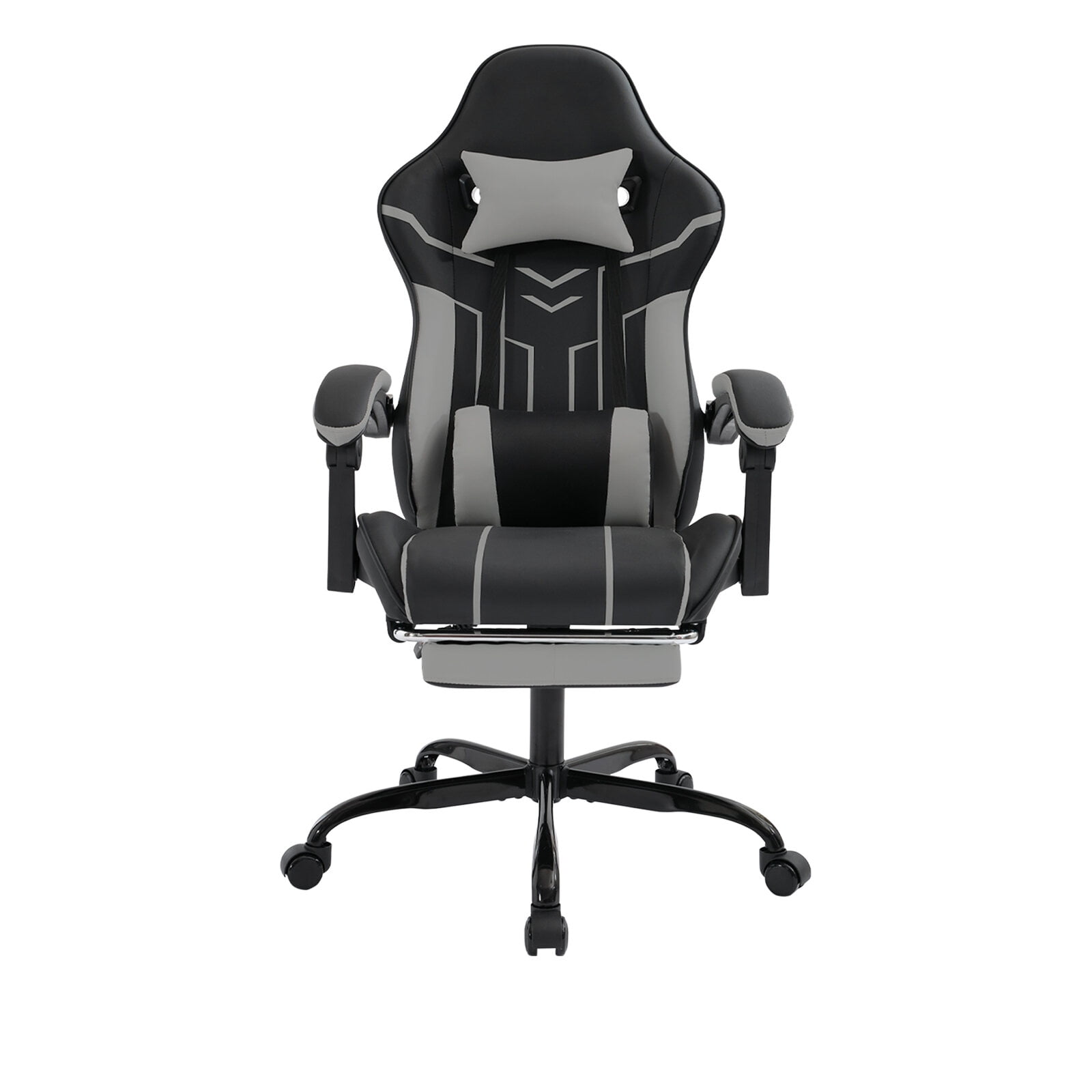
- Color Choices: While black is classic, a nice chair often comes in a range of colors to complement your decor—from warm greiges and cool blues to more vibrant options.
Frequently Asked Questions About Nice Ergonomic Office Chairs
Conclusion: Your Workspace Deserves Better
The search for a nice ergonomic office chair is ultimately a search for a better workday. It's about finding a tool that supports you physically, so you can focus entirely on your mental tasks. It's about choosing a piece of furniture that enhances your space, not just fills it.
Don't settle for a chair that merely looks the part or one that's purely functional but ugly. The market today is rich with options that prove you can have both. Use this guide to identify the features that matter—adjustable lumbar, seat depth, 4D armrests, quality materials—and find the chair that feels like it was made for you. Your back, your productivity, and your home office aesthetic will all thank you.