
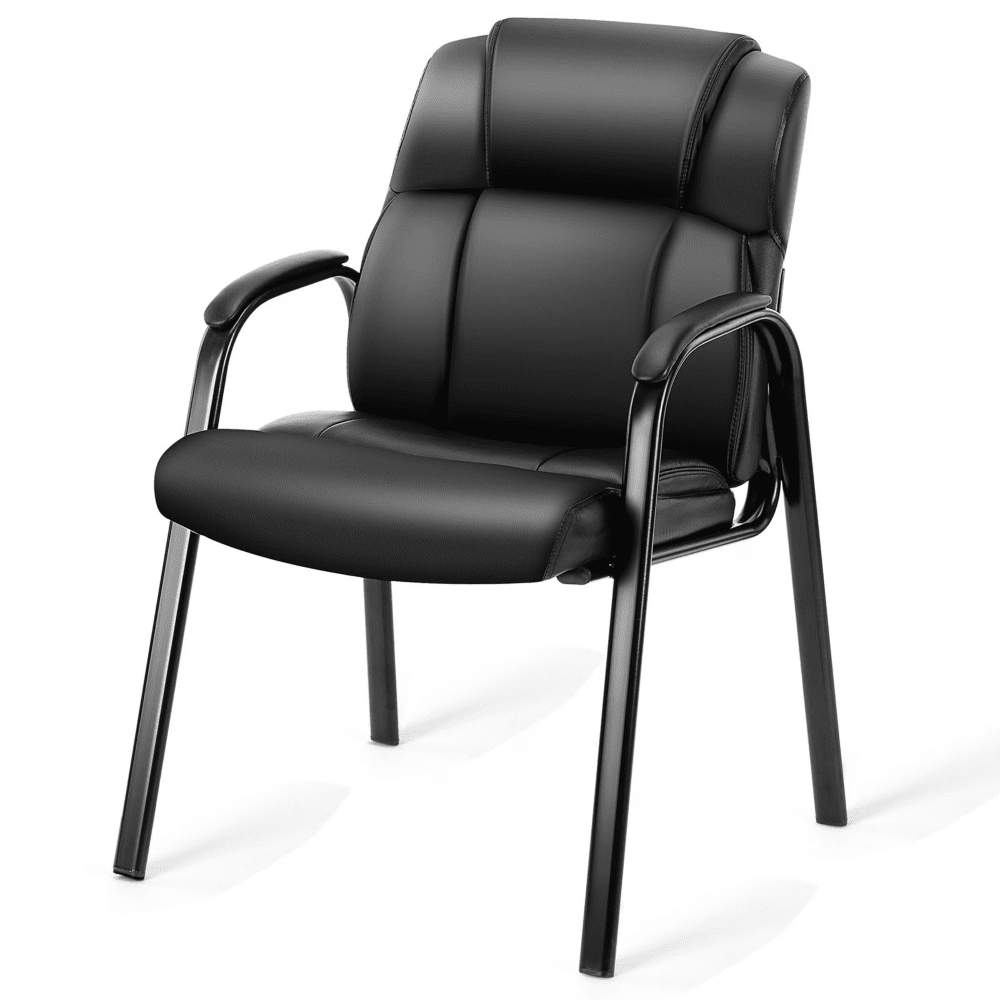
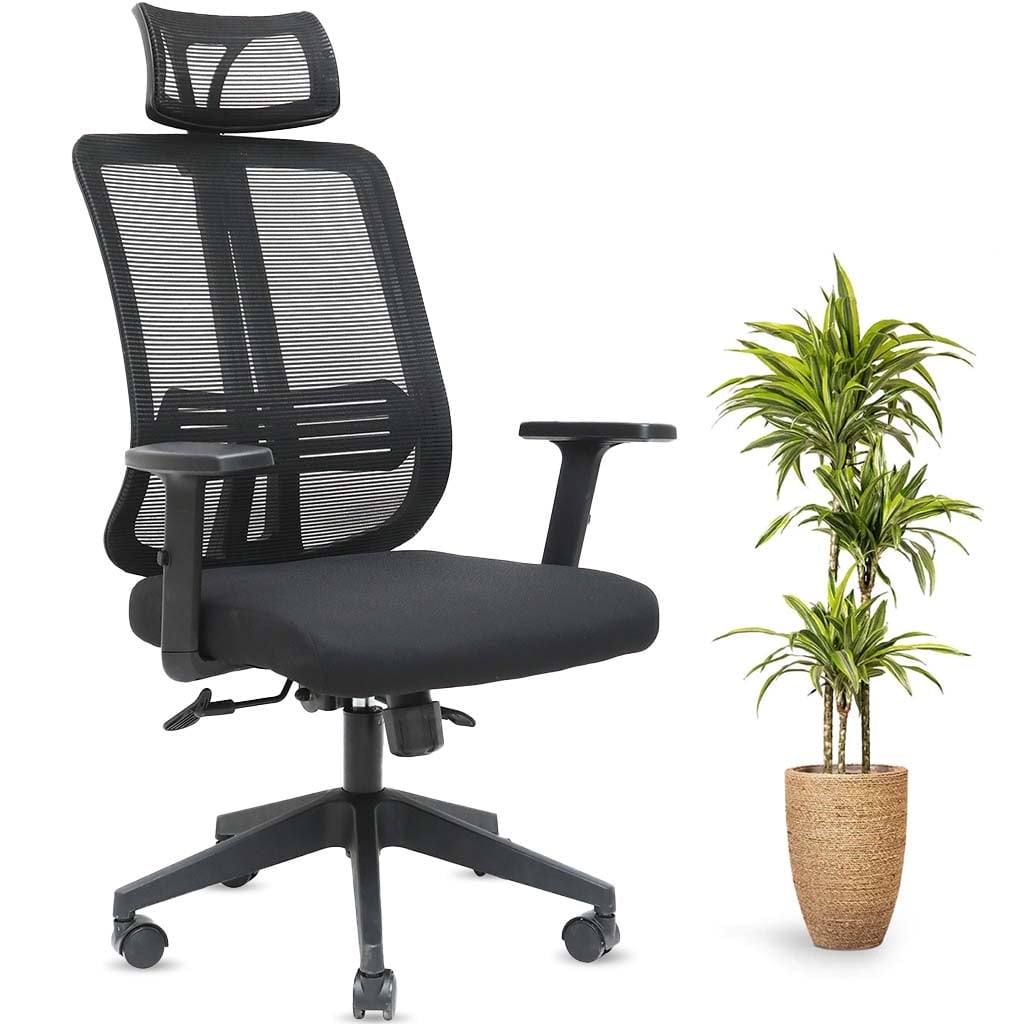
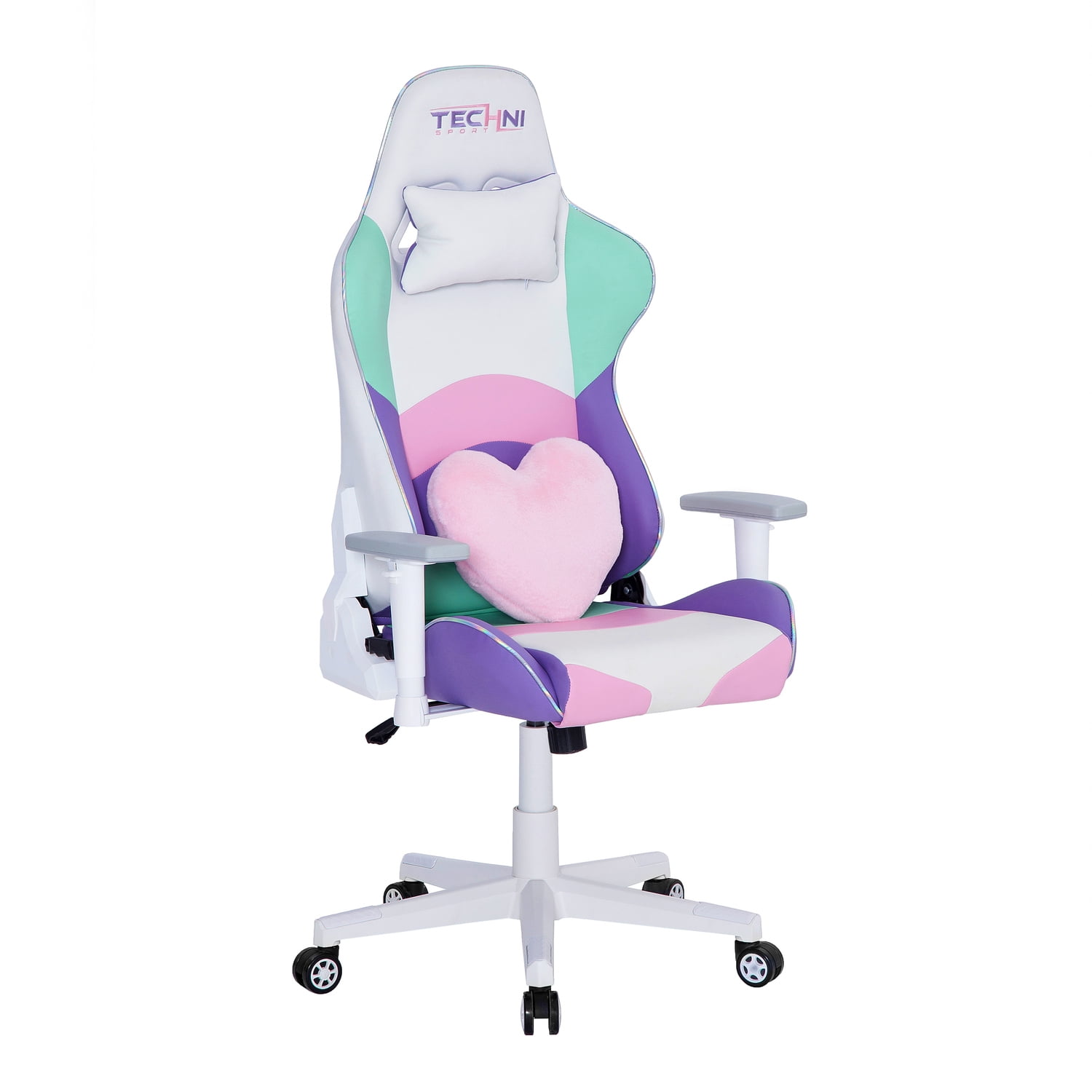
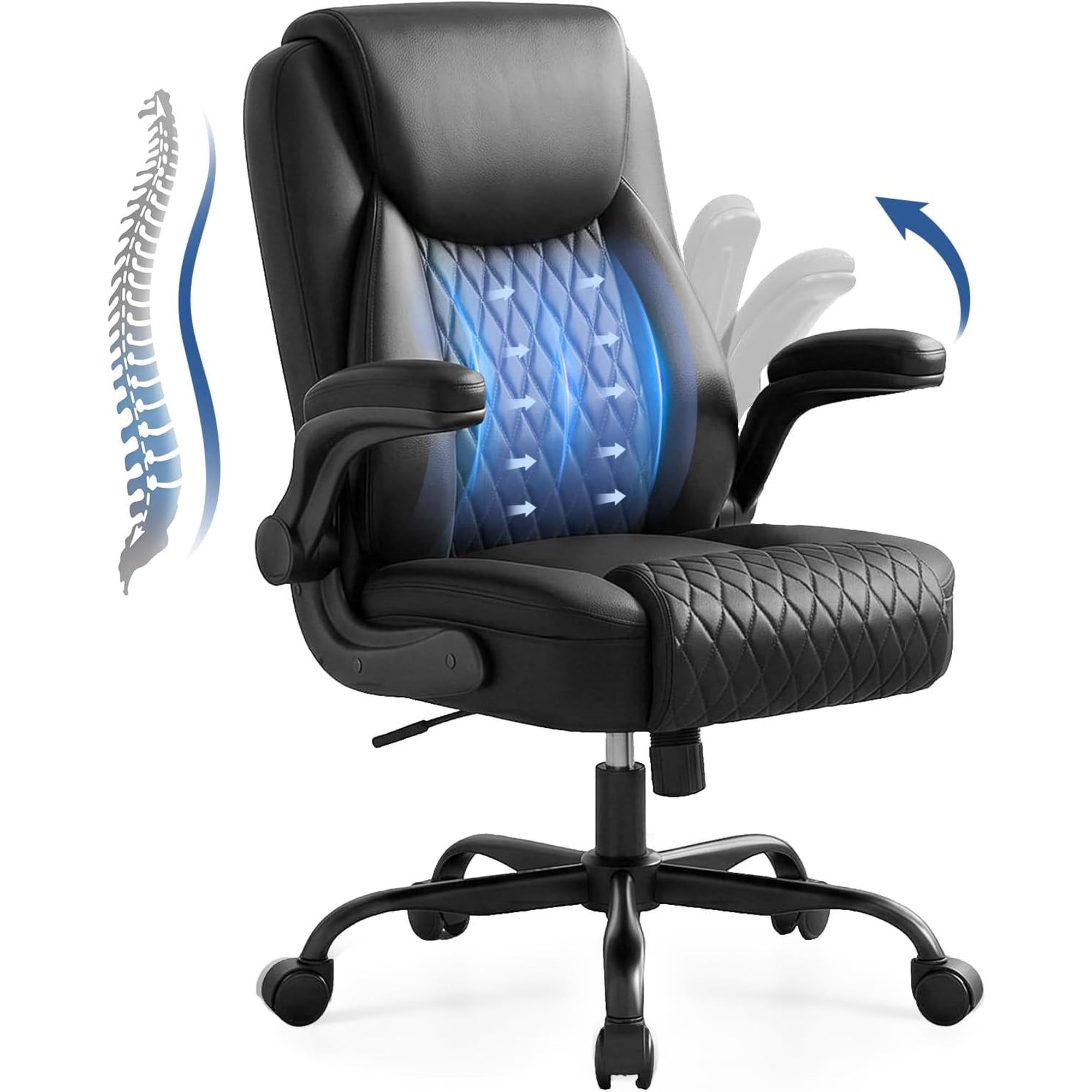
Redefining the Workspace: Why "Stylish" and "Supportive" Are No Longer Mutually Exclusive
For years, office workers faced a frustrating trade-off: you could have a clinical-looking ergonomic chair that saved your back but clashed with your carefully designed office, or you could have a beautiful, designer chair that looked stunning but left your lower back aching by 3 p.m. That compromise is officially over. The modern category of the stylish office chair with lumbar support has exploded, blending the science of spinal health with the art of interior design.
Think of it like the evolution of the smartphone. Early models were purely functional—bulky and utilitarian. Today, they are sleek, elegant objects that we’re proud to display. The same transformation has happened in office seating. Whether you’re a home-based entrepreneur, a corporate executive, or a design-savvy freelancer, the chair you sit on for 8+ hours a day should reflect your personal style while actively caring for your body. This guide dives deep into how to find that perfect fusion.
The Anatomy of a Stylish Lumbar Support Chair: Beyond the Basics
While the example page discussed materials like leather vs. mesh in a general sense, here we focus on the *integration* of lumbar support within a design-forward frame. It’s not just about what it’s made of, but how the support becomes part of the aesthetic.
1. The Invisible Ergonomic Hero: Concealed Lumbar Mechanics
The hallmark of a truly stylish chair is that its functionality doesn’t shout; it whispers. Modern engineering allows for complex lumbar adjustment mechanisms to be hidden within the sleek lines of the chair. You might find a dial discreetly placed on the side of the backrest, or a lever seamlessly integrated into the chair's base. This means you get a 4D adjustable lumbar system (height, depth, tension, and sometimes width) without ugly external levers ruining the silhouette. The goal is a clean, uncluttered look that complements a minimalist or luxury office.
- • Synchronized tilt mechanisms: Allow the chair to move with you, maintaining lumbar contact in any position, all while looking elegant.
- • Asymmetric lumbar designs: Some high-end chairs now feature a lumbar support that curves to match the spine's natural 'S' shape, visible as a subtle contour that adds visual interest.
- • Pneumatic vs. mechanical: Stylish chairs often use pneumatic adjustments for a cleaner look, avoiding bulky knobs.
2. Material Fusion: Mixing Textures for Visual Impact
Forget the boring single-material chair. Today’s trendiest ergonomic seats combine materials to create a piece of functional art. Imagine a chair with a fine Italian leather seat and back, contrasted with a polished aluminum frame and a woven technical fabric on the headrest. This mix not only adds depth and character to your office but also serves a purpose: breathable mesh panels can be placed exactly where your back needs ventilation, while smooth leather provides a luxurious feel on the armrests.
Designer Tip: Look for chairs that use color blocking. A charcoal grey mesh back paired with a bold emerald green or burnt orange upholstered seat can become the focal point of your room, proving that lumbar support can be a statement piece.
3. The "Floating" Back and Sculptural Forms
One of the most compelling design trends in 2024/2025 is the "floating" backrest. The lumbar support is attached via a central spine, creating an open, airy feel that reduces visual bulk. This design often highlights the ergonomic structure, making the support system a *feature* rather than a hidden element. These sculptural chairs look like modern art from behind, ensuring your office chair is camera-ready for endless Zoom calls.
According to a 2023 survey by the American Society of Interior Designers (ASID), 68% of home office buyers ranked "aesthetics" as equally important as "ergonomic features." This shift has pushed manufacturers to invest heavily in R&D, resulting in chairs that boast a 40% improvement in adjustable lumbar precision compared to models from just five years ago, all while winning design awards.
Your 5-Step Blueprint to Choosing the Perfect Chair
Finding your ideal match requires a strategy. Follow this guide to filter through the options.
Step 1: Define Your "Style DNA"
Are you a minimalist (clean lines, monochrome), a modernist (organic shapes, bold colors), or a traditionalist (classic leather, button-tufting)? Write down 3 adjectives that describe your ideal aesthetic. This will be your compass.
Step 2: Map Your Lumbar Needs
Not all lower backs are the same. Sit in a straight-backed chair and place your hand on your lower back, feeling the natural inward curve. Measure how high this curve is from the seat. Look for chairs with lumbar height adjustment that covers your specific measurement (usually between 6 to 10 inches from the seat). Depth adjustment is also crucial—the support should gently push you forward, not feel like a board.
Step 3: Prioritize "Stealth" Adjustability
List the adjustments you genuinely need. At minimum: seat height, lumbar height, and tilt tension. For a sleek look, ensure these controls are integrated into the chair's design—hidden under the seat or as subtle, finished levers. Avoid chairs with protruding, industrial-looking plastic knobs if "stylish" is your goal.
Step 4: Test the Material Marriage
If possible, try before you buy. Sit on a fabric seat with a mesh back—does the fabric breathe enough? Does the leather feel supple against your arms? Consider the maintenance: light-colored fabrics may show wear faster, while premium leather develops a beautiful patina. The material should align with both your visual taste and your practical lifestyle (pets, kids, spills).
Step 5: Evaluate the "360-Degree View"
Your chair will be seen from all angles. Ask for or imagine a view from the back and sides. A truly stylish chair is designed beautifully from every perspective. Check the base design—is it a standard plastic five-star, or a polished aluminum or unique nylon composite? The base is a major style element.
Frequently Asked Questions: Stylish Support Decoded
Conclusion: Invest in the Intersection of Health and Beauty
The days of sacrificing your back for a beautiful office are over. The stylish office chair with lumbar support is now a mature, innovative category that offers the best of both worlds. By understanding the nuances of concealed mechanics, material fusion, and sculptural design, you can make a choice that will keep you comfortable, healthy, and proud of your workspace for years to come.
Remember, this is an investment in your most valuable assets: your physical well-being and your daily environment. Don't settle for a chair that only does half the job. Use the blueprint above, explore the curated products below, and find the chair that speaks to your spine and your soul.