
Why Choose an Office Chair with Heat and Massage?
Imagine sitting at your desk for hours, feeling the usual tension building in your lower back and shoulders. Now, imagine being able to alleviate that tension without leaving your chair. That's the promise of an office chair with heat and massage. It’s like having a personal wellness therapist built into your workspace. These chairs are no longer just a luxury; they are becoming an essential tool for combating the physical toll of a sedentary lifestyle.
The Science of Comfort: According to the American Chiropractic Association, 80% of the population will experience back pain at some point. Heat therapy increases blood flow and relaxes tight muscles, while massage stimulates pressure points and reduces cortisol (the stress hormone). Combining both can decrease perceived muscle soreness by up to 40% after a long workday.
The Dual Power: Heat Meets Massage
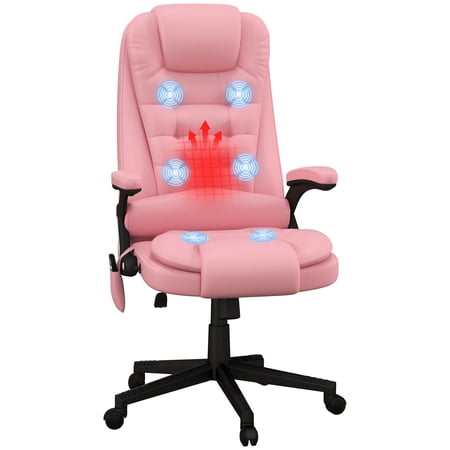
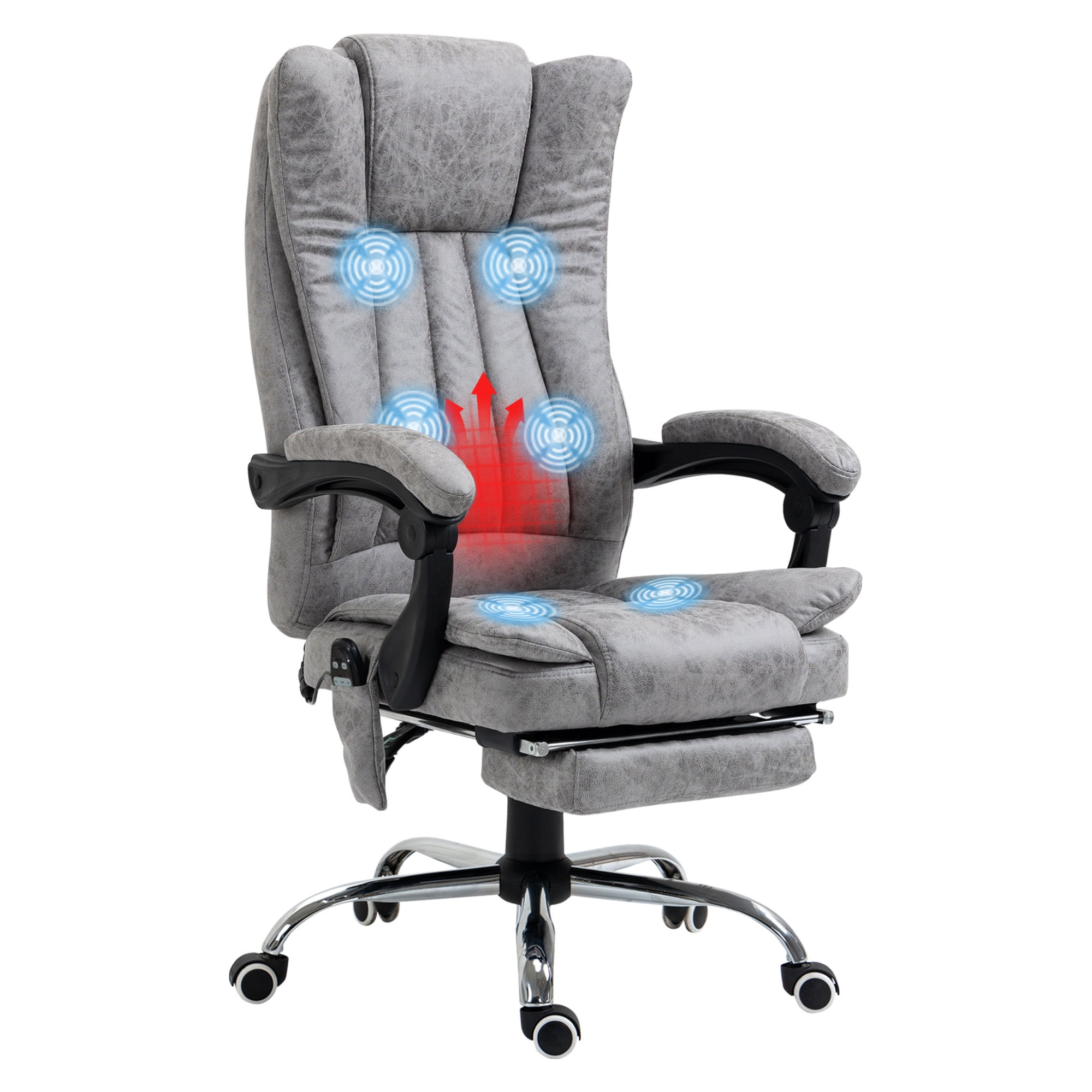
Not all massage chairs are created equal. A true heated massage office chair integrates these two elements seamlessly. The heat prepares the muscle tissue, making it more receptive to the massage, which then works out the kinks. This synergy is particularly effective for:
- Chronic lower back pain: Heat loosens lumbar muscles, while vibration or kneading relieves pressure on discs.
- Shoulder and neck stiffness: Targeted massage nodes in the upper back can release tension from typing and screen viewing.
- Stress and mental fatigue: The rhythmic massage promotes relaxation, helping you reset during a busy day.
- Poor circulation: Heat dilation combined with massage movement encourages blood flow to legs and feet, especially if you sit for 6+ hours.
Key Features to Look For
When shopping for an office chair with heat and massage, consider these technical aspects to ensure you get a chair that truly serves your needs:
| Feature | Why It Matters | What to Look For |
|---|---|---|
| Massage Type & Zones | Determines how effectively the chair relieves tension. Vibration is common, but rolling or Shiatsu is deeper. | Chairs with multiple massage zones (lumbar, entire back, thighs) and adjustable intensity. Look for "Shiatsu" or "kneading" functions. |
| Heat Placement | Heat should target the areas where muscles are largest and most prone to stiffness. | Ideally, heating elements in the lumbar region. Premium models offer heat in the seat and back. |
| Power Source & Controls | Convenience and ease of use during work. | USB-powered or AC adapter. Remote control (wired or wireless) integrated into the armrest or a separate pad is best. |
| Ergonomics & Build | A massage chair must first be a good office chair. | Adjustable lumbar support, 3D/4D armrests, breathable material (leather or mesh), and a sturdy base (300lb+ capacity). |
Pros and Cons at a Glance
✅ Advantages
- Immediate pain relief: Heat soothes while massage manipulates tight muscles.
- Stress reduction: Lowers cortisol and encourages relaxation during breaks.
- Improved productivity: Fewer distractions from discomfort mean better focus.
- All-in-one solution: Combines ergonomic support with therapeutic features.
⚠️ Considerations
- Cost: Prices can be higher than standard office chairs (typically $300 - $1,000+).
- Power dependency: You'll need to be near an outlet; cords can be managed with cable ties.
- Maintenance: Electronic components may require care; check warranty coverage.
- Bulkiness: Some massage chairs have thicker padding, which may not suit very small spaces.
How to Integrate Massage Breaks Into Your Workday
To get the most out of your heated chair, think of it as a tool for "active rest." Here’s a simple routine:
- The 90-Minute Reset: After a long focus session, turn on the heat for 5 minutes to warm up muscles, then run a 10-minute massage cycle targeting your lower back.
- Pre-Lunch De-stress: Use the massage function for 5 minutes before stepping away from your desk. It helps transition from "work mode" to "break mode."
- End-of-Day Recovery: If you have a physically demanding job or workout, use the heat and massage for 15 minutes after work to aid muscle recovery.
Materials: Leather vs. Mesh in Massage Chairs
The material of your massage chair affects both comfort and the massage experience.
- Leather / Bonded Leather: Common in massage chairs because it’s durable, easy to clean, and allows heat to transfer effectively. However, it can get sticky in hot weather. Best for executive settings.
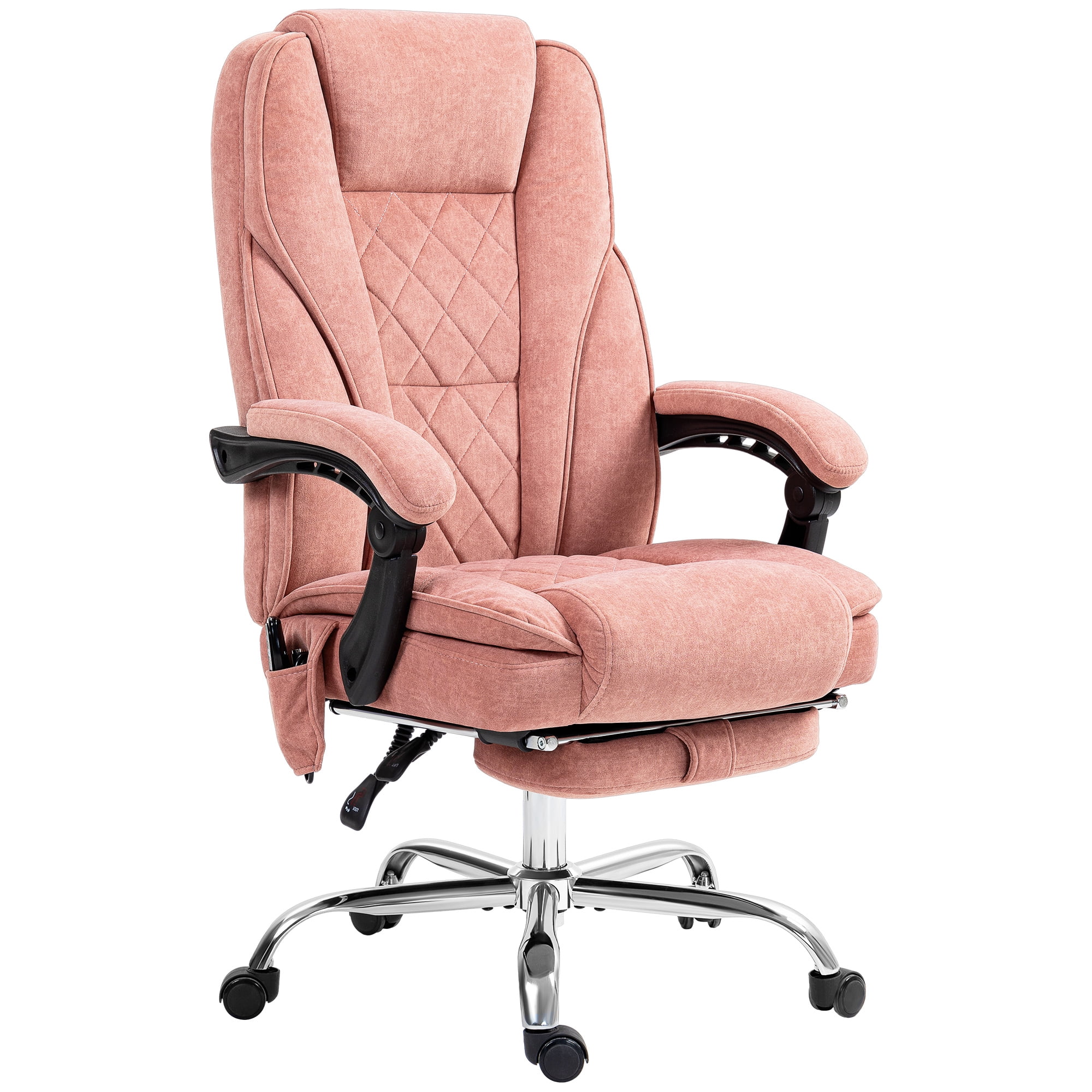
- Mesh / Fabric: Highly breathable, ideal for those who sweat. The massage nodes can sometimes be felt more distinctly through fabric. Best for warm climates or all-day use.
- Memory Foam Padding: Some high-end chairs combine foam with massage nodes to cushion while still delivering deep tissue relief.
Who Is This Chair For?
An office chair with heat and massage is ideal for:
- Remote workers and programmers who sit 8+ hours daily.
- Individuals recovering from mild back injuries or with chronic pain.
- Executives who host long meetings and need subtle relaxation.
- Gamers (these chairs overlap with gaming chair features).
- Anyone looking to reduce workplace stress and improve well-being.
Frequently Asked Questions (FAQ)
Conclusion: Is a Heated Massage Chair Right for You?
Choosing an office chair with heat and massage is a decision to prioritize your physical well-being while you work. It transcends the typical office chair by offering active relief from the strains of sitting. If you often find yourself with a stiff back at the end of the day or feel stressed by your workload, the investment in a massage chair can pay dividends in health, comfort, and productivity. Remember to balance the massage features with solid ergonomic fundamentals—adjustable lumbar support, seat depth, and armrests are non-negotiable. With the right chair, your office becomes a place not just of work, but of wellness.
Final Recommendation: Look for a model with at least 3 massage zones, a reliable heat function in the lumbar area, and a breathable yet durable cover. Test the controls to ensure they are intuitive. Your back will thank you.