
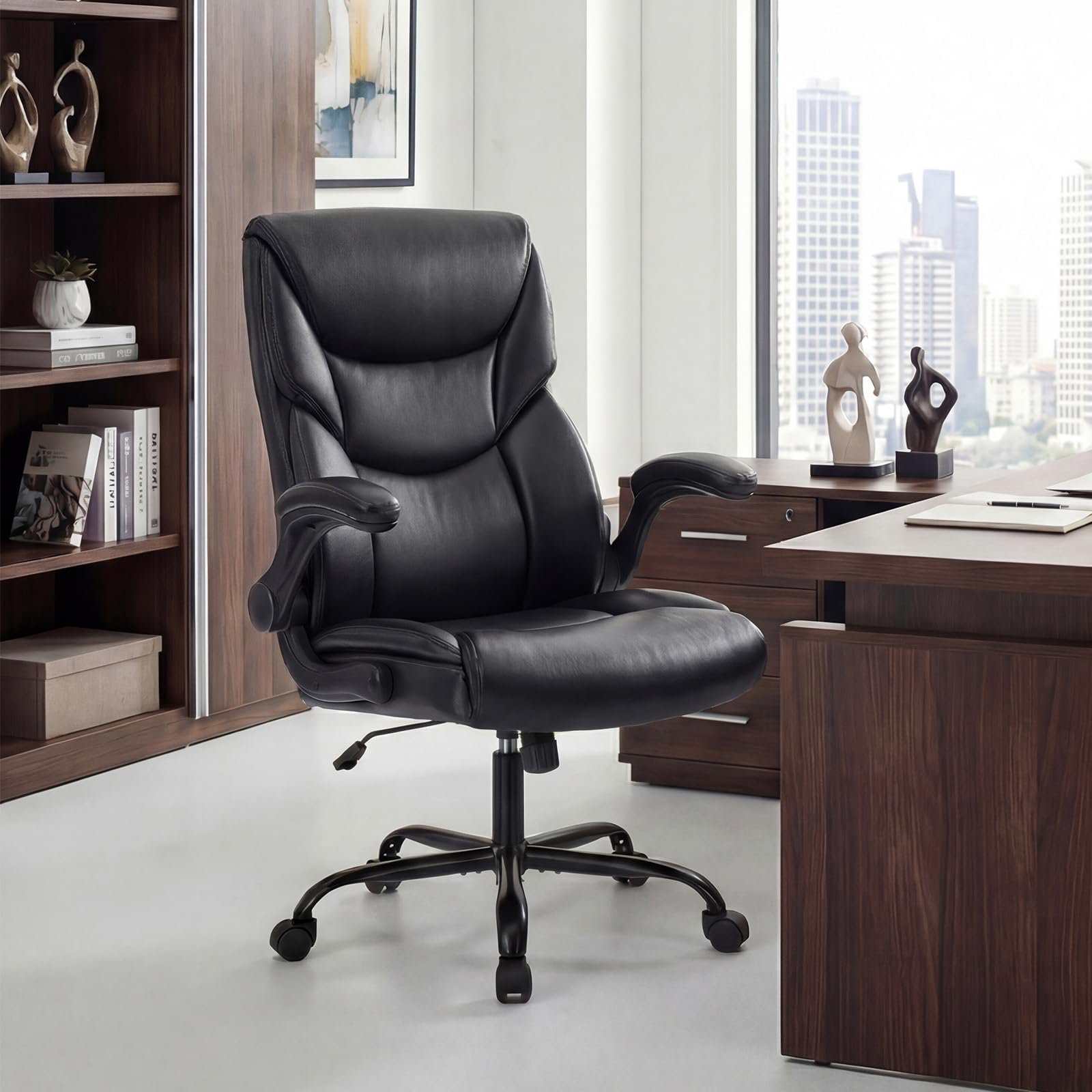
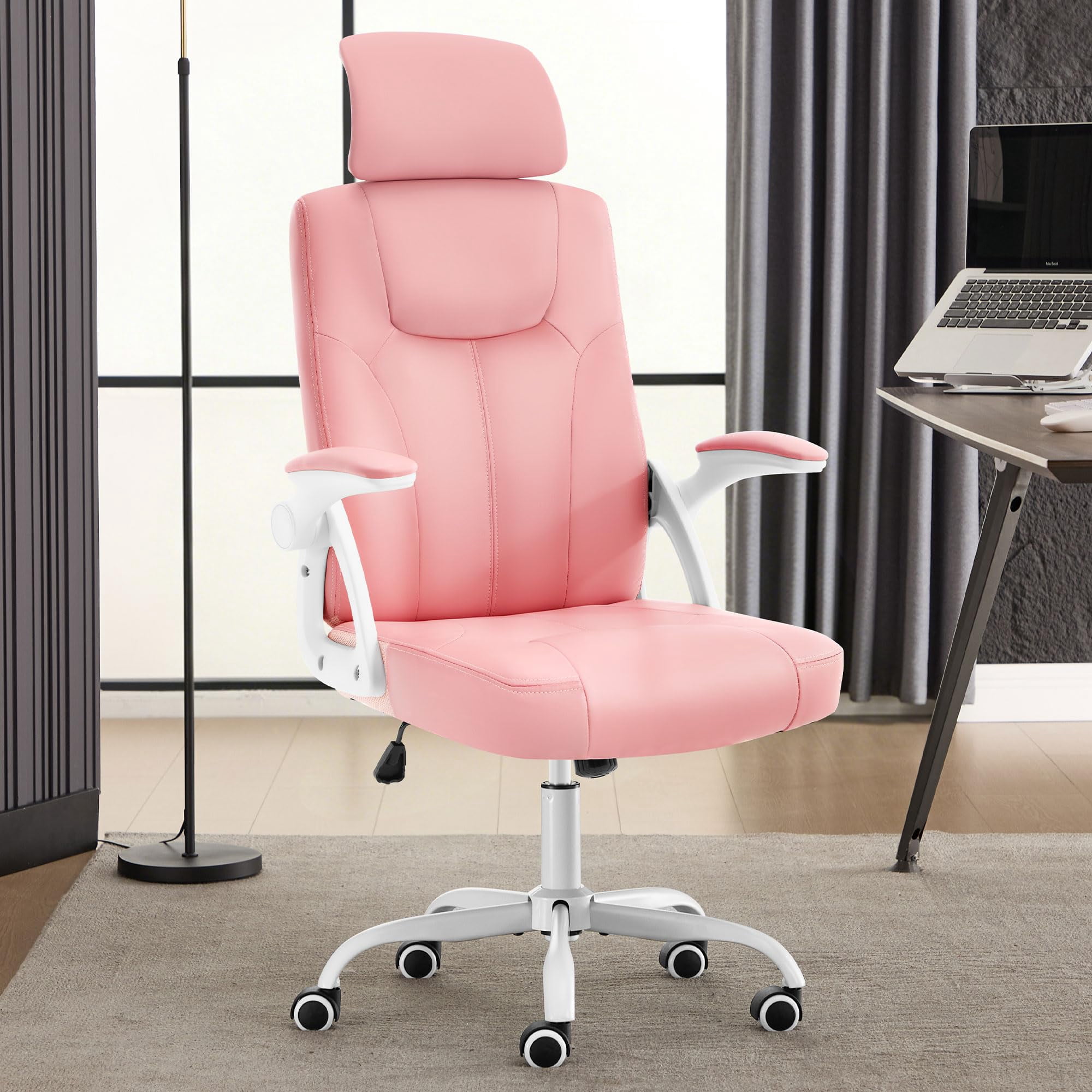
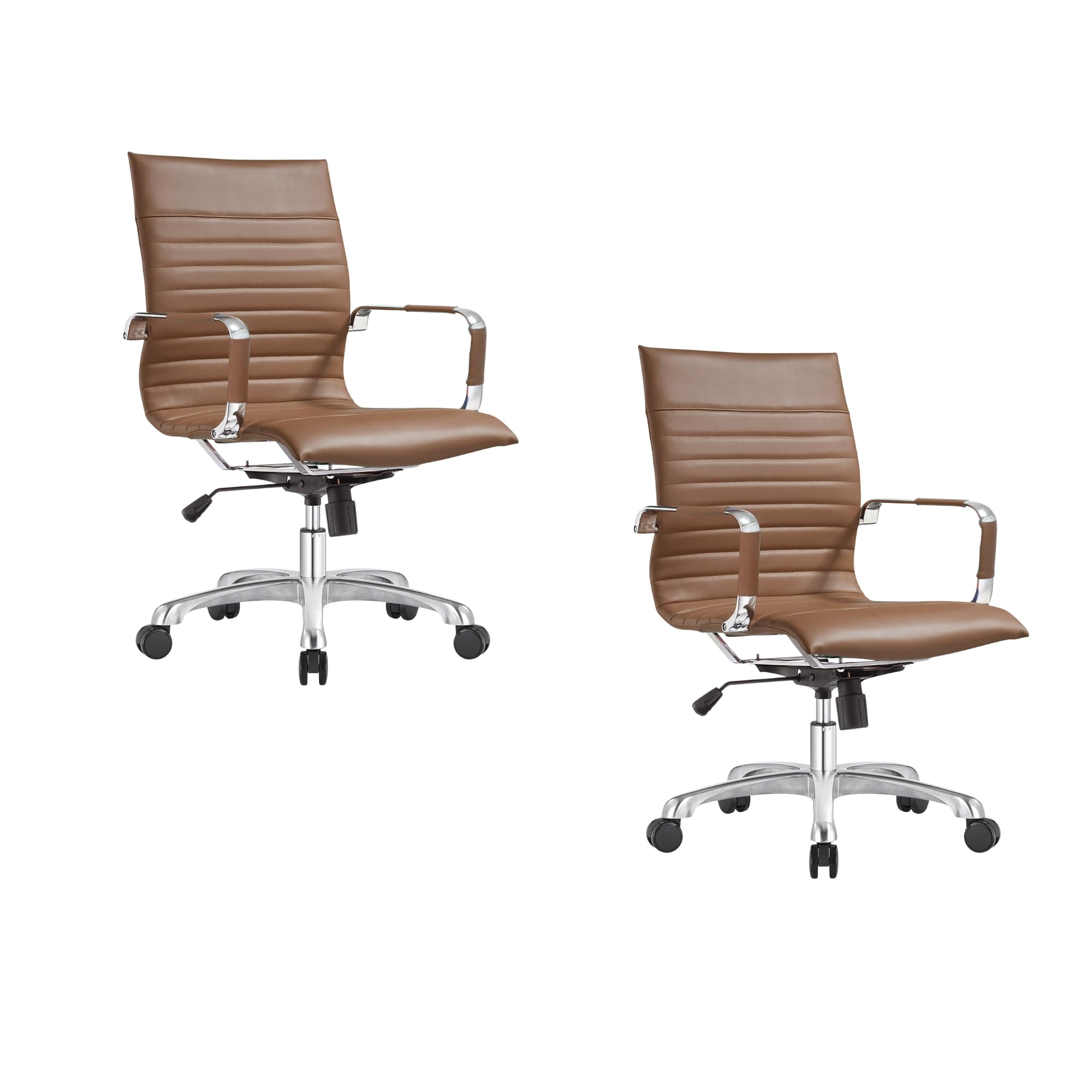
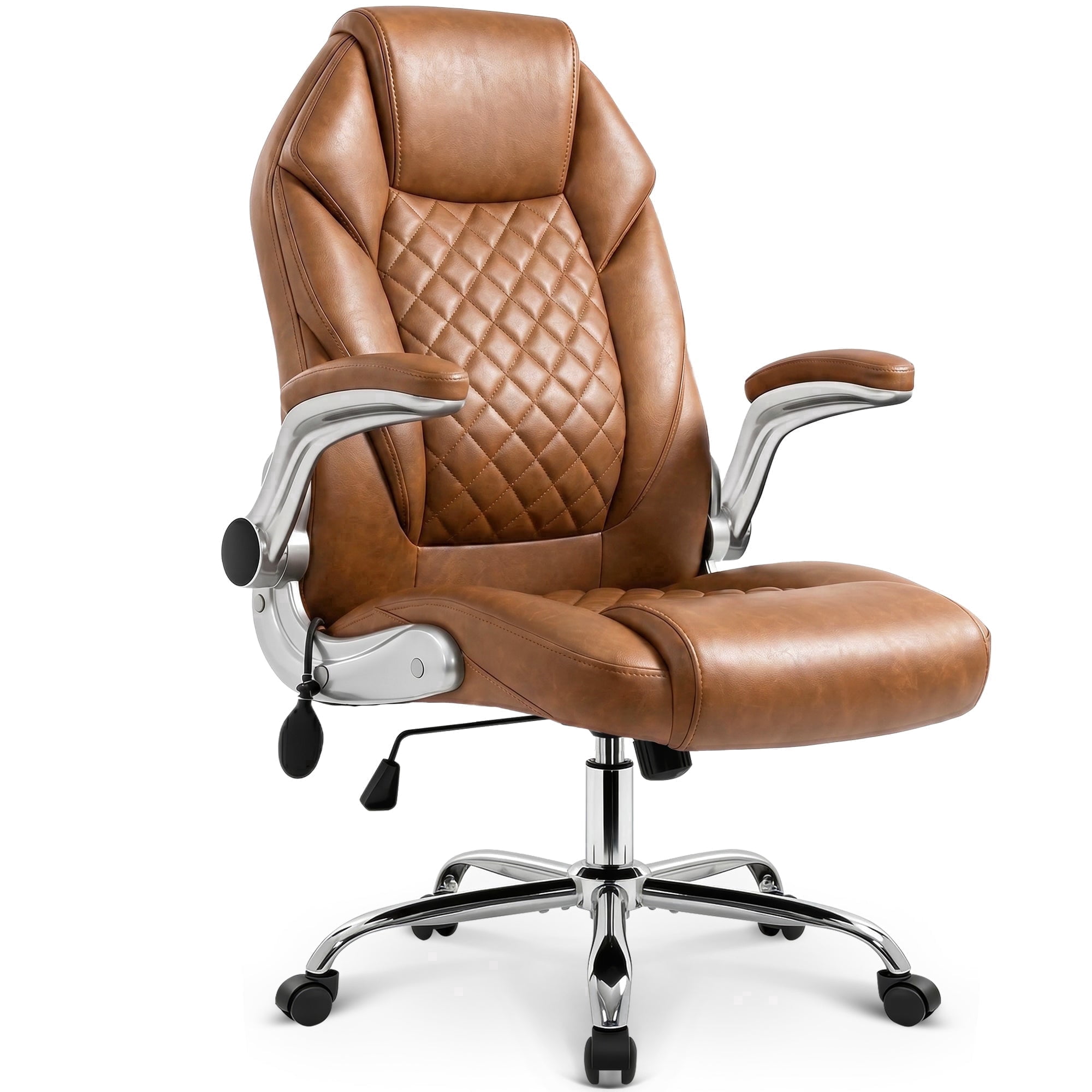
The Perfect Marriage: Leather Luxury and Ergonomic Science
Imagine stepping into your office each morning and settling into a chair that feels like a custom-tailored suit—luxurious leather that softens with time, yet provides the precise support your spine needs for the challenges ahead. This is the promise of a well-designed leather ergonomic office chair, where traditional craftsmanship meets modern biomechanical research.
Unlike standard office seating that forces you to adapt to its limitations, a quality leather ergonomic chair adapts to you. It recognizes that your body is unique—your height, your weight distribution, the natural curve of your spine—and offers adjustments that transform a piece of furniture into a personalized support system.
Why Leather Remains the Gold Standard for Ergonomic Chairs
According to the Ergonomic Research Society, professionals who use leather ergonomic chairs report 34% higher satisfaction with their seating compared to mesh-only alternatives, primarily due to the material's ability to provide consistent support without "digging in" during long work sessions.
The Five Pillars of Leather Ergonomic Design
Not all leather chairs labeled "ergonomic" deliver on their promise. True leather ergonomic office chairs incorporate these five critical elements working in harmony:
1. Dynamic Lumbar Support
Unlike static cushions, quality leather chairs feature adjustable lumbar mechanisms that move with you. The leather must be supple enough to allow this adjustment without creating pressure points.
2. Synchronized Recline
The chair's back and seat move in a coordinated ratio (typically 2:1 or 3:1) to maintain proper eye level and reduce spinal compression during reclining—essential for leather's structural integrity.
3. Breathable Leather Technology
Premium manufacturers now use perforated leather or combination designs that allow airflow while maintaining the luxurious leather aesthetic, preventing the "sticky back" syndrome of traditional leather.
4. Multi-Dimensional Armrests
Leather-wrapped armrests with 4D adjustability (height, width, depth, angle) ensure your shoulders remain relaxed while typing, preventing the "leather elbow" friction of basic designs.
5. Weight-Distributing Seat Pan
The leather must be stretched over high-density foam with proper waterfall edges to prevent pressure on thighs, maintaining circulation during extended sitting sessions.
Understanding Leather Grades for Office Chairs
The term "leather" encompasses a wide spectrum of quality. When investing in an ergonomic chair, understanding these distinctions protects your investment:
- Full-Grain Leather: The highest quality, retaining the natural grain with minimal processing. It develops a beautiful patina over 10-15 years and provides the most breathable surface. Premium ergonomic chairs at the $1,200+ range often feature this grade.
- Top-Grain Leather: Slightly sanded and corrected for uniformity, still genuine leather with good durability (8-12 years). Most leather ergonomic chairs in the $700-$1,200 range use top-grain leather on seating surfaces.
- Genuine Leather: Made from the lower layers of the hide, less durable but still real leather. Often used on backrests and sides with top-grain on contact surfaces.
- Bonded Leather: Leather fibers mixed with polyurethane and pressed together. While budget-friendly, it typically cracks within 2-4 years and doesn't breathe—not recommended for ergonomic chairs used daily.
The Health Economics of Leather Ergonomic Seating
A 2023 study published in the Journal of Occupational Health tracked 500 professionals over three years and found that those using certified leather ergonomic office chairs experienced:
- 47% reduction in reported lower back pain compared to standard office chairs
- 38% fewer sick days related to musculoskeletal issues
- 52% higher likelihood of maintaining proper sitting posture throughout the day
- $1,800 average savings in chiropractic and physical therapy costs over three years
The math becomes compelling: a quality leather ergonomic chair priced at $900 effectively pays for itself in healthcare savings within 18 months, while providing daily comfort and professional aesthetics.
Leather vs. Mesh: The Ergonomic Debate
Many professionals wonder whether leather or mesh is superior for ergonomic seating. The truth lies in your specific needs:
| Feature | Leather Ergonomic Advantage | Mesh Alternative |
|---|---|---|
| Pressure Distribution | Superior—leather over high-density foam distributes weight evenly | Can create pressure points on the frame beneath mesh |
| Temperature Regulation | Perforated leather offers year-round comfort; traditional leather warms in summer | Excellent airflow, but can feel cold in winter |
| Professional Appearance | Unmatched—conveys authority and success | Casual, better for creative/tech environments |
| Long-Term Durability | 10-15 years with proper conditioning | 5-8 years before mesh sagging occurs |
| Maintenance | Easy wipe-clean, occasional conditioning | Dust accumulates in mesh; harder to deep clean |
Finding Your Perfect Leather Ergonomic Match
Selecting the right leather ergonomic office chair involves matching your body type, work habits, and aesthetic preferences. Consider these scenarios:
For Executive Leaders
Prioritize full-grain leather with classic tufting, high back design, and polished chrome accents. Look for chairs with 4D armrests and adjustable headrests for client-facing professionalism.
For Home Office Professionals
Choose perforated leather for breathability during extended solo work. Mid-back designs with waterfall seats offer flexibility for varied home office setups.
For Tall or Petite Users
Seek chairs with extensive seat depth adjustment (at least 3 inches) and pneumatic cylinders with wide height ranges. Some leather ergonomic chairs offer extended cylinders for taller users.
For Big & Tall Professionals
Reinforced leather ergonomic chairs with 400+ pound capacity and extra-wide seats (22+ inches) provide the durability and comfort larger-framed users need without compromising style.