
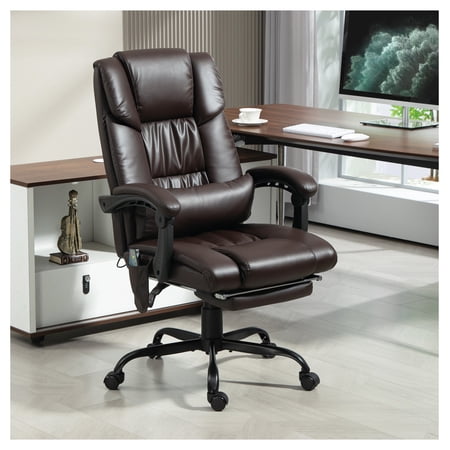
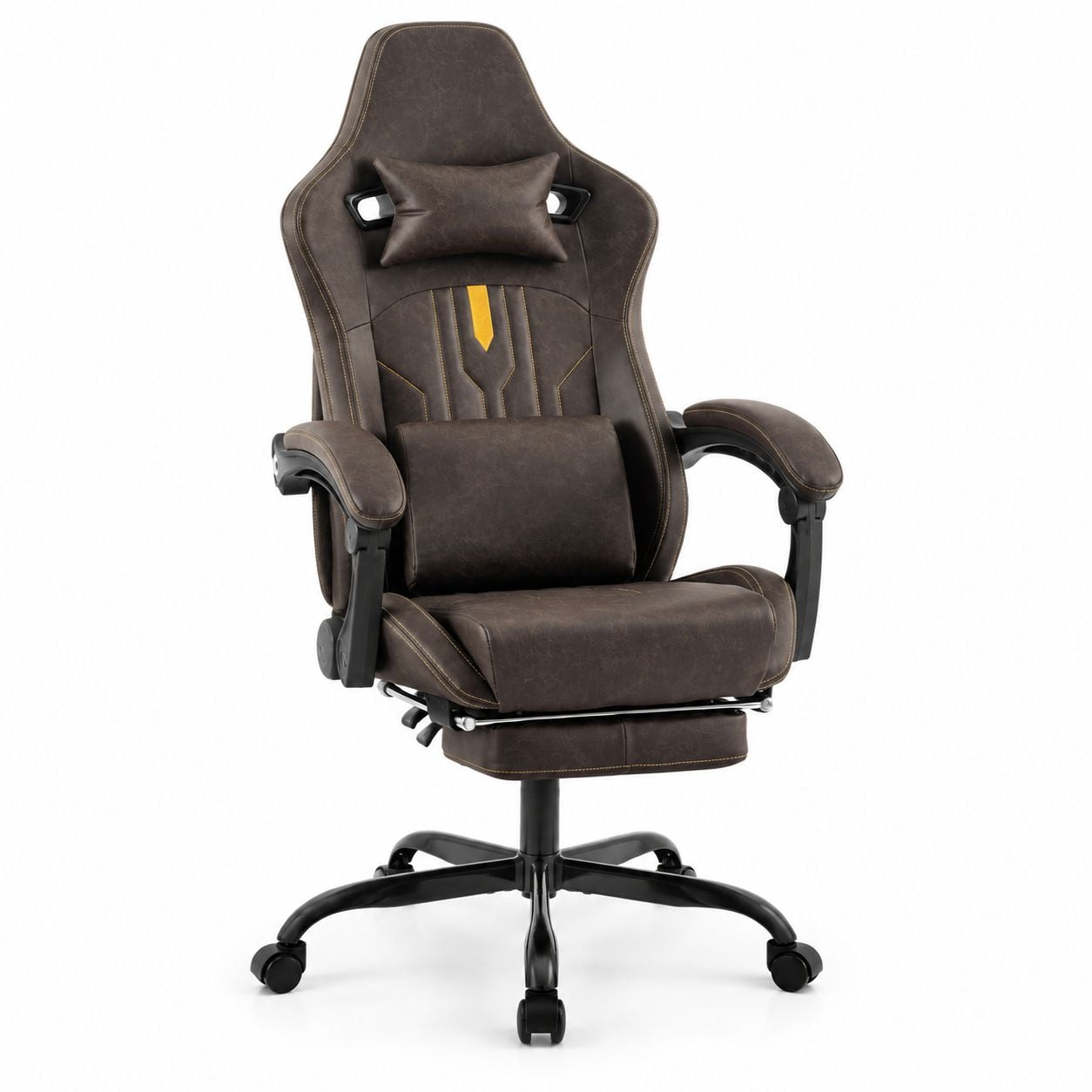
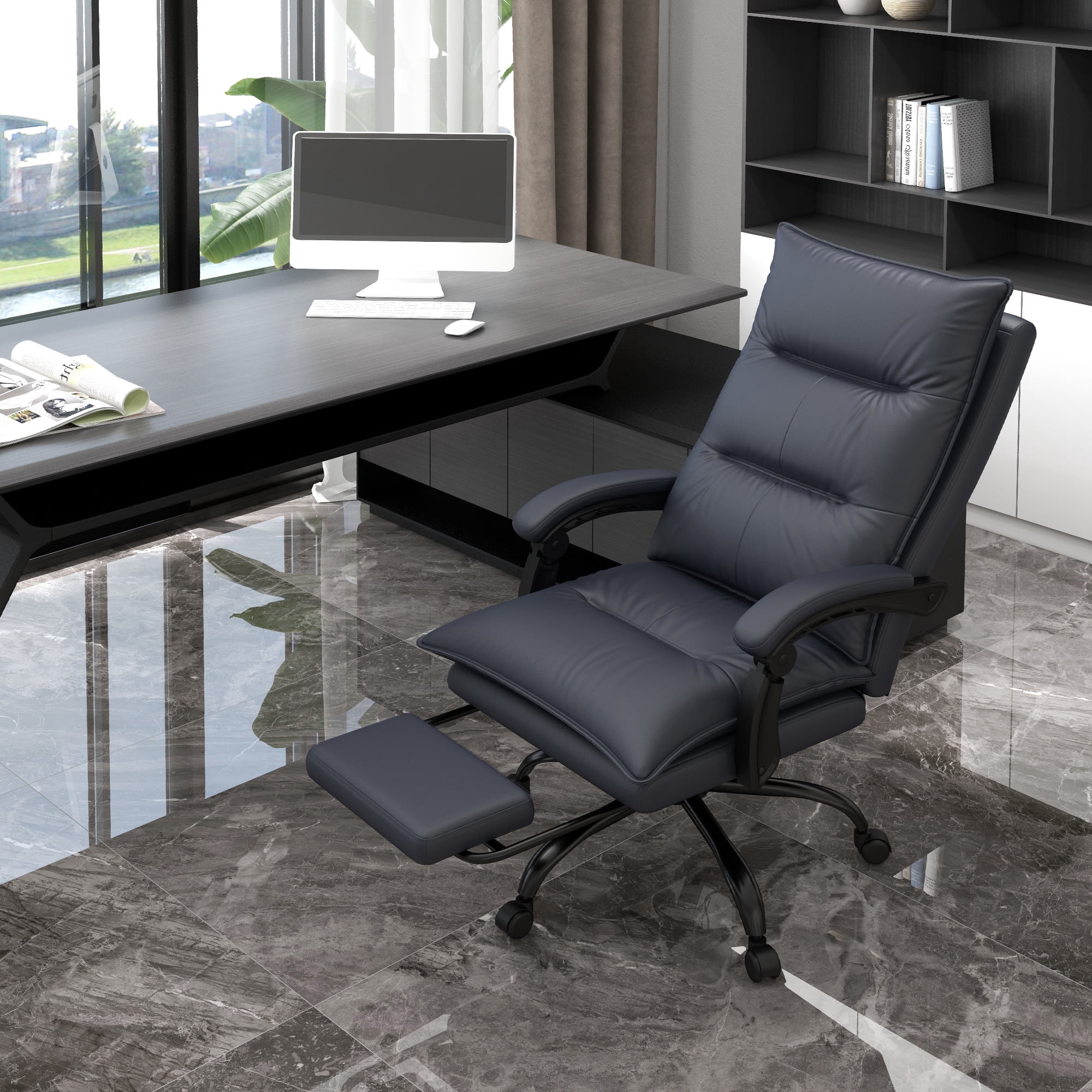
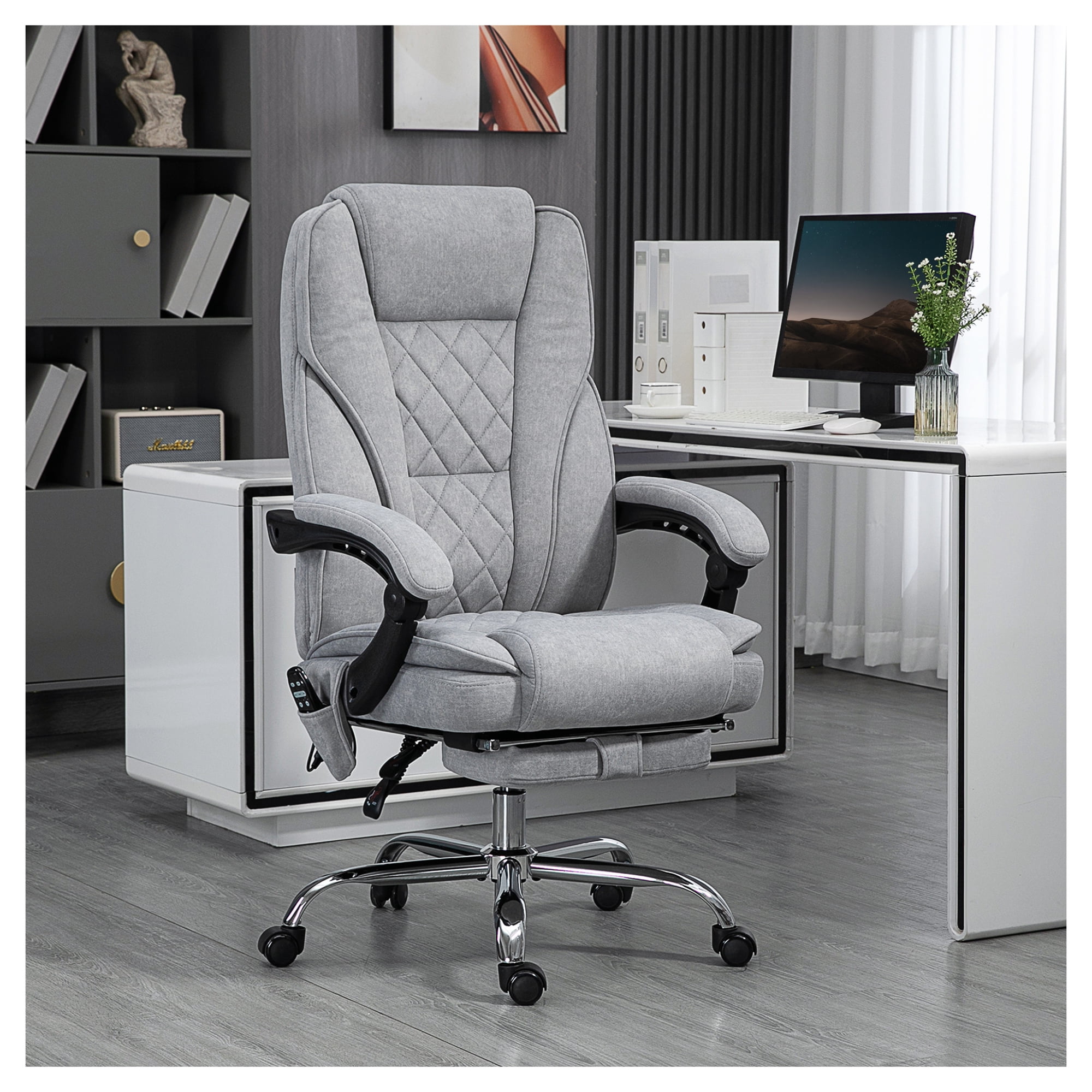
Why Choose an Office Chair with Massage and Footrest?
Imagine this: It's 3 PM, your back is tight, and your feet are throbbing from hours of sitting. Instead of reaching for a pain reliever or taking a walk that interrupts your flow, you simply recline your chair, extend the footrest, and activate a soothing Shiatsu massage. This isn't a luxury spa scenario—it's the new reality of ergonomic seating. An office chair with massage and footrest transforms your workstation into a wellness hub, allowing you to combat the physical toll of sedentary work without leaving your desk.
These chairs are engineered for the modern professional who refuses to compromise between productivity and well-being. According to a 2023 workplace wellness report, employees who used chairs with built-in massage functions reported a 38% reduction in perceived stress and a 27% increase in end-of-day energy levels. By integrating massage nodes, lumbar heat, and a retractable ottoman, these chairs target three key problem areas: lower back tension, leg fatigue, and poor circulation.
Deep Dive: Features That Make a Difference
Not all massage chairs are created equal. To help you navigate the market, we've broken down the essential components you should evaluate. This section focuses on what truly matters when you're investing in a chair designed to relax and support you.
1. Massage Mechanisms: Vibration vs. Rolling vs. Shiatsu
The "massage" in an office chair can mean different things. Understanding the mechanism ensures you get the relief you expect.
- Vibration Massage: The most common and affordable type. Motors in the backrest or seat create a gentle, vibrating sensation. It helps stimulate blood flow and can ease minor muscle tension. Think of it as a gentle reminder to relax your shoulders.
- Rolling Massage: More advanced. Nodes move up and down along your spine, mimicking the hand movements of a masseuse. This is excellent for releasing deep-seated knots in the paraspinal muscles.
- Shiatsu Massage: The gold standard. Shiatsu involves kneading and pressing specific acupressure points. Chairs with this feature often have rotating nodes that target the lower and upper back, providing deep tissue relief comparable to a professional session.
Pro Tip: Look for chairs that offer multiple massage modes and intensity levels. This allows you to customize the experience from a gentle wake-up buzz to a deep-tissue kneading session.
2. The Footrest: More Than Just a Place to Put Your Feet Up
A footrest in an office chair serves two critical ergonomic functions. First, it elevates your legs, which can help reduce swelling and improve venous return (blood flow back to the heart). Second, it encourages a slight recline, taking pressure off the lumbar discs.
Retractable & Hidden
Most executive-style chairs have a footrest that folds out from under the seat. When not in use, it tucks away neatly, maintaining a professional, streamlined appearance.
Extendable & Adjustable
Higher-end models allow you to adjust the length of the footrest. This is crucial for taller users—you need the rest to support your entire calf, not just your ankles.
Angled for Comfort
A well-designed footrest will angle your legs slightly, ensuring your knees are at a comfortable 90-degree angle or slightly more open, which is optimal for hip comfort.
3. Heat Therapy: The Unsung Hero of Pain Relief
Many massage chairs include a heating function, usually in the lumbar area. Heat therapy is scientifically proven to relax tight muscles and increase blood flow to stiff joints. When combined with massage, it can be incredibly effective for chronic lower back pain. Look for chairs with adjustable heat settings so you can find a temperature that's soothing without being uncomfortably hot.
4. Material and Build Quality: Leather vs. Fabric
Since massage chairs involve motors and wiring, the upholstery material plays a role in both comfort and durability.
- ✓ Easy to clean (spills wipe right off).
- ✓ Looks professional and executive.
- ✓ May retain heat, which can be cozy in winter.
- ✓ Excellent airflow, prevents sweating during massage.
- ✓ Often more flexible, conforms to body.
- ✗ Can absorb odors and stains more easily.
For a massage chair, breathability is key. If you opt for leather, ensure it has perforations to allow air to circulate, preventing that sticky feeling during a long massage session.
5. Ergonomics Beyond the Bells and Whistles
Don't let the massage feature distract you from fundamental ergonomics. A chair must first and foremost be a good office chair. Ensure it includes:
- Adjustable Lumbar Support: Even with massage, you need passive support that holds your spine's natural curve.
- Seat Depth Adjustment: Crucial for proper thigh support without pressure behind the knees.
- 4D Armrests: Armrests that adjust height, width, angle, and depth allow you to keep your shoulders relaxed.
- Tilt Mechanism with Lock: You need to lock the chair in an upright position for focused work and recline it for massage breaks.
6. Power and Connectivity
Most massage chairs come with a wired remote or a side panel control. Some modern models now offer USB ports for charging devices and even Bluetooth speakers. While not essential, these features can add convenience. The most important factor is the power adapter—ensure the cord is long enough to reach your outlet without stretching.
Quick Checklist: What to Look For
- ☑ Massage Type: Shiatsu (best), Rolling (good), Vibration (basic).
- ☑ Heat: Located in lumbar area with at least two settings.
- ☑ Footrest: Padded, extends to support calves, retractable.
- ☑ Recline: At least 135 degrees for true relaxation.
- ☑ Weight Capacity: Minimum 275 lbs for durability.
- ☑ Upholstery: Perforated PU leather or high-quality mesh.
Frequently Asked Questions About Massage & Footrest Chairs
Conclusion: Is It Time to Upgrade Your Workday?
An office chair with massage and footrest is more than a trendy gadget; it's a strategic tool for maintaining physical health in a sedentary profession. By integrating short massage sessions into your work routine, you can disrupt the cycle of muscle stiffness and mental fatigue that plagues so many office workers. The footrest encourages healthier leg positioning, reducing the risk of deep vein thrombosis and general lower-body discomfort.
When shopping, prioritize chairs that balance high-quality massage features with solid ergonomic fundamentals. A chair that excels at both will serve you for years, paying dividends in comfort, focus, and reduced healthcare costs. Explore the options above, read reviews carefully, and choose a model that feels like it was made for your body. Your back—and your feet—will thank you.