


The Quest for the Perfect Seat: More Than Just a Soft Cushion
We've all been there. You buy a chair that feels like a cloud for the first ten minutes, but after an hour, your back is screaming, and you're shifting uncomfortably every few seconds. Finding a genuinely comfortable chair for office work is a nuanced mission. It's not about finding a soft pillow; it's about finding a supportive structure that works with your body, not against it. This guide will help you navigate the world of office seating to find a chair that makes you forget you're sitting, allowing you to focus entirely on your work.
Did you know? According to a study by the British Journal of Sports Medicine, prolonged sitting is linked to an increased risk of certain health issues. However, the study also suggested that taking movement breaks and, crucially, using an ergonomically supportive chair can significantly mitigate these risks. Your chair is your first line of defense.
Deconstructing Comfort: What Makes a Chair Feel Good All Day?
Forget the idea that 'comfortable' equals 'soft'. In the world of office work, lasting comfort comes from a combination of factors that work in harmony. Think of it like a well-tailored suit—it fits perfectly, supports you in the right places, and allows you to move freely. Here are the key anatomical parts of a truly comfortable chair:
1. The Seat Pan: Your Foundation
The seat pan is where you spend 100% of your seated time. Its design is critical.
- Depth and Width: You should be able to sit with your back against the backrest and have 2-4 fingers of space between the back of your knee and the seat edge. This prevents pressure on your thighs that can cut off circulation. Look for chairs with adjustable seat depth.
- Foam Density (The 'Waterfall' Edge): High-density foam provides support without bottoming out. A 'waterfall' front edge—where the seat curves gently downward—is non-negotiable for reducing pressure on the backs of your legs.
- Contouring: A slight hammock-like curve in the seat pan helps distribute your weight evenly, reducing pressure points on your 'sit bones' (ischial tuberosities).
2. Backrest Support: The Science of Spinal Alignment
A flat backrest is a recipe for slouching and back pain. Your spine has a natural S-curve that needs support.
- Lumbar Support is King: This is the most vital feature for lower back comfort. The best chairs offer adjustable lumbar support—both in height and depth—so you can dial in the exact pressure needed to fill the curve of your lower back.
- Backrest Shape and Size: A contoured backrest that wraps slightly around your torso provides side-to-side support. For upper back and shoulder comfort, a taller backrest (high-back) is essential, especially if you're tall.
- Recline and Tilt Tension: A good chair allows you to lean back. The recline mechanism should have adjustable tension so you're not fighting to stay upright or feeling like you're going to tip over. A 'synchro-tilt' mechanism, where the seat and backrest move in a coordinated ratio (usually 2:1 or 3:1), is a hallmark of a high-comfort chair.
3. Armrests: The Shoulder Savers
Your arms aren't weightless. Letting them dangle all day puts strain on your neck and shoulders.
- 4D Adjustability: The gold standard for comfort is armrests that adjust up/down, left/right, forward/backward, and pivot/angle. This allows you to position them so your elbows are at a 90-degree angle and your shoulders are completely relaxed.
- Padding and Material: They should be padded enough to be comfortable for resting your arms, but not so soft that they offer no support.
Choosing Your Comfort: Mesh, Fabric, or Leather?
Your choice of upholstery dramatically affects your perception of comfort, especially over an 8-hour day. It's like choosing between a cotton t-shirt and a wool sweater—both are comfortable, but in different conditions.
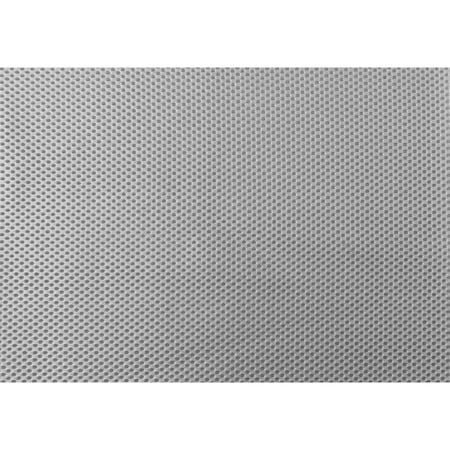
Breathable Mesh
- Best for: Warm environments, people who run hot, or those who prioritize airflow.
- Comfort Factor: Prevents that sticky, sweaty back feeling. The tension in the mesh provides a firm, supportive "hug" that many find incredibly comfortable.
- Trade-off: May lack the plush "sinking in" feeling of padded chairs. The frame can sometimes be felt if the mesh isn't taut.
Plush Fabric
- Best for: Cooler climates, casual home offices, and those who love a soft, warm feel.
- Comfort Factor: Offers a cozy, "living room" comfort. High-quality fabric with dense foam padding can feel like a supportive hug.
- Trade-off: Can trap heat and is more prone to staining and wear over time.
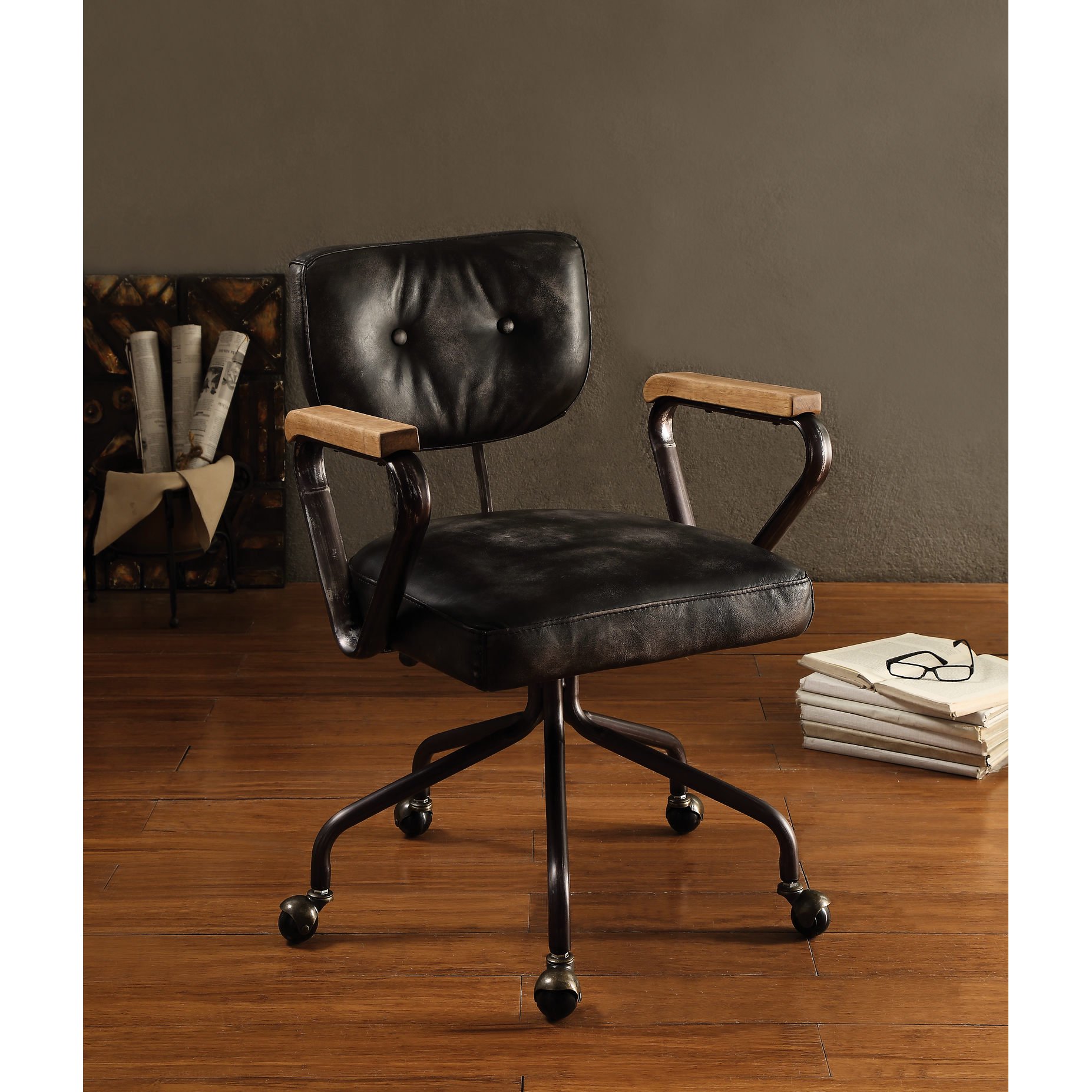
Premium Leather/Faux Leather
- Best for: Professional, executive settings and those who want easy cleaning.
- Comfort Factor: High-quality leather softens and molds to your body over time, creating a personalized comfort zone. It provides a sleek, polished feel.
- Trade-off: Can be cold in winter and hot in summer. Faux leather can crack and peel, reducing long-term comfort.
The Secret Ingredient: Adjustability and Dynamic Sitting
The most comfortable position is the next position. A chair that locks you into one static pose will eventually become uncomfortable. The best chairs encourage micro-movements throughout the day.
- Tilt Mechanisms: Look for chairs with a multi-functional or synchro-tilt mechanism. This allows you to rock or recline smoothly, which shifts pressure on your spine and engages different muscle groups.
- Seat Angle Adjustment: Some chairs allow the front of the seat to tilt down slightly. This can be a game-changer for relieving pressure on the thighs, especially if you tend to sit forward.
- Headrest (Optional but Valuable): If you ever lean back to think, take a call, or watch a training video, an adjustable headrest provides crucial neck support that static chairs lack.
Think of your chair less as a stationary throne and more as a dynamic partner in your workday. A study by the University of Waterloo found that even small, frequent posture changes (like those enabled by a good recline mechanism) can significantly reduce the development of low back pain.