
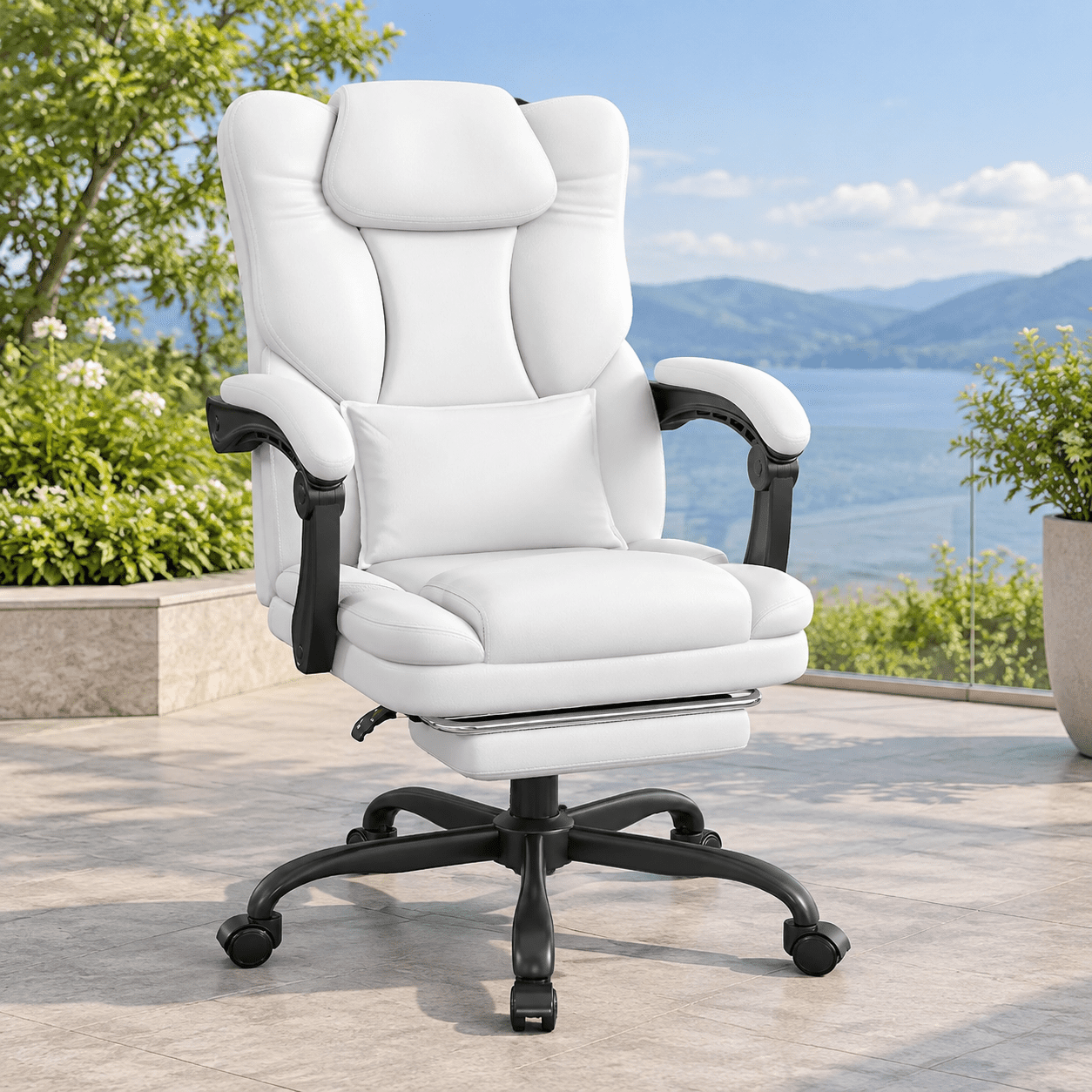
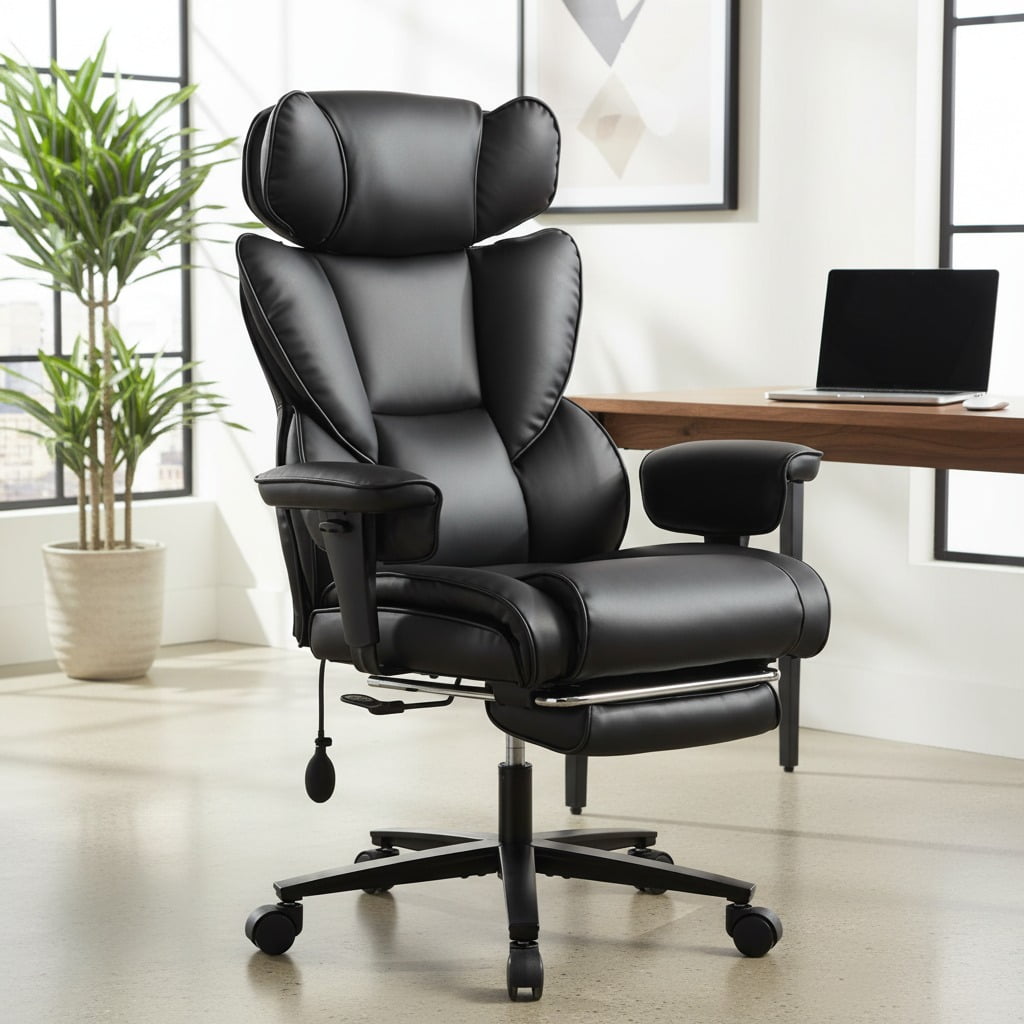
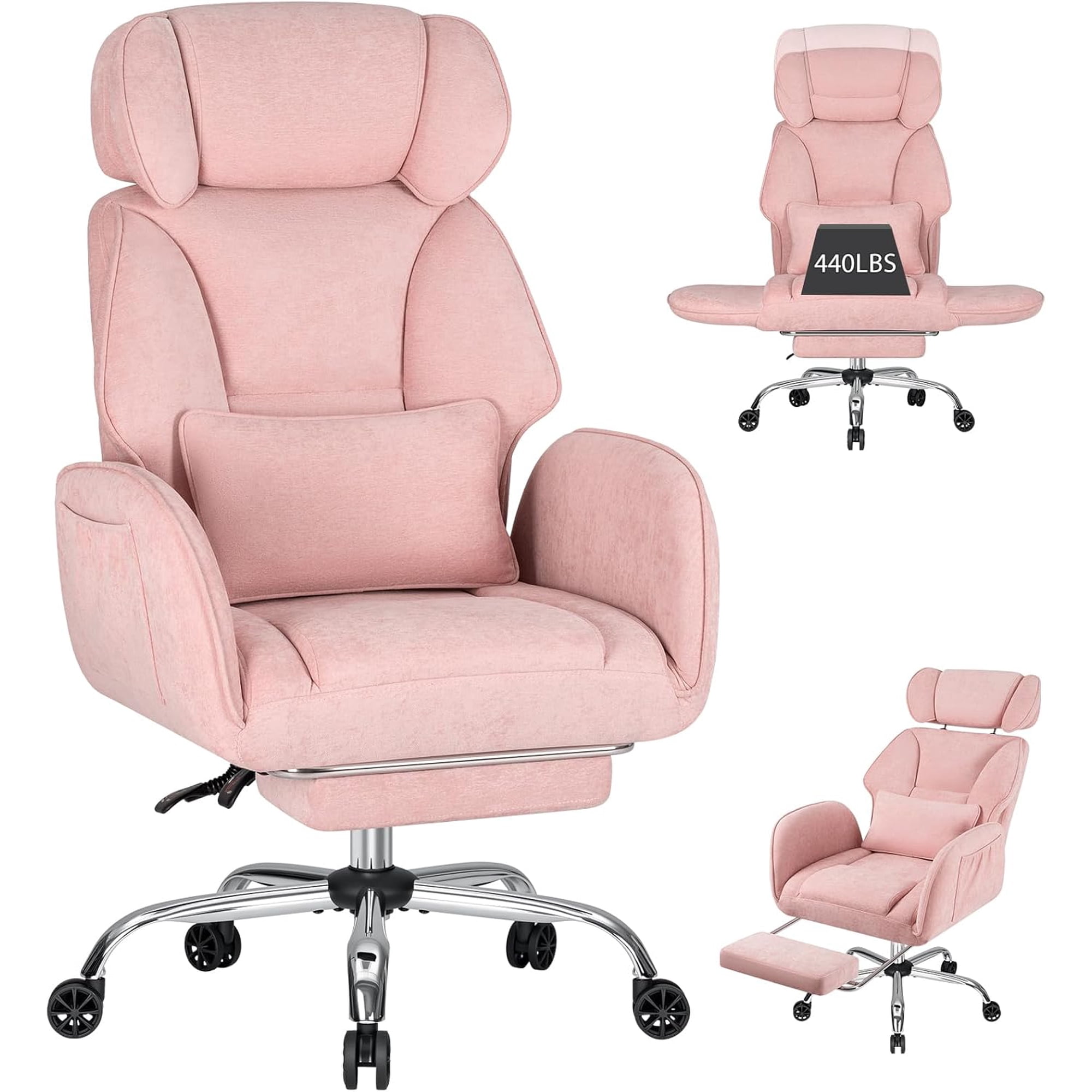
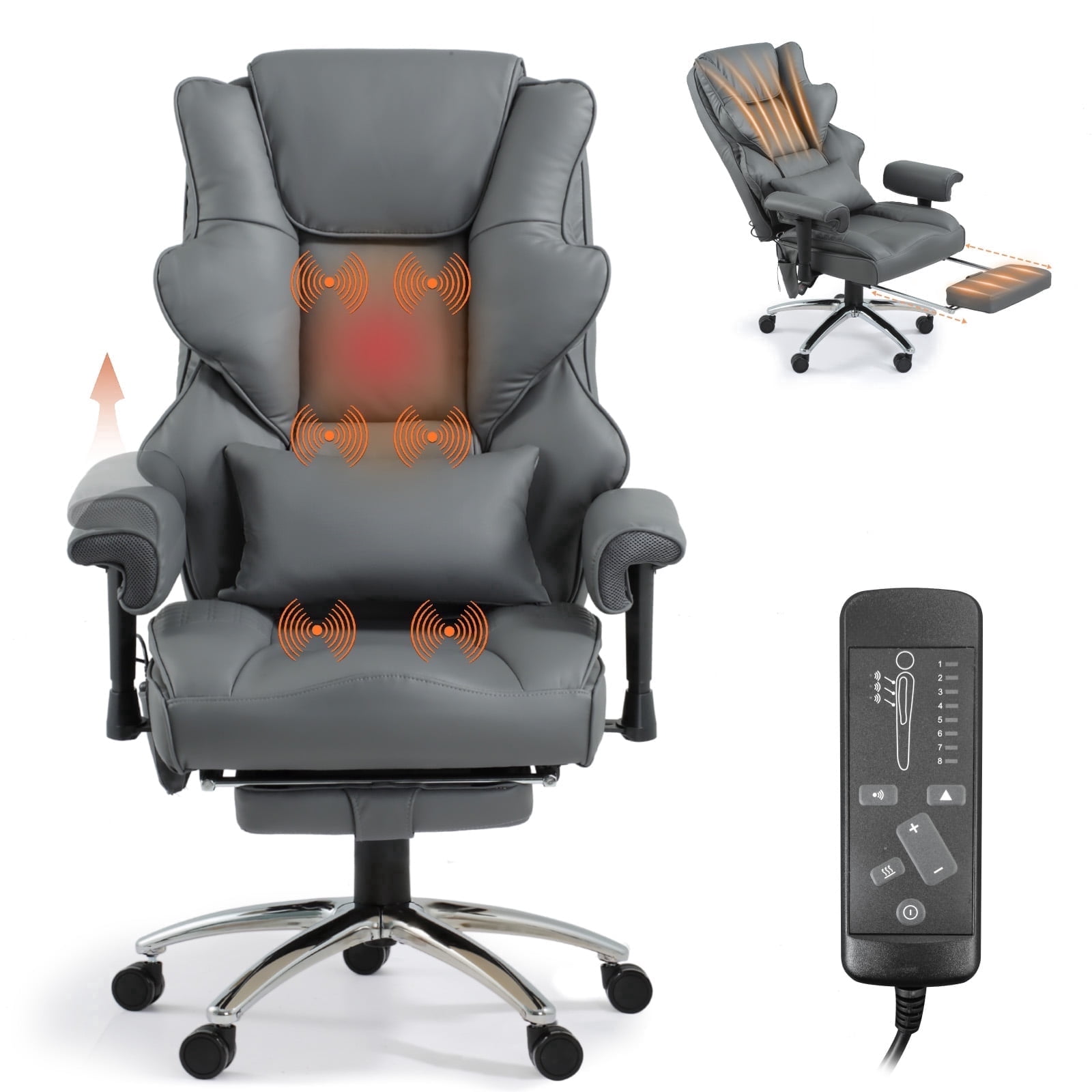
Beyond the Seat: Why Your Feet Deserve a Rest
Imagine sitting in your office chair for hours. Your back feels okay, but there's a dull ache behind your knees, and your feet dangle or just barely touch the floor. This subtle misalignment is like a slow leak in your energy tire—it drains focus and invites fatigue. An ergonomic office chair with foot rest solves this by completing the support circuit. It’s not just about comfort; it’s about creating a stable base that allows your entire body to relax and work efficiently.
Did you know? A study in the journal "Applied Ergonomics" found that using a footrest significantly reduced discomfort in the lower back and thighs for workers whose chairs were slightly too high. Proper foot support can improve perceived comfort by over 30% during an 8-hour workday.
The Foot-Back Connection: How a Foot Rest Transforms Your Posture
Think of your body as a chain. Your feet are the anchor. If your feet aren't firmly planted, the chain above—your knees, hips, and spine—has to compensate. An ergonomic chair with a footrest locks that anchor in place. Here’s a fresh perspective on why this feature matters, broken down into three key zones.
• Zone 1: Circulation & The "Dangling Feet" Problem
When your feet dangle, the edge of the seat presses against the underside of your thighs. This compression restricts blood flow to your lower legs and feet, leading to that "pins and needles" sensation or swollen ankles. A footrest takes the pressure off, acting like a gentle lift that restores healthy circulation. It’s the difference between a kinked hose and one that flows freely.
• Zone 2: Spinal Alignment & The Domino Effect
Unsupported feet often cause you to slouch or perch on the edge of your chair. This tilts your pelvis backward, flattening the natural curve of your lower spine (lumbar lordosis). Over hours, this creates a repetitive strain on spinal discs. By providing a stable platform, a footrest helps maintain a neutral pelvis, which in turn supports the "S" curve of your back. It’s like setting the foundation of a house perfectly straight so the walls above don't crack.
• Zone 3: Muscle Energy & The "Active Sitting" Myth
Some believe dangling feet keep muscles engaged. In reality, it creates constant, low-level tension as your legs micro-adjust to find stability. This wastes energy. A footrest allows your leg muscles to fully relax. This "passive support" frees up mental and physical energy for your actual work. You’re not fighting your chair; you’re partnering with it.
Types of Foot Rests in Ergonomic Chairs: A Quick Guide
| Footrest Type | How It Works | Ideal User Profile |
|---|---|---|
| Built-in Sliding Footrest | Slides out from under the seat like a drawer. Always there when you need it. | Minimalists who hate clutter and want a seamless look. |
| Integrated Ottoman / Extending Leg Rest | Similar to a recliner, the footrest flips up to support the whole lower leg. | People who take thinking breaks or want to fully recline during calls/reading. |
| Separate Adjustable Footrest | A standalone platform you can position anywhere (often with height/tilt adjustment). | Users who share a chair or want maximum flexibility in foot positioning. |
| Fixed Foot Ring | A circular ring attached to the chair base, common in drafting stools. | Taller users or those who frequently change posture and need a perch. |
5-Step Selection Guide: Finding Your Perfect Match
Choosing the right ergonomic chair with foot support doesn't have to be overwhelming. Follow this simple roadmap:
- Measure your "popliteal height": This is the distance from the floor to the underside of your thigh, just behind the knee, when you're sitting with your thighs parallel to the floor. This tells you the ideal seat height range and how much lift your feet need.
- Decide on integration: Do you want an all-in-one solution (built-in) or the flexibility of a separate footrest? Pro tip: If you share your workspace, a separate footrest is more hygienic and adjustable for different users.
- Check adjustability: Can the footrest be angled? Is it height-adjustable? For built-in versions, ensure it slides out far enough to support the entire length of your feet, not just your toes.
- Prioritize the seat pan: A footrest is useless if the seat itself is uncomfortable. Look for high-density foam or a quality mesh seat with a "waterfall edge" that curves down gently to avoid pressure behind the knees.
- Test the tilt mechanism: A "synchronous tilt" feature lets the chair back and seat move together. When combined with a footrest, it allows your body to stay supported even when you recline slightly—perfect for shifting weight during long sessions.
🦵 Reduced Leg Fatigue
Supports calves and feet, reducing muscle strain by up to 25%.
❤️ Better Circulation
Prevents blood pooling in lower legs, keeping you alert.
🧘 Improved Focus
Fewer fidgets and discomfort breaks mean deeper workflow.
🪑 Posture Perfection
Encourages a 90-90-90 angle: ankles, knees, and hips.
Frequently Asked Questions About Ergonomic Chairs with Foot Rest
Final Verdict: Invest in Your Foundation
Selecting an ergonomic office chair with a foot rest is an investment in your daily well-being. It’s acknowledging that true comfort isn't just about your back—it's a full-body experience. By giving your feet a place to rest, you stabilize your pelvis, relax your muscles, and free your mind to focus on what truly matters. Whether you opt for a sleek sliding mechanism or a versatile separate platform, the key is to ensure it allows your feet to rest flat, creating that perfect 90-degree angle at your knees. Your body will thank you at the end of the workday.